Brussels unveils a groundbreaking strategy to reform its enlargement process, promising a faster track to integration but imposing stringent conditions and a lengthy oversight period. While offering tangible benefits, the new approach raises concerns about a two-tiered membership and the true readiness of candidate countries.
The Dawn of a New Enlargement Era
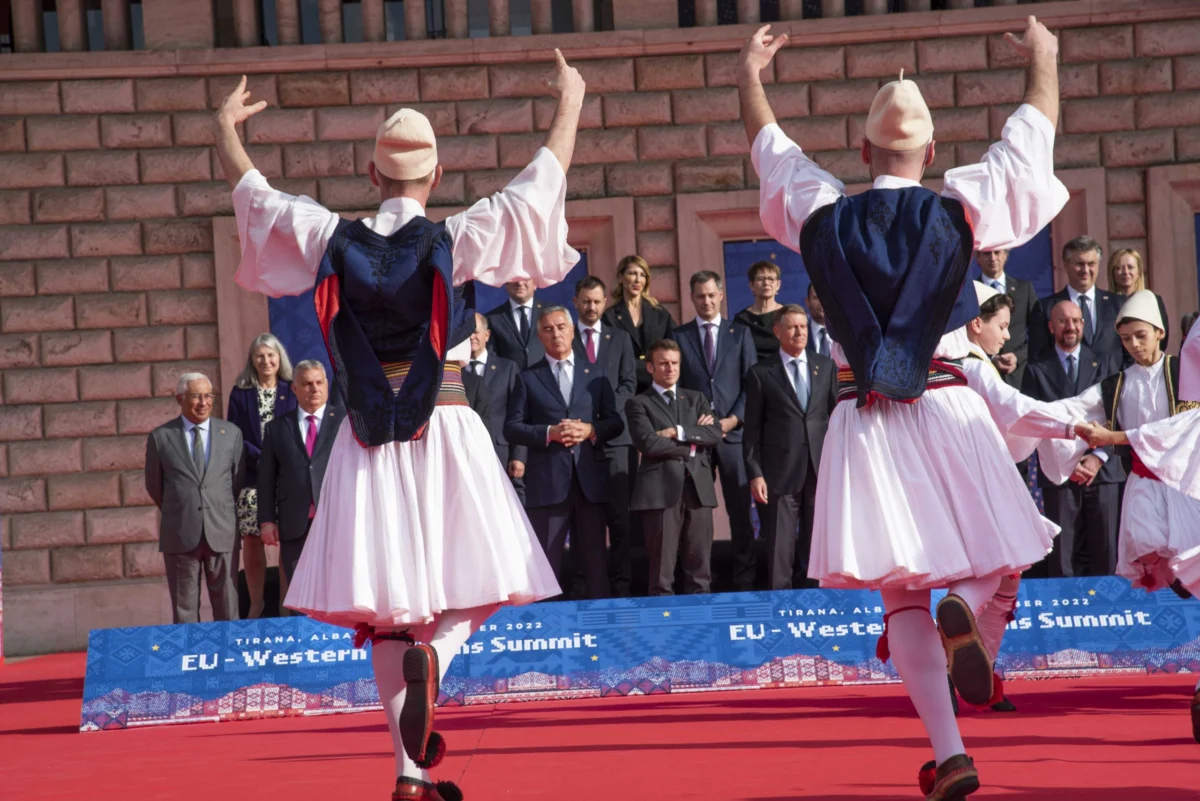
On October 6th, the European Commission presented a pivotal package of policy orientations, aptly titled "Getting Ready for a Wider Union." This ambitious initiative aims to fundamentally recalibrate the EU’s governance, policies, and budget to accommodate future expansion. At its core, the proposal seeks to streamline the accession process by allowing candidate countries gradual integration into specific EU policies before full membership. This phased approach is designed to deliver tangible benefits to citizens of these aspiring nations, such as access to SEPA payments or the abolition of roaming charges, provided they meet the stringent criteria set by Brussels.
However, this accelerated pathway is not without its caveats. To expedite the process, the document suggests replacing the current requirement of unanimity for opening negotiation chapters with qualified majority voting. This move is intended to circumvent the paralysis often caused by member states wielding their veto power. Yet, this newfound ease in decision-making is coupled with the introduction of robust post-accession safeguard clauses. These clauses could lead to the suspension of voting rights in the Council for up to 15 years following admission, in cases of serious breaches of EU values. This extended period of scrutiny signals a profound lack of trust from Brussels, prompting analysts to warn of a potential "peripheral membership" with curtailed rights for new members.
A Long and Winding Road: Albania’s EU Journey
Albania’s pursuit of EU membership represents one of the country’s longest and most complex political undertakings since the fall of communism in the early 1990s. The nation signed a Trade and Cooperation Agreement with the European Community in 1992, but it took a further 14 years to ink the Stabilization and Association Agreement. Despite an early application, a series of domestic political crises hampered progress, leading to Albania being granted candidate status only in June 2014, thus losing valuable momentum.
Under the revised enlargement methodology adopted in March 2020, the accession process is now structured into six distinct blocs known as "Clusters." Albania opened these cluster chapters on October 15, 2024, with an ambitious target of concluding them by the end of 2027. The Rama government’s ultimate goal remains full membership by 2030.
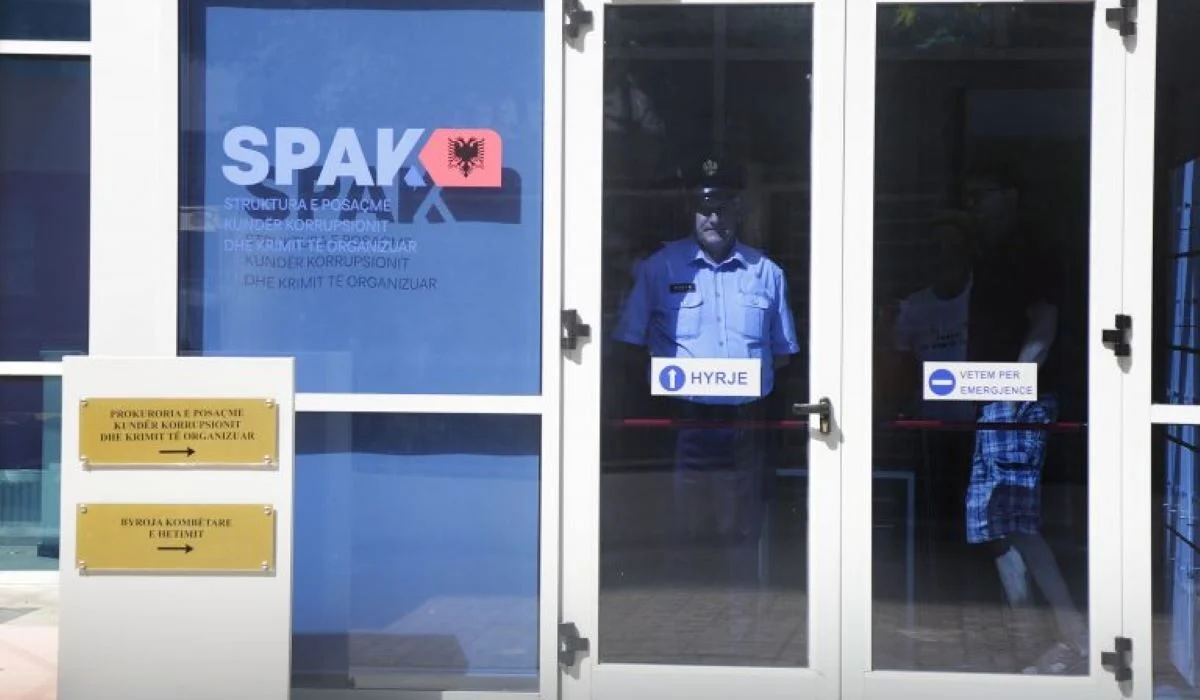
To provide a clearer framework for this process, the European Commission plans to present its 2026 Enlargement Package, which will include specific "indicative roadmaps" for more advanced countries like Albania, Montenegro, Ukraine, and Moldova. These roadmaps are intended to serve as a compass for negotiations, but the strict condition remains that these nations must maintain the pace of reforms. However, as experts point out, the Achilles’ heel of this entire endeavor remains the first cluster, which directly addresses the rule of law, fundamental rights, and democratic institutions. This cluster is invariably opened first and must be closed last, dictating the rhythm of the entire accession process.
The Veto Debate: A Diplomatic Chess Game
The Commission’s proposal to substitute unanimity with qualified majority voting for decisions made during negotiations, such as the opening of cluster chapters, is positioned as a key diplomatic maneuver to eliminate the veto as a tool of bilateral obstruction. While this prospect has generated enthusiasm in some quarters, experts remain skeptical.
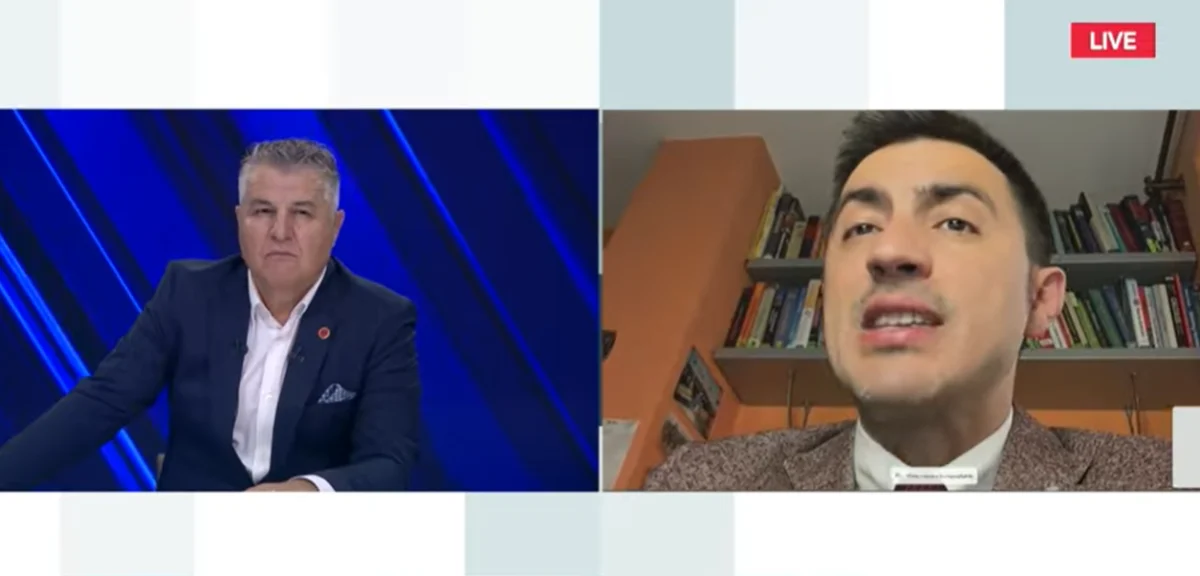
European integration expert Geron Kamberi describes the initiative as a "logical paradox," stating that "for unanimity to be abolished in the EU, unanimity is required." He argues that the veto has historically served smaller and medium-sized states by allowing them to feel equal within the Union and to maintain political leverage against larger nations.
Blendi Ceka echoes this skepticism, deeming the proposal unlikely to pass the European Council. He suggests that member states fear "setting a precedent" and view the removal of the veto as a "disintegrating move." Ceka asserts, "Member states, for conceptual reasons and fear of setting a precedent, I don’t believe they will give up unanimity."
Conversely, Gledis Gjipali, head of the European Movement in Albania, believes that if this proposal becomes reality, the change would be fundamental. "For Albania, even though it has opened all cluster chapters, this approach is significant for their closure. It will also eliminate any justification for the slowdown of internal reforms due to a possible veto during the process," Gjipali stated.
The EU’s Apprehensions: Safeguards and Scrutiny
The Commission’s new plan carefully balances the removal of the veto during negotiations with an "iron security cordon" post-accession. This includes institutional safeguard clauses that could lead to the suspension of voting rights in the Council for up to 15 years after official accession, in cases of fundamental breaches of Union values.
Analyst Blendi Ceka views this unprecedented conditionality on voting rights as evidence that the decision is "entirely political" and that aspirant countries will be put to the test. "Not having the right to vote treats aspiring countries as they are currently, combined with increased access to financial benefits in some sectors," he commented.
Kamberi recalls that this "early EU syndrome" has been tested in the past with Romania and Bulgaria, which faced challenges with the rule of law and corruption for 15 consecutive years (2008-2023). Gjipali also believes this clause directly reflects Brussels’ fear of a repeat of the Hungarian situation with new member states, explaining that reforms implemented hastily often take years to yield full effects.
However, Gjipali adds that activating the 15-year mechanism does not automatically equate to a 15-year suspension of voting rights, but rather offers additional guarantees for skeptical member states. "The legitimate concern is that they are proportional, fact-based, and do not create arbitrary treatment of new members, without considering their internal development specifics," Gjipali concluded.
These stringent conditions extend to the financial and economic spheres. The European plan stipulates that funds from the "Global Europe" instrument will be inextricably linked to the implementation of reforms. Payments could be suspended "if serious deficiencies in financial management are observed" and shortcomings in the rule of law are identified.
Gjipali emphasizes that while SEPA and roaming offer direct cost reductions for citizens, market liberalization will increase competition. He anticipates that "small businesses, farmers, and professionals will be the first to bear the costs of adjustment." Ceka offers a more drastic assessment, asserting that Albania "is not ready for almost any standard to face the common market and competition."
While the EU’s new approach appears to favor candidate countries, it remains a double-edged sword. "The change could bring you back to the starting point of the process if you haven’t utilized this favorable moment properly," Gjipali warned, stressing that change only comes through genuine and sustainable reforms.