Brussels, Belgium – European defense companies are dramatically escalating security measures for their top executives and key personnel following stark warnings from intelligence agencies across the continent. These advisories indicate a significant and perilous shift in Russia’s hybrid warfare strategy, with Kremlin operatives now actively targeting individuals at the helm of firms providing crucial military support to Ukraine. The unprecedented threat extends across the entire defense industrial base, from multinational arms manufacturers to smaller specialized companies producing critical components and drones, imposing substantial new security costs and operational complexities on a sector already under immense pressure.
The revelations, initially reported by the Financial Times based on confirmations from officials across five European intelligence agencies, underscore a deepening and increasingly brazen campaign by Moscow to disrupt the flow of aid to Kyiv. This new phase of Russian aggression moves beyond traditional cyberattacks and disinformation campaigns, venturing into the realm of direct physical targeting and intimidation against individuals deemed vital to Ukraine’s war effort.
Main Facts: An Unprecedented Threat to Defense Leadership
The core of the intelligence warnings is unambiguous: Russia is actively identifying, tracking, and potentially planning acts of violence or sabotage against senior executives and other crucial personnel within Europe’s defense industry. These individuals are seen by Moscow as linchpins in the Western military aid pipeline to Ukraine, and their disruption could significantly hamper Kyiv’s defensive capabilities.
The scope of this threat is broad, encompassing not only the towering giants of the European defense sector like Rheinmetall, BAE Systems, and Thales, but also a vast network of smaller, often highly specialized firms. These include manufacturers of advanced drone systems, precision components, sophisticated electronics, and other critical technologies that underpin modern warfare. The interconnectedness of this industrial ecosystem means that even the targeting of a single, seemingly minor supplier’s leadership could create cascading disruptions across the entire supply chain, delaying deliveries of essential equipment to the Ukrainian front lines.
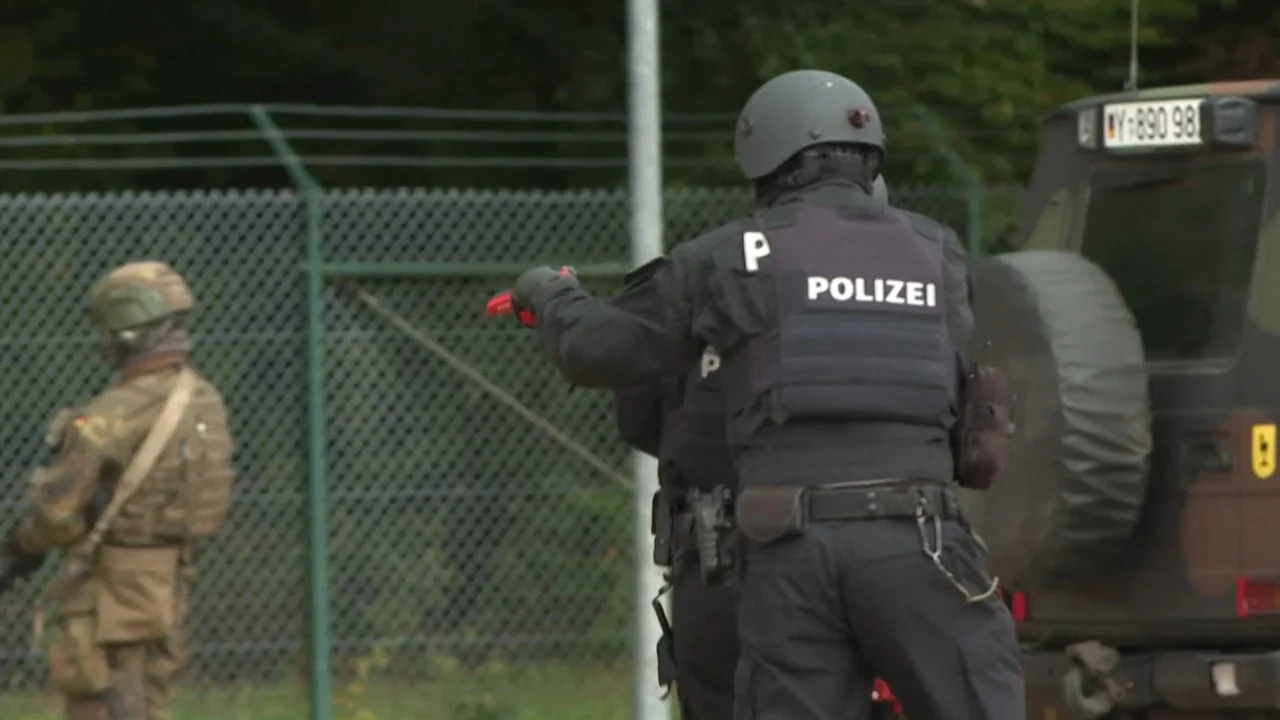
In response, defense contractors are implementing a comprehensive array of enhanced security protocols. These range from deploying personal protection details for executives, fortifying residential and corporate premises, securing travel logistics, and upgrading digital security to protect personal and professional communications. These measures, while essential, inevitably translate into increased operational expenditures, adding another layer of cost to an industry already grappling with heightened production demands and geopolitical uncertainties.
European intelligence officials view these targeted operations as an integral part of Russia’s expanding campaign of sabotage and hybrid warfare across the continent. This campaign aims to sow discord, undermine public confidence, and directly impede Western support for Ukraine, ultimately seeking to weaken the collective resolve against Russian aggression. The specific warnings issued to German lawmakers, highlighting Russia’s deliberate planning of violent acts against individuals using state actors or proxy groups, underscore the gravity and immediate nature of this evolving threat. The methods, objectives, and personnel involved in these Russian operations are described as constantly adapting, with a particularly concerning trend being the increased reliance on organized crime networks to execute these covert and deniable actions.
Chronology: The Evolution of Russia’s Hybrid Warfare
Russia’s current strategy of targeting European defense executives is not an isolated incident but rather the latest escalation in a long and evolving campaign of hybrid warfare against Western nations. This campaign has steadily intensified over the past two decades, adapting its tactics and expanding its scope in response to geopolitical shifts and perceived threats to Russian interests.
Early Stages (Pre-2014): Information Warfare and Espionage
Even before the annexation of Crimea in 2014, Russia was actively engaged in sophisticated information warfare and traditional espionage. This period saw the proliferation of state-sponsored media outlets, extensive disinformation campaigns aimed at shaping public opinion, and a consistent effort to gather intelligence on Western political, economic, and military affairs. Cyber espionage, targeting government networks and critical infrastructure, also began to emerge as a significant tool.
Post-2014: Intensification and Direct Action
The annexation of Crimea and the conflict in Eastern Ukraine marked a significant turning point. Russia’s hybrid tactics became more overt and aggressive. This era witnessed:
- Increased Cyber Attacks: Attacks on critical infrastructure in Ukraine (e.g., power grids), and increasingly sophisticated cyber campaigns against Western targets, including government institutions, political organizations, and businesses.
- Propaganda and Disinformation at Scale: A massive amplification of efforts to sow division within Western societies, undermine democratic processes, and delegitimize Western institutions.
- Direct Political Interference: Allegations of Russian interference in elections and referendums across Europe and North America.
- Covert Operations: The poisoning of Sergei Skripal in Salisbury, UK, in 2018, using a Novichok nerve agent, served as a chilling reminder of Russia’s willingness to conduct assassinations on foreign soil, targeting individuals deemed traitors or threats. While not an industrial target, it demonstrated the operational capability and political will.
Post-2022: Full-Scale Escalation and Critical Infrastructure Threats
The full-scale invasion of Ukraine in February 2022 ushered in a new and highly dangerous phase of Russian hybrid warfare. With Western nations uniting to provide unprecedented military and financial support to Kyiv, Moscow intensified its efforts to disrupt this assistance and punish those perceived as adversaries.
- Sabotage of Energy Infrastructure: The suspected sabotage of the Nord Stream pipelines in September 2022 highlighted Russia’s capability and willingness to attack critical infrastructure, sending a clear message about vulnerability.
- Targeting Logistics and Supply Chains: Reports emerged of potential sabotage attempts on railway networks in Germany and other European countries, aimed at disrupting military supply routes to Ukraine. Cyberattacks on logistics companies and ports also increased.
- Escalation in Cyber Warfare: Continued and intensified cyberattacks against government, military, and private sector entities supporting Ukraine, including attempts to exfiltrate sensitive data and disrupt operations.
- The Shift to Individual Targeting: The current intelligence warnings represent a dangerous evolution. While previous attacks often targeted infrastructure or institutions, the focus on individual executives marks a direct attempt to instill fear, coerce, and physically eliminate key decision-makers or operational leaders. This mirrors tactics often associated with state-sponsored terrorism or organized crime, blurring the lines of conventional warfare.
This chronological progression demonstrates a clear trajectory of escalating aggression and diversification of tactics, culminating in the current, highly personal threat against European defense industry leaders. Each phase has built upon the last, refining Moscow’s capacity for deniable, disruptive, and now, potentially lethal, operations on European soil.
Supporting Data: Unpacking the Nature of the Threat and Vulnerabilities
The intelligence community’s assessment points to a sophisticated and multi-layered threat, leveraging various methods and exploiting existing vulnerabilities within the European defense sector. Understanding these dynamics is crucial for comprehending the gravity of the situation.
Intelligence Community Insights:
The confirmation from "five European intelligence agencies" suggests a coordinated assessment across key nations deeply involved in supporting Ukraine. While specific agencies are not named, it is highly probable that these include Germany’s Federal Intelligence Service (BND), France’s Directorate-General for External Security (DGSE), the UK’s MI6, and potentially agencies from Poland, the Baltic states, or the Netherlands, given their proximity to Russia and active roles in NATO and EU defense initiatives. Their intelligence gathering likely combines human intelligence (HUMINT) from within Russian networks, signals intelligence (SIGINT) intercepting communications, and cyber intelligence (CYBINT) monitoring online activities and dark web forums. The specificity of the warnings about targeting "individuals" and using "organized crime networks" points to highly credible and granular intelligence.
Nature of Threats Beyond Physical Violence:
While physical violence is the most alarming aspect, the Russian threat encompasses a broader spectrum of malign activities designed to undermine the defense sector:
- Espionage: Targeting executives for sensitive information regarding production capacities, technological advancements, supply chain vulnerabilities, and future strategic plans.
- Blackmail and Coercion: Gathering compromising personal or professional information to pressure executives into providing intelligence, sabotaging operations, or making decisions favorable to Russia.
- Industrial Sabotage: Beyond physical attacks on individuals, this could involve disrupting production lines, tampering with equipment, or contaminating materials, directly impacting the quality and quantity of aid to Ukraine.
- Cyber Attacks Targeting Individuals: This includes phishing campaigns aimed at executives’ personal devices, doxxing to expose private information, and deploying malware to gain access to their corporate networks via personal vulnerabilities.
- Psychological Warfare: The very existence of these threats creates an atmosphere of fear and uncertainty, potentially leading to increased staff turnover, difficulties in recruitment, and a general chilling effect on decision-making within the defense industry.
Vulnerability of the Defense Sector:
The European defense industry, despite its strategic importance, possesses inherent vulnerabilities that Russia seeks to exploit:
- Complex Supply Chains: Modern defense manufacturing relies on intricate global supply chains involving thousands of companies, many of them small to medium-sized enterprises (SMEs). A disruption at any point, especially concerning a critical component, can halt production for larger integrators. Executives at these smaller, less secure firms can be particularly attractive targets.
- Research & Development (R&D): The defense sector is a hotbed of innovation. Executives involved in R&D or intellectual property management hold keys to future military capabilities, making them prime targets for espionage and intellectual property theft.
- Production Bottlenecks: Key personnel often hold specialized knowledge or manage critical aspects of production. Removing or incapacitating such an individual can cause significant delays, especially for highly complex systems with limited redundancy.
Financial Impact: The Cost of Enhanced Security:
The "rising costs of security" are a tangible burden. Increased security entails:
- Executive Protection: Hiring highly trained private security personnel (bodyguards), often round-the-clock.
- Secure Logistics: Armored vehicles, secure drivers, and protected travel routes for executives.
- Physical Security Upgrades: Reinforcing homes and offices with advanced surveillance systems, access controls, and secure perimeters.
- Digital Security: Implementing advanced encryption, multi-factor authentication, secure communication channels, and continuous threat monitoring for personal and professional digital footprints.
- Personnel Vetting and Training: Enhanced background checks for employees, and training for all staff on recognizing and reporting suspicious activities.
- Insurance Premiums: Higher premiums for kidnap and ransom insurance, and general liability coverage in a heightened threat environment.
These costs divert resources that could otherwise be invested in R&D, production expansion, or efficiency improvements. They can impact profitability, potentially leading to higher prices for defense materiel, and ultimately increase the financial burden on governments supporting Ukraine.
Geographical Focus: Why Germany?
Germany’s specific mention in the intelligence warnings is particularly significant. As Europe’s largest economy and a major industrial powerhouse, Germany plays a pivotal role in supplying Ukraine, from Leopard tanks to air defense systems and ammunition. Its defense industry, including major players like Rheinmetall, KMW, and Diehl Defence, is a cornerstone of European military support. Moreover, Germany’s historical and geographical proximity to Russia, coupled with a significant Russian diaspora, might provide more operational avenues for covert activities. The explicit warning to German lawmakers underscores the perceived immediacy and severity of the threat within the country.
Modus Operandi: The Role of Organized Crime Networks:
The increased use of "organized crime networks" represents a particularly sinister development. This tactic offers Russia several advantages:
- Plausible Deniability: Using criminal proxies allows Moscow to distance itself from direct involvement, making attribution more difficult and providing a veneer of deniability.
- Operational Expertise: Organized crime groups possess established networks, logistical capabilities, and experience in illicit activities, including violence, intimidation, and smuggling, which can be leveraged for state-sponsored operations.
- Accessibility: These networks often have easier access to individuals and territories that state intelligence operatives might find more challenging to penetrate.
- Diverse Skill Sets: From cybercrime to physical enforcement, criminal groups can offer a range of capabilities adaptable to various sabotage or targeting missions.
This blurring of lines between state intelligence and criminal enterprises poses a significant challenge to law enforcement and intelligence agencies, requiring new strategies to counter these hybrid threats effectively.
Official Responses: A United Front Against Malign Influence
The gravity of the threat has prompted swift and coordinated responses from defense companies, national governments, and international organizations, highlighting a shared understanding of the need for a robust and unified defense against Russia’s escalating hybrid warfare.
Defense Companies’ Proactive Measures:
European defense firms, already operating in a high-security environment, have significantly bolstered their protective measures. Beyond the immediate increase in executive protection and physical security, companies are:
- Enhancing Cyber Defenses: Investing heavily in advanced cybersecurity solutions, threat intelligence platforms, and employee training to counter sophisticated spear-phishing, ransomware, and espionage attempts targeting individuals and corporate networks.
- Insider Threat Programs: Strengthening internal security protocols, vetting processes, and monitoring systems to detect and mitigate potential threats from within, including recruitment attempts by foreign intelligence services.
- Travel Advisories and Protocols: Issuing strict travel advisories for executives and sensitive personnel, particularly for travel to higher-risk regions, and implementing secure travel protocols.
- Secure Communications: Ensuring all sensitive communications, both internal and external, are conducted through highly secure, encrypted channels.
- Collaboration with Intelligence Agencies: Establishing direct and frequent lines of communication with national intelligence and law enforcement agencies to share threat intelligence, receive briefings, and coordinate protective measures. Industry associations are also playing a crucial role in facilitating this dialogue across the sector.
National Governments and Intelligence Agencies’ Actions:
Governments across Europe have taken the intelligence warnings with extreme seriousness:
- Public Warnings and Private Briefings: While some warnings are made public to raise awareness, detailed threat intelligence and specific guidance are being disseminated through confidential briefings to affected companies and key stakeholders.
- Enhanced Counter-Intelligence: National intelligence agencies are intensifying their counter-intelligence efforts to identify and disrupt Russian operatives and their proxies, including organized crime networks. This involves increased surveillance, intelligence sharing, and active measures to neutralize threats.
- Legal Frameworks and Investigations: Law enforcement agencies are preparing to investigate and prosecute any acts of violence, sabotage, or espionage with the full force of the law. International cooperation through Europol and Interpol will be crucial in cross-border investigations.
- Diplomatic Responses: Should perpetrators be identified and linked to the Russian state, diplomatic condemnations, further sanctions, and expulsions of diplomats are likely to follow, further straining Russia-Europe relations.
- EU-Level Coordination: Within the European Union, discussions are underway to enhance intelligence sharing platforms, coordinate national responses, and develop common strategies to bolster resilience against hybrid threats. The EU’s Hybrid CoE (Centre of Excellence for Countering Hybrid Threats) in Helsinki serves as a hub for expertise and training.
NATO’s Role in Collective Defense:
NATO, as the cornerstone of transatlantic security, plays a critical role in addressing these evolving threats:
- Collective Defense and Article 5: While direct targeting of individuals might not immediately trigger Article 5, NATO views hybrid attacks as a serious challenge to collective security. The Alliance has affirmed that hybrid attacks can potentially lead to the invocation of Article 5, depending on their severity and attribution.
- Information Sharing and Analysis: NATO provides a vital platform for member states to share intelligence and best practices on countering hybrid threats, including those targeting critical infrastructure and individuals.
- Resilience Building: The Alliance emphasizes the importance of national resilience across all sectors, including the defense industrial base, and provides guidance and training to enhance member states’ abilities to withstand and recover from attacks.
- Deterrence: By demonstrating a united front and a clear commitment to collective defense, NATO aims to deter further Russian escalation and malign activities against its members.
The coordinated and multifaceted response underscores the seriousness with which European nations and their allies perceive this new phase of Russian aggression. It reflects a determination to protect critical national assets, safeguard key personnel, and maintain unwavering support for Ukraine.
Implications: Far-Reaching Consequences for Europe and Beyond
The Russian campaign to target European defense executives carries profound implications that extend far beyond the immediate security concerns of individual companies and their leaders. These implications touch upon the ongoing conflict in Ukraine, the stability of the European economic and political landscape, and the future of international security.
Impact on Ukraine Aid:
The most immediate and critical implication is the potential disruption to the flow of military aid to Ukraine. If Russia succeeds in intimidating, incapacitating, or eliminating key personnel, it could:
- Slow Down Production: Disruptions at any point in the complex supply chain, particularly for high-demand items like artillery shells, drones, or spare parts, could delay deliveries to the front lines, directly impacting Ukraine’s ability to sustain its defense.
- Increase Costs: Higher security expenditures will inevitably be passed on, making defense materiel more expensive for governments supporting Ukraine, thus stretching limited budgets.
- Deter Innovation: An environment of fear and heightened risk could stifle innovation and investment in the defense sector, impacting the development of next-generation capabilities crucial for future defense.
Escalation of Conflict and Red Lines:
Targeting civilians, even those in strategic industries, represents a dangerous escalation of Russia’s conflict with the West. It blurs the lines between conventional warfare and state-sponsored terrorism, raising questions about what constitutes a "red line" for NATO and the EU. This strategy risks:
- Direct Retaliation: If attacks are definitively attributed to the Russian state and result in severe harm or fatalities, calls for direct retaliatory measures against Russian assets or personnel could grow louder, potentially escalating the conflict beyond Ukraine.
- Erosion of International Norms: The deliberate targeting of business leaders undermines established international norms against state-sponsored violence outside conflict zones, setting a dangerous precedent.
Economic Consequences:
Beyond the direct security costs, the economic ramifications could be significant:
- Investor Confidence: A heightened threat environment could deter investment in the European defense sector, affecting its long-term growth and capacity.
- Market Instability: Perceived instability and security risks could impact stock valuations for defense companies and related industries.
- Supply Chain Fragility: The increased need for security checks and due diligence could add friction to already strained supply chains, potentially leading to delays and increased costs across other critical sectors that rely on similar logistical networks.
Geopolitical Ramifications:
This new phase of Russian aggression will further exacerbate already strained Russia-Europe relations:
- Deepening Distrust: The targeting of individuals will deepen distrust and solidify the perception of Russia as a rogue state willing to employ illicit and violent means.
- Strengthening Western Resolve: Paradoxically, such brazen acts might strengthen the collective resolve of Western nations to support Ukraine and bolster their own defense capabilities, pushing for greater unity and resilience.
- Increased Isolation for Russia: These tactics could lead to further international condemnation, sanctions, and diplomatic isolation for Russia.
Security Paradigm Shift:
The use of organized crime networks for state-sponsored operations represents a significant shift in the security landscape:
- Blurring Lines: The traditional distinctions between state actors, intelligence services, and criminal organizations are becoming increasingly blurred, making attribution and counter-response more complex.
- New Security Challenges: Law enforcement and intelligence agencies must adapt to this new paradigm, developing capabilities to counter hybrid threats that seamlessly integrate state direction with criminal execution. This requires enhanced cross-border cooperation and novel investigative techniques.
Call for Unity and Resilience:
Ultimately, the intelligence warnings serve as a stark reminder of the persistent and evolving threat posed by Russia. The response demands a concerted effort involving robust intelligence gathering, proactive law enforcement, enhanced corporate security, and unwavering political unity across Europe and among its allies. The ability of the European defense industry to continue supporting Ukraine, while safeguarding its personnel and operations, will be a critical test of Western resilience in the face of escalating aggression. The battle for Ukraine is not only fought on the front lines but also within the boardrooms and factories that equip its defenders, making the security of its leaders paramount.