
In the rapidly evolving landscape of digital content, the question of how much YouTube pays per view remains a point of persistent curiosity and occasional confusion. For many aspiring creators, the dream of "going viral" is tethered to the belief that millions of views automatically translate into a significant paycheck. However, as we navigate the 2026 creator economy, it is essential to distinguish between vanity metrics and actual revenue.
YouTube does not pay for views in the traditional sense; it pays for ad views. Understanding this distinction is the first step toward building a sustainable career as a content creator.

Main Facts: The Reality of Ad-Based Revenue
The fundamental mechanic of YouTube’s payout system is rooted in advertising. When a user watches a video, they aren’t just consuming content; they are being served an opportunity for an advertiser to connect with them.
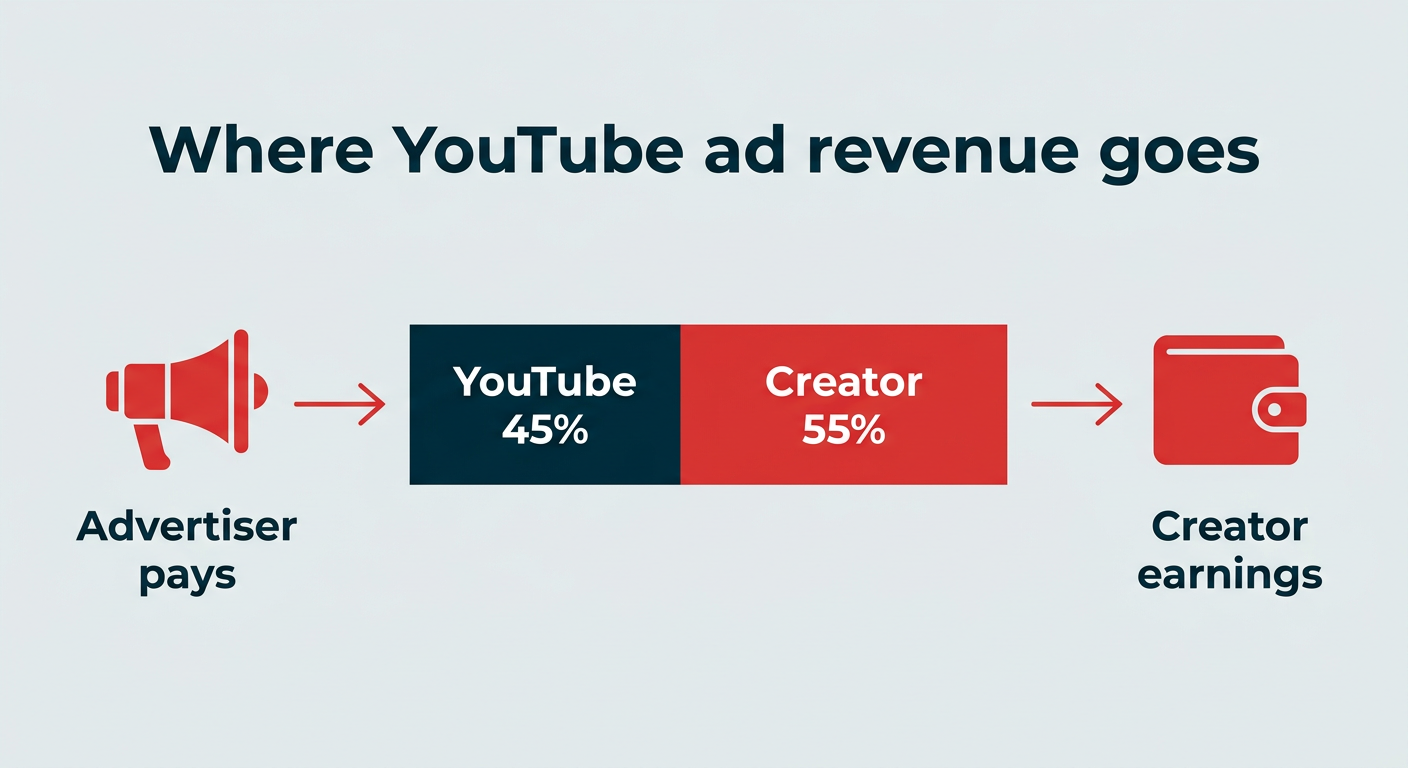
YouTubers are compensated based on the number of times an ad is viewed during their videos. If a video reaches one million views but contains no advertising, the creator earns $0 from YouTube’s ad revenue program. Conversely, if a video has a high volume of ad-supported views, the creator receives a share of the revenue generated by those ads. Specifically, YouTube retains 45% of the advertising revenue, while the creator receives 55%. Since 2021, this model has facilitated over $100 billion in payouts to creators, cementing YouTube’s position as the primary platform for long-form video monetization.

Chronology and Evolution of the Partner Program
The YouTube Partner Program (YPP) has undergone significant transformations to keep pace with the explosion of content formats. Originally a simple platform for sharing videos, YouTube evolved into a global media powerhouse by formalizing its relationship with creators.
- The Early Days: Monetization was a manual, invitation-only process for select high-performing channels.
- The YPP Expansion: YouTube standardized the YPP, creating clear milestones for entry. This allowed smaller creators to scale their operations as they proved their ability to attract audiences.
- The Shorts Revolution: As short-form content dominated user behavior, YouTube introduced the "Shorts Path" to monetization. This addressed the discrepancy between long-form watch time and the rapid, "snackable" nature of vertical video.
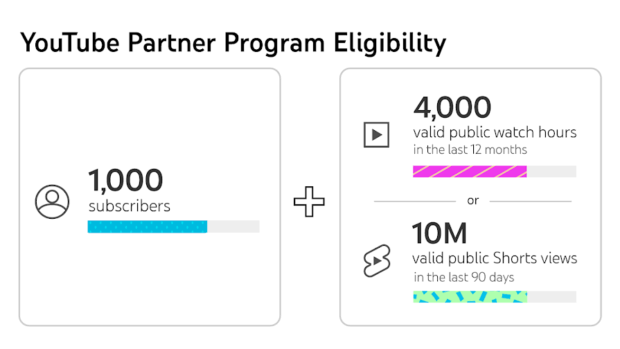
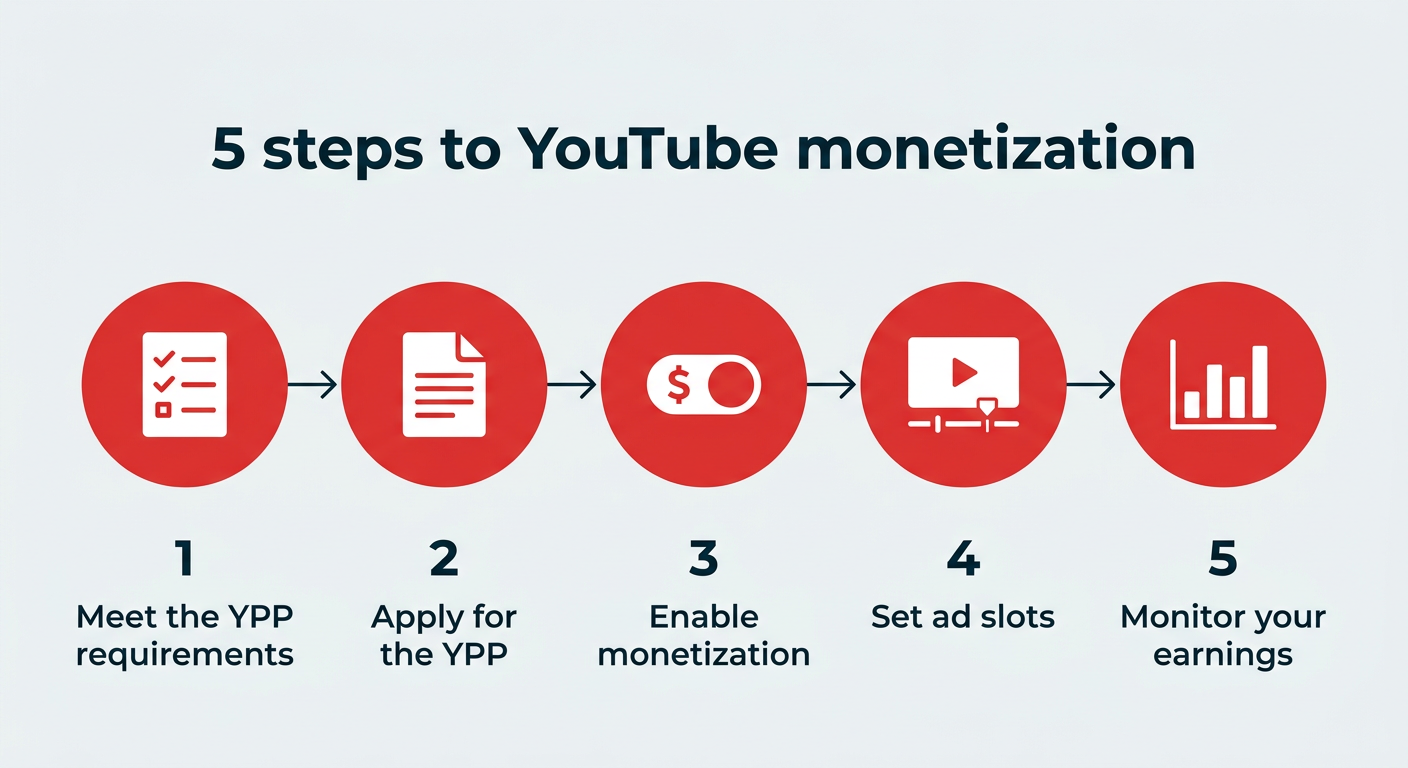
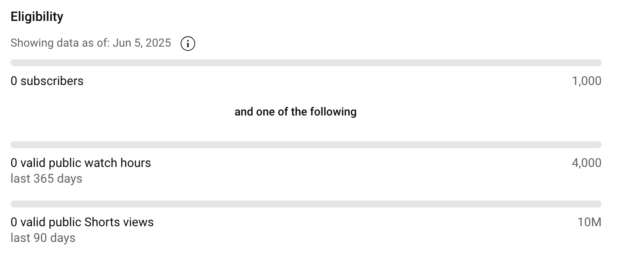
- 2026 Standards: Today, the YPP requires a baseline of 1,000 subscribers, alongside either 4,000 hours of long-form watch time in a year or 10 million Shorts views in 90 days. These thresholds ensure that creators are not just lucky, but consistent.
Understanding the "Alphabet Soup": CPM, RPM, and CPC
To manage a channel like a business, creators must master three critical metrics found in YouTube Studio. Confusing these is the primary reason many creators feel discouraged by their initial payouts.
CPM (Cost Per Mille)
CPM represents the cost an advertiser pays to reach 1,000 viewers. This is a measure of the advertiser’s investment rather than the creator’s income. A high CPM indicates that advertisers find your audience particularly valuable.
RPM (Revenue Per Mille)
RPM is the "north star" metric. It calculates how much you earn per 1,000 total video views after YouTube’s revenue share and non-monetized views are accounted for. Unlike CPM, this is the amount that actually lands in your bank account.
CPC (Cost Per Click)
CPC tracks the price advertisers pay when a viewer physically clicks on an ad. While not every viewer clicks, high-engagement niches—such as tech reviews or financial advice—often see higher CPC rates because the audience is actively looking to make a purchase.
Supporting Data: Earnings Estimates for 2026
In 2026, the industry standard for earnings remains elusive due to the volatility of market trends, but analysts estimate that creators can earn between $5 and $15 per 1,000 ad views. Because not every viewer sees an ad (due to ad blockers, YouTube Premium, or skipped ads), the RPM per 1,000 total video views is typically lower.
Estimated Revenue Milestones
| Total Video Views | Est. Ad Views (50-65%) | Estimated Earnings |
|---|---|---|
| 1,000 | 500 – 650 | $2.50 – $9.75 |
| 10,000 | 5,000 – 6,500 | $25.00 – $97.50 |
| 100,000 | 50,000 – 65,000 | $250.00 – $975.00 |
| 1,000,000 | 500,000 – 650,000 | $2,500 – $9,750 |
Note: These figures are estimates. Actual earnings fluctuate based on seasonality (Q4 is consistently higher) and audience geography.
Factors Impacting Revenue: Why Some Channels Earn More
Not all views are created equal. Nine primary factors influence the profitability of a channel:
- Content Niche: Finance, real estate, and tech channels command higher CPMs because they target high-intent, affluent audiences. Comedy and gaming often see lower CPMs due to the broader, younger audience demographic.
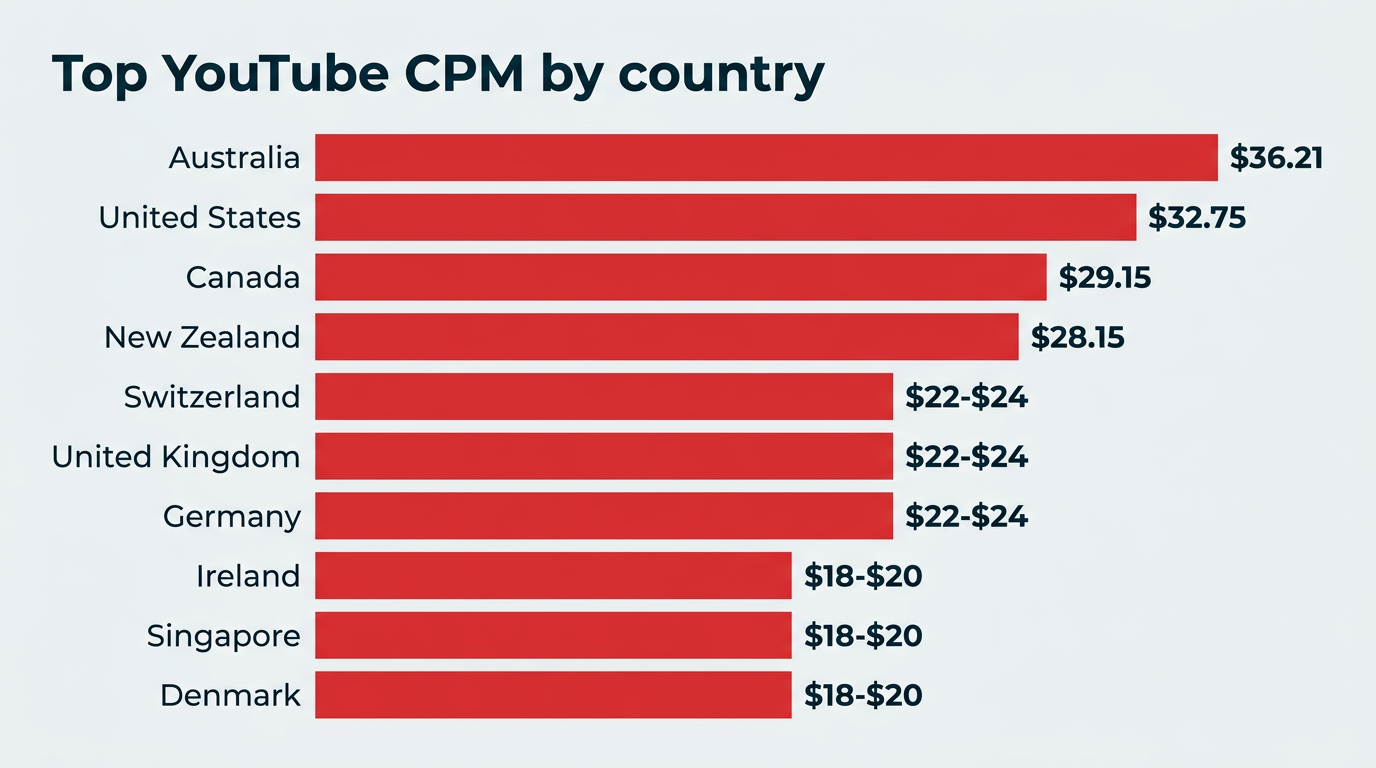
- Audience Location: Advertisers pay a premium to reach viewers in high-GDP countries like the United States, Australia, and Canada.
- Ad Type: Non-skippable ads are more expensive for advertisers and more profitable for creators.
- Video Length: Longer videos (over 8 minutes) allow for multiple mid-roll ad placements, significantly increasing the potential for revenue per viewer.
- Watch Time: High retention keeps viewers on the platform, allowing for more ad intervals.
- Ad Clicks: High engagement with ads improves the creator’s payout potential.
- YouTube Premium: While Premium viewers don’t see ads, creators are paid a portion of the subscription fees based on how long these users watch their content.
- Seasonality: Advertising budgets are cyclical. Q4 (holiday season) typically sees a massive spike in ad spending, followed by a contraction in Q1.
- Invalid Traffic: Some views, such as those from bots or flagged accounts, are disqualified from monetization.
Official Responses and Platform Strategy
YouTube’s official stance, as reflected in their recent updates, is to provide as many pathways to monetization as possible. By offering diverse revenue streams—including Super Chats, Super Thanks, and Channel Memberships—the platform acknowledges that ad revenue alone may not sustain every creator.
For YouTube, the goal is to maintain a "balanced ecosystem." This means enforcing strict ad-friendly guidelines to keep major corporate advertisers comfortable. Videos that involve controversial, violent, or profane content are often "demonetized" or limited, serving as a reminder that the platform prioritizes brand safety for its advertisers.

Implications for the Future Creator
The transition from a hobbyist to a professional YouTuber requires a pivot in mindset. If your goal is a full-time income, relying solely on ad revenue is risky.
Diversification is Key
The most successful creators in 2026 treat YouTube as a "top of funnel" tool. They use videos to build an audience, then leverage that trust to sell products, services, or sponsorships. Diversification strategies include:
- Affiliate Marketing: Earning commissions by linking to products discussed in videos.
- Merchandise and Digital Products: Selling courses, ebooks, or branded apparel directly to the audience.
- Brand Deals: Partnering directly with companies for sponsored segments, which are not subject to YouTube’s 45% revenue split.
The Role of Shorts
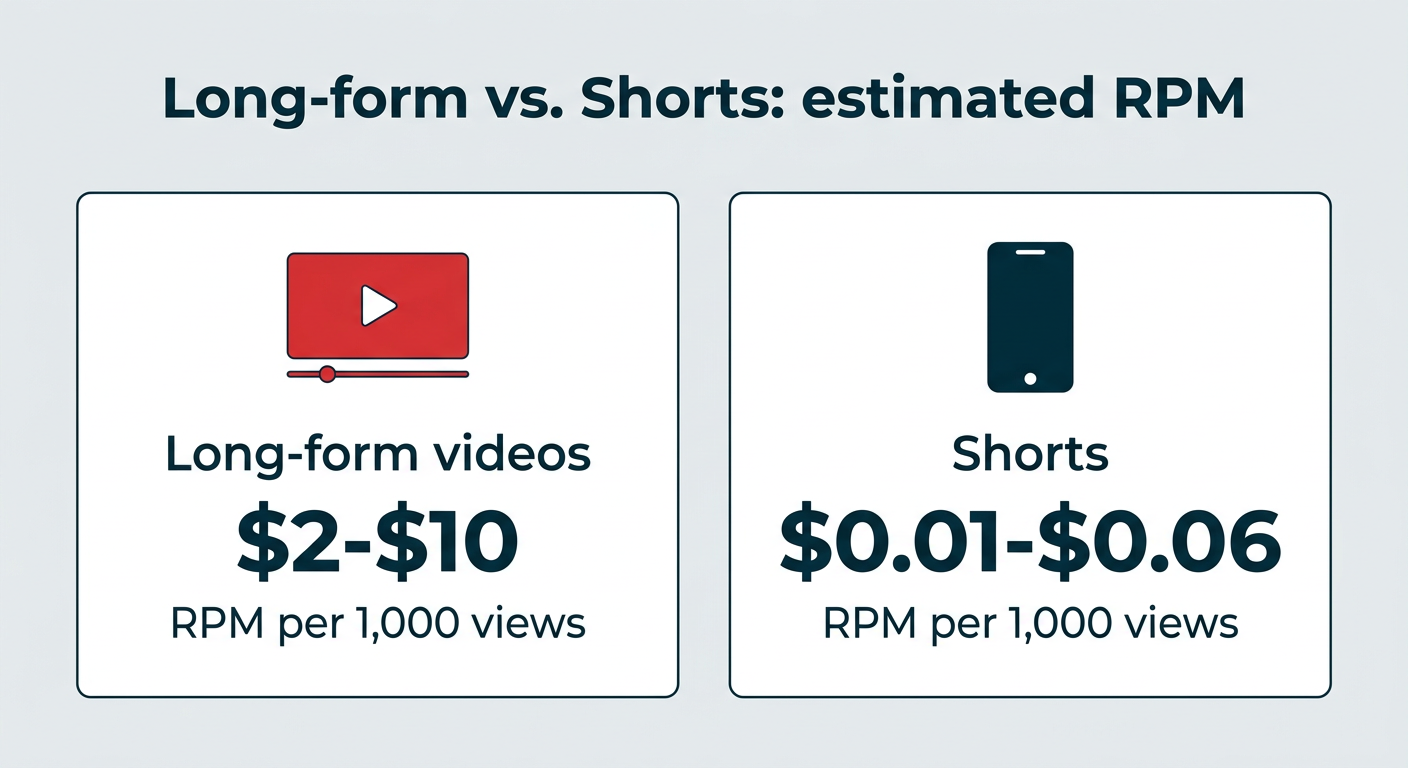
While Shorts pay significantly less (estimated at $0.01 to $0.06 per 1,000 views), they are essential for growth. In an era where attention spans are fragmented, Shorts serve as the "business card" for your channel. They are the most effective way to drive new subscribers who will eventually convert into long-form viewers.
Conclusion: Building for Longevity
To succeed on YouTube in 2026, you must stop chasing "views" and start chasing "value." By focusing on long-form content that provides educational or entertainment value, choosing a niche that advertisers find attractive, and building a community rather than just a subscriber count, you can turn a creative pursuit into a robust financial asset.
Remember: A channel with 100,000 highly engaged, loyal subscribers in a premium niche will consistently outperform a channel with one million casual viewers who don’t watch the ads. Focus on the quality of your audience, and the revenue will follow.