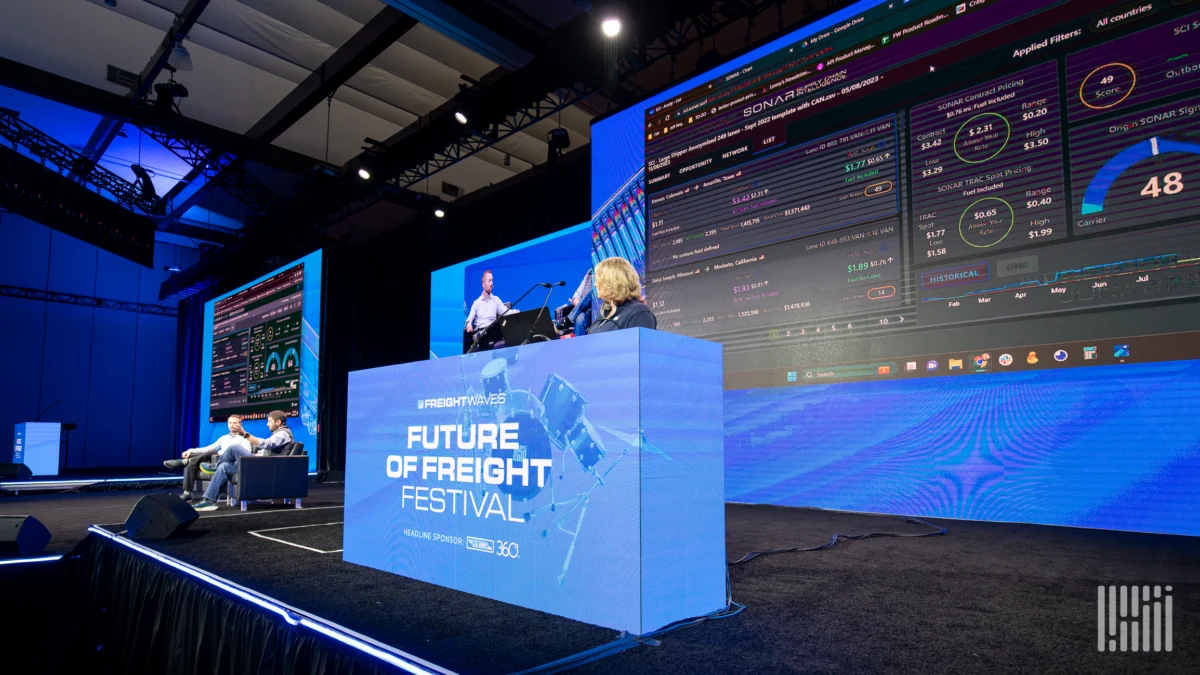
As the global logistics sector faces mounting pressure to enhance efficiency, reduce costs, and mitigate risk, the industry is gathering in Chattanooga, Tennessee, for the annual FreightWaves F3: Future of Freight Festival. Taking place from October 27–28 at the historic Signal at Chattanooga Choo Choo, the event serves as a pivotal touchpoint for stakeholders to evaluate how artificial intelligence, autonomous trucking, and advanced data analytics are transitioning from theoretical concepts to practical, day-to-day operational tools.
The State of the Industry: Moving Beyond the Hype
For years, the logistics sector has been flooded with promises of "transformative" technology. However, 2026 marks a turning point where the focus has shifted from mere innovation to tangible, measurable impact. This year’s F3 agenda is explicitly designed to address this maturation, featuring a series of sessions aimed at separating industry noise from actionable reality.
"The central question for freight technology companies and their customers today is how emerging tools translate into practical improvements," organizers noted ahead of the event. To answer this, the festival has curated a schedule that emphasizes the "how-to" of deployment.
A headline session, "Beyond the Hype: What AI in Freight Actually Delivers When the Noise Dies Down," scheduled for 2 p.m. on October 28, will feature FreightWaves CEO Craig Fuller in a fireside chat with Prasad Gollapalli, founder and CEO of Qued. The duo is expected to dissect the genuine economic value of AI, providing attendees with a framework to distinguish between expensive "shiny objects" and technology that drives bottom-line performance.
Chronology of Events: A Deep Dive into Logistics Innovation
The F3 festival is structured to provide both breadth and depth, beginning with a pre-festival focus on compliance and culminating in the celebration of the year’s top technological innovators.
October 26: The Foundation of Compliance and Recognition
The proceedings begin on October 26 with the Freight Brokerage Compliance Symposium. Recognizing that technological progress means nothing without operational safety and legal adherence, this day-long event—running from 8:45 a.m. to 4 p.m.—will tackle the "unsexy" but critical pillars of the industry. Experts will lead discussions on carrier liability, fraud mitigation, evolving FMCSA rules, and the ongoing struggle against cargo theft.
As evening falls, the focus shifts from compliance to celebration at the F3 Awards Dinner. This high-profile event will reveal the winners of the highly anticipated FreightTech25 and the prestigious Shipper of Choice awards. The evening will also culminate in the presentation of the FreightTech Vanguard Award, honoring individuals and firms that have left a permanent, positive mark on the supply chain ecosystem.
October 27–28: Technology in Motion
The main festival kicks off on October 27 with an aggressive schedule of keynotes, roundtable discussions, and live demonstrations.
- Morning/Afternoon (Oct 27): The program includes the "State of Autonomous Trucking" roundtable, featuring industry leaders from Bot Auto, PlusAI, and Forterra. This session will explore the technological and regulatory hurdles involved in transitioning autonomous operations from controlled yard environments to high-speed, long-haul highway applications.
- Technology in Action: Attendees will have the unique opportunity to participate in Tesla Semi ride-alongs throughout the festival, allowing them to experience the performance and capabilities of the electric truck firsthand.
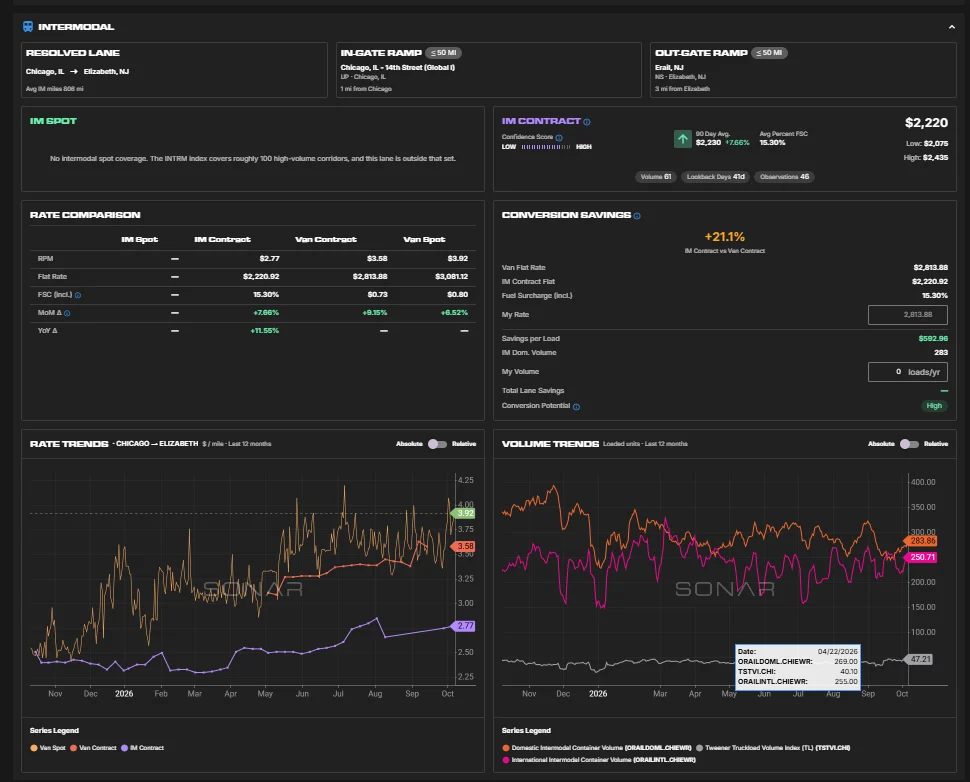
- Data Analytics: The SONAR team will host a series of deep-dive sessions, including "Beyond the Dashboard: The AI-Powered Future of Freight Data" and "Bid Season Blastoff," designed to teach participants how to leverage market intelligence to sharpen their competitive bidding strategies.
Supporting Data: Why Innovation Matters in 2026
The industry’s drive toward automation is not merely a preference; it is a necessity. The 2027 FreightTech 100 list—comprising the companies honored at the festival—offers a snapshot of this shift. Notably, more than 50% of the companies on the 2027 list are new to the ranking, a clear indicator of the rapid turnover and competitive pressure within the logistics tech market.
The diversity of this year’s honorees—spanning transportation management systems (TMS), visibility platforms, and advanced fleet telematics—highlights that no single technology is winning the race. Instead, the market is rewarding companies that can integrate multiple data streams into a coherent, AI-driven workflow. The independent panel of 80 industry executives tasked with ranking these companies for the FreightTech25 serves as a barometer for what "success" looks like in the current economic climate: reliability, scalability, and, above all, the ability to integrate into existing carrier and shipper workflows without excessive friction.
Official Perspectives: The Push for Autonomous Execution
One of the most anticipated discussions of the event is "Beyond AI: How Autonomous Execution Is Redefining Freight Operations," slated for October 27. The session will feature Robert Nathan of Envoy AI and Julie Van de Kamp of FreightWaves.
The core premise of this session is a shift in mindset: moving from AI that acts as a "consultant"—providing information and recommendations—to AI that acts as an "agent"—executing workflows autonomously. For many logistics teams, this is the final frontier. The ability for software to autonomously manage load tendering, document processing, and exception management represents a significant leap forward in productivity. However, as the session will explore, the decision of whether to "build vs. buy" these capabilities remains one of the most significant strategic dilemmas for modern freight companies.
Implications for the Future of Freight
The implications of the F3 festival extend far beyond the two days in Chattanooga. By bringing together the developers of these technologies and the operators who must implement them, the festival acts as an incubator for the next year of industry development.
1. The "Real-World" Test
As companies face tightening margins, the tolerance for "tech-for-tech’s-sake" has vanished. The discussions at F3 regarding ROI and practical use cases suggest that 2027 will be a year of consolidation. Technologies that cannot demonstrate a clear, measurable path to cost reduction or revenue generation will likely struggle to find capital, while those that prove their utility will likely see rapid, widespread adoption.
2. The Rise of the Autonomous Workforce
The emphasis on autonomous execution signals that the human role in logistics is changing rather than disappearing. Instead of manual data entry, the logistics professional of the future will increasingly act as a supervisor of AI systems, managing exceptions and strategic relationships. The sessions at F3 will provide a blueprint for how firms can begin this transition, emphasizing training and cultural adaptation.
3. Regulatory and Compliance Vigilance
The inclusion of a dedicated symposium on compliance underscores a critical reality: as technology automates the movement of freight, it also creates new vectors for fraud and liability. The industry is signaling that it intends to remain ahead of these risks, utilizing the same data-driven approaches that improve efficiency to also strengthen security.
Conclusion: A Roadmap for the Coming Year
The F3: Future of Freight Festival is more than a gathering of vendors and tech enthusiasts; it is a critical clearinghouse for the ideas that will shape global trade. By facilitating a transparent dialogue between those building the future and those operating the present, FreightWaves has created a venue that forces an honest assessment of the industry’s trajectory.
For attendees, the takeaway will be a clearer understanding of the "must-have" versus "nice-to-have" technologies. As the industry moves into 2027, the gap between the laggards and the leaders will likely be defined by how effectively they have utilized these events to integrate AI, data, and autonomous systems into the core of their operations. As the festival wraps up on October 28, the participants will leave Chattanooga not just with new contacts, but with a refined strategy for navigating the complexities of a modern, digitized supply chain.