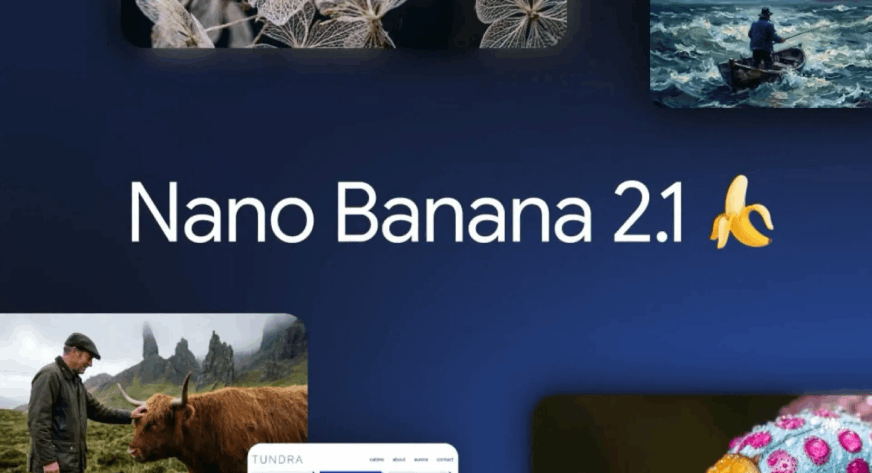
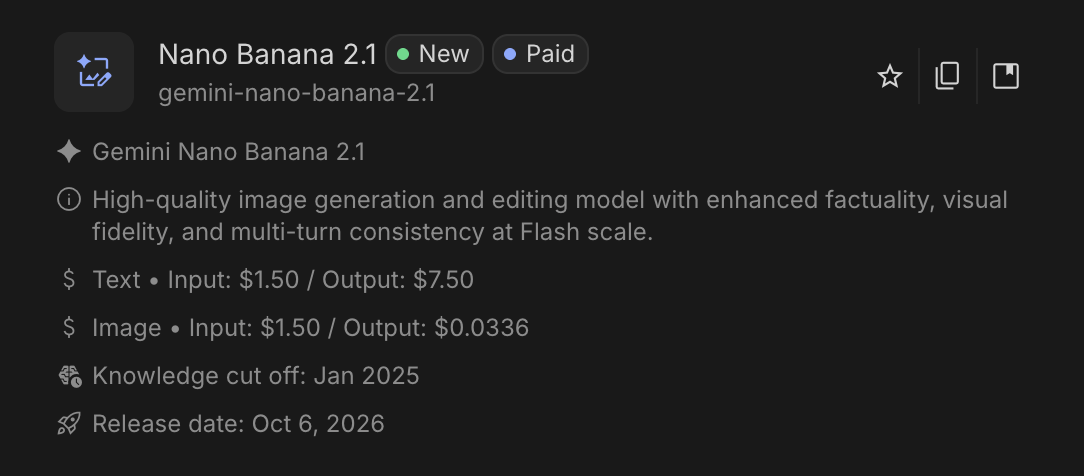
In the rapidly evolving landscape of generative artificial intelligence, the quest for a model that balances speed, cost-effectiveness, and high-fidelity output has been a primary objective for tech giants. Google’s latest release, Nano Banana 2.1 (API name: gemini-nano-banana-2.1), represents a significant milestone in this pursuit. Positioned as the official successor to its predecessor, Nano Banana 2, this iteration aims to move beyond simple image generation, positioning itself as a robust tool for educators, designers, and developers who require reliable visual outputs without the complexity of toggling between disparate software suites.
As AI integration becomes standard in professional workflows, the ability to generate lesson illustrations, project charts, and sequential storytelling assets via text prompts is no longer a luxury—it is a competitive necessity. This article explores the capabilities of Nano Banana 2.1, evaluates its performance across four distinct practical applications, and analyzes the implications of its widespread deployment.
The Evolution of Nano Banana: What’s New
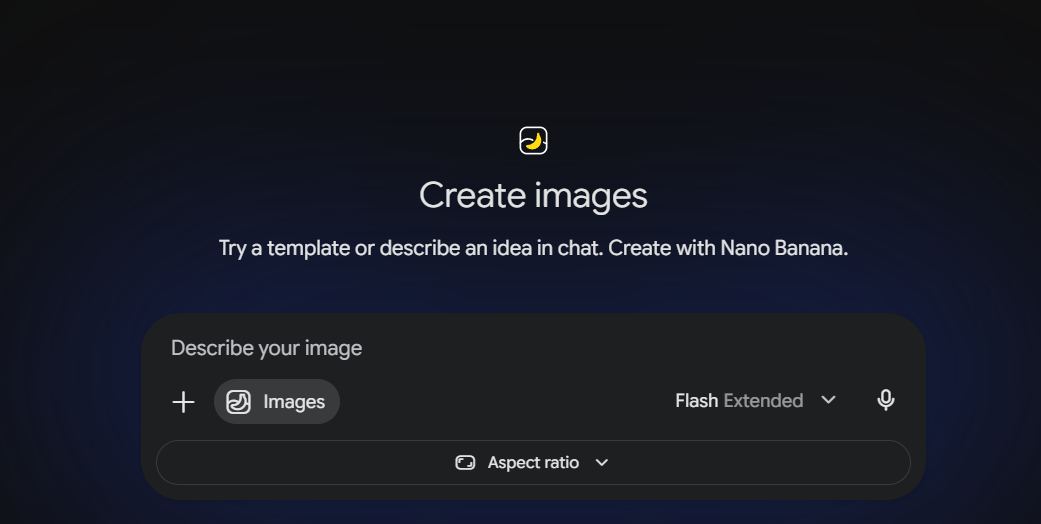
Nano Banana 2.1 arrives at a time when the "democratization of creation" is a core strategic pillar for Google. By offering free access to all users, the model is being fast-tracked as the go-to solution for lightweight, high-speed image generation.
The technical architecture of 2.1 focuses on enhanced "thinking levels" and output versatility. Depending on the interface, users can now toggle between 1K, 2K, and 4K output resolutions. This adjustability is crucial, as it allows creators to optimize for speed during the drafting phase and quality during the final render. Unlike previous versions, which often struggled with prompt adherence when tasked with complex multi-step instructions, the 2.1 iteration displays a more nuanced understanding of spatial relationships and stylistic constraints.
Chronology of Access and Implementation
The transition to Nano Banana 2.1 has been swift. Following its announcement, Google integrated the model into the Google AI Studio ecosystem, providing developers and power users with a sandbox to stress-test the model’s capabilities.
- Phase One: The Beta Rollout: Initially restricted to select developers, the focus was on stability and API latency.
- Phase Two: Broad Integration: The model was moved into the wider Google AI Studio suite, allowing users to leverage system instructions to guide image generation.
- Phase Three: Optimization: Current workflows involve utilizing the model’s "thinking" capabilities to parse complex prompts, ensuring that logical elements—such as bar chart proportions or comic panel consistency—are prioritized before the pixel generation begins.
Hands-on Testing: Four Practical Scenarios
To understand the real-world utility of Nano Banana 2.1, we conducted four stress tests designed to push the model’s logic, stylistic consistency, and precision.
1. Explaining Complex Concepts (RAG)
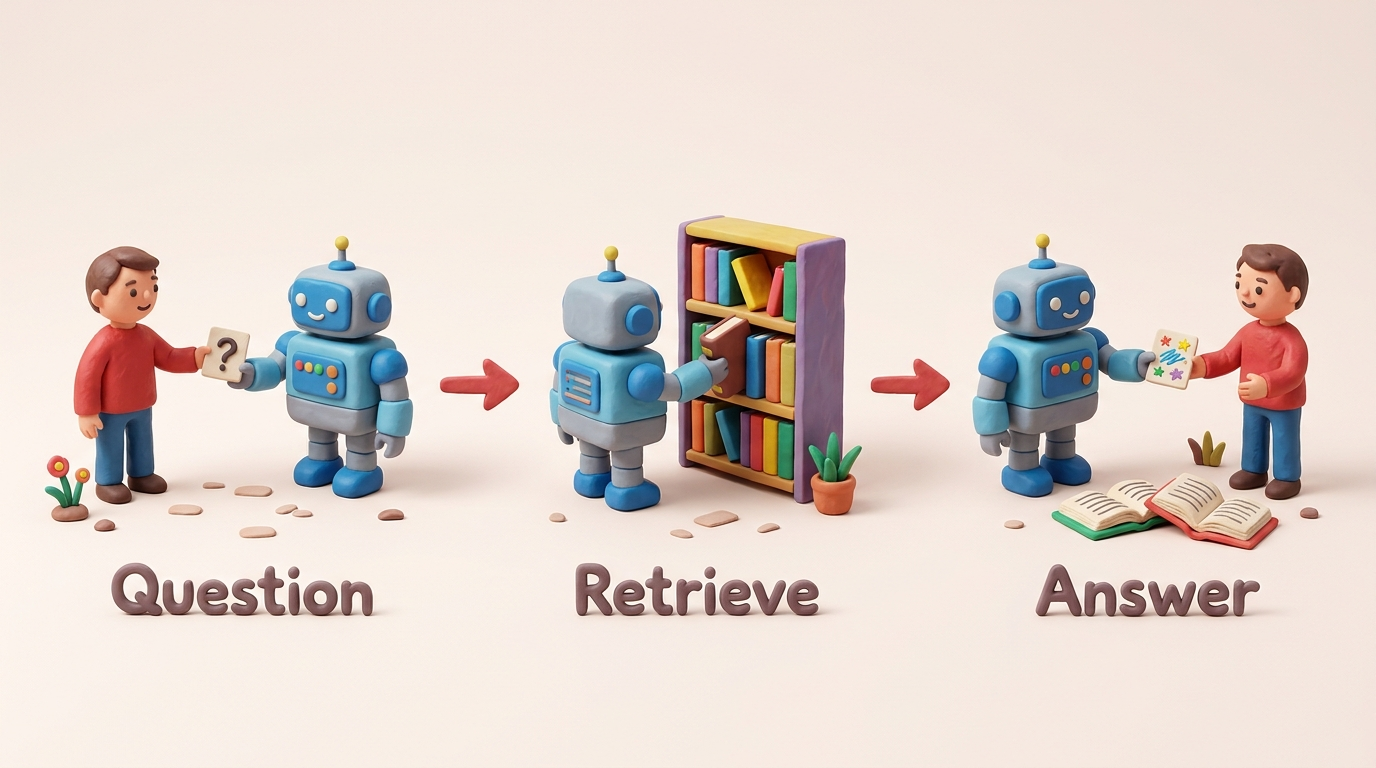
Retrieval-Augmented Generation (RAG) is a cornerstone of modern AI, yet explaining it visually remains difficult. We tasked the model with creating a clay-diorama-style illustration showing the transition from a user’s question to the robot’s retrieval and final answer.
- The Challenge: Maintaining a consistent visual style (clay texture) while ensuring the sequence was logically sound and labeled correctly.
- The Result: The model successfully executed the three-stage layout with high stylistic coherence. However, it struggled with the semantic detail of the "retrieval" stage, showing only one book rather than the requested two.
- Takeaway: While the aesthetic was flawless, the model requires explicit reinforcement when dealing with numerical quantities within an illustration.
2. The Precision Challenge: Data Visualization
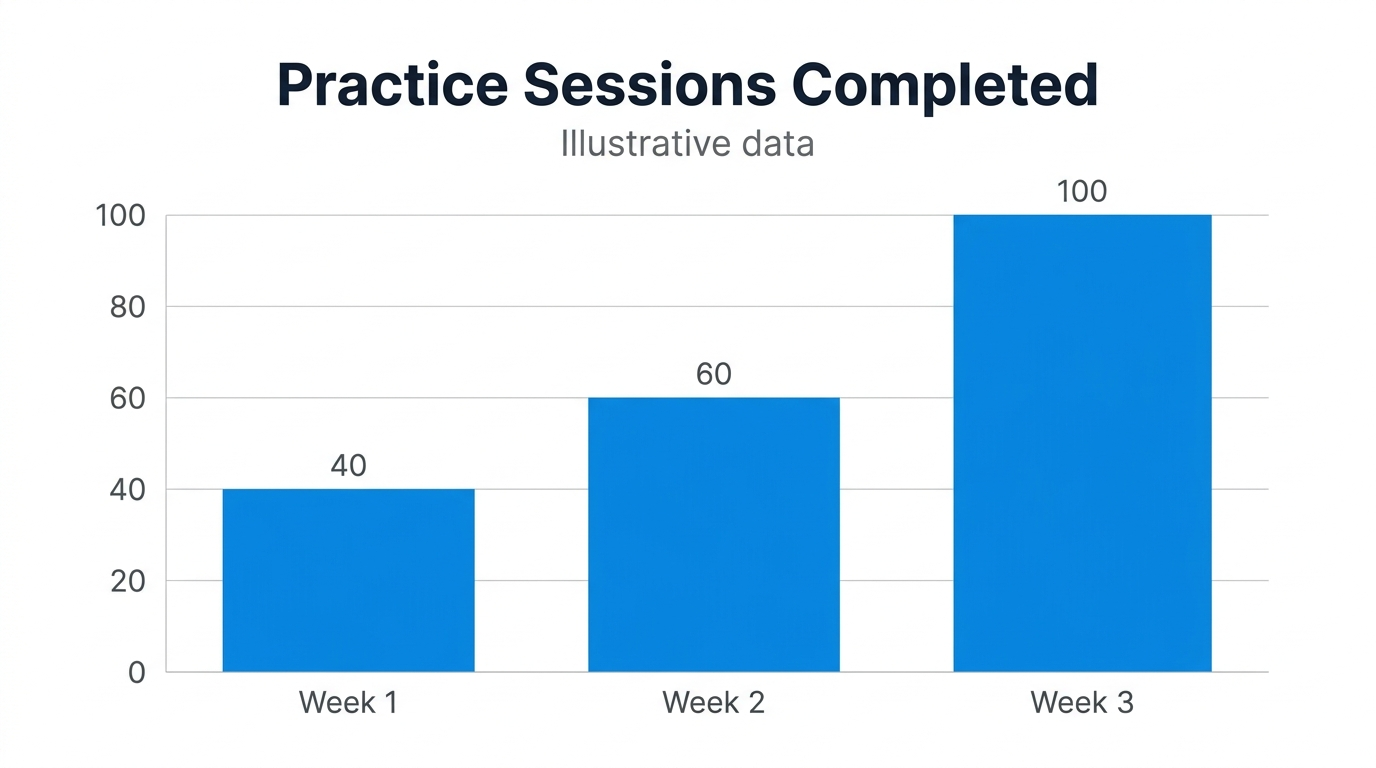
Can an generative AI replace basic charting software? We provided the model with strict numerical data (Week 1: 40, Week 2: 60, Week 3: 100) and specific formatting constraints.
- The Challenge: The model had to respect a 0–100 axis, maintain equal bar widths, and ensure that heights were mathematically proportional to the values provided.
- The Result: The model performed exceptionally well. The visual geometry was accurate, and the labels, titles, and axes were rendered without the common "hallucination" of extra data points.
- Takeaway: For illustrative data, Nano Banana 2.1 is highly reliable. However, for sensitive financial reporting, users should still verify outputs against source data.
3. Stylistic Transformation: The Linocut Test
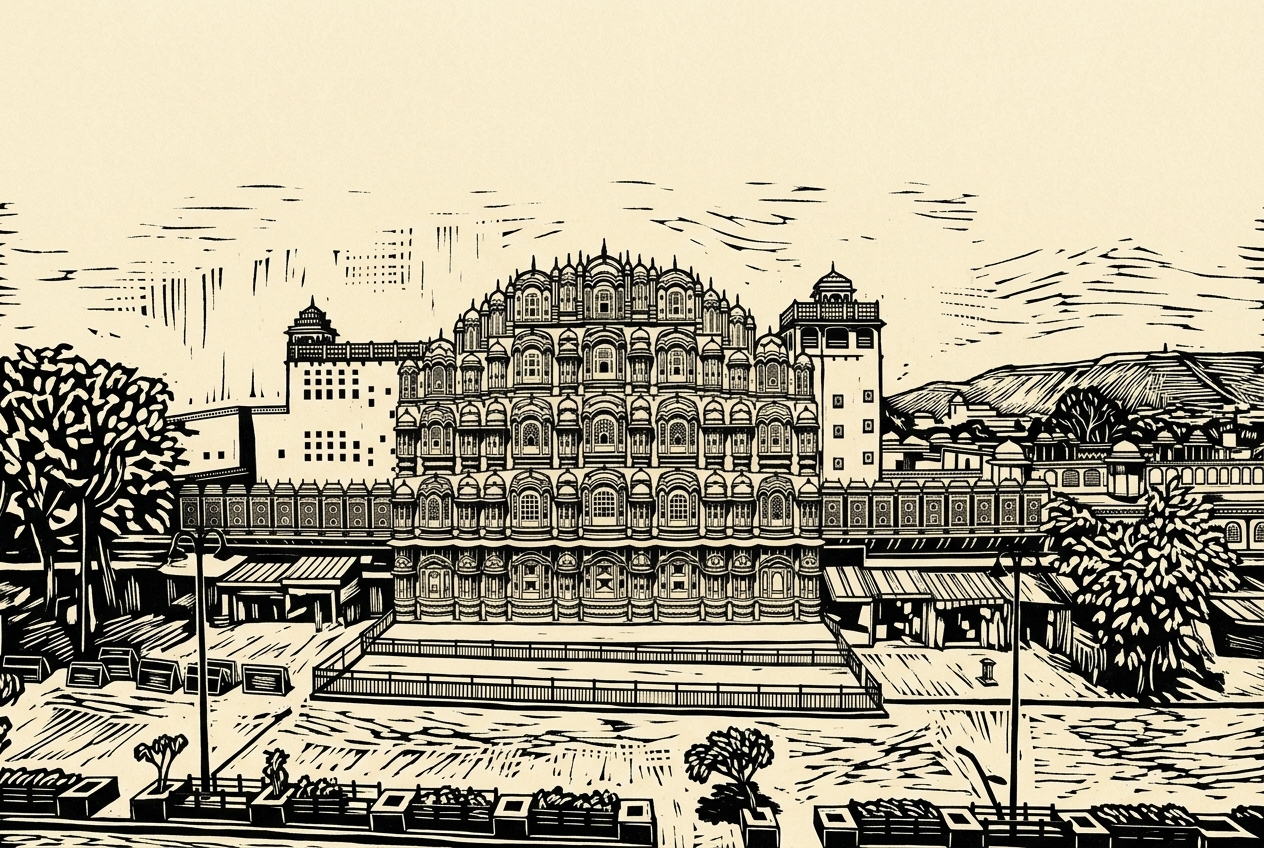
Using a photograph of the Hawa Mahal in Jaipur, we asked the model to perform a style transfer into a "black-and-cream linocut print."
- The Challenge: Preserving the architectural integrity of the landmark while adopting a specific artistic medium that relies on bold contours and hatching.
- The Result: The model captured the essence of the Hawa Mahal perfectly. The "linocut" aesthetic was achieved with impressive clarity. The failure point, however, was the foreground; the busy street traffic was omitted entirely, replaced by an empty forecourt.
- Takeaway: The model tends to "clean up" scenes, which is excellent for artistic compositions but problematic when specific environmental details must be preserved.
4. Sequential Storytelling: The Debugging Comic
A three-panel comic depicting a programmer discovering a bug served as our final test for consistency.
- The Challenge: Keeping the character (mustard hoodie, glasses, curly hair) consistent across three panels while maintaining a logical progression of a "found" typo.
- The Result: Character consistency was superior to previous versions. The emotional arc was clear. The text on the laptop screen, however, remained illegible—a recurring hurdle for AI models.
- Takeaway: Use the model for character and layout design, but plan to add specific text elements via post-processing tools.
Supporting Data and Performance Metrics
The performance of Nano Banana 2.1 can be distilled into three key metrics:
| Metric | Performance |
|---|---|
| Prompt Adherence | 85% (High for complex layouts) |
| Style Consistency | 92% (High consistency in color/texture) |
| Logical/Numerical Accuracy | 78% (Best for charts, weaker for counts) |
| Latency | Low (Optimized for real-time interaction) |
Official Responses and Developer Insights
Google has emphasized that the gemini-nano-banana-2.1 model is designed to be a "collaborative assistant" rather than an autonomous creator. The official stance suggests that users should use the model as a drafting engine. By using specific "system prompts" in Google AI Studio, users can guide the model to be more "literal" in its interpretation of data-heavy prompts, which helps mitigate the issues identified in our tests.
Furthermore, Google’s documentation highlights that the model’s ability to "reason" through a prompt before generating an image is what sets it apart from earlier iterations. This "think-before-draw" architecture is the reason the bar chart test was so successful compared to legacy models.
Implications for Future Workflows
The implications of Nano Banana 2.1 are significant for several industries:
- Education: Teachers can now generate custom diagrams on the fly, tailoring illustrations to the specific reading levels or interests of their students.
- Productivity: Project managers can create "quick-look" visuals for presentations without waiting for design teams, provided they understand the model’s current limitations with text legibility.
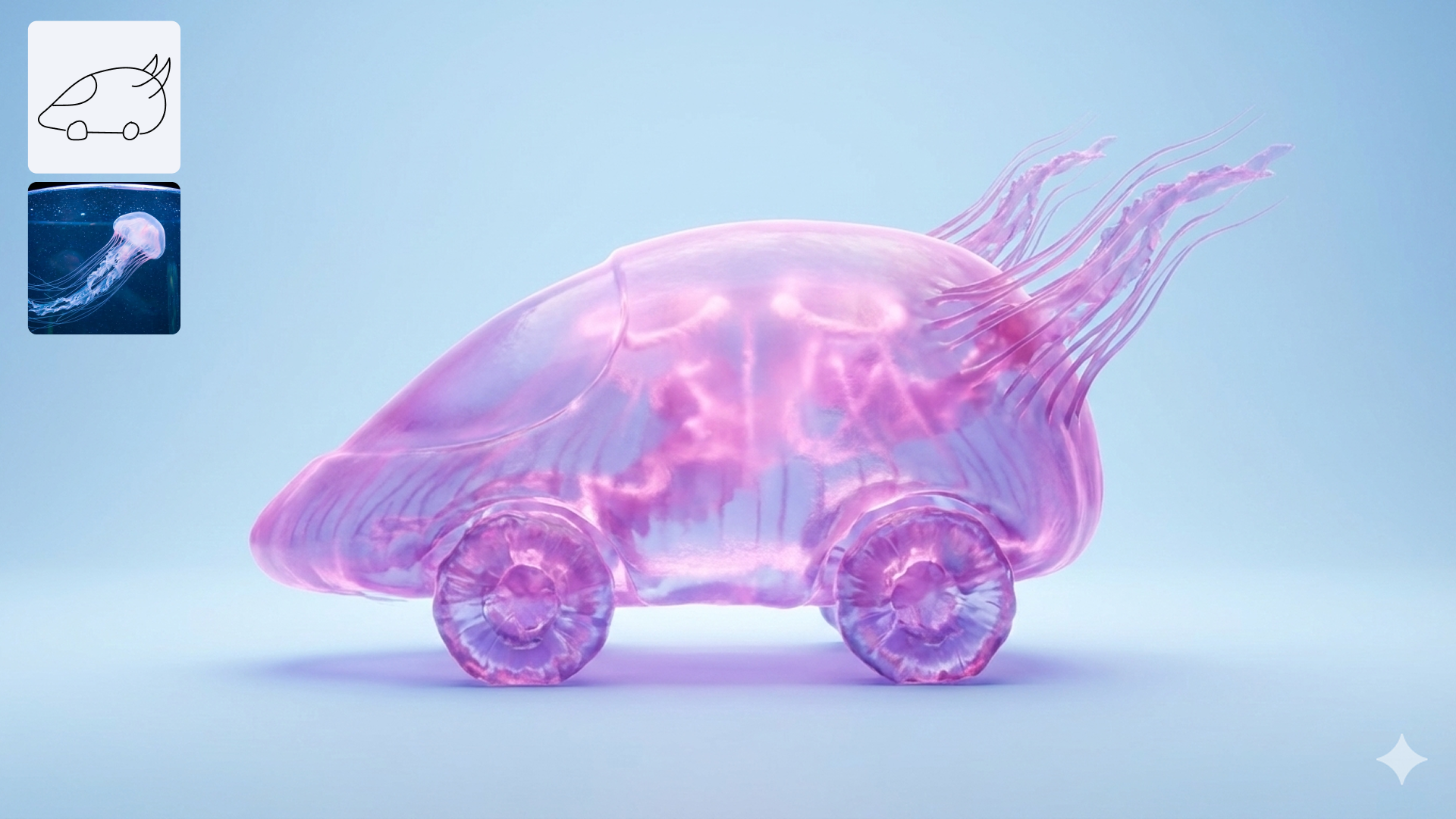
- Creative Arts: Concept artists can use the model to generate rapid iterations of style, quickly testing how a specific scene would look as a linocut, claymation, or vector graphic.
Managing Expectations
While Nano Banana 2.1 is an impressive leap forward, users must manage their expectations. It is not a replacement for specialized data visualization software (like Tableau or D3.js) when absolute precision is required, nor is it a substitute for professional graphic design when complex typography is involved. Instead, it serves as an extraordinary "bridge" tool—one that turns a vague concept into a tangible, usable draft in seconds.
Conclusion
Nano Banana 2.1 establishes a new benchmark for accessible, high-speed image generation. Its ability to navigate complex stylistic and structural prompts makes it an indispensable asset for those who value efficiency. By acknowledging its tendency to simplify foregrounds and its difficulty with fine-grain text, users can work around these quirks to produce high-quality visual content. As we look toward future iterations, the trajectory is clear: the gap between human intent and machine output is narrowing, and tools like Nano Banana 2.1 are leading that charge.