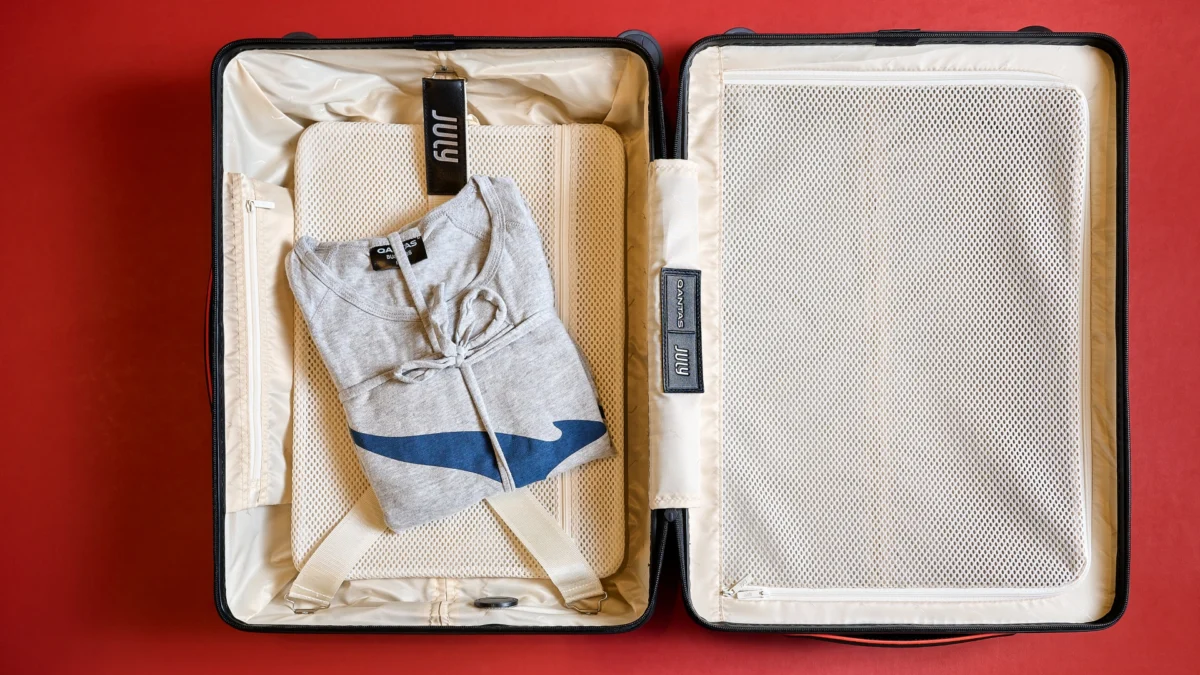
Australian premium luggage brand July is making a bold play to redefine the relationship between travel retailers and their customers. With the launch of its new "July Frequent Flyers" rewards program, the Melbourne-born company is aiming to solve a fundamental retail dilemma: how to drive repeat engagement in a category defined by long purchase cycles. As the brand eyes the lucrative Christmas shopping rush, this strategic shift marks a significant evolution in its growth trajectory.
The Challenge of the "Once-in-a-Lifetime" Purchase
For most consumers, a high-quality suitcase is a durable good—a product bought once every few years rather than every few months. This "low-frequency" purchase cycle has historically made it difficult for luggage brands to maintain brand saliency and drive sustained revenue.
July co-founder Athan Didaskalou candidly acknowledged this hurdle in comments provided to SmartCompany, noting that the primary challenge for the brand has always been encouraging repeat business when the core product is built to last. By launching the July Frequent Flyers program, the company is attempting to transform the transaction-based relationship into an ecosystem of ongoing engagement.
The strategy is clear: if the brand cannot rely on the immediate repurchase of a carry-on, it must broaden the scope of its catalog and reward customers for every touchpoint, from accessories to secondary travel items.
How the July Frequent Flyers Program Works
The structure of the July Frequent Flyers program is designed to gamify the travel retail experience. At its core, the program operates on a straightforward earn-and-redeem model:
- Point Accumulation: Customers earn one point for every dollar spent across the brand’s entire suite of products, including its signature hard-shell suitcases, weekend bags, packing organizers, and travel accessories.
- Tiered Rewards: The program introduces membership tiers, which act as a hook for high-value customers. As users climb these tiers, they unlock "points multipliers," effectively increasing the rate at which they earn rewards.
- Experiential Benefits: Beyond simple discounts, the higher tiers offer VIP service and free express shipping. These perks are specifically designed to cater to frequent travelers—the brand’s core demographic—who value speed and logistical convenience.
By incentivizing the purchase of smaller, lower-cost items like travel organizers or tech cases, July is effectively "filling the gaps" in the customer journey, ensuring that the brand stays top-of-mind between major luggage upgrades.
Chronology: From Digital Disruptor to Retail Powerhouse
To understand why July is launching this loyalty program now, it is necessary to look at the brand’s meteoric rise over the past few years.
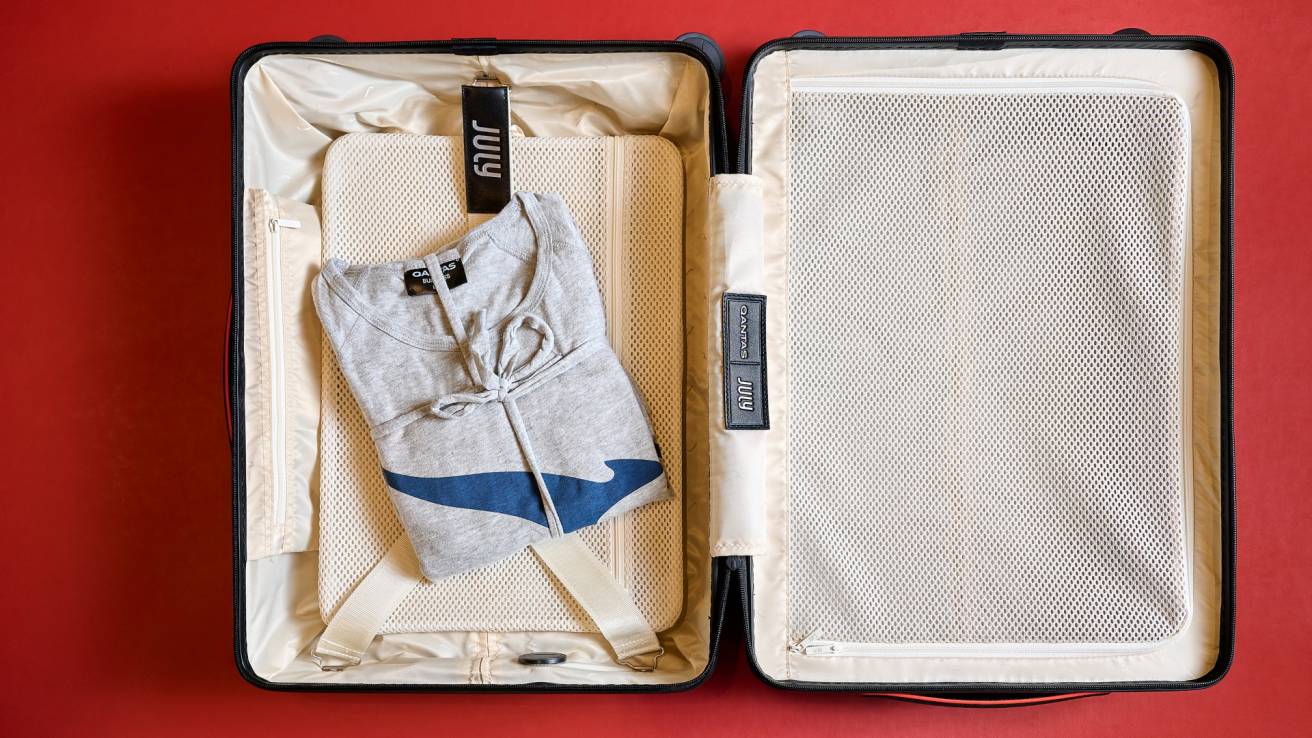
- The Early Years: July entered the market with a direct-to-consumer (DTC) model, emphasizing sleek, minimalist design and durable materials. It quickly gained traction by offering a premium alternative to legacy luggage brands at a more accessible price point.
- Physical Expansion: Recognizing that digital-only engagement has its limits, July moved aggressively into physical retail. The recent opening of its flagship Melbourne store—which management has explicitly described as a move to "give Mecca a run for its money"—signals a pivot toward an immersive, "lifestyle" brand identity.
- Product Diversification: Parallel to its retail expansion, July significantly broadened its product range. The company moved beyond hard-shell luggage to include soft-sided bags, travel-specific apparel, and high-end accessories.
- The Current Milestone: The launch of the loyalty program serves as the "glue" that binds these diverse initiatives together. It is the culmination of a multi-year effort to build a vertical brand that owns the entire travel experience.
Supporting Data: Why Loyalty Matters in Modern Retail
The shift toward loyalty programs is a broader trend in the Australian retail landscape. According to industry data, brands that implement tiered loyalty structures see a marked increase in customer lifetime value (CLV).
In the context of the travel industry, the timing is strategic. Post-pandemic travel sentiment remains high, with Australian consumers prioritizing "revenge travel" and premium experiences. However, the retail sector is facing increased inflationary pressure and a cautious consumer. By offering a rewards program, July is not just incentivizing purchases; it is providing a sense of "value-add" that differentiates it from competitors who may be stuck in a price-war cycle.
Furthermore, the data suggests that for brands in the "premium-attainable" segment, the cost of acquiring a new customer is significantly higher than the cost of retaining an existing one. By capturing data through the loyalty program, July gains a competitive advantage in predictive analytics, allowing them to personalize marketing efforts based on individual travel habits.
Official Stance: A Focus on the Customer Journey
While the brand has not released specific internal targets for the program, the messaging from leadership is focused on long-term retention.
"The challenge has always been the frequency of purchase," Didaskalou noted. By rewarding customers for the "ecosystem" of travel—the packing cubes, the chargers, the weekenders—July is creating a feedback loop. Every time a customer travels, they are reminded of the brand. Every time they purchase an accessory, they earn points toward their next major luggage piece. It is a psychological play that positions July not as a one-off purchase, but as an essential travel companion.
Implications for the Competitive Landscape
The launch of July Frequent Flyers will likely force competitors—both legacy brands like Samsonite and newer DTC challengers—to reassess their own customer retention strategies.
1. Increased Competitive Pressure
As July deepens its relationship with its existing base, the "switching cost" for a customer increases. A traveler who has accumulated significant points in the July ecosystem is statistically less likely to defect to a competitor, even if that competitor offers a similar price point.

2. The Retail "Lifestyle" War
July’s ambition to challenge retail giants like Mecca suggests that they are not just competing in the luggage category. They are competing for "share of wallet" in the lifestyle and fashion space. If they successfully turn their stores into destination hubs, the loyalty program will act as the primary incentive for visitors to sign up and become brand advocates.
3. Data-Driven Personalization
With the launch of the loyalty program, July will possess a goldmine of consumer data. They will know not just what their customers buy, but how often they travel and what their preferred travel accessories are. This allows for hyper-targeted marketing. For instance, a customer who buys a carry-on might be targeted with a promotion for packing cubes three months later, just as they are likely planning their next trip.
Conclusion: A Future-Proofing Strategy
The July Frequent Flyers program is more than just a marketing gimmick; it is a vital piece of infrastructure for a brand looking to transition from a high-growth startup to an established retail pillar.
By addressing the inherent limitation of the luggage purchase cycle, July is successfully building a platform that rewards loyalty, encourages cross-selling, and deepens brand affinity. As the holiday shopping season approaches, this program will likely prove to be a significant driver of revenue, helping the brand capture the attention of both new holiday shoppers and returning loyalists.
In an increasingly crowded market, where products are often commoditized, July is betting that the path to victory lies in the customer relationship. By making the brand a part of the traveler’s ongoing journey—rather than just the object they carry—they have set a new standard for how luggage companies should operate in the 21st century. Whether this program can sustain long-term engagement remains to be seen, but the initial strategy is a clear signal that July is playing a long game.