By Tech Insights Bureau
Updated: October 11, 2026
Apple is poised to make its most aggressive foray into the smart home market to date. According to reporting by Bloomberg’s Mark Gurman, the Cupertino-based tech giant is scheduled to announce a brand-new smart home hub, the "HomeView," this coming Tuesday. This launch represents a pivotal shift for Apple, moving beyond the peripheral role its HomeKit framework and HomePod speakers have played in the industry, and toward a centralized, hardware-first ecosystem strategy.
The HomeView is expected to be more than just an iteration of existing smart home controllers; it is being positioned as the nerve center for the modern connected home.
The Core Product: Meet the HomeView
The HomeView device is designed to bridge the gap between simple voice assistants and complex home management systems. At its core, the device will be powered by Apple’s A18 chip—the same high-performance silicon found in its latest mobile handsets—ensuring that the device can handle sophisticated on-device processing.
Perhaps most significantly, the HomeView will feature an integrated display, marking a departure from the screenless HomePod experience. This design choice is intended to provide a visual interface for managing security cameras, smart lighting, thermostats, and other IoT (Internet of Things) peripherals.
According to industry leaks, the device will launch in two distinct form factors:
- The Countertop Model: Designed for kitchen islands, desks, or nightstands, this version will likely serve as a portable hub for family schedules, video calls, and media playback.
- The Wall-Mounted Model: Targeting a more permanent installation, this version aims to compete with high-end wall-mounted home automation panels, acting as a fixed command center for the home’s infrastructure.
By integrating the A18 chip, Apple is ensuring that the HomeView remains responsive and capable of handling local AI tasks, a necessary feature for privacy-conscious users who prefer their smart home data to remain off the cloud whenever possible.
A Chronology of Apple’s Smart Home Journey
Apple’s path to the HomeView has been anything but a straight line. The company’s history in the smart home space has been characterized by high-quality hardware that struggled to gain significant market share against incumbents like Amazon’s Echo and Google’s Nest.
- 2014: Apple announces HomeKit, a framework designed to unify smart home devices under a single, secure umbrella. While highly secure, the barrier to entry for manufacturers was high, leading to a slow rollout of compatible devices.
- 2018: The original HomePod is released. While praised for its exceptional audio fidelity, its price point and limited Siri functionality made it a niche product compared to the ubiquity of lower-cost, feature-rich smart speakers.
- 2021-2023: Recognizing the limitations of its strategy, Apple begins restructuring its home services division. Reports surface during this time regarding internal debates on whether to focus on audio, visual, or screen-based hardware.
- 2025: A major setback occurs when reports emerge that the "Apple smart home hub" project faced significant delays. Sources indicated that the primary culprits were the integration of advanced Siri capabilities and the challenges of creating a seamless user experience that could compete with existing tablet-based interfaces.
- October 2026: Apple confirms its intent to shift gears, announcing partnerships with LG for smart hardware and preparing for the HomeView launch.
Supporting Data and the Ecosystem Expansion
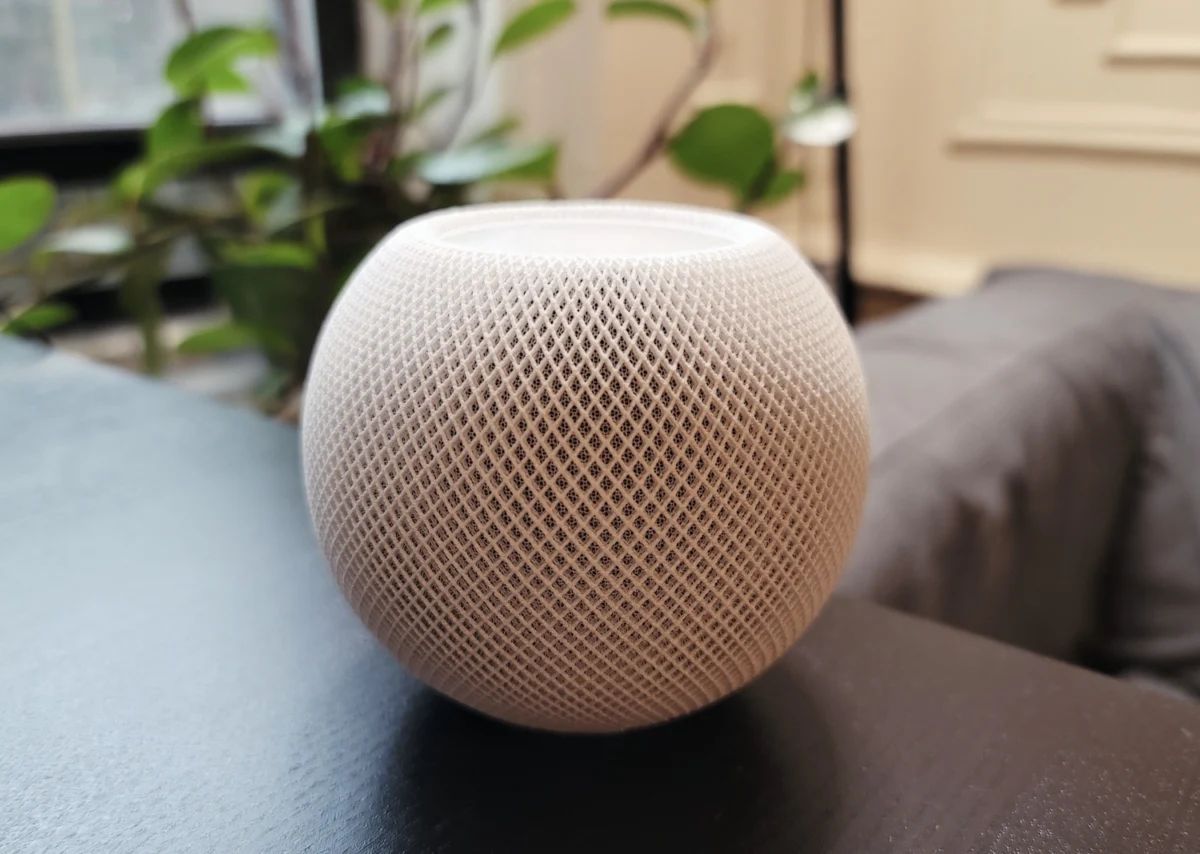
The HomeView launch does not exist in a vacuum. On Tuesday, Apple is expected to announce a multi-pronged update to its home strategy. Alongside the HomeView, the company will unveil refreshed versions of the Apple TV set-top box and the HomePod mini. These updates are intended to ensure that all Apple hardware speaks the same language, creating a "walled garden" that is increasingly difficult for users to leave once they are invested.

Perhaps most intriguing is the reported partnership with LG. By collaborating with a titan in home appliances, Apple is signaling that it wants to move beyond software-based interoperability into deep, hardware-level integration. The partnership will reportedly produce:
- Smart Locks: Featuring deep integration with Apple Wallet and FaceID.
- Smart Thermostats: Leveraging Apple’s machine learning to optimize energy consumption based on user habits.
- Advanced Doorbells: Utilizing high-definition cameras with on-device object recognition, likely powered by the same neural engine tech found in the iPhone 18.
This strategy suggests that Apple is finally embracing a "full-stack" approach. Rather than asking users to cobble together devices from ten different manufacturers, Apple aims to offer a unified, "it just works" experience.
Official Responses and Industry Outlook
While Apple has not yet issued a formal press release—as the announcement is expected on Tuesday—the tech community has reacted with cautious optimism. Analysts note that Apple’s primary challenge remains the "price-to-utility" ratio.
"Apple has always excelled at creating premium hardware," says industry analyst Sarah Jenkins. "The challenge for the HomeView isn’t whether the hardware will be good—it undoubtedly will be—but whether it can offer enough value to convince a consumer to pay a premium for a smart home hub when they already own a tablet and a smartphone that can perform many of the same functions."
The market for smart home devices is currently dominated by Amazon and Google, both of which have been aggressive in discounting their hubs to achieve maximum penetration. Apple’s challenge is to pivot from being a "luxury" smart home brand to an "essential" one.
Strategic Implications: Why Now?
Why is Apple pushing into the smart home so heavily in late 2026? The answer lies in the shifting landscape of artificial intelligence. With the maturation of large language models, the home is becoming the next battleground for AI deployment.
- Siri’s Renaissance: For years, Siri has been criticized for being less capable than its competitors. By putting the A18 chip inside the HomeView, Apple is essentially offloading heavy AI compute to the device itself. This allows for a faster, more "conversational" Siri that can process complex, multi-step requests without needing to reach out to the cloud.
- Privacy as a Differentiator: Apple is leaning heavily into its "privacy first" reputation. As consumers become increasingly wary of voice assistants that listen to every conversation to serve ads, Apple’s model—processing requests locally—becomes a massive competitive advantage.
- Cross-Device Continuity: The "Handoff" feature, which allows users to move media from their iPhone to their HomePod, is being expanded. The HomeView will act as the anchor point for this, allowing users to seamlessly transition their digital lives from the car to the office and finally to the living room.
Conclusion: A Turning Point?
The announcement on Tuesday will be the most significant test of Apple’s influence in the home since the launch of HomeKit. The HomeView represents an admission that software alone is not enough; the user experience must be anchored in high-performance, dedicated hardware.
If the HomeView succeeds, it could turn the fragmented smart home market into a more cohesive, secure, and user-friendly ecosystem. If it fails, it may force Apple to reconsider its role in the home entirely. For now, all eyes are on Cupertino as they prepare to unveil what they hope will be the center of the modern home. The transition from "gadget" to "infrastructure" is underway, and for Apple, the stakes have never been higher.