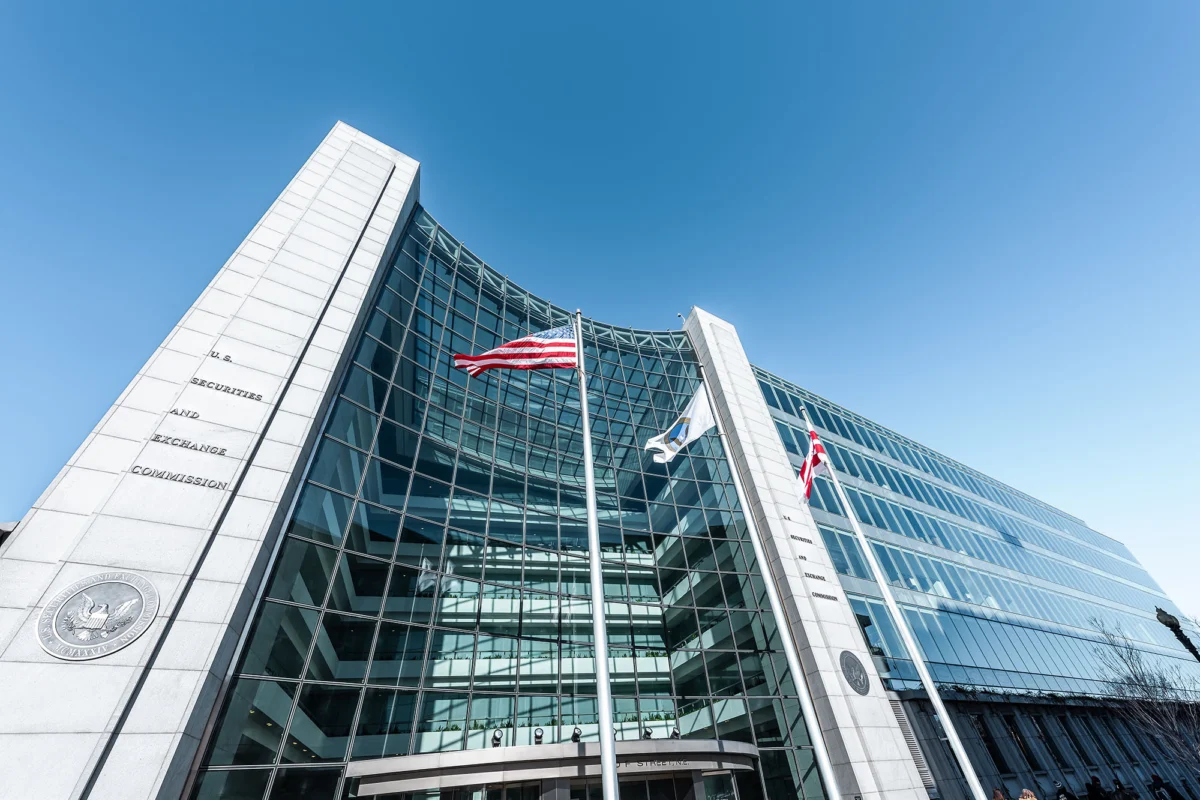
In a significant move that underscores the tightening scrutiny of the financial services sector, American Express has been hit with a substantial $350 million civil monetary penalty. The Office of the Comptroller of the Currency (OCC) and the U.S. Federal Reserve Board (FRB) simultaneously announced enforcement actions against the credit card giant, citing systemic deficiencies in the bank’s Bank Secrecy Act (BSA) and anti-money laundering (AML) compliance programs.
The October 8, 2026, announcement marks one of the most high-profile regulatory rebukes of a major financial institution in recent years, signaling that federal regulators are moving beyond mere warnings to aggressive enforcement. The OCC’s cease-and-desist order mandates a comprehensive overhaul of how American Express National Bank, headquartered in Sandy, Utah, manages its risk, monitors transactions, and reports suspicious activities.
The Core Allegations: A Failure of Oversight
The primary issue at the heart of the enforcement action is the bank’s failure to establish and maintain a compliance program that is "reasonably designed to assure and monitor compliance" with the Bank Secrecy Act. The BSA is the cornerstone of the U.S. government’s efforts to combat money laundering, terrorist financing, and other illicit financial activities.
Regulators argued that American Express’s internal controls had become inadequate to keep pace with the evolving nature of global financial crime. Specifically, the OCC noted that the bank failed to implement sufficient internal controls to detect, monitor, and report suspicious activity across its vast global network. While the bank is a household name for consumer credit, its operations involve complex merchant acquiring and card-processing ecosystems that require robust, automated, and real-time oversight. According to federal authorities, those systems were found wanting.
Chronology of Regulatory Scrutiny
To understand the weight of this penalty, one must look at the timeline of events leading up to the October 2026 announcement. While the final penalty was delivered in the fourth quarter, the investigation into American Express’s compliance culture spans several years.
Early Warning Signs (2023–2024)
During routine examinations in 2023, examiners from the OCC began flagging "pockets of weakness" in American Express’s transaction monitoring systems. At the time, the bank was reportedly in the process of scaling its digital payment infrastructure. Industry analysts suggest that the bank’s rapid expansion into digital-first payment solutions may have outpaced its compliance infrastructure.
The Formal Investigation (2025)
By early 2025, the OCC and the Federal Reserve transitioned from standard supervisory feedback to formal investigation. This period saw a significant increase in data requests from regulators, focusing specifically on how the bank performed "Know Your Customer" (KYC) protocols and how it filtered transactions for potential sanctions violations.
The Enforcement Action (October 8, 2026)
On October 8, the regulators reached their breaking point. The issuance of the cease-and-desist order, coupled with the $350 million penalty, signaled that the bank’s remediation efforts during 2025 were deemed insufficient. The order essentially forces the bank to submit to a period of heightened supervision, requiring third-party audits and board-level reporting on compliance progress.
Supporting Data: The Cost of Non-Compliance
A $350 million penalty is not just a financial line item; it is a reputational blow. To put this into perspective, we must examine the cost of maintaining a modern AML program versus the cost of failing one.
- Financial Impact: Beyond the $350 million penalty, the bank is now incurring massive "remediation costs." These include hiring external consultants, upgrading legacy software, and increasing the headcount within their compliance and risk departments. Estimates from market analysts suggest the total cost of this enforcement action—when factoring in operational expenses and potential lost business—could exceed $600 million over the next two years.
- The Scope of Operations: American Express processes trillions of dollars in transactions annually. Even a 0.01% gap in monitoring efficiency can lead to billions of dollars in "unmonitored" flow, which is precisely what the regulators are targeting. The bank’s footprint, which includes millions of merchants globally, makes it a prime target for illicit actors seeking to "layer" or "integrate" illicit funds into the banking system.
- Peer Comparisons: This penalty places American Express in a tier with other major institutions that have faced similar BSA/AML challenges. Historically, banks that fail to rectify these issues within the timeline set by a cease-and-desist order face "Tier 2" enforcement, which can include limits on growth or the suspension of new product launches.
Official Responses and Remediation
In the wake of the enforcement action, the mood at American Express headquarters has been one of cooperation and commitment to change.
The Bank’s Stance
In a public filing, American Express acknowledged the shortcomings identified by the OCC and the Federal Reserve. A spokesperson for the company stated: "We are committed to maintaining the highest standards of compliance. We have already taken significant steps to bolster our AML/BSA programs, including investing in new technology, enhancing our data analytics capabilities, and expanding our team of compliance professionals. We are working closely with our regulators to ensure all requirements of the cease-and-desist order are met."
The Regulatory Perspective
The OCC, in its official statement, was pointed in its assessment. "Effective AML programs are essential to the integrity of the financial system," the regulator noted. "When a bank of this size fails to meet its obligations, it creates systemic risk. Our enforcement action is a direct reflection of the severity of these gaps and our expectation that the bank’s board of directors takes immediate, corrective action."
The Strategic Implications for the Financial Sector
This enforcement action serves as a "shot across the bow" for the entire financial industry. There are several broader implications to consider:
1. The Death of Legacy Compliance
The days of "check-the-box" compliance are over. The regulators’ emphasis on a program being "reasonably designed" suggests that they are no longer satisfied with static, rule-based systems. They are now demanding AI-driven, adaptive systems that can predict new patterns of money laundering. Financial institutions must now treat their AML systems as core technology products rather than administrative burdens.
2. Heightened Board Responsibility
The cease-and-desist order places a heavy burden on the Board of Directors of American Express. By mandating board-level reporting, regulators are ensuring that "compliance" is no longer delegated to a mid-level department. The Board is now legally accountable for the bank’s ability to police itself. This trend is likely to influence how other financial institutions structure their risk management committees.
3. The Cost of Rapid Scaling
The American Express case demonstrates the dangers of scaling faster than one’s regulatory infrastructure. As banks rush to compete with fintech startups and digital payment providers, the pressure to cut corners in customer onboarding and transaction monitoring is immense. This case serves as a warning that speed to market must be balanced with the capacity to monitor risk.
4. Continued Scrutiny of Global Operations
Given that American Express operates globally, the OCC’s action is likely to have ripple effects in other jurisdictions. International regulators—such as the Financial Conduct Authority (FCA) in the U.K. or the European Central Bank (ECB)—often coordinate with U.S. regulators. If American Express’s U.S. operations were found to be deficient, it is highly probable that other global regulators will launch their own local investigations into the bank’s cross-border compliance practices.
Conclusion: A Turning Point for Compliance
The $350 million penalty assessed against American Express is more than just a fine; it is a pivot point for the industry. It signals that in the age of high-frequency, globalized finance, the burden of proof for "compliance" is constantly rising.
For American Express, the path forward is clear: it must move quickly to modernize its infrastructure, demonstrate a cultural shift toward proactive risk management, and satisfy the rigorous reporting requirements imposed by the OCC and the Federal Reserve. For the rest of the financial sector, the lesson is equally clear—compliance is no longer a peripheral cost of doing business, but the very foundation upon which the privilege of participating in the global financial system rests. As digital threats evolve, so too must the regulatory defenses that keep the global economy secure. Whether the bank can successfully navigate this period of "heightened supervision" will be a key story for the industry in the coming years.