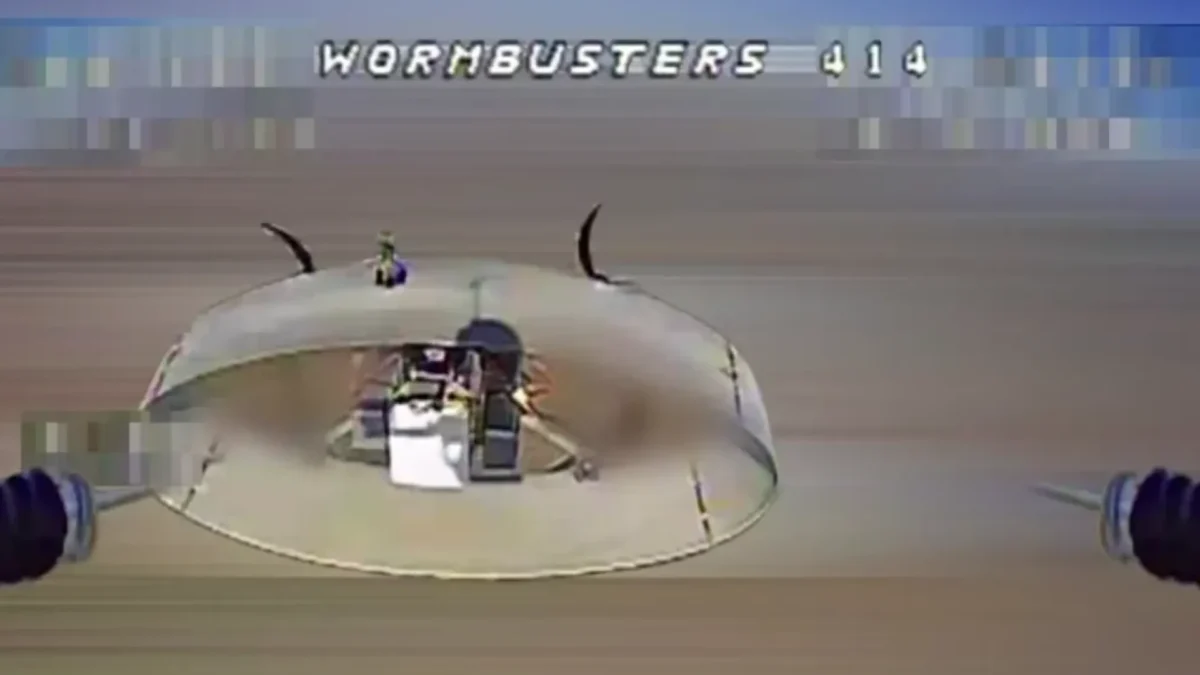
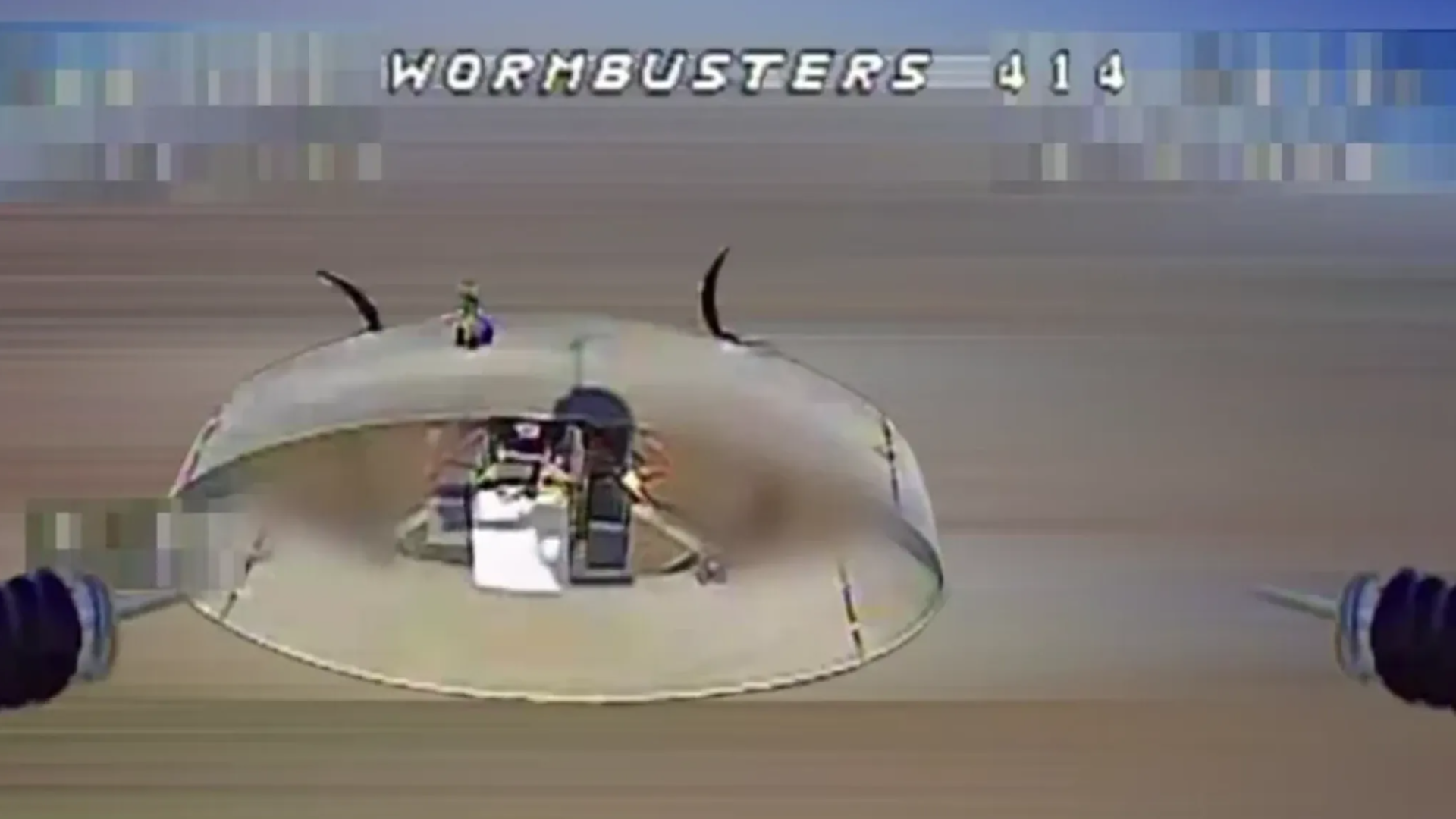
In the increasingly complex theater of the Russo-Ukrainian war, the battlefield has become a laboratory for experimental aerospace technology. On October 8, 2026, Ukrainian forces encountered a target that defied conventional aesthetic and aerodynamic expectations. Personnel from the specialized 414th "Birds of Magyar" Brigade successfully intercepted and destroyed a Russian strike drone characterized by a radical, circular-wing design. The footage, which quickly circulated among military analysts and social media observers, prompted immediate, albeit temporary, speculation regarding the origin of the craft, with many initially likening its appearance to a Unidentified Flying Object (UFO).
The destruction of the aircraft, identified as the Knyaz Vladimir Svyatoslavich (KVS), marks a significant moment in the ongoing evolution of unmanned aerial systems (UAS) in modern warfare. While the "circular-wing" design may appear futuristic, it represents a calculated attempt by Russian engineers to solve the age-old problem of balancing vertical takeoff capabilities with the energy efficiency required for long-range, horizontal flight.
Main Facts: The Anatomy of the KVS
The Knyaz Vladimir Svyatoslavich is a sophisticated strike platform developed by the Ushkuynik research center, a Russian entity focused on experimental drone technology. Unlike the standard "fixed-wing" or "multirotor" platforms that dominate the current battlefield, the KVS utilizes a continuous circular structure that encompasses its main fuselage.
Aerodynamic Innovation
The core advantage of the circular-wing configuration lies in its unique lift-to-drag ratio. Conventional multirotor drones—such as the ubiquitous quadcopters used for tactical reconnaissance and grenade drops—rely entirely on the constant, high-energy spinning of propellers to remain aloft. This method is notoriously inefficient for long-duration missions.
In contrast, the KVS design is engineered to support vertical departure—allowing it to launch from confined spaces without a runway—while transitioning into a horizontal flight mode that leverages aerodynamic lift. By using the circular wing to provide lift once forward momentum is achieved, the drone can significantly reduce power consumption, potentially extending its operational range and endurance far beyond that of standard hobbyist-grade frames. The 10-inch frame size suggests a tactical-level strike platform, likely intended to bridge the gap between short-range FPV (First Person View) kamikaze drones and medium-range surveillance assets.
Chronology of the Interception
The interception on October 8, 2026, was not a result of chance, but a product of the high-level electronic warfare and surveillance capabilities maintained by the 414th Birds of Magyar Brigade.
- Initial Detection: Ukrainian electronic surveillance systems picked up an anomalous aerial signature moving toward their positions. The unique radar cross-section created by the circular wing likely contributed to the confusion, leading operators to briefly question if the object was conventional.
- The Engagement: As the drone entered the engagement envelope, the unit utilized specialized anti-drone measures. The footage released by the Brigade captures the drone’s final moments, where its circular silhouette is clearly visible against the sky.
- Post-Action Analysis: Once downed, the wreckage was recovered for technical intelligence. The confirmation that the object was a domestically produced Russian weapon, rather than an extraterrestrial anomaly, provided a moment of dark humor for the operators. "What was that? Probably a UFO! It came out of nowhere… Oh, wait, it did fall," the unit remarked in their official communique.
Supporting Data: The Ushkuynik Ecosystem
The KVS is not an isolated development but part of a broader, diversified portfolio from the Ushkuynik research center. The manufacturer has been aggressively prototyping various unmanned systems, focusing on both strike capabilities and long-range reconnaissance.
The Knyaz Veshchiy Oleg
While the KVS is designed for strikes, the Ushkuynik stable includes the Knyaz Veshchiy Oleg, a reconnaissance-focused platform. This drone has been the subject of several Ukrainian intelligence reports since early 2026.
- Performance Metrics: Intelligence gathered by Ukrainian forces suggests that the Veshchiy Oleg is capable of operating at distances of up to 45 kilometers from its launch point.
- Endurance and Speed: With a flight duration of approximately 3.5 hours and a top speed of 130 km/h, it serves as a persistent "eye in the sky" for Russian artillery units, allowing for real-time target acquisition and adjustment of fire.
Historical Interceptions
The tracking of Ushkuynik platforms has been a priority for Ukrainian air defense and electronic warfare units:
- January 2026: A Knyaz Veshchiy Oleg was successfully neutralized by the 225th Separate Assault Regiment.
- February 18, 2026: The Dnipro-1 Regiment of the Liut United Assault Brigade intercepted another unit of the same model, demonstrating that these drones, while advanced, are vulnerable to modern electronic countermeasures and kinetic interception.
Official Responses and Tactical Implications
The appearance of the KVS has sent a ripple through the military intelligence community. The primary concern is not necessarily the "circular" shape itself, but the shift toward specialized airframes that prioritize energy efficiency for deep-strike operations.
Strategic Implications
The integration of circular-wing technology into a battlefield environment suggests that Russia is attempting to bypass the limitations of existing commercial off-the-shelf (COTS) drones. If these circular-wing platforms can achieve longer ranges with higher payloads, they could force Ukrainian air defense units to expand their coverage areas significantly.
However, the fact that the Birds of Magyar Brigade was able to identify, track, and destroy the KVS indicates that the Ukrainian military is keeping pace with Russian technological shifts. The ability to distinguish between standard quadcopters and specialized experimental platforms is a critical skill set in modern electronic warfare.
The "UFO" Phenomenon in Modern Combat
The initial misidentification of the KVS as a UFO highlights a psychological element of modern warfare. As militaries introduce increasingly exotic designs to evade detection, the "fog of war" becomes literal. Soldiers are frequently forced to make split-second decisions on whether an unknown object is a standard threat, an experimental piece of technology, or a technical glitch. The ability of the Ukrainian forces to maintain composure and successfully engage the target serves as a testament to the high degree of training within these specialized units.
Conclusion: A Future of Experimental Warfare
The interception of the KVS serves as a microcosm for the broader conflict in Ukraine. It is a war of attrition where technological innovation is rapidly iterated in the field. Every destroyed drone is analyzed, its components cataloged, and its design philosophy reverse-engineered.
As Ushkuynik and other Russian research centers continue to experiment with unconventional geometries like the circular wing, the battlefield will likely see more "anomalies." For Ukraine, the challenge remains to maintain a persistent watch, ensuring that even the most "alien-looking" threats are brought down to earth. The destruction of the KVS on October 8 was not just a successful tactical engagement; it was a clear signal that regardless of the shape or design of the incoming threat, the Ukrainian defense remains vigilant, adaptive, and prepared to neutralize the next generation of Russian aerial weaponry.
While the KVS may have momentarily caught the attention of the world with its UFO-like silhouette, its ultimate fate—lying in pieces on the Ukrainian soil—confirms that there is no mystery too great for the operators on the front lines to solve. As the war enters its next phase, the contest between experimental engineering and defensive ingenuity will undoubtedly continue to escalate, defining the future of drone warfare for years to come.