By Crystal Bell
October 11, 2026
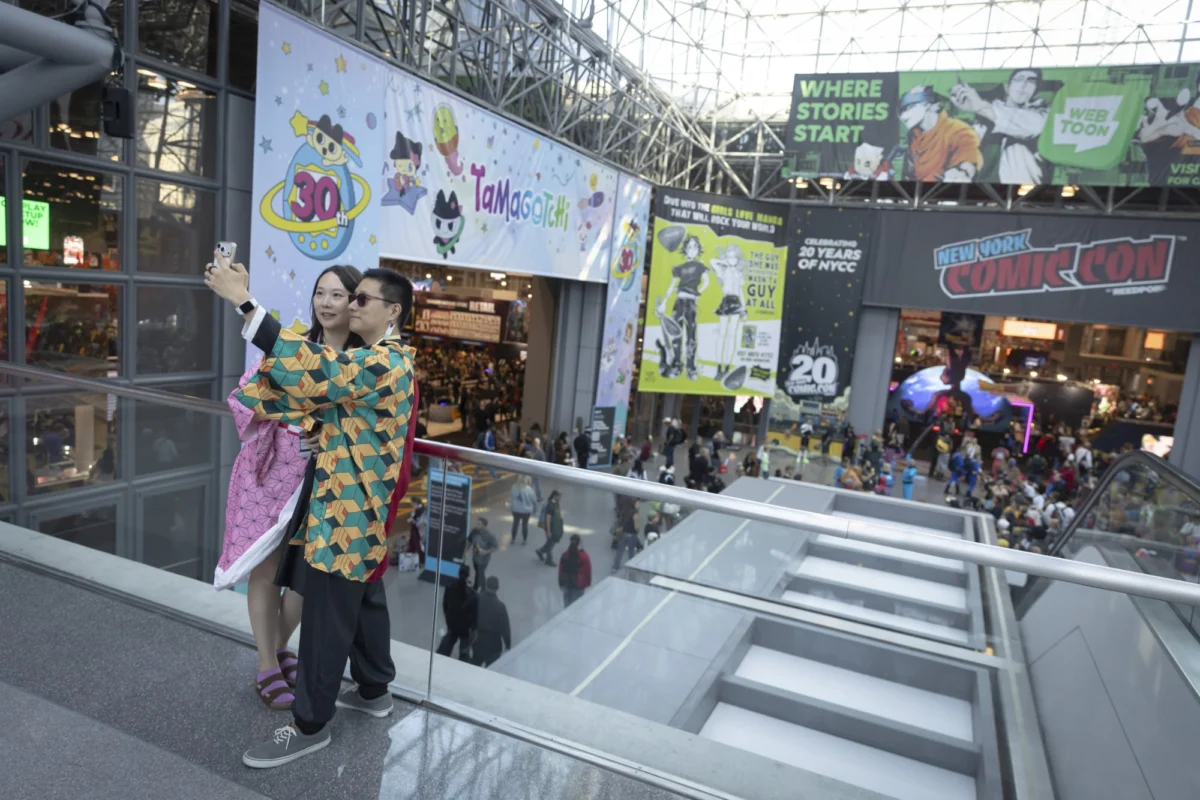
The Javits Center, long considered the hallowed ground of pop culture, is undergoing a profound architectural and philosophical evolution. For the 2026 edition of New York Comic Con (NYCC), the convention floor is no longer just a marketplace for rare collectibles or a stage for celebrity panels; it has effectively transformed into a high-octane, multi-platform content production studio.
From the dedicated creator lounges tucked away from the main thoroughfare to the meticulously designed "TikTok-ready" backdrops in the Crystal Palace, NYCC is no longer merely hosting fans—it is actively facilitating the creation of the digital media that fuels modern fandom.
The Evolution of the Convention Floor
The transition from a passive exhibition space to a proactive content hub is not an accident. It is a strategic response to the shifting landscape of entertainment, where the line between the consumer and the creator has all but evaporated. For this year’s convention, organizers leaned heavily into the aesthetics of the "feed." Towering banners celebrating everything from legacy brands like Tamagotchi to the latest in seasonal anime—such as The Apothecary Diaries and YAGA—were designed with specific camera angles in mind.

"We’re very conscious that everything we create now is a shareable moment," says Fallon Prinzivalli, Marketing Director at ReedPop, the company behind NYCC. This architectural shift recognizes that the value of the convention is no longer contained within its four walls; its true influence is measured in the millions of impressions generated by attendees who arrive with cameras, microphones, and a hunger for engagement.
A Chronology of the Shift
The seeds of this transformation were planted in the wake of the 2021 return of live events. Following the prolonged isolation of the pandemic, the power of short-form video to unite global fan communities became impossible to ignore.
- 2021: The Pilot Phase: NYCC experimented by handing over the keys to its official TikTok account to two prominent creators. The result was a watershed moment: the campaign reached over 8 million people in just four days, signaling that influencer-led content was significantly more resonant than traditional corporate marketing.
- 2022–2024: Formalization: Recognizing that digital creators were effectively the new "press," NYCC began to formalize its relationship with this cohort. The convention moved away from treating influencers as casual attendees, establishing a vetting process that balanced follower count with community impact and creative merit.
- 2026: The Integrated Ecosystem: This year, the convention reached a new zenith. The introduction of the Creator Lounge—a sanctuary equipped with high-speed, dedicated Wi-Fi, professional-grade lighting, and, crucially, a space to edit and recharge—has institutionalized the role of the creator within the convention’s operational structure.
The Creator Economy Meets Fandom
The demand for these specialized accommodations is immense. This year, the application process for creator badges reached capacity in August, with thousands of applicants vying for limited access. While the official criteria cite a threshold of 200,000 followers, the convention has increasingly prioritized "quality over quantity," looking for creators who foster genuine, high-engagement communities.
For many, the convention is a high-pressure production environment. Kallen Zborovsky-Fenster, a New York-based creator known as @king_kallen, describes the week leading up to the convention as a grueling preparation phase. "This is one of my highest priority events," he notes. His workflow—involving research, interview scheduling, and gear transport—mirrors that of a seasoned broadcast journalist.

However, the job is not without its conflicts. Creators like Caroline Martini (@newyorkcaroline) find themselves balancing the creative impulse to "capture everything" with the human desire to simply enjoy the spectacle. "When you’re making content about something you love, it can be hard to separate the enjoyment of the moment from the urge to document it," she admits. For many, the convention is a dual-purpose endeavor: part hobby, part career-defining project.
Supporting Data and the Digital Reach
The impact of this strategy is quantifiable. By embedding creators into the heart of the convention, NYCC has effectively crowdsourced its marketing and event coverage.
- Broadcast Expansion: The convention’s own livestream production has expanded to include a roaming studio in the River Pavilion. By utilizing a hybrid of traditional journalists and social media personalities—such as podcast host Brandon Davis—NYCC ensures that its content appeals to both legacy media consumers and the digital-native demographic.
- Engagement Metrics: Internal analytics from recent years show that user-generated content (UGC) from the show floor acts as a force multiplier. Every interview conducted in the creator lounge or every "day in the life" vlog posted from the Javits floor serves as an advertisement for the following year, creating a perpetual loop of FOMO (fear of missing out) that drives ticket sales.
Official Responses and Strategic Vision
According to Prinzivalli, the goal is to create a "circular relationship" between the digital and physical realms. "We started engaging with them very intentionally following the pandemic," she explains. "We wanted to give them dedicated space… in the middle of the energy."
The convention leadership acknowledges that creators are no longer just attendees; they are stakeholders. When creators like Dominique Little (@nojill), who boasts a massive following of 1.8 million on TikTok, use the lounge to collaborate, they aren’t just making videos—they are building a network. The lounge acts as a professional nexus, turning a sprawling, chaotic convention into an intimate industry event.

Furthermore, for creators like Brandon Bullock (Anime News Guy), the utility of the lounge is purely functional. In an era where news cycles move in seconds, the ability to film on the floor and edit in the lounge allows for real-time reporting that traditional news outlets often struggle to match in speed and authenticity.
Implications for the Future of Conventions
The implications of this shift are far-reaching for the broader events industry:
- The Death of the "Passive Fan": The standard convention attendee is increasingly expected to be a documentarian. As events become "built to be shared," the line between the spectator and the content provider continues to blur.
- The Professionalization of Fandom: Creators are conducting high-level interviews, hosting panels, and providing critical analysis. The distinction between a "fan" and a "reporter" has become almost entirely academic. At NYCC, an individual can be a fan of a franchise, a professional journalist covering the event, and a celebrity in their own right, all while standing in the same line for a photo op.
- Revenue and Sponsorship Models: As physical booths at conventions become secondary to the "content moment," exhibitors are shifting their budgets. Companies now prioritize "Instagrammable" activations over static displays, knowing that the real ROI (Return on Investment) comes from the reach of a creator’s video rather than the physical foot traffic to a booth.
Conclusion: A New Kind of Community
As the 2026 New York Comic Con concludes, the legacy of this year’s event is clear: the physical convention is a vital, beating heart for the digital soul of fandom. By embracing the role of a content studio, NYCC has ensured its relevance in a digital-first world.
For the attendees who spent their weekend in the Javits Center, the experience was about more than just the panels or the exclusives. It was about the validation of their passion through the lens of a camera. The usernames became faces, the digital "mutuals" became real-life friends, and the ephemeral joy of fandom was captured, edited, and uploaded to a global stage.

In the words of Kallen Zborovsky-Fenster, "The creator economy is becoming so much larger, and big entities are starting to take it seriously." As NYCC moves into its next decade, it has cemented its position not just as a place to see the past and future of pop culture, but as the engine room of the modern creator-led entertainment industry.