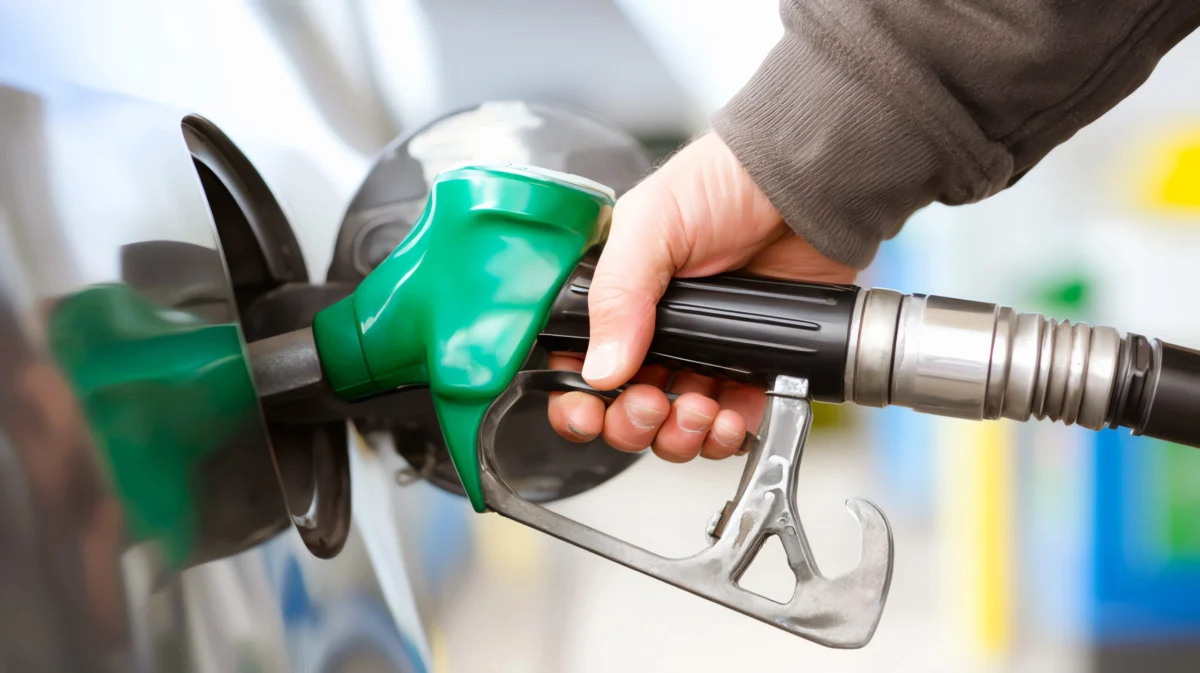
Thailand is embarking on a transformative journey in its energy landscape, pivoting toward a sustainable, domestic-led model to secure its economic and industrial future. At the heart of this transition is the government’s ambitious policy framework to elevate E20—gasoline blended with 20% ethanol—as the country’s standard fuel. This shift is not merely an environmental preference; it is a calculated strategic maneuver to fortify Thailand’s energy security, mitigate the volatility of global crude oil markets, and revitalize the nation’s vast agricultural sector.
The Strategic Imperative: Strengthening Energy Sovereignty
For decades, Thailand has been a net importer of fossil fuels, leaving its economy vulnerable to the unpredictable oscillations of geopolitical tensions and global market fluctuations. By prioritizing E20, the government aims to decouple its domestic transportation sector from the whims of international oil cartels and supply chain disruptions.
The core logic is simple yet profound: by replacing a significant portion of imported gasoline with domestically produced ethanol, Thailand can retain wealth within its borders, stabilize consumer fuel prices, and leverage its natural comparative advantage in agriculture. This transition represents a shift from a reliance on finite, imported resources to a reliance on renewable, home-grown energy sources that generate value for the local economy.
Chronology of a Green Transition
The path toward E20 as a standard has been a phased evolution of energy policy.
- The Early Adoption Phase: Thailand’s venture into biofuels began years ago with the introduction of E10 (gasohol 91/95), which set the foundation for consumer acceptance and infrastructure readiness.
- The Experimental Expansion: The introduction of E20 followed, initially as a niche offering. Over the last decade, automakers have increasingly tuned engines to handle higher ethanol blends, effectively preparing the fleet for a transition to E20 as a primary fuel.
- The Policy Pivot: Recently, the government signaled a definitive move to streamline the gasoline market. By aiming to make E20 the default standard, authorities are effectively creating a mandatory demand floor, which provides the necessary market signal for ethanol producers to scale their operations.
- The Future Roadmap: Looking ahead, the government envisions a transition phase where older fuel standards are phased out, supported by subsidies and public awareness campaigns designed to ease the consumer transition.
The Numbers Game: Data-Driven Energy Security
To understand the scale of this shift, one must look at the current consumption metrics. Thailand currently consumes upwards of 30 million liters of gasoline daily. Against this, the current daily consumption of ethanol sits at a relatively modest 3.5 million liters.
The mandate to standardize E20 will trigger a seismic shift in demand. Projections suggest that ethanol requirements will surge from 3.5 million to over 6 million liters per day. This nearly 75% increase in demand is not just a statistical milestone; it is the engine that will drive the expansion of the entire agricultural supply chain.
Current Production Infrastructure
The current landscape of the ethanol industry is well-positioned to handle this surge:
- Production Facilities: Thailand operates 28 ethanol production plants nationwide.
- Capacity: The total maximum capacity stands at 7.2 million liters per day.
- Reserve Capacity: These plants currently hold a 50–60% reserve capacity, meaning the infrastructure to meet the increased E20 demand is already largely in place.
- Feedstock Versatility: Most facilities are hybrid-capable, utilizing both cassava and sugarcane-derived molasses. This allows for market flexibility, ensuring that production remains steady even if one crop faces a seasonal shortage.
Official Responses and Industry Perspectives
The policy has garnered broad support from industry leaders who view it as a win-win for both energy and agriculture.
The View from the Thai Ethanol Manufacturing Association
Mr. Kittisak Watthanavekin, President of the Thai Ethanol Manufacturing Association, has been a vocal proponent of the shift. He emphasizes that the transition is a "key strategy for enhancing national energy security." According to Mr. Watthanavekin, the policy acts as a dual-purpose tool: it stabilizes the cost of living by curbing dependence on expensive imported oil, and it adds immense value to agricultural raw materials. By converting sugarcane and cassava into high-value bioenergy, the industry is essentially transforming land productivity into economic sovereignty.
The Perspective of the Cassava Ethanol Association
Ms. Sureeyos Kovsurat, President of the Cassava Ethanol Association, highlights the industry’s readiness. "Thailand’s cassava-based ethanol industry is fully prepared to support the E20 policy," she notes. "Our capacity, technology, and raw material availability are robust enough to meet the upcoming demand surge." Ms. Kovsurat points out that the policy will have a profound effect on the cassava supply chain, creating price stability and income security for millions of farmers who have historically been subject to the price volatility of the raw food commodity market.
Economic Implications: A Catalyst for Rural Prosperity
The economic footprint of this policy extends far beyond the gas station. It is, at its core, a rural development strategy.
The Sugarcane Sector
With 11 million rai of land dedicated to sugarcane and an annual output of 90 million tonnes, the sugarcane industry is the bedrock of the Thai bio-economy. Currently, the industry contributes 8% of Thailand’s agricultural GDP, valued at approximately THB 120 billion. By diverting more output toward ethanol production, the industry can capture higher margins and provide a more reliable income stream for sugarcane farmers, shielding them from the sometimes-depressed global sugar prices.
The Cassava Opportunity
Currently, only 10% of Thailand’s total cassava output is utilized for ethanol. The E20 mandate is expected to drive an additional demand for 6 million tonnes of cassava per year. This massive increase in demand will likely incentivize farmers to improve yields, invest in better cultivation technology, and stabilize the livelihoods of those in the cassava sector. It turns a subsistence crop into a vital component of the national energy grid.
Environmental and Global Aspirations
While energy security is the primary driver, the transition to E20 aligns with global trends toward decarbonization. Ethanol burns cleaner than pure gasoline, reducing carbon monoxide and greenhouse gas emissions. As Thailand aims to become a regional bioenergy hub, the E20 policy serves as a proof-of-concept.
By perfecting the supply chain and production technology for ethanol, Thailand is positioning itself to lead the ASEAN region in bio-based fuels. This not only enhances the nation’s environmental credentials but also opens up potential export markets for technology and technical expertise in the bio-refinery sector.
Challenges and Future Outlook
Despite the optimism, the transition will not be without its hurdles. Success will depend on:
- Consumer Pricing: Maintaining the price competitiveness of E20 against other fuel blends is critical. Government excise tax structures will need to be carefully calibrated.
- Infrastructure Upgrades: While most modern vehicles are compatible, public education regarding engine longevity and performance with E20 must be sustained.
- Agricultural Management: As demand for feedstock rises, the government must ensure that the increase in demand for industrial bio-crops does not cannibalize the supply of food crops, requiring a balanced approach to land-use policy.
Conclusion
The push to make E20 the national standard is a hallmark of a nation that is taking charge of its destiny. By synthesizing its massive agricultural potential with the urgent need for energy independence, Thailand is setting a precedent for other developing nations.
The policy promises to transform the way Thais drive, the way farmers earn, and the way the nation interacts with the global energy market. As the country moves toward this new standard, it does so with a clear objective: to build a more resilient, sustainable, and prosperous Thailand, one gallon of bio-ethanol at a time. Through the cooperation of state agencies, agricultural associations, and the private sector, the dream of becoming a regional bioenergy hub is no longer a distant ambition—it is a tangible, unfolding reality.