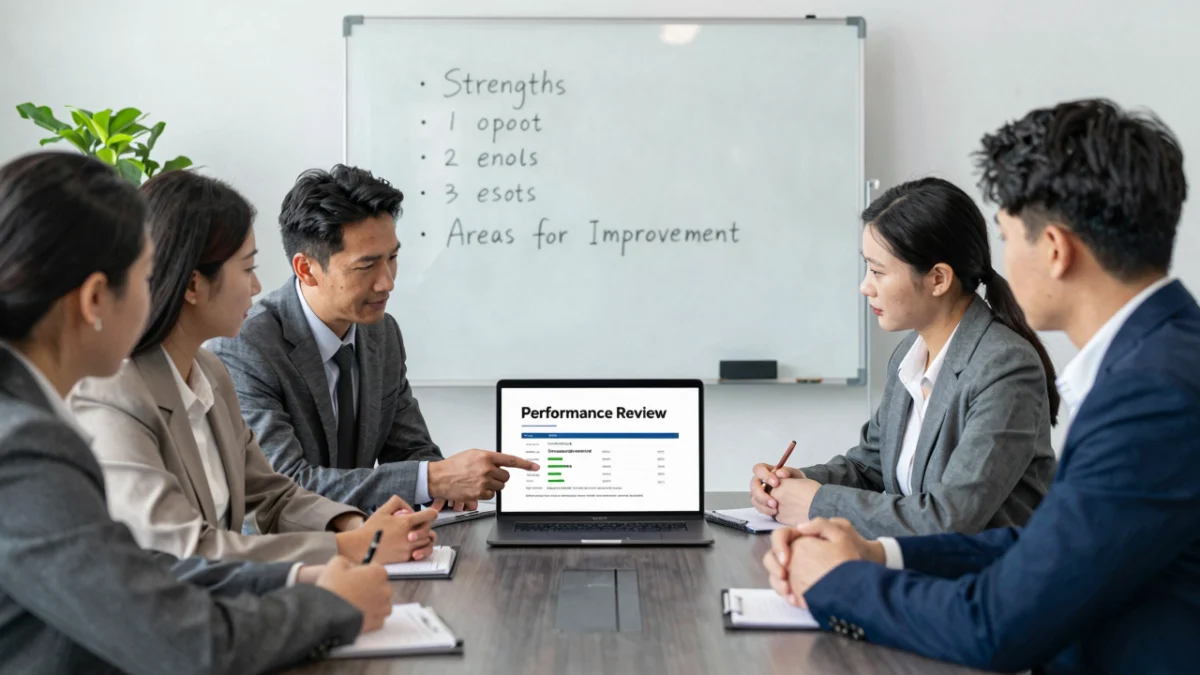
In the modern corporate landscape, the annual performance review is often viewed with apprehension by both managers and employees. However, when executed with precision and purpose, these evaluations represent the single most powerful tool for aligning individual talent with organizational strategy. By transitioning from a "check-the-box" administrative task to a dynamic, collaborative process, leadership can unlock hidden potential, foster retention, and drive long-term business growth.
This guide provides a comprehensive framework for navigating the complexities of performance management, from conducting reviews for new hires to evaluating seasoned middle-level managers.

1. The Strategic Imperative: Why Performance Reviews Matter
At their core, performance reviews are not merely about documentation; they are about alignment. When an organization clearly communicates how an individual’s daily output contributes to the company’s broader mission, it creates a sense of purpose that transcends a paycheck.
The Power of Two-Way Dialogue
Modern management research consistently highlights a crucial trend: approximately 75% of employees now prefer regular, constructive feedback over the traditional, once-a-year review model. This shift toward ongoing, two-way communication allows for real-time adjustments, preventing the "surprises" that often plague annual appraisals. By fostering an environment where employees are active participants in their own evaluations, managers can build trust, improve morale, and secure a deeper commitment to organizational goals.

2. Anatomy of an Effective Review: Key Components
An effective evaluation must be balanced, transparent, and evidence-based. A haphazard approach not only fails to improve performance but can also demotivate high-achieving staff.
Essential Criteria for Evaluation
To ensure fairness, managers should rely on a standardized set of metrics that encompass:

- Technical Proficiency: Mastery of the specific tools and skills required for the role.
- Work Quality & Reliability: Consistency in output and the ability to meet deadlines under pressure.
- Collaborative Impact: The employee’s contribution to team dynamics and cross-departmental synergy.
- Growth Potential: The employee’s aptitude for learning new skills and their willingness to take on increased responsibility.
By incorporating a self-assessment component, managers invite the employee to reflect on their own trajectory, which often highlights gaps in perception between the supervisor and the direct report, creating a natural starting point for the conversation.
3. Navigating Career Stages: From New Hires to Managers
The tone and focus of a review must adapt to the employee’s tenure and level of responsibility. A "one-size-fits-all" template is rarely effective.

Crafting Reviews for Emerging Talent
For a promising new employee, the review should focus on potential and integration.
- Identify Emerging Skills: Highlight areas where the employee shows natural aptitude.
- Mentorship and Training: Suggest specific workshops or internal shadowing opportunities to accelerate their learning curve.
- Reinforce Adaptability: Acknowledge the challenges of navigating a new corporate culture, emphasizing that flexibility is a core asset.
The Promotion Path: Preparing for Advancement
When an employee is being considered for a promotion, the review becomes a validation of their leadership readiness. The focus must shift from "task completion" to "strategic impact."

- Project Ownership: Look for instances where the employee took initiative to solve a problem independently.
- 360-Degree Feedback: Gather insights from peers and subordinates to ensure the employee’s collaborative skills are as strong as their individual output.
- Measurable Results: Clearly define what success looks like in the new, higher-level role.
Evaluating Middle-Level Management
Reviewing managers requires a different lens. Success at this level is defined by the performance of their team.
- Leadership Efficacy: Assess their ability to motivate, delegate, and resolve interpersonal conflicts within their team.
- Strategic Alignment: Evaluate how well the manager translates executive directives into actionable team goals.
- Talent Development: Measure their success in coaching their own direct reports and fostering a pipeline of future leaders.
4. Delivering Constructive Feedback: The "Strengths-First" Approach
Delivering criticism is the most delicate aspect of a performance review. The goal is to correct behavior without damaging confidence.

The Positive-Sandwich and Beyond
Start by highlighting specific, quantifiable achievements. This builds psychological safety, making the employee more receptive to areas where improvement is needed. When discussing shortcomings, focus on "performance gaps" rather than character flaws. Use the SMART framework to define the path forward:
- Specific: What exactly needs to change?
- Measurable: How will we track progress?
- Achievable: Does the employee have the resources to improve?
- Relevant: Does this improvement align with their career path?
- Time-bound: What is the deadline for this adjustment?
5. Supporting Data: Building the Evidence Base
A common failure in performance management is "recency bias"—the tendency to focus only on the last two or three weeks of an employee’s performance. To combat this, managers must maintain a "performance log" throughout the year.

The Role of Documentation
- Quantifiable Metrics: Sales numbers, project completion rates, and error logs provide objective data.
- Peer Reviews: Anonymous feedback from colleagues can provide a more holistic view of an employee’s day-to-day interactions.
- Goal Tracking: Keeping a running tally of progress toward quarterly objectives prevents the end-of-year review from becoming a guesswork session.
6. Implications for Organizational Culture
When an organization implements a robust, fair, and transparent review process, the implications for the company culture are profound.
- Increased Retention: Employees who feel seen, heard, and supported in their professional growth are significantly less likely to leave the organization.
- Higher Engagement: When employees understand how their work ties to the bottom line, their intrinsic motivation increases.
- Conflict Mitigation: Clear, documented performance standards leave little room for ambiguity, which reduces grievances and legal risks.
7. Frequently Asked Questions
Q: How do I handle an employee who disagrees with their review?
A: Treat this as an opportunity for dialogue. Ask them to provide their own data or examples that support their perspective. If there is a legitimate gap in communication, use the opportunity to recalibrate expectations.

Q: What is the ideal frequency for these discussions?
A: While formal reviews may happen annually, "check-ins" should occur at least monthly. This removes the "high-stakes" atmosphere of the annual review and turns it into a simple summary of ongoing conversations.
Q: How do I motivate someone who has hit a performance plateau?
A: Often, a plateau is a sign of boredom or a lack of new challenges. Use the review to discuss lateral moves, new projects, or different responsibilities that might reignite their interest.

8. Conclusion: A Call to Action
The performance review is not a weapon to be used, but a bridge to be built. By moving away from rigid, fear-based assessments and toward a culture of continuous, data-backed feedback, managers can foster a workforce that is not only productive but also resilient and committed.
Start today by auditing your current review templates. Do they prioritize growth? Are they grounded in specific, observable behaviors? Do they encourage the employee to speak as much as the manager? By implementing these strategies, you are not just managing performance—you are investing in the long-term success of your most valuable asset: your people.

Summary of Best Practices
- Be Proactive: Don’t wait for the formal review date to address performance issues.
- Be Specific: Vague feedback like "you need to communicate better" is unhelpful. Use "I noticed in the last three meetings that you didn’t provide updates on X, which caused a delay."
- Be Collaborative: Always ask the employee, "What can I do to help you succeed?"
- Be Consistent: Ensure the same criteria are applied to all employees in similar roles to prevent perceptions of bias.
By standardizing these practices, you ensure that every conversation contributes to a stronger, more aligned, and more capable organization.