You have mastered the art of the digital storefront. You have refined your product descriptions, optimized your checkout flow, and built a brand voice that resonates with your target demographic. You’ve spent hours perfecting a subject line designed to entice the click, and your email copy is punchy, human, and conversion-oriented. You hit "send" on your latest campaign with the quiet confidence of a founder who knows their audience.
But then, the silence arrives. Your open rates plummet, your revenue dips, and your carefully crafted message vanishes into the digital abyss: the spam folder.
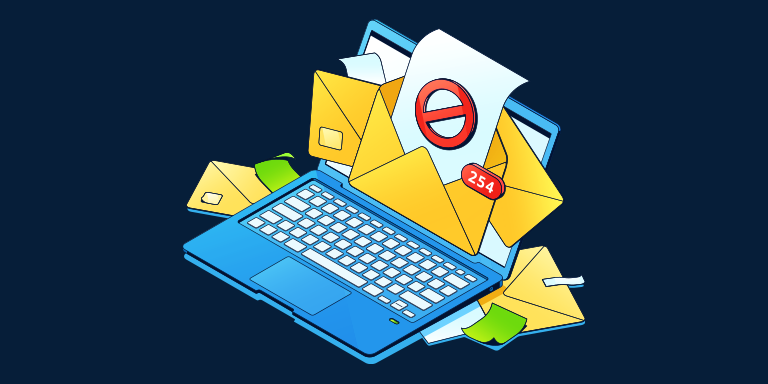
This is the brutal, often invisible reality of email deliverability. For ecommerce founders and digital marketers, deliverability is not merely a technical checkbox; it is the lifeblood of your customer communication. You can possess the most sophisticated automation strategy in the world, but if your emails fail to land in the primary inbox, none of it matters. The psychology, the timing, and the offer are rendered obsolete the moment your message is flagged as junk.
Defining the Deliverability Gap: Why "Sent" Isn’t "Delivered"
To understand the problem, one must first distinguish between delivery and deliverability. In industry terms, "delivery" simply means your email reached the recipient’s mail server without bouncing. It is a binary status: it arrived or it didn’t.
"Deliverability," however, is a measure of where that email lands once it reaches the server. Does it hit the Primary inbox, the Promotions tab, or the dreaded spam folder? This distinction is where revenue is either generated or lost.
Email providers—Gmail, Outlook, Yahoo, and others—function as the gatekeepers of the internet. They use complex, real-time algorithms to score the reputation of every incoming message. If your domain or IP address carries a low reputation, your emails will be quietly filtered, deprioritized, or blocked entirely. For an ecommerce business, if 20% of your emails are diverted to spam, you have effectively amputated 20% of your customer reach overnight. Because this damage is invisible, many founders remain unaware of the issue until their bottom line shows an inexplicable decline.
The Chronology of Reputation: How You Are Being Judged
Your "Sender Reputation" functions much like a personal credit score. It is an accumulation of historical data that follows your sending domain.
The Early Stages: Warming Up
When a new domain or IP begins sending emails, providers have no data to judge you. This is why "warming up" an IP—gradually increasing the volume of your sends—is critical. If you suddenly send 50,000 emails from a brand-new domain, spam filters will flag this behavior as suspicious, likely treating you as a potential bot or malicious actor.
The Maintenance Phase: Engagement Patterns
Once your domain is established, the filters shift their focus to your behavior. They monitor how your recipients interact with your messages. High open rates, meaningful click-through rates, and replies serve as "positive signals," reinforcing your reputation as a trusted sender. Conversely, high bounce rates (sending to non-existent addresses) and high spam complaint rates (users clicking "Mark as Spam") act as "negative signals."
If these negative signals consistently outweigh the positive, your sender reputation will degrade. Once it drops below a certain threshold, recovery is a long, arduous process that can take months of disciplined, low-volume sending.
Technical Foundations: Why Authentication Is Non-Negotiable
If reputation is your credit score, authentication is your identity document. Without proper validation, the internet’s gatekeepers cannot verify that you are who you claim to be, leaving you vulnerable to impersonators and domain spoofers.
The three pillars of email authentication are:
- SPF (Sender Policy Framework): This acts as a list of authorized IP addresses that are permitted to send email on your behalf. It tells the receiving server, "Only these sources are allowed to use my domain."
- DKIM (DomainKeys Identified Mail): This adds a digital signature to your emails. It ensures that the content of your email has not been tampered with or altered in transit. It proves that the email came from you and remains intact.
- DMARC (Domain-based Message Authentication, Reporting, and Conformance): This is the policy layer. It provides instructions to the receiving server on what to do if an email fails SPF or DKIM checks. It also provides reporting, giving you visibility into who is sending email on your behalf.
Configuring these settings is often a 15-minute task, yet a missing or misconfigured record remains one of the most common reasons legitimate emails end up in spam. If you are utilizing an email service provider (ESP), these should be verified during your onboarding process. Do not take this step for granted; it is the baseline requirement for modern email communication.
The Unsexy Work: List Hygiene and Maintenance
In the age of growth hacking, the idea of deleting subscribers feels counterintuitive. However, list hygiene is perhaps the most powerful tool in your deliverability arsenal.
Over time, every email list accumulates "dead weight." These are addresses that have been abandoned, are no longer active, or were entered incorrectly. These inactive contacts drag down your engagement metrics. If you continue to send emails to a list where 30% of users have not opened a message in six months, email providers will notice the pattern of non-engagement and begin routing your future emails to spam.
The Re-engagement Strategy
The fix requires a systematic approach to pruning. Every 90 to 180 days, perform a re-engagement campaign. Segment the users who have been silent, send them a targeted "we miss you" message, and give them a clear call to action to confirm their interest. If they do not respond, remove them.
A smaller, hyper-engaged list is infinitely more valuable than a massive, bloated list that triggers spam filters. Furthermore, implementing a "double opt-in" process—where users must confirm their email address via a verification link—ensures that every person on your list has proactively opted into your brand. This simple step significantly reduces bot signups and ensures a high-quality list from day one.
The Intersection of Content and Deliverability
Modern spam filters have evolved beyond simply looking for the word "free" or excessive exclamation points. Today’s AI-driven filters analyze thousands of data points, including the structure of your HTML, the ratio of text to images, and the presence of broken links.
Patterns That Trigger Filters
- Poor HTML-to-Text Ratio: Sending emails that consist entirely of images or heavy, complex code can trigger filters that suspect you are trying to hide malicious content.
- Broken Links and Redirects: Excessive use of shortened URLs or links that redirect through multiple servers can look like phishing attempts.
- Inconsistent Sending Cadence: Sending in massive, irregular bursts (e.g., once every two months, then five times in one week) makes your behavior appear erratic, which is a hallmark of spam accounts.
Content strategy and deliverability are not separate silos. When you write content that your audience genuinely wants to open and read, you are effectively "voting" for your own deliverability. Every time a user marks your email as "Not Spam" or moves it from the Promotions tab to the Primary tab, you are building a stronger relationship with the inbox provider.
Strategic Implications for Ecommerce Growth
The implications of ignoring deliverability are severe. In the current ecommerce landscape, where customer acquisition costs (CAC) are rising, your existing email list is your most valuable asset. If your emails aren’t landing, you are effectively burning your most cost-effective revenue channel.
Founders must shift their mindset from "sending emails" to "managing an email program." This involves:
- Constant Monitoring: Tracking bounce rates, complaint rates, and engagement metrics on a weekly basis.
- Prioritizing the Welcome Series: The first interaction a customer has with your brand is the most critical. Ensure your welcome series is perfectly optimized to encourage early engagement.
- Proactive Tooling: Utilize platforms like Omnisend that offer built-in deliverability monitoring, automated bounce management, and authentication support.
Final Thoughts: The Ongoing Practice
Deliverability is not a "set it and forget it" task. It is an ongoing practice that requires diligence, discipline, and a focus on subscriber value. The most successful brands are those that treat their subscribers’ inboxes with respect. By maintaining a clean list, authenticating your domain, and consistently providing content that warrants an open, you move from being a "sender" to being a "trusted contact."
The frustration of invisible deliverability issues is real, but it is entirely solvable. By building habits that prioritize sender reputation, you ensure that your message—the one you worked so hard to craft—actually finds its way to the one place that matters: the customer’s inbox.
For those looking to secure their email infrastructure, tools like Omnisend provide the framework to manage these complexities automatically. Readers of Foundr can utilize the code FOUNDR50 for 50% off their first three months, allowing you to invest in a robust email program that delivers where it counts.