It is time to pull the ripcord on the treadmill of content creation. For years, the digital marketing playbook has been predicated on a simple, flawed equation: higher frequency equals higher visibility. However, as we navigate the landscape of 2026, that equation is failing. Social media professionals are burning out, and audiences are tuning out. Like an browser riddled with too many open tabs, our collective attention is fragmented, exhausted, and nearing a point of total collapse.
With more than 5.5 billion people worldwide using social media—each spending an average of two hours and 20 minutes per day on these platforms—the sheer volume of information being pushed into feeds is unsustainable. We have reached a point of peak saturation, where content is no longer a tool for connection, but a form of noise.
The State of the Feed: Main Facts on Saturation
The modern social media experience is governed by algorithmic curation that prioritizes interests over human connection. This shift has fundamentally changed how we interact with brands. According to Sprout Social’s 2025 Content Benchmarks Report, brands published an average of 9.5 posts per day across their networks in 2024. In high-velocity industries, this figure often quadruples, creating a deluge of data that users cannot physically or emotionally process.
The human capacity to absorb this information is shrinking. Research indicates that the average human attention span has plummeted from 2.5 minutes in 2004 to a mere 47 seconds in 2023. When you pair this fleeting attention with the rapid-fire pace of meme culture and the overwhelming influx of AI-generated content, the result is a "ceiling" on engagement. Brands are trapped in an arms race of volume, yet as their output increases, their impact per post continues to decline.

Chronology of the Saturation Crisis
To understand how we arrived at this impasse, one must look at the recent evolution of digital consumption:
- 2020–2022 (The Proliferation Phase): Brands pivoted heavily toward short-form video to compete with TikTok, leading to an explosion in content production.
- 2023–2024 (The Algorithmic Pivot): Platforms moved away from "social graphs" (who you follow) toward "interest graphs" (what the algorithm thinks you like). This destroyed the predictability of organic reach, forcing brands to post more frequently just to stay relevant.
- 2025–2026 (The AI Inflection Point): The widespread availability of generative AI tools led to a massive influx of automated, low-effort content—what the internet has colloquially termed "AI slop."
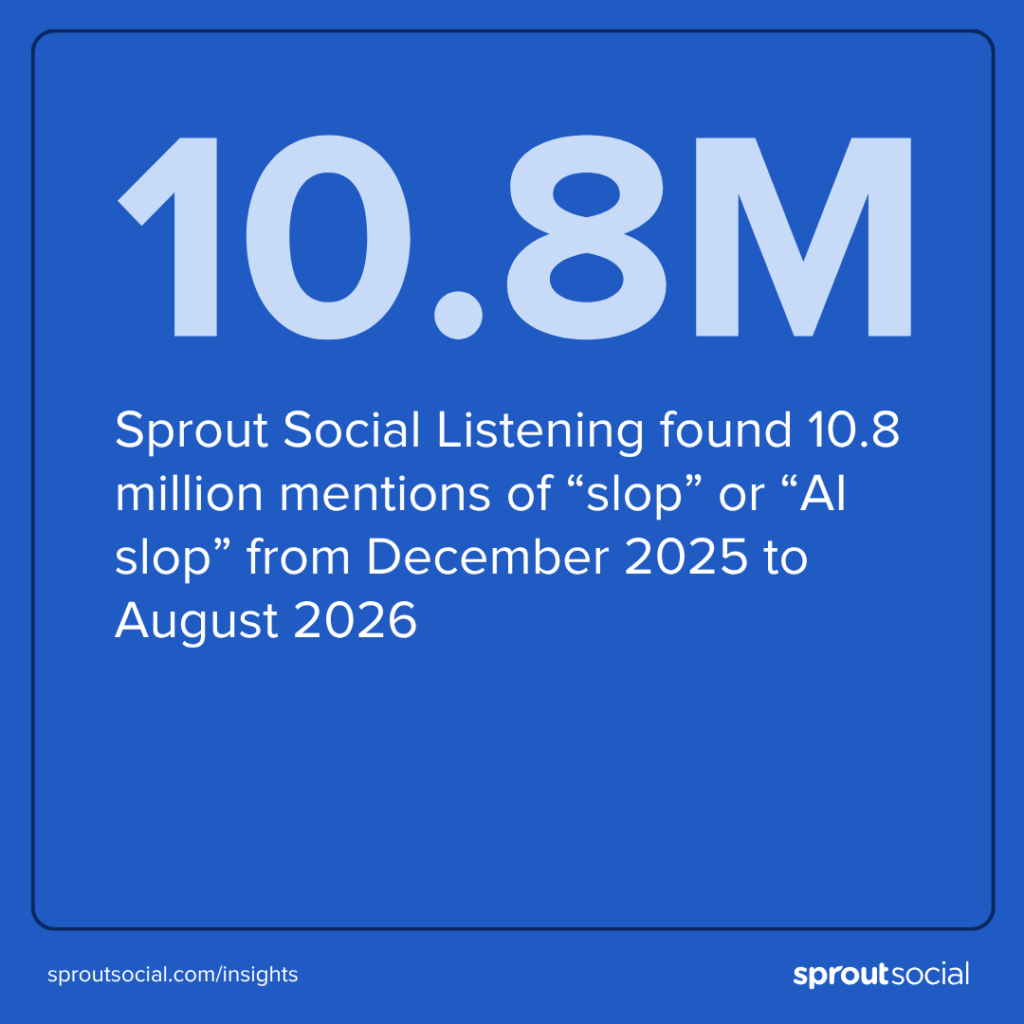
The consequences were immediate. Between December 2025 and August 2026, Sprout Social Listening recorded more than 10.8 million mentions of "slop" or "AI slop" in public discourse. This indicates that users are not just ignoring this content; they are actively identifying and resenting it. LinkedIn’s recent introduction of a "seems like AI slop" button, which has already been triggered by over one million users, serves as a clear signal that the audience is demanding a higher standard of authenticity.
Supporting Data: The ROI of Quality over Quantity
The data suggests that the "more is more" strategy is a relic of the past. As marketers seek to expand their presence to new networks—87% of marketers planned to expand to new platforms in 2026—they are merely diluting their brand identity.
The Attention Economy
The Q1 2026 Pulse Survey from Sprout Social provides a critical roadmap for brands:
- Originality Matters: One-third of customers rank the originality of a brand’s content as the primary reason they follow a company, placing it behind only product quality.
- The Power of Retention: While 33% of Baby Boomers will swipe away from a video immediately, 44% of total consumers are willing to watch longer content if the first five seconds are genuinely engaging.
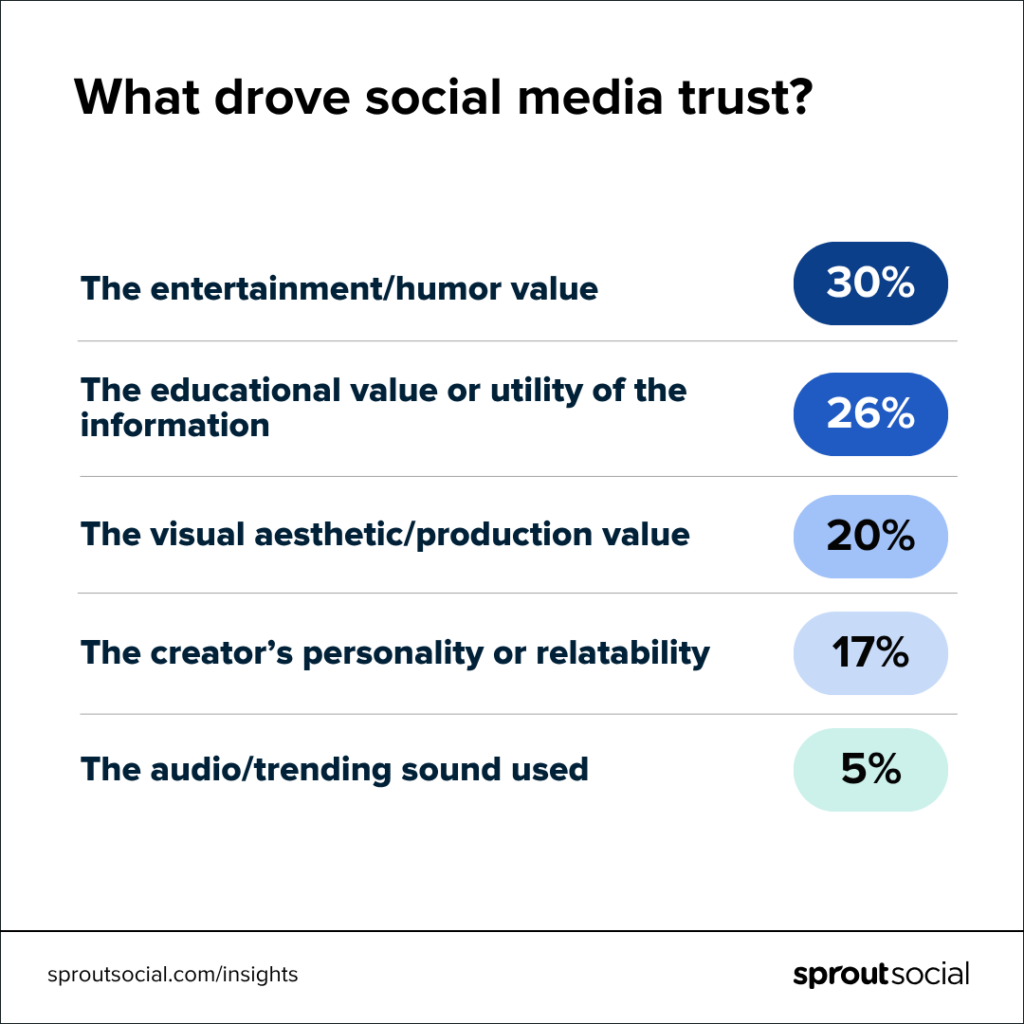
- The "Edutainment" Mandate: Across all generations, users are most likely to engage with content that either entertains or educates.
This is where the case study of BMC becomes instructive. BMC, once trapped in the cycle of daily, low-impact posting, pivoted to an insight-led strategy. By using social intelligence to identify that their audience craved deep-dive thought leadership rather than ephemeral marketing assets, they launched The BMC Briefing. By moving away from daily output and focusing on a high-value monthly editorial newsletter, they transformed their social channels from a noise-making machine into a destination for industry authority.
Official Responses and Strategic Implications
Industry leaders are beginning to acknowledge that the current path is a dead end. The implications for marketing strategy are profound, requiring a fundamental reset in how brands measure success and approach creative development.
Redefining Success Metrics
Marketers must pivot from vanity metrics—reach and impressions—toward metrics that measure resonance. As noted in industry discussions, a post that reaches 10,000 people but generates no action is worth less than a post that reaches 500 people but sparks a conversation, a share, or a tagged interaction. By setting goals around community growth rather than eyeballs, brands can effectively "opt out" of the saturation arms race.
The Rise of "Microdramas" and Cultural Harmony
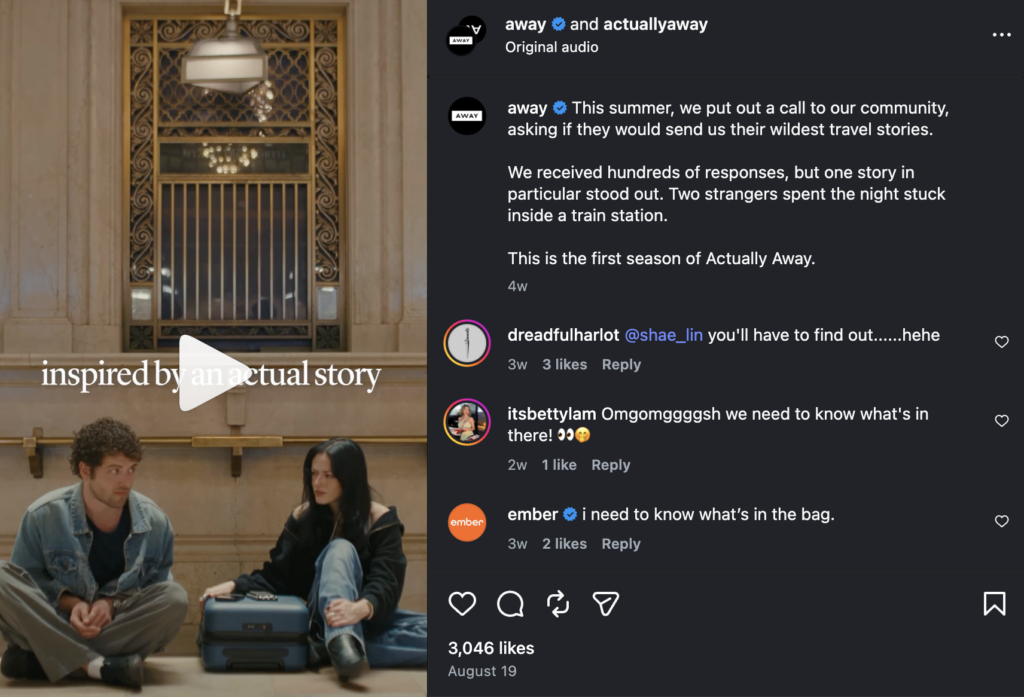
Brands that are successfully cutting through the noise are those embracing high-concept creativity. Companies like Away and Nuuly have begun producing "microdramas"—narrative-driven, short-form content that provides genuine entertainment value. This approach moves the brand from "advertiser" to "creator."
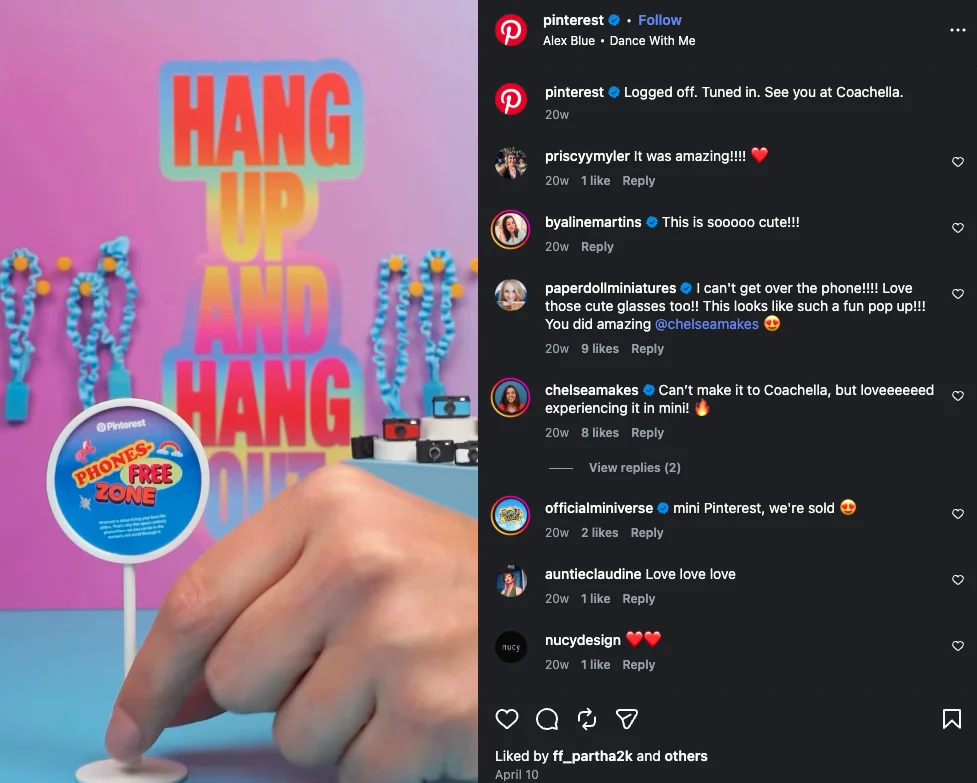
Furthermore, the "trendjacking" debate has been settled. 84% of consumers believe it is important for brands to keep up with online culture. However, the caveat is critical: brands must use data to ensure a cultural moment aligns with their identity. The Pinterest "analog aesthetic" activation at Coachella stands as the gold standard here. By identifying a specific trend—phone-free experiences—within their own data and executing an in-person, brand-relevant activation, they avoided the trap of generic trend-chasing and provided tangible value.
Conclusion: The Path Forward
Social media saturation is not a death sentence for brand marketing; it is an invitation to be better. The barriers to entry are lower than ever, but the barriers to attention are at an all-time high.
To survive this era, marketing teams must adopt a few essential rituals:
- Stop Competing on Volume: Accept that a single, high-quality, original piece of content is worth more than five pieces of "filler."
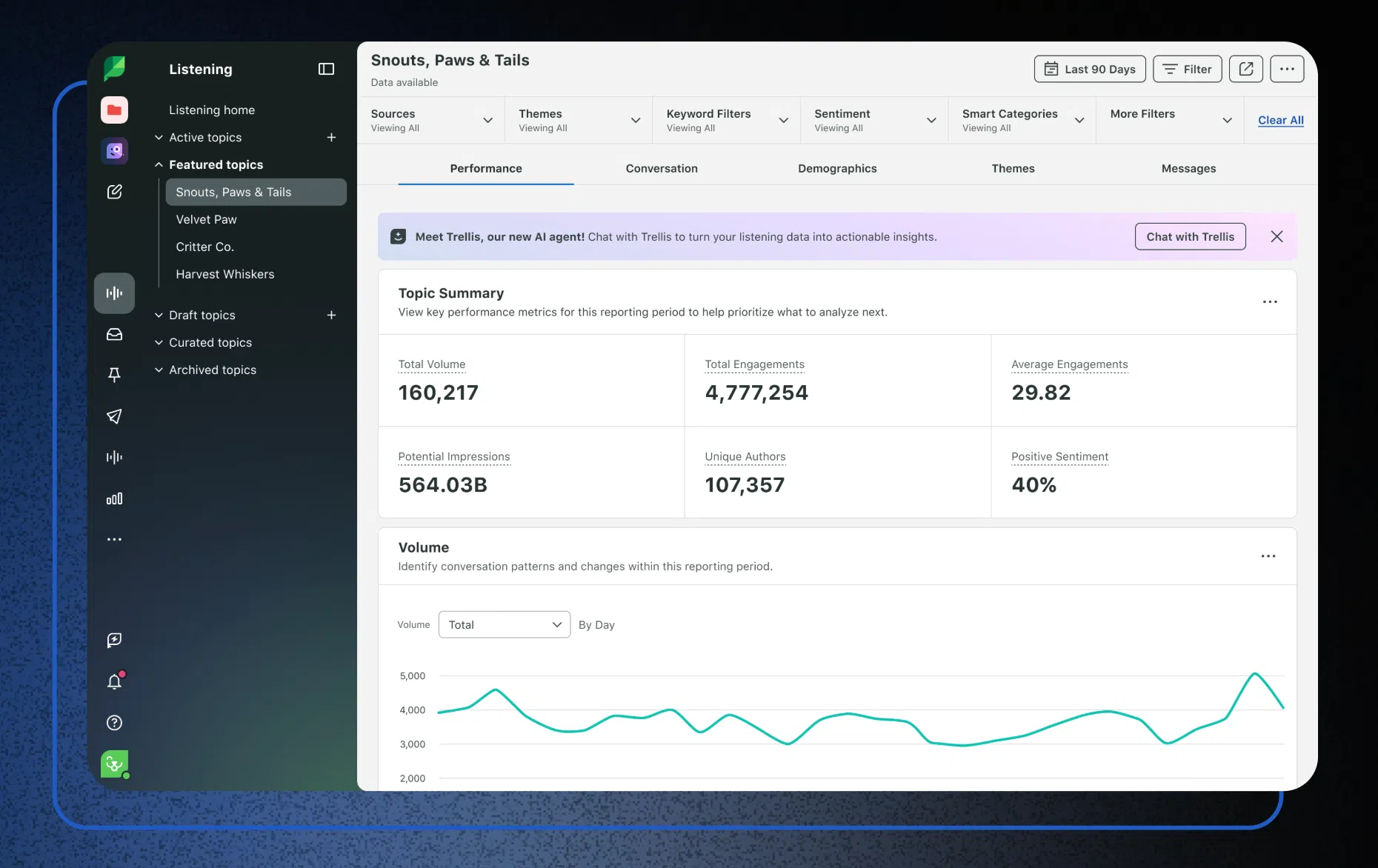
- Invest in Social Intelligence: Use data to determine exactly what your audience wants, rather than guessing based on industry trends.
- Prioritize Authenticity: In an age of AI, human-centric, original thought is the ultimate differentiator.
The algorithms may govern the feeds, but they do not dictate the brand experience. By focusing on specificity, fostering real community, and daring to post less, brands can reclaim the attention they have lost to the sea of digital noise. The future belongs to those who stop screaming into the void and start building meaningful, intentional narratives.
FAQs
What is social media saturation?
Social media saturation is the point at which the volume of content published to social feeds outpaces audiences’ capacity and willingness to consume it. The result is a decline in returns for every additional post published.
Is social media marketing still effective?
Yes, but the bar has shifted. Organic social is oversaturated, meaning the cost of attention has increased. Undifferentiated, high-volume content is no longer effective; only content that provides specific, high-value resonance will break through.
How much content should my brand be publishing?
While the industry average sits at 9.5 posts per day, this is a benchmark, not a requirement. Brands should prioritize their audience’s preference for quality over a rigid posting schedule. It is better to publish three high-impact, original posts per week than 20 pieces of recycled content.
How can brands overcome the "AI slop" problem?
The antidote to AI-generated content is human-centric storytelling. Brands should lean into original photography, first-person narratives, behind-the-scenes insights, and unique, brand-specific creative formats that AI cannot replicate.