As the global retail landscape undergoes its most significant transformation since the dawn of the internet, the convergence of artificial intelligence, shifting geopolitical trade policies, and a bifurcated economy is rewriting the rules of success. Industry analysts and seasoned practitioners are now looking toward 2026 with a mix of cautious optimism and strategic urgency.
In a recent collaborative forecast, Bill D’Alessandro and his counterpart at eCommerceFuel have unveiled eleven pivotal predictions that promise to redefine the competitive landscape. With the stakes high—the losing prognosticator owes the winner a steak dinner, complete with the ritual of hand-feeding the first bite—the pair is leveraging the cold, hard logic of AI to grade their performance, signaling a shift toward data-driven accountability in industry forecasting.
The Main Facts: The New Rules of Engagement
The core premise of the 2026 outlook is that the "middle" is no longer a safe harbor for eCommerce businesses. As AI-powered advertising reaches a state of near-telepathic precision and operational automation, the divide between the ultra-efficient, high-end brands and the scrappy, low-cost essential providers will widen significantly.
Key highlights from the forecast include:

- The AI Advertising Paradigm: The integration of ad platforms into generative AI ecosystems, specifically OpenAI, is expected to transition marketing from "targeted" to "telepathic."
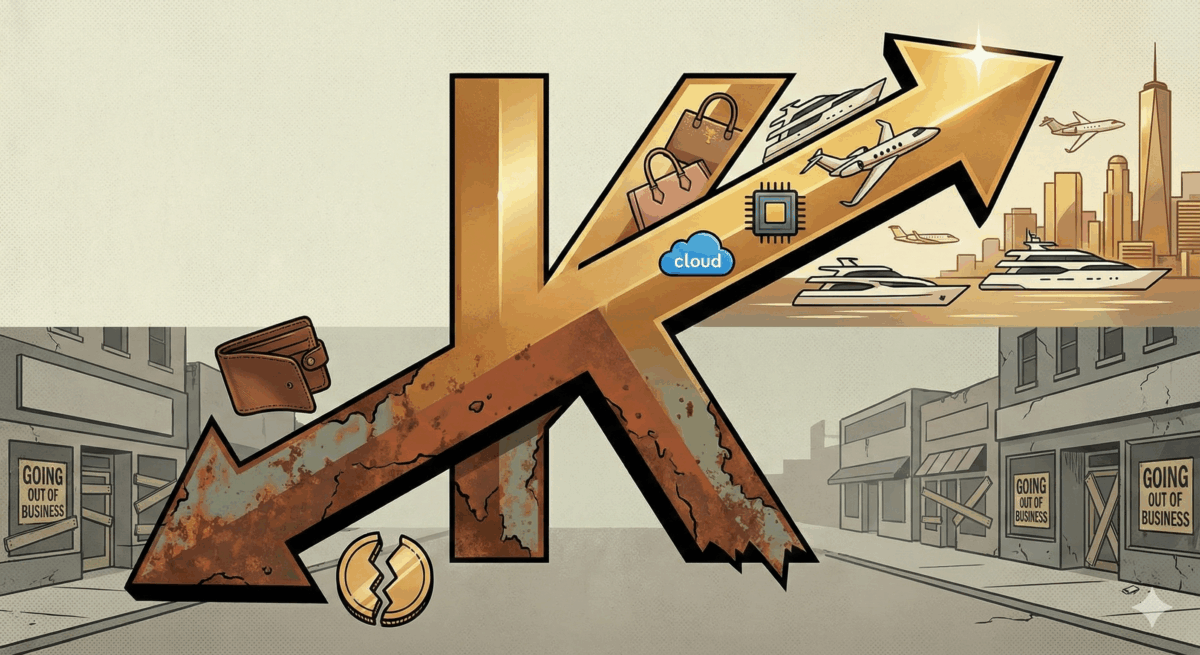
- The K-Shaped Economy: A growing divergence where top-tier, high-value entities thrive, while the average consumer faces persistent, sticky inflation.
- The Death of the Lifestyle Brand: The era of the "mid-market" boutique is waning; without strong IP or significant scale, smaller operators risk being systematically out-maneuvered by AI-driven conglomerates.
Chronology of Market Shifts
To understand the trajectory of 2026, one must look at the progression of technology and policy.
Early 2026: The Volatility Phase
Analysts anticipate a tumultuous first half of the year. While Bitcoin is expected to experience initial volatility—dipping below the $70,000 mark as consumer confidence wobbles—the second half of the year is projected to see a rally above $100,000 as inflation narratives solidify the asset’s role as "digital gold."
Mid-2026: The Great Content Correction
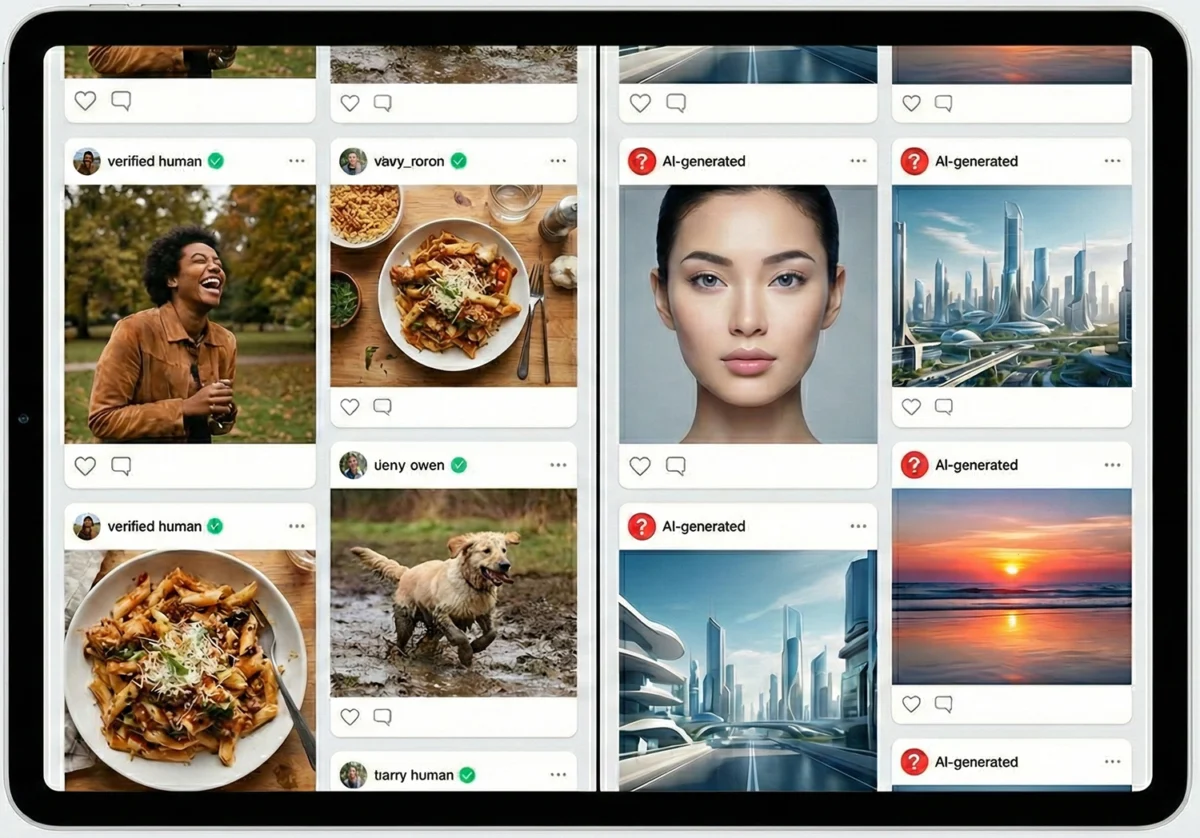
As AI-generated content floods the social media ecosystem, trust will reach a breaking point. Experts predict that major platforms, including X and Meta, will implement "verified human" content badges by mid-year to combat the rising tide of synthetic media, which currently accounts for an estimated one-third of feeds.
Late 2026: The Automation Threshold
By the close of the year, the threshold for professional production will plummet. Automated video and audio editing, currently in their infancy with tools like Descript, are expected to reach a 7/10 quality standard. This democratization of production will allow lean, agile founders to compete with legacy firms that previously relied on massive in-house teams.

Supporting Data and Economic Fundamentals
The prevailing narrative of an impending "AI Bubble" pop is being challenged by the underlying financial data. Unlike the 2000 tech bubble, which saw the NASDAQ’s forward price-to-earnings (PE) ratio soar past 100x, current valuations hover around 27x. Furthermore, government investment in AI infrastructure is roughly five times higher than total tech spending during the dot-com era, even when adjusted for inflation.
Regarding tariffs, the forecast suggests a pragmatic ceiling. While political rhetoric often leans toward aggressive protectionism, the reality of a fragile economic climate suggests that tariffs on Chinese goods will likely settle between 30% and 50%. The bond market’s sensitivity to inflation acts as a powerful brake on more extreme protectionist measures, forcing policymakers to walk back aggressive hikes to prevent a recessionary spiral.
Inflation, however, remains a persistent adversary. With little political appetite for significant fiscal consolidation or spending cuts, the consensus is that inflation will remain above 3% throughout 2026. This "sticky" inflation is expected to define the decade, forcing business owners to move beyond simple cost-cutting and toward structural portfolio and operational shifts.
Official Perspectives and Strategic Implications
The implications for business owners are stark. The "lifestyle brand"—often defined as a small, niche e-tailer with a moderate following—is facing an existential threat. The reason is structural: large-scale competitors are deploying "machine" operations that produce hundreds of novel advertisements daily. By pulling real-time data from customer reviews, brand assets, and creative engines, these AI systems can test, iterate, and launch campaigns with a speed and cost-efficiency that human-led teams cannot replicate.

M&A: A Tale of Two Markets
The M&A landscape is reflecting this bifurcation. Data shows that deal flow for high-end, billion-dollar-plus transactions has surged by 19% year-over-year. Conversely, the small-to-mid-sized M&A market has contracted by 18%. This indicates a "flight to quality" where investors are paying premiums for dominant, defensible businesses while ignoring the vast middle tier of eCommerce, which is increasingly viewed as vulnerable to AI disruption.
The Human Element
Amidst the cold efficiency of algorithms, the "verified human" initiative serves as a crucial signal for the future of brand loyalty. In a world where every advertisement is perfectly optimized by an LLM, the consumer’s desire for authenticity will likely command a premium. Brands that can prove their human provenance and maintain a genuine connection with their audience may be the only ones capable of escaping the "race to the bottom" that AI-driven pricing engines often create.
Navigating the Future: A Call to Action
Predictions, while analytically rigorous, are only as useful as the actions they inspire. The consensus among the eCommerce community is that the era of "solo-piloting" a business strategy is coming to an end. The complexity of the 2026 landscape—balancing high-tech marketing, inflationary pressures, and a shifting geopolitical trade environment—requires a braintrust.
For store owners generating seven or eight figures in revenue, the need to aggregate knowledge is paramount. By plugging into high-level communities where industry leaders trade insights on what is currently working—and, more importantly, what is failing—businesses can insulate themselves against the shocks of the coming year.
As we move deeper into 2026, the competitive advantage will not belong to those with the largest budgets, but to those who can effectively synthesize AI-driven automation with a clear, human-centric brand identity. The "telepathic" targeting promised by the next generation of ad platforms is coming; the question remains whether your brand is prepared to speak the language of the future.
For those looking to stay at the cutting edge of these developments, the path forward involves rigorous testing, a focus on high-intent customer segments, and a willingness to embrace the AI-integrated reality of the modern retail stack. As the industry evolves, the winners will be those who treat technology as a lever for human creativity rather than a substitute for it.