The logistics industry stands at a critical inflection point. The announcement that C.H. Robinson intends to acquire RXO in a deal valued at approximately $5.8 billion has sent shockwaves through the third-party logistics (3PL) sector. This transaction, defined by a massive 42x EBITDA valuation premium, is more than just a corporate marriage; it is a strategic maneuver designed to consolidate power in a fragmented market and redefine the operational capabilities of modern freight brokerage.
As the industry grapples with the implications of this deal, stakeholders are questioning whether the promise of $300 million in synergy-driven cost savings is realistic or merely a bridge to secure shareholder approval.
Main Facts: A Bold Valuation
The financial structure of the proposed acquisition is aggressive. While industry norms typically see 3PL companies trading between 8 and 13 times EBITDA, C.H. Robinson’s 42x valuation represents a monumental bet on future efficiency.
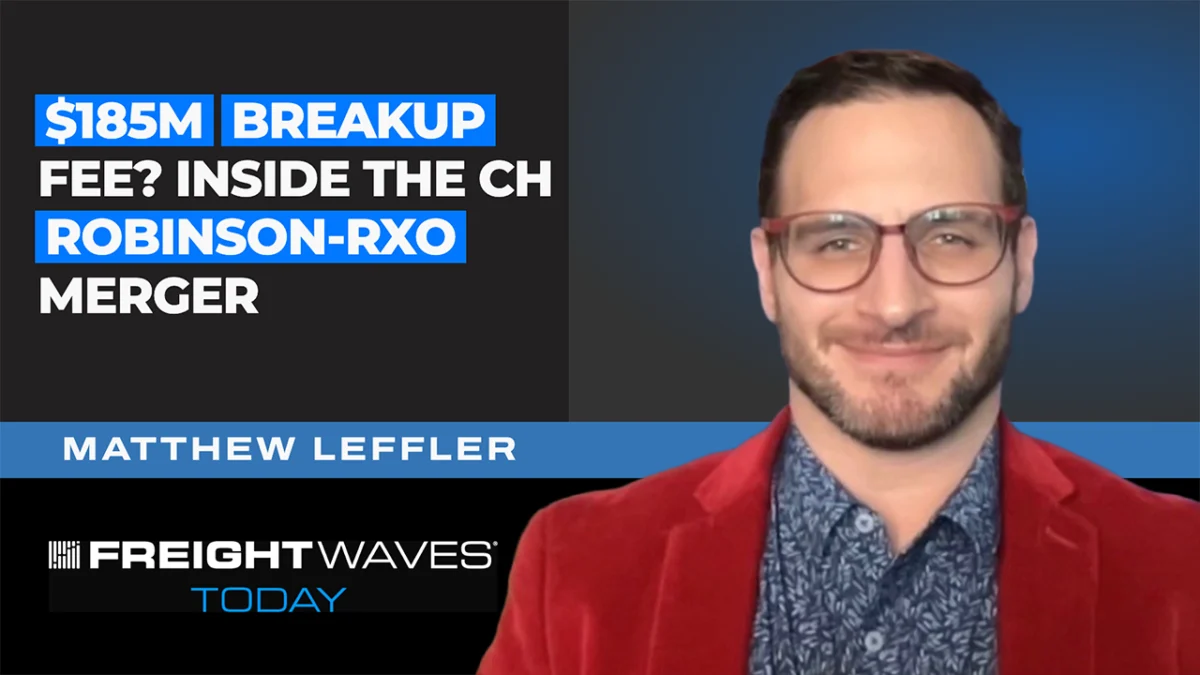
The credibility of this deal hinges almost entirely on a pledge to deliver $300 million in cost savings within two years. Skeptics, however, point to the inherent complexity of the integration. RXO is currently in the midst of digesting its own acquisition of Coyote, meaning C.H. Robinson is effectively layering a massive integration project on top of an existing one. If the deal fails, both parties are tethered by a $185 million breakup fee—a significant sum, though relatively modest compared to the multi-billion-dollar penalties seen in rail industry mega-mergers.
Chronology of Market Consolidation
The trajectory toward this deal did not happen in a vacuum. The logistics sector has spent the last decade shifting from a pure-play brokerage model to a more complex, asset-heavy approach.
- The Rise of Digital Brokerage: Over the last decade, the influx of venture capital into "digital freight matching" startups forced legacy giants like C.H. Robinson to accelerate their technological investments.
- The "Asset-Like" Pivot: Companies began recognizing that pure brokering was becoming a commodity. To gain a competitive edge, 3PLs started investing in drop-trailer networks and warehouse integration.
- The RXO-Coyote Phase: RXO’s recent acquisition of Coyote was the first major step in this specific consolidation wave.
- The C.H. Robinson Announcement: With the formal proposal to absorb RXO, C.H. Robinson is aiming to secure roughly 20% of the brokered freight market, creating an entity that will be difficult for mid-market competitors to challenge.
Supporting Data and Financial Analysis
The math behind the merger is the primary point of contention for analysts. Matthew Leffler, known in industry circles as the "Armchair Attorney," has been vocal about the risks. "Almost every merger of this size—no one hits those numbers," Leffler notes regarding the $300 million savings target.
Comparative Valuation Table
| Metric | Industry Standard (Avg) | C.H. Robinson-RXO Deal |
|---|---|---|
| EBITDA Multiple | 8x – 13x | 42x |
| Synergy Target | 5% – 10% of revenue | $300M in 2 years |
| Market Share | Fragmented (<5% per firm) | ~20% of brokered market |
The data suggests that the deal is not just about revenue growth; it is about "operational moat-building." By combining their respective drop-and-hook trailer pools—which collectively total thousands of units—the new entity hopes to offer a level of capacity security that smaller, asset-light brokers simply cannot match.
The Legal and Regulatory Landscape
While antitrust concerns exist, legal experts suggest the deal is unlikely to be blocked by the FTC or DOJ, as the combined entity will still only control a single-digit percentage of the total transportation market. However, the legal risks are shifting from traditional antitrust to liability and litigation.
The "Post-Montgomery" Liability Environment
A growing concern for the brokerage sector is the legal classification of brokers. The Lupus Superior case, which saw C.H. Robinson labeled as a "co-employer" of a carrier’s driver, has set a dangerous precedent. As the company absorbs RXO, it also absorbs all of its legal liabilities. This includes pending litigation involving catastrophic accidents.
"The environment is changing," Leffler explains. "Higher insurance costs and increased litigation exposure are pushing mid-size brokers toward the exit." This legal pressure is acting as a catalyst for consolidation; smaller players are finding it impossible to navigate the rising costs of compliance and insurance, leaving the field open for the "big three" of the industry to buy up market share.
Implications: The Future of 3PLs
The long-term implications of this merger suggest a fundamental restructuring of the freight industry.
1. The Death of the Mid-Market Broker
Industry analysts suggest that the next wave of M&A activity will target brokers ranked between 20 and 50 by size. As the gap between the massive, publicly traded 3PLs and the smaller boutique firms widens, the middle ground is disappearing. We are moving toward a landscape dominated by a few public giants surrounded by a sea of private equity-backed firms.
2. The Trailer Network Advantage
The focus on drop-trailer networks represents a move toward operational resilience. Data indicates that approximately 70% of unplanned maintenance events at transport firms stem from trailing assets. By owning and managing these networks, the merged entity can reduce downtime, improve customer stickiness, and provide a "differentiated offering" that smaller brokers cannot replicate.
3. Market Transparency Risks
There is a legitimate fear that this level of consolidation will lead to reduced market transparency. If the industry becomes a collection of black-box, vertically integrated behemoths, shippers may lose the ability to compare rates effectively, and carriers may find their negotiating power severely diminished.
4. Regulatory Pressure
Beyond the merger itself, the company remains under pressure from other fronts, including ongoing RICO litigation. The outcome of these legal battles could influence the post-merger culture of the organization.
Conclusion: A High-Stakes Transformation
The proposed C.H. Robinson-RXO deal is a high-stakes play that reflects the harsh realities of the modern supply chain. The industry is no longer about simply connecting a shipper to a carrier; it is about building an integrated, tech-enabled, and liability-shielded network that can withstand the volatility of the global economy.
Whether the deal delivers the promised $300 million in cost savings or becomes a cautionary tale about over-leveraged acquisitions remains to be seen. What is certain, however, is that the era of the "independent, mid-sized broker" is waning. The industry is entering a phase of maturity where scale is the only defense against the rising tide of regulatory, legal, and operational costs.
For now, all eyes remain on the shareholder vote and the regulatory filings. Should the deal proceed, it will likely serve as the blueprint for the next decade of freight logistics—a decade defined by massive consolidation, aggressive asset management, and a persistent, underlying war for efficiency.
Stay Informed: The Future of Freight
For those looking to navigate these complex shifts, industry events such as the Brokerage Compliance Symposium (October 26, 2026) and the Future of Freight Festival (F3) offer critical insights into fraud, liability, and the evolving technological landscape. As consolidation continues to reshape the map, staying ahead of these regulatory and operational changes is no longer optional—it is a competitive necessity.