In the modern digital landscape, the promise of productivity software is seductive: buy a subscription, install an app, and watch your efficiency soar. Yet, for many marketing and social media teams in 2026, the reality is far more fragmented. What was intended to be a streamlined digital ecosystem has often devolved into "tool sprawl"—a state where teams are burdened by dozens of logins, disconnected dashboards, and the exhausting cognitive load of context-switching between incompatible platforms.
A truly effective productivity tool should provide time, not just another notification. As marketing operations become increasingly complex, the ability to build a lean, integrated "stack" is no longer just a luxury—it is a competitive necessity.

The Anatomy of a Modern Marketing Stack
At its core, a productivity tool is any software that reduces the friction between an idea and its execution. It should automate the mundane, simplify complex collaboration, and provide clarity where there is otherwise noise. However, feature density is often the enemy of productivity.
Marketing leaders must evaluate their tech stack based on three pillars:

- Workflow Integration: Does the tool bridge gaps, or does it create a silo?
- Adoption Velocity: Can the team learn the tool without significant downtime?
- Outcome-Oriented Metrics: Does the tool clearly contribute to KPIs like conversion rates, time-to-market, or engagement depth?
The Essential Categories for 2026
While every organization’s needs differ, most high-performing marketing teams require a foundation built upon four specific pillars:
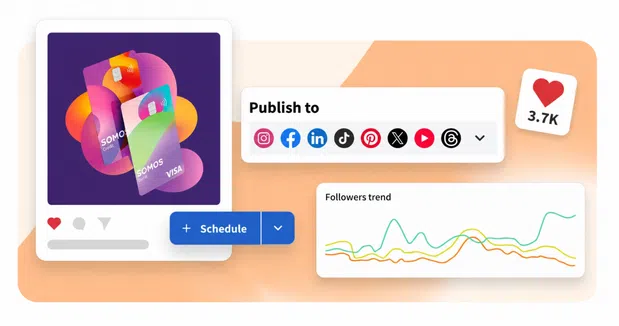
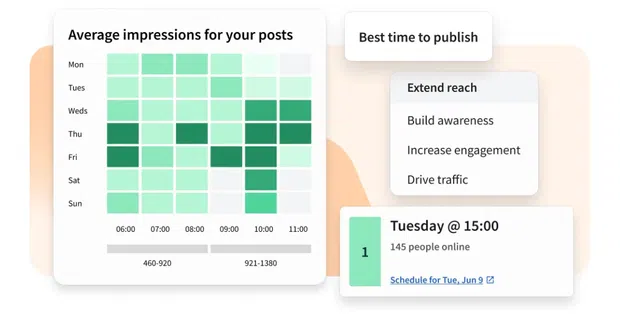
- Scheduling & Publishing: Orchestrating content delivery across fragmented social ecosystems.
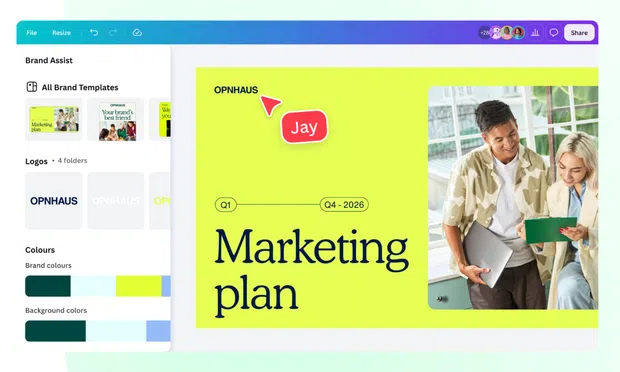
- Content Creation: Tools that balance rapid production with brand consistency.
- Collaboration & Approvals: Centralized spaces where ideas transition into final assets.
- Analytics & Reporting: Transforming raw data into actionable business intelligence.
The 2026 Tool Landscape: A Strategic Overview
The following table highlights the industry-standard solutions currently defining efficient workflows for marketing and social media teams as we move through 2026.
| Tool | Primary Purpose | Category | Entry Cost (Approx.) |
|---|---|---|---|
| Hootsuite | Full-cycle Social Management | Scheduling/Analytics | $149/mo |
| Canva | Visual Asset Creation | Content Creation | Free / $144/yr |
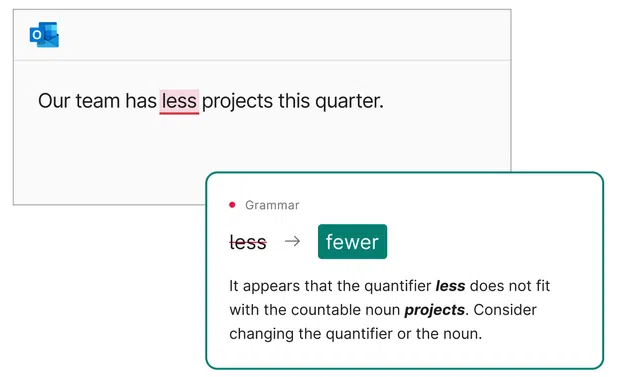
| Grammarly | Copy Polishing/Tone | Content Creation | Free / $12/mo |
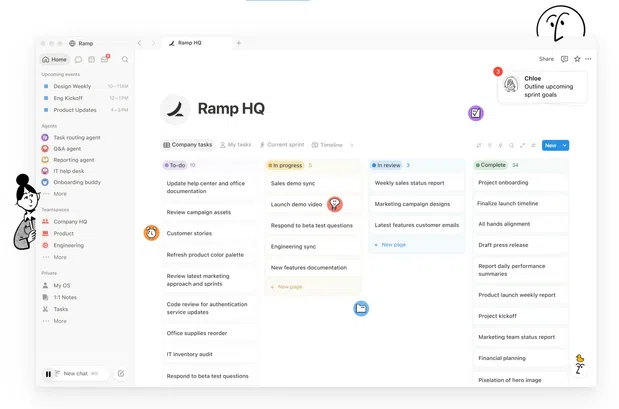
| Notion | Campaign Documentation | Collaboration | Free / $10/mo |
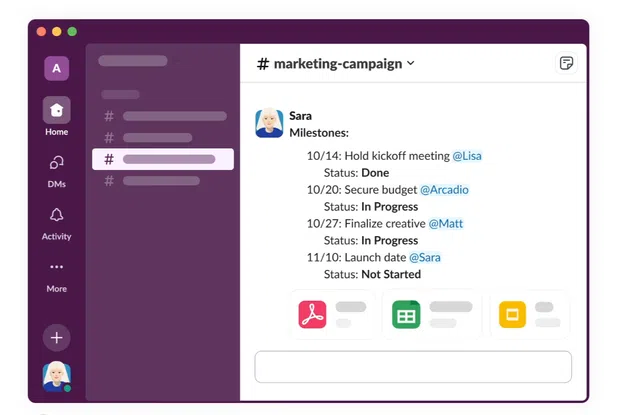
| Slack | Real-time Communication | Collaboration | Free / $7.25/mo |
| Google Analytics | Traffic/Conversion Data | Analytics | Free |
| Todoist | Task Management | Focus/Time Mgmt | Free / $5/mo |
| RescueTime | Workflow Auditing | Focus/Time Mgmt | $7/mo |
Implications: The Dangers of Tool Sprawl
The most significant risk to a marketing team’s productivity isn’t a lack of tools—it is the overabundance of them. When a team adopts too many niche solutions, they fall into the trap of "Shadow Work."
The "Shadow Work" Phenomenon
Shadow work occurs when a tool fails to facilitate a process effectively, forcing team members to create unofficial workarounds. For instance, if an enterprise-level content management system is too cumbersome, a social media manager might resort to managing campaigns via private Slack messages or Excel spreadsheets. This creates a dangerous "truth gap," where data is duplicated, lost, or misinterpreted.
As Allison Flood, Marketing Team Leader at GPI, notes: "Before we add something new, I want to know what problem it solves, who will actually use it, and whether it simplifies the process. If a tool is creating more work than it’s eliminating, it’s time to rethink it."
The Cost of Context Switching
Research suggests that switching between platforms can reduce worker productivity by up to 40%. Every time a marketer toggles from their content calendar to their analytics dashboard, or from their email to their messaging app, they lose a degree of cognitive focus. The goal of a "lean" stack is to minimize this friction by utilizing platforms that offer a centralized interface.
Building a Leaner Future: Strategic Consolidation
To build a resilient stack in 2026, marketing leaders should follow a rigorous audit process.
1. Map the Workflow
Begin by auditing a single piece of content from its inception as a raw idea to its final performance report. Identify the "friction points." Is there a moment where you are manually copying and pasting data? That is where your next investment—or your next deletion—should be focused.
2. Implement a "Sunset" Policy
Tools should not be permanent residents in your budget. Assign an "Owner" to every major platform. This person is responsible for evaluating the tool’s ROI every six months. If a tool’s functions can be absorbed by an existing, more robust platform—such as utilizing native AI features within a social media management suite to replace a standalone creative tool—the standalone tool should be sunsetted.
3. Prioritize Native Integrations
Avoid "islands." If your analytics tool cannot push data directly into your project management software, you are wasting time on manual reporting. In 2026, API-first architecture is the standard. If a tool doesn’t play well with others, it shouldn’t be in your stack.
Official Perspective: The Rise of All-in-One Ecosystems
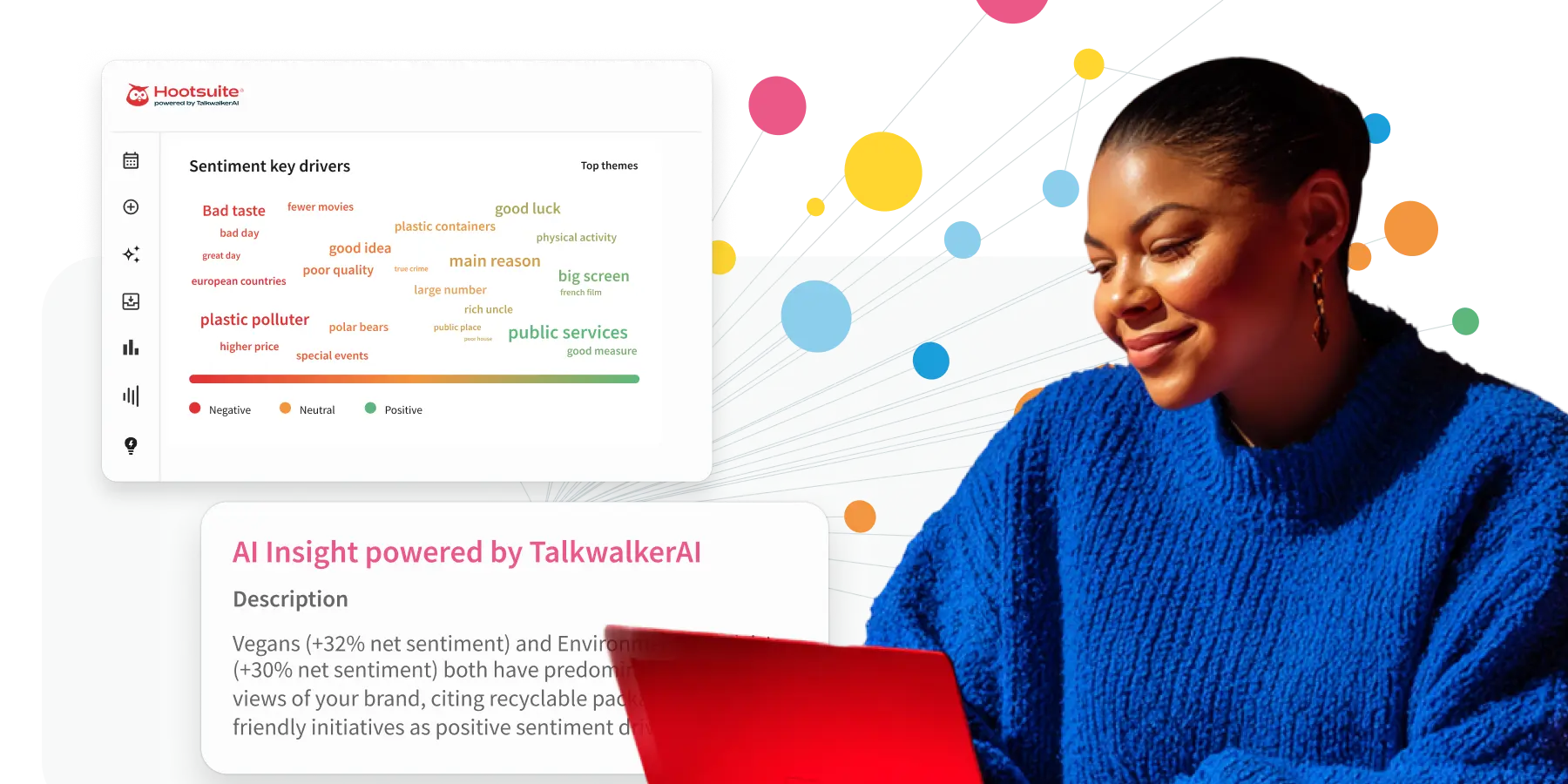
Industry leaders like Hootsuite have pivoted to meet the demand for consolidation. By integrating planning, publishing, analytics, and customer care into a single ecosystem, these platforms are effectively acting as the "operating system" for modern social teams.
The Role of AI in Reducing Friction
The integration of AI agents, such as Hootsuite’s "Wisdom," represents a shift from manual analysis to conversational analysis. Instead of manually exporting reports to answer questions like "Which campaign performed best last week?", managers can now query an AI agent directly. This eliminates the need to navigate through complex, multi-layered dashboards, allowing the team to move from insight to action in seconds.
The Future of Social Customer Care
Customer interaction is another area ripe for consolidation. Tools like "Nest" enable social teams to manage customer service inquiries within the same platform they use for content publishing. This prevents the common scenario where community managers are forced to toggle between native social apps and external CRM tools, ensuring that customer sentiment is addressed as part of the broader content strategy.
Conclusion: The Path Forward
The "best" productivity tool is not the one with the most features; it is the one that most effectively disappears into your workflow. As we progress through 2026, the winning marketing teams will be those that prioritize agility and cohesion over complexity.

By auditing existing processes, ruthlessly eliminating redundant subscriptions, and prioritizing platforms that consolidate core marketing functions, teams can move past the burnout of tool sprawl. The objective is clear: spend less time managing the software, and more time crafting the creative strategies that move the needle for your business.
Remember: A lean stack is a fast stack. Choose your tools carefully, integrate them deeply, and keep your focus on the work that actually matters.