In the global sugar industry, the pursuit of efficiency has long focused on the refinement of sucrose. However, for every ton of sugar produced, significant volumes of low-value residues—such as molasses and press liquors—are left behind. Historically, these byproducts have been treated as mere industrial externalities, sold for negligible profit or disposed of at a cost. Today, a Swiss-based fermentation pioneer is challenging that paradigm, proving that what was once considered waste is, in fact, a foundational building block for the future of food.
Planetary, a company at the intersection of biotechnology and industrial agriculture, has successfully closed a $28 million financing round, signaling a significant shift in how institutional investors view the alternative protein landscape. By transforming sugar processing facilities into high-tech fermentation hubs, Planetary is not only creating a circular economic model but is also tackling the most persistent hurdle in the plant-based sector: price parity.
The Core Innovation: BioBlocks™ and Industrial Symbiosis
At the heart of Planetary’s commercial thesis is the BioBlocks™ fermentation system. Recently recognized by the World Intellectual Property Organisation’s (WIPO) GREEN initiative as an environmentally sound technology, BioBlocks™ functions as a modular "plug-and-play" infrastructure.
Rather than following the traditional, capital-intensive path of building massive, standalone fermentation plants—a model that has seen several high-profile startups falter—Planetary adopts a licensing-led approach. By embedding its fermentation technology directly into existing sugar processing infrastructure, the company bypasses the need for massive capital expenditure on land, logistics, and energy.
This strategy of "industrial symbiosis" allows sugar producers to upgrade their residue streams into high-value food-grade proteins, dietary fibers, and functional enzymes. The result is a dual benefit: the sugar processor gains a new, profitable revenue stream from waste, and the alternative protein sector gains access to a cheap, abundant, and consistent feedstock.
A Timeline of Progress: From Pilot to Market
Planetary’s rise has been characterized by a methodical, engineering-first approach that prioritizes commercial viability over hype.
- 2023–2024: Planetary solidifies its operational presence in Aarberg, Switzerland. By co-locating with Schweizer Zucker, the company proves that fermentation can function effectively within a working sugar factory environment, significantly reducing the carbon footprint and logistical costs associated with transporting raw materials.
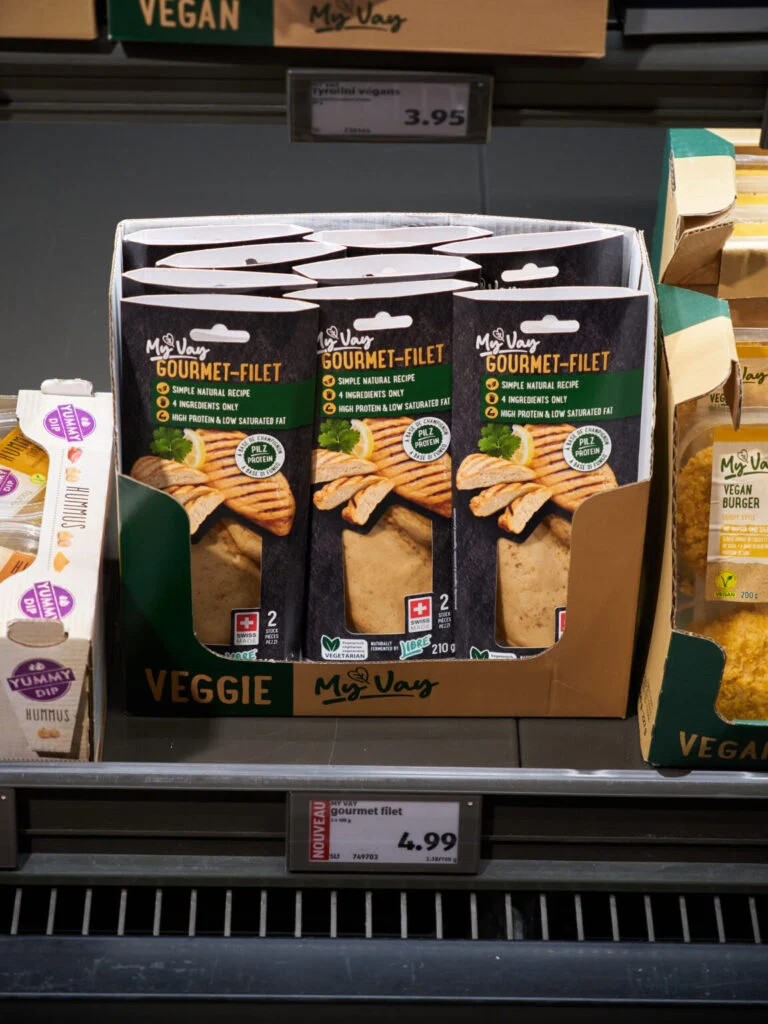
- 2025: A pivotal year for the company, marked by the launch of its mycoprotein-based chicken filet. Through its brand, Libre, the product hit the shelves of 250 ALDI Suisse stores. Crucially, the product reached price parity with conventional chicken, a feat that many industry incumbents have struggled to achieve for years.
- 2026 (July): Planetary secures $28 million in new financing, bringing its total funding to approximately $40 million. This round, composed of $20 million in equity and $7.5 million in credit, provides the necessary runway for European expansion and the development of new licensing partnerships in emerging markets.
Financial Resilience and Strategic Backing
The $28 million injection, led by Radikal Capital and Oetker Ventures, is particularly notable for its composition. The investor syndicate includes a diverse mix of agricultural cooperatives (such as Royal Cosun), food industry corporates, and dedicated venture capital funds like Green Generation Fund and AgriFoodTech Venture Alliance.
The involvement of Royal Cosun, a major Dutch agricultural cooperative, is a strategic masterstroke. It signals that traditional, legacy agricultural players are not just watching the alternative protein space from the sidelines—they are actively investing in the infrastructure required to transition toward a more sustainable, circular food system.
The Investment Landscape
- Total Funding to Date: ~$40 million.
- Current Round: $20M Equity, $7.5M Credit.
- Key Investors: Radikal Capital, Oetker Ventures, Royal Cosun, arc investors, Green Generation Fund, AgriFoodTech Venture Alliance, Astanor Ventures, and XAnge.
- Next Steps: A second closing of the funding round is scheduled for later this summer, further bolstering the company’s ability to scale.
CEO Perspectives: Navigating the "Valley of Death"
In an era where venture capital for non-AI or non-defense startups has tightened significantly, Planetary’s success is a testament to its grounded business model. David Brandes, co-founder and CEO of Planetary, remains pragmatic about the current macroeconomic climate.
"Securing investment today demands considerably more persistence than it did in previous years," Brandes noted in a recent discussion. However, he maintains that the macro-trends of commodity price volatility and geopolitical instability are "reinforcing the commercial case for localized, circular food systems rather than undermining it."
For Brandes, the goal is to decouple food production from long, fragile supply chains. By utilizing localized sugar byproducts, Planetary is insulated from the global volatility that often plagues grain-based protein inputs. This creates a "fortress" business model that is as much about food security as it is about profit.
Implications: The Future of Alternative Proteins
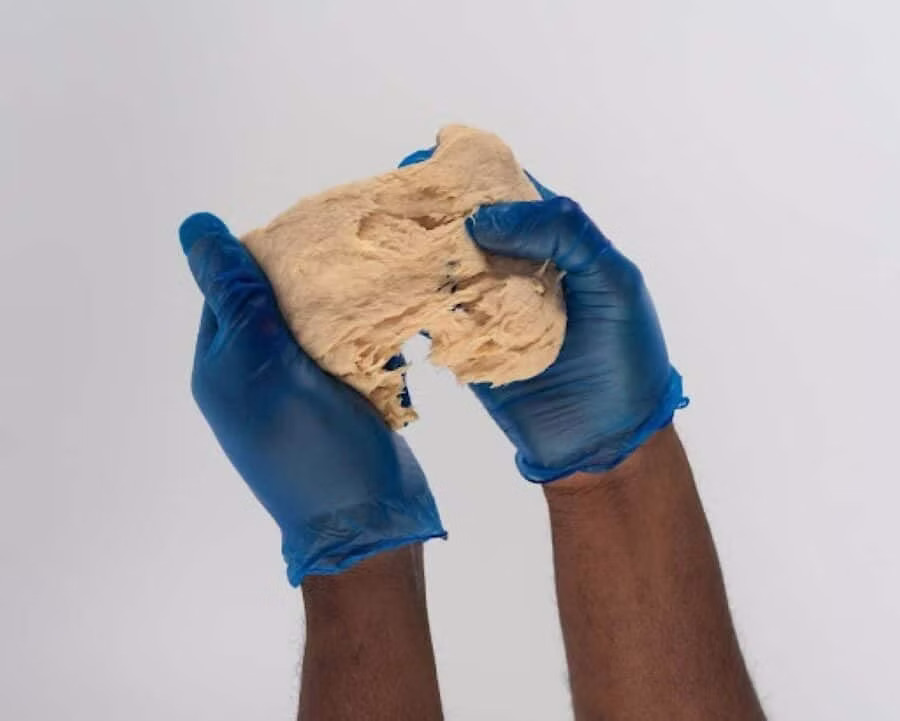
The broader implications of Planetary’s model are profound. For years, the alternative protein industry has been criticized for relying on expensive, highly processed ingredients that often cost more than their animal-based counterparts. By focusing on mycelium—which produces a fibrous, protein-dense ingredient naturally suited for meat-like textures—and by sourcing feedstocks from waste, Planetary is effectively "hacking" the cost structure of the food industry.
Addressing the "Plateau"
The plant-based sector has seen growth plateau in several Western markets, a trend often attributed to high price points and consumer skepticism regarding ultra-processed labels. Planetary’s Libre brand is positioned to address these concerns by offering:
- Price Parity: Removing the primary barrier for the average consumer.
- Versatility: A B2B portfolio that extends beyond meat to include dairy alternatives, hybrid products, and protein-fortified staples.
- Clean Label Potential: Mycoprotein is a natural, fungal-based protein that requires less chemical processing than many soy or pea-based isolates.
Global Ambitions: The $1 Per Kilogramme Target
While Europe remains the current focus, Planetary has set its sights on significantly more ambitious geography: India.
The rationale is clear. India is a global leader in sugarcane processing, generating massive volumes of molasses—the ideal feedstock for fermentation. Simultaneously, India faces a structural protein deficit among its massive, growing population. Planetary aims to leverage this intersection, targeting a production cost of below $1 per kilogramme.
If successful, this would represent a historic shift in the economics of food. By producing protein at such low costs in regions where it is most needed, Planetary could effectively democratize high-quality, sustainable nutrition.
Conclusion
Planetary’s trajectory from a Swiss sugar factory to a potential global leader in fermentation technology offers a blueprint for the future of food tech. By eschewing the "build it all" mentality and instead choosing to embed within the existing, vast infrastructure of the global sugar industry, the company has mitigated risk while maximizing impact.
As the world grapples with the dual pressures of climate change and food security, Planetary’s model of "turning waste into wealth" is no longer just an innovative concept—it is a commercial necessity. With $40 million in capital and a proven ability to reach price parity at scale, the company is well-positioned to lead the next wave of the alternative protein revolution, proving that the most sustainable ingredients are often those we have been overlooking all along.