In the modern corporate landscape, the chasm between high-level strategic intent and frontline execution is often where organizational ambition goes to die. Businesses frequently craft sophisticated, long-term visions in boardrooms, only to find them diluted, misunderstood, or ignored by the time they reach the operational teams responsible for delivery. Hoshin Kanri—a Japanese management philosophy often referred to as "Policy Deployment" or "Compass Management"—serves as the definitive bridge across this chasm.
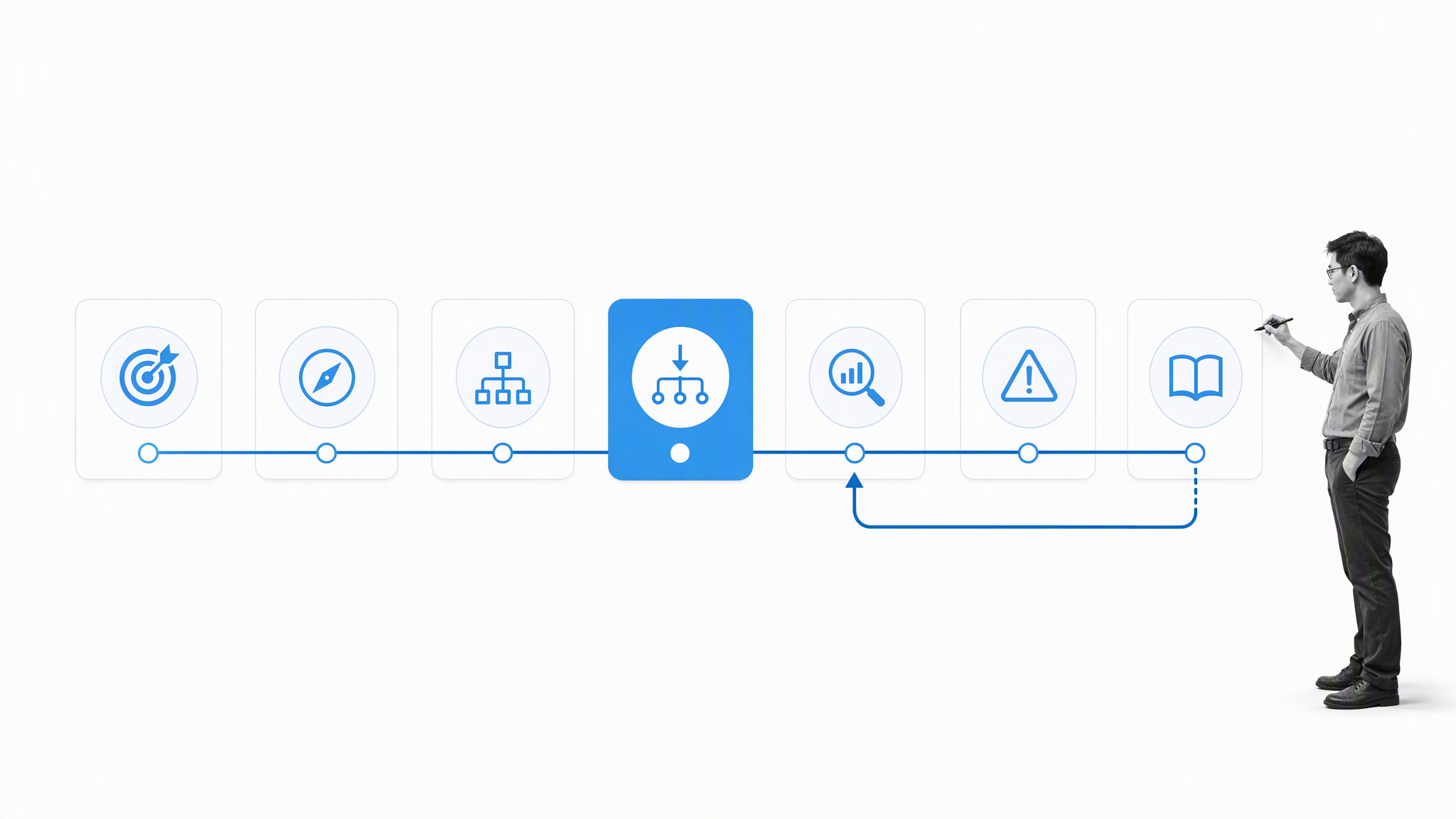
At its core, Hoshin Kanri is a rigorous, seven-step strategy deployment method that binds an organization’s long-term "breakthrough" objectives to annual priorities, team-level targets, and individual accountability. Unlike traditional top-down planning, which is often static and rigid, Hoshin Kanri creates a dynamic "management rhythm." It leverages the Plan-Do-Check-Act (PDCA) cycle to ensure that strategy is not merely a document, but a living system of alignment, evidence-based review, and continuous improvement.
The Core Fundamentals: What is Hoshin Kanri?
Hoshin Kanri, which translates roughly to "shining needle" or "compass management," provides leaders and frontline teams with a shared system for determining what truly matters. By prioritizing a select few "breakthrough objectives," organizations avoid the common trap of trying to do everything at once.
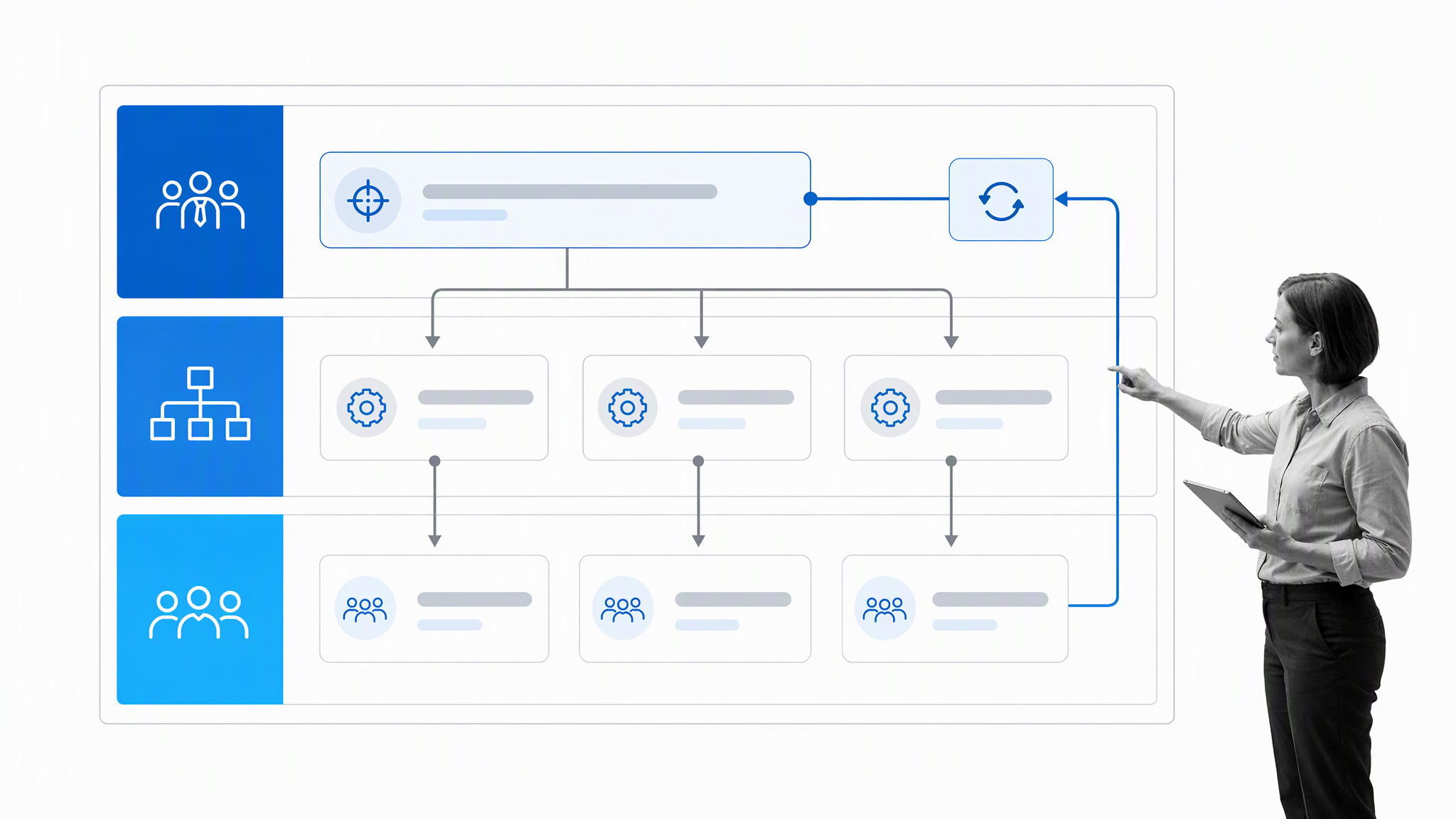
These breakthrough objectives are not mere incremental improvements; they represent fundamental shifts in how a business operates—whether that involves a radical upgrade in quality, a transition to sustainable manufacturing, or a complete pivot in customer experience. The methodology dictates that these goals must be cascaded through the organizational hierarchy, ensuring that every project, task, and daily activity contributes directly to the broader strategic vision.

The Role of the Hoshin X-Matrix
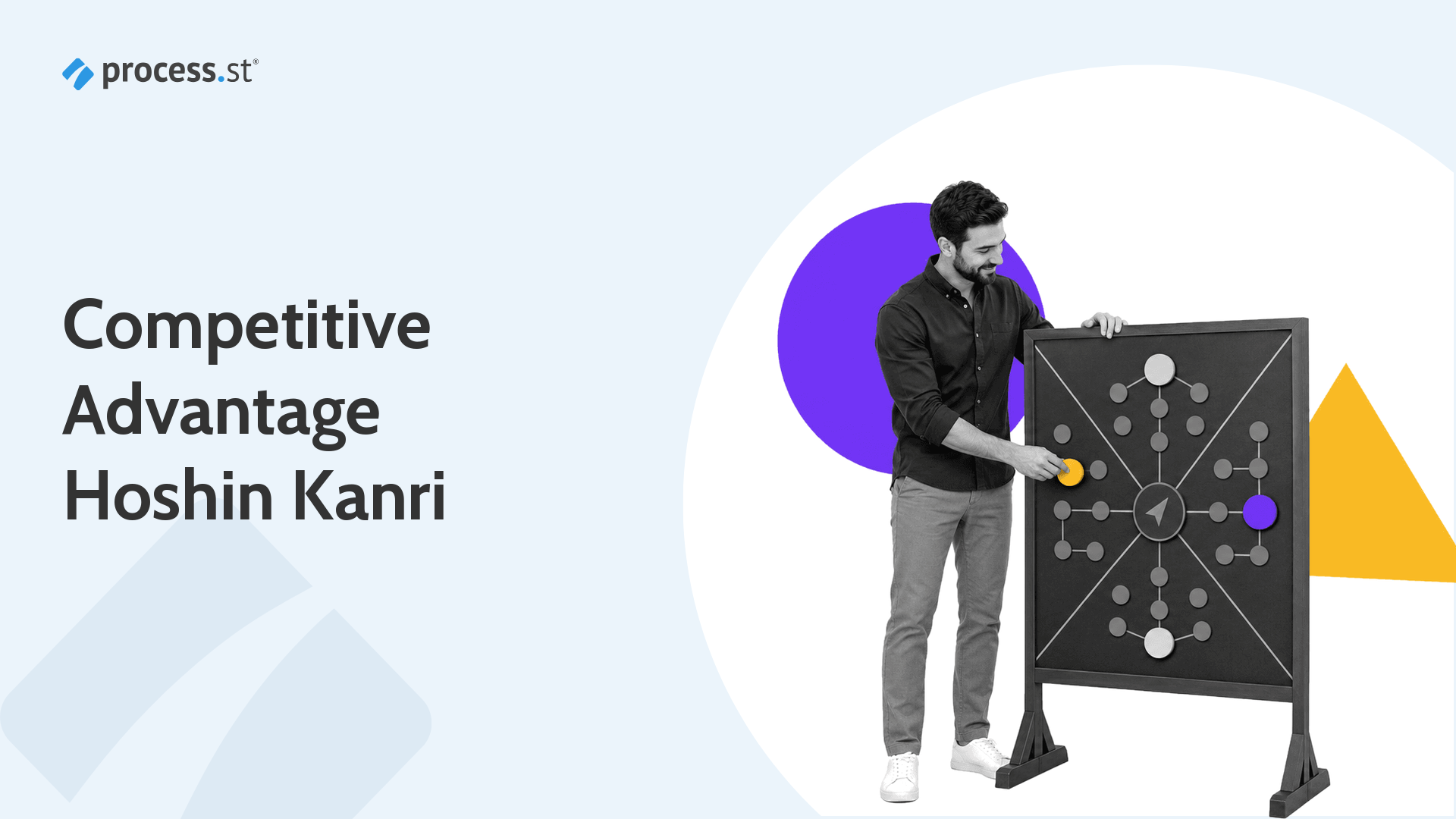
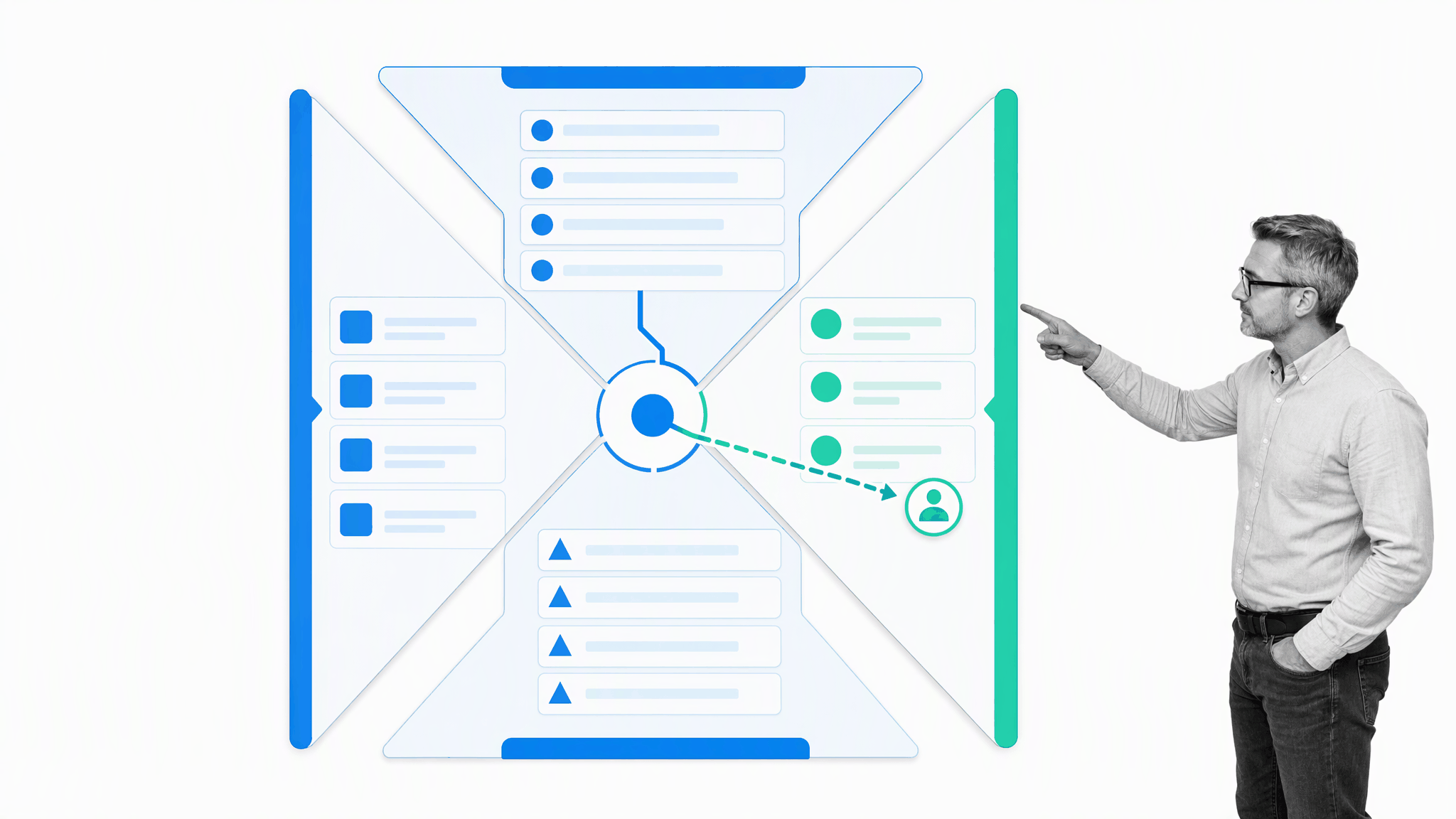
The most recognizable tool in the Hoshin arsenal is the X-Matrix. This compact, one-page visual serves as a strategic dashboard. It maps long-term goals at the bottom (South), annual objectives to the left (West), top-level priorities at the top (North), and performance metrics to the right (East). By placing ownership in a dedicated field, the X-Matrix eliminates ambiguity. If a project is listed on the matrix, it has a measurable target, a clear deadline, and a named owner. If a task fails to connect to a strategic objective, it is immediately identified as "non-value-add" work, allowing the organization to prune its project list and focus resources on what drives competitive advantage.
Chronology and Evolution: From Post-War Japan to Global Standard
The origins of Hoshin Kanri are deeply rooted in the post-Second World War Japanese industrial renaissance. Following the devastation of 1945, Japan faced a severe shortage of resources, infrastructure, and skilled management. To survive and eventually dominate the global market, Japanese firms needed a way to manage quality that was both efficient and organization-wide.
The Influence of Deming and Akao
In the 1950s, the renowned American statistician W. Edwards Deming introduced Japanese engineers and executives to the principles of statistical quality control and the PDCA cycle. While Deming provided the scientific framework, Japanese quality experts—most notably Yoji Akao—synthesized these teachings into a cohesive system of "Policy Deployment."
During the 1960s, companies like Bridgestone and Toyota began refining this approach. They realized that technical quality improvements were insufficient if they weren’t supported by aligned management policies. By the 1970s and 80s, the Hoshin Kanri framework had matured into a full-scale management philosophy. As Japanese manufacturing prowess grew, Western companies began to study and adopt these practices, recognizing that the secret to Japan’s success was not just lean production techniques, but the systematic, organization-wide alignment of strategy and execution.

Supporting Data: Why Alignment Matters
The empirical evidence supporting the use of Hoshin Kanri centers on the elimination of "strategic drift." Research into organizational behavior consistently suggests that in firms without a formal deployment process, up to 90% of employees are unaware of or do not understand their company’s core strategic priorities.
The Mechanism of Catchball
A critical differentiator in Hoshin Kanri is the process of "Catchball." If the strategic plan is the "ball," then leadership throws the ball to the frontline teams, who then "catch" it, examine it against the realities of the shop floor or the customer interface, and throw it back with feedback, constraints, and suggestions.
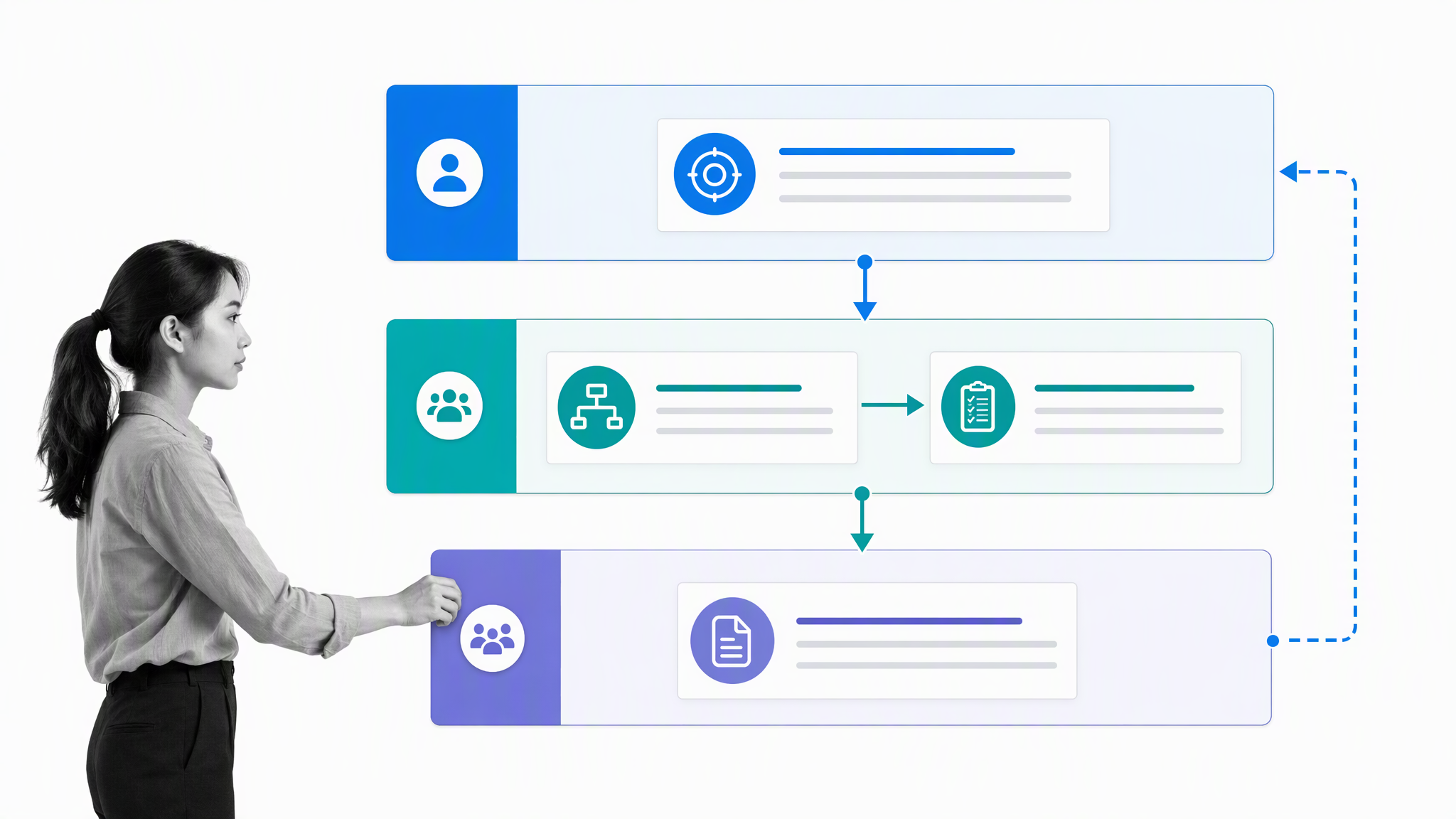
This iterative, two-way dialogue is vital for several reasons:
- Resource Reality: Frontline teams can identify capacity constraints that executives might miss.
- Operational Insight: Employees often know better than managers which tactical adjustments will actually lead to the desired outcome.
- Commitment: When teams participate in the negotiation of their own goals, accountability shifts from "compliance" to "ownership."
The data consistently shows that when organizations use this structured feedback loop, the rate of successful initiative completion rises significantly because the "plan" is grounded in operational truth rather than executive aspiration.
Official Perspectives: The Lean Enterprise Institute’s Stance
According to the Lean Enterprise Institute (LEI), Hoshin Kanri is not just a planning event; it is a management process. The LEI emphasizes that for a company to gain a true competitive advantage, it must stop treating strategy as a yearly presentation and start treating it as a recurring review rhythm.
"Strategy deployment is about aligning functions and activities with strategic objectives," notes the LEI’s leadership discourse. They highlight that Hoshin Kanri works because it forces a discipline of "problem-solving at the source." When a metric on the X-Matrix turns red, the response is not to increase pressure or blame; it is to trigger the PDCA cycle to identify the root cause of the deviation. This shift from "reporting status" to "solving problems" is what defines a mature Hoshin organization.

Implications for Modern Digital Transformation
In the era of rapid digital transformation, the principles of Hoshin Kanri are being integrated into modern operations platforms like Process Street. The implication for businesses is that while the philosophy of Hoshin remains timeless, the execution of it can be significantly accelerated through technology.
From Static Documents to Dynamic Workflows
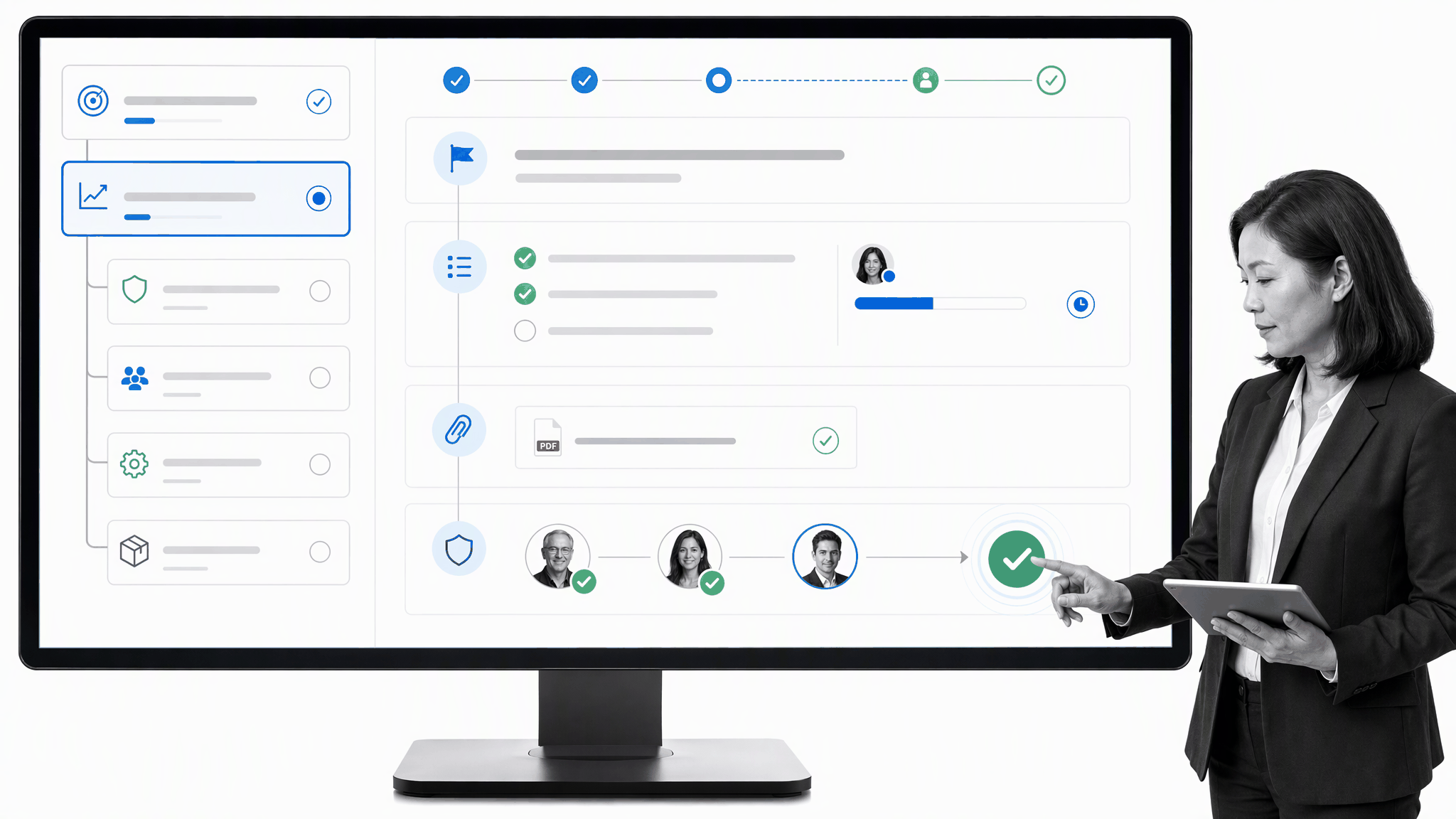
The traditional, paper-based Hoshin board is being replaced by digital operational management platforms. These platforms allow for:
- Automated Tracking: Real-time visibility into the status of breakthrough objectives.
- Controlled Procedures: Ensuring that the "Check" and "Act" phases of the PDCA cycle are governed by standard operating procedures (SOPs).
- Audit Trails: Maintaining a record of why certain strategies were adopted and how they were adapted over time, which is invaluable for organizational learning.
The Risk of Failure
Despite its power, Hoshin Kanri is not a silver bullet. The most common pitfall, as noted by industry consultants, is the "Too-Many-Priorities" trap. When an organization attempts to track 20+ breakthrough objectives, the strategy becomes "noise." A successful Hoshin implementation focuses on a small, manageable number of critical initiatives—typically three to five—that, if achieved, would fundamentally alter the company’s trajectory.
Furthermore, when the X-Matrix is treated as a "compliance report" rather than a "management tool," the organization loses the benefit of the catchball process. If leadership does not permit the feedback loop, they are not practicing Hoshin Kanri; they are simply enforcing a top-down mandate under a new name.
Conclusion: A Discipline of Learning
Ultimately, Hoshin Kanri is about creating a culture of continuous learning. It moves an organization away from the "firefighting" mode of management and toward a "compass-led" approach. By combining the rigor of PDCA, the collaborative spirit of catchball, and the visual clarity of the X-Matrix, firms can ensure that every employee, from the executive office to the front line, is pulling in the same direction.
As markets become more volatile and technology increases the pace of change, the ability to align an entire organization quickly is the ultimate competitive advantage. Hoshin Kanri provides the discipline to choose the right path, the structure to walk it together, and the intelligence to correct course when the winds of the market shift. It is, quite simply, the difference between having a plan and having a strategy that works.