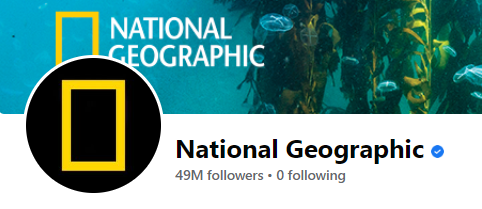
In the sprawling digital landscape of Meta’s flagship platform, the blue verification badge has become more than just a decorative icon—it is a hallmark of digital sovereignty. For influencers, public figures, and global brands, the blue checkmark serves as a critical line of defense against the rising tide of impersonation and identity theft. However, as many users have discovered, the path to obtaining this badge is often shrouded in mystery, governed by an opaque set of internal criteria.
Understanding the mechanics of Facebook verification is essential for any business aiming to establish authority, enhance its search visibility, and build lasting trust with its audience. This guide explores the historical evolution of the badge, the practical steps to secure it, and the ongoing commitment required to maintain it.
The Evolution of the Blue Checkmark: A Chronology
The concept of account verification did not emerge overnight; it was a measured response to the growing need for accountability on social media.
- 2013: The Genesis. Following the precedent set by Twitter, Facebook introduced its verified Pages and profiles. Initially, this program was exclusive, reserved for a select tier of celebrities, global artists, and prominent media organizations to ensure users could distinguish authentic accounts from fan pages or malicious spoofs.
- 2018: Democratization of Verification. As the platform grew, so did the need for broader authentication. Facebook expanded its verification criteria, moving beyond A-list celebrities to include Pages with significant followings and, eventually, individual profiles that met specific thresholds of public interest.
- The Present Era: Today, the verification process has been streamlined into a standardized form, yet the underlying requirements remain rigorous. Facebook has moved away from legacy programs, such as gray badges for local businesses, in favor of a unified blue-checkmark system that emphasizes "authenticity" and "notability."
Decoding Facebook’s Criteria: What They Really Want
When you submit your application, Facebook’s internal review teams evaluate your profile based on four core pillars: Authenticity, Uniqueness, Completeness, and Notability.
Authenticity
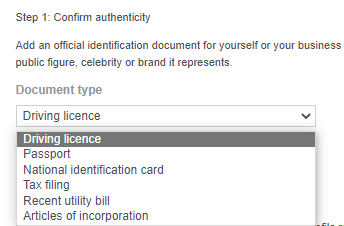
Facebook must be able to confirm that your account represents a real person, a registered business, or a verified entity. This is why the platform mandates the submission of government-issued identification—such as a driver’s license, passport, or tax documentation—for individuals, or official business registration documents for companies.
Uniqueness
The platform generally allows only one verified account per person or business. There are exceptions for language-specific versions of a brand, but generally, if you are attempting to verify multiple duplicate pages, your application will likely be rejected.
Completeness
An abandoned or sparsely populated page is rarely verified. Your account must be active, have a clear profile picture, a comprehensive "About" section, and recent, consistent activity.
Notability
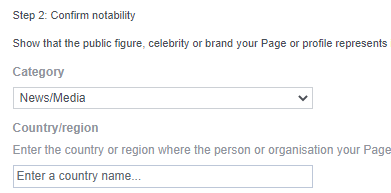
This is often the greatest hurdle. Facebook defines "notability" as being a person or brand that is searched for and featured in multiple, independent news sources. Paid or promotional content does not count toward this metric. You must prove that your brand has a footprint outside of Facebook, making you a target for potential impersonation.
The Strategic Roadmap to Verification
Securing the blue badge requires a "pre-flight" checklist. Before you click "submit," your digital presence must be optimized to meet the high standards expected by Meta’s moderation team.
1. Curating Your Professional Image
Your Facebook Page is your digital storefront. To appear legitimate, your brand information must be consistent across the web. Ensure that your address, phone number, and official website URL are updated and match the information on your other social media channels and your official corporate website.
2. The Importance of "Off-Platform" Notability
Because Facebook prioritizes independent sources, it is highly recommended to cultivate press mentions before applying. If your business has been featured in reputable newspapers, industry blogs, or digital magazines, these articles serve as objective proof of your public interest. When you fill out the application form, you are permitted to provide up to five links to such content. Ensure these links point to credible, non-promotional sources.
3. Fostering Community Engagement
A large, dormant following is less impressive to an algorithm than a smaller, highly engaged community. Use your Page to foster genuine interaction. Respond to comments, host polls, and share content that invites conversation. High engagement rates signal to Facebook that your brand is a central hub for your specific niche, further justifying the need for a verification badge.
4. The "About" Section: A Deep Dive
The "About" section is your opportunity to speak directly to the reviewers. Provide a comprehensive summary of your organization’s history, its mission, and its role in the industry. Be specific about your target audience and the regions where your brand holds the most influence.
Maintaining the Badge: Security and Compliance
Verification is not a "set it and forget it" milestone. It is a status that can be revoked if you violate Meta’s Terms of Service or fail to maintain the security of your account.
Mandatory Two-Factor Authentication
Once you have obtained the blue badge, your account becomes a high-value target for hackers. It is non-negotiable to enable two-factor authentication (2FA). By requiring a secondary verification method—such as an authenticator app or an SMS code—you protect your hard-earned status from unauthorized access.
Intellectual Property and Community Standards
Verified entities are held to a higher standard. You must strictly adhere to Facebook’s Community Standards. This includes respecting intellectual property rights; never post copyrighted music or images without permission. Additionally, avoid controversial or low-quality content that could result in "strikes" against your page. Any violation of these standards can lead to the immediate stripping of your verification badge.
Implications for Businesses
The implications of being verified extend far beyond vanity.
- Search Engine Optimization (SEO): Verified Pages generally rank higher in Facebook’s internal search results. When a customer searches for your brand name, an authentic, verified Page is the first thing they see, which significantly improves conversion rates.
- Trust and Brand Loyalty: In an age of rampant phishing and "catfishing," the blue checkmark acts as a visual shorthand for trust. Consumers are significantly more likely to engage with and purchase from a verified brand because it provides the psychological safety that they are dealing with the legitimate entity.
- Data and Insights: Verified Pages often gain access to advanced administrative features, providing better data on audience demographics and engagement, which in turn informs more effective marketing strategies.
Final Thoughts: The Path Forward
The process of verification is intentionally rigorous to prevent the badge from losing its value. While there is no "shortcut" to getting verified—and no way to guarantee acceptance—the effort you put into building a professional, notable, and highly engaged presence will pay dividends regardless of the badge.
By refining your branding, documenting your notability, and strictly maintaining security protocols, you position your organization as a leader in your field. In the digital economy, authenticity is the ultimate currency. Earning your blue checkmark is the public declaration that your business has arrived, is here to stay, and is ready to serve its audience with the credibility they demand.
For those looking to streamline their efforts, utilizing professional management tools—such as those offered by Hootsuite—can help you maintain the consistent, high-quality output required to sustain your status. By scheduling posts, engaging with your community, and measuring your performance from a centralized dashboard, you ensure that your brand remains on the right side of the verification threshold, day in and day out.