Introduction: The Unsung Heroes of the Planet
In an era defined by rapid technological advancement and industrial expansion, humanity is increasingly looking toward one of its oldest allies for salvation: the tree. Far from being mere decorative elements of the landscape or sources of timber, trees are sophisticated biological machines that regulate the very systems upon which life depends. From the microscopic processes of photosynthesis to the macro-level stabilization of global weather patterns, trees act as the planet’s primary environmental stabilizers. As the global community grapples with the accelerating threats of climate change, biodiversity loss, and urban degradation, understanding the multi-faceted role of forests has never been more urgent.
Main Facts: The Pillars of Ecological Stability
The Carbon Sink Engine
At the core of the tree’s environmental contribution is its capacity to serve as a natural carbon scrubber. Through the process of photosynthesis, trees sequester atmospheric carbon dioxide ($CO_2$), converting it into biomass—trunks, branches, roots, and foliage. This sequestered carbon remains trapped within the tree’s structure for its entire lifespan and often continues to be stored in the soil long after the tree has matured. According to the Food and Agriculture Organization (FAO) of the United Nations, forests currently cover approximately 31% of the world’s land mass, acting as the primary engine of the global carbon cycle.
Air Quality and the Urban Shield
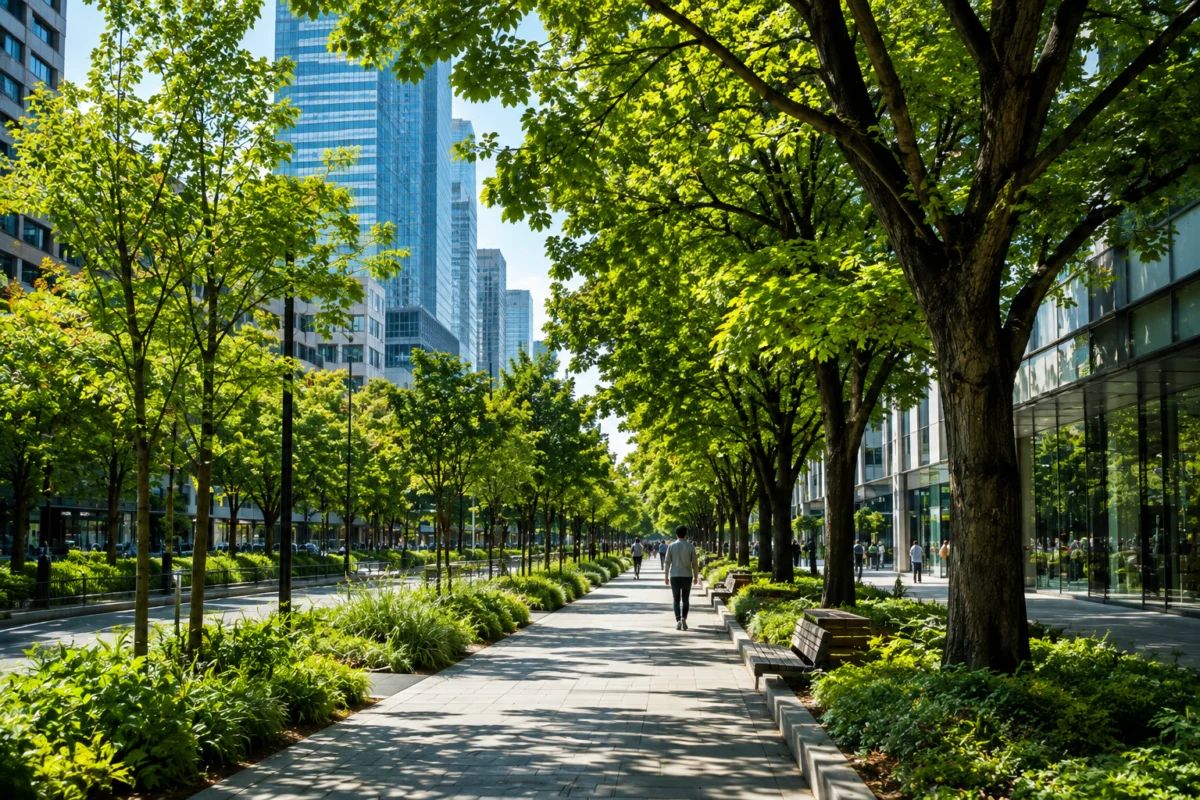
In our densely populated urban centers, trees function as a vital filtration system. Their leaves and bark act as biological sponges, trapping particulate matter, dust, and gaseous pollutants emitted by vehicular traffic and industrial processes. By absorbing nitrogen dioxide, sulfur dioxide, and ground-level ozone, trees provide a critical buffer for human health. Furthermore, they mitigate the "urban heat island" effect—a phenomenon where asphalt and concrete trap heat, raising city temperatures significantly above rural surroundings. Through the dual mechanisms of shade and evapotranspiration, trees cool the air, effectively lowering energy consumption by reducing the reliance on artificial air conditioning.
Biodiversity: The Living Library
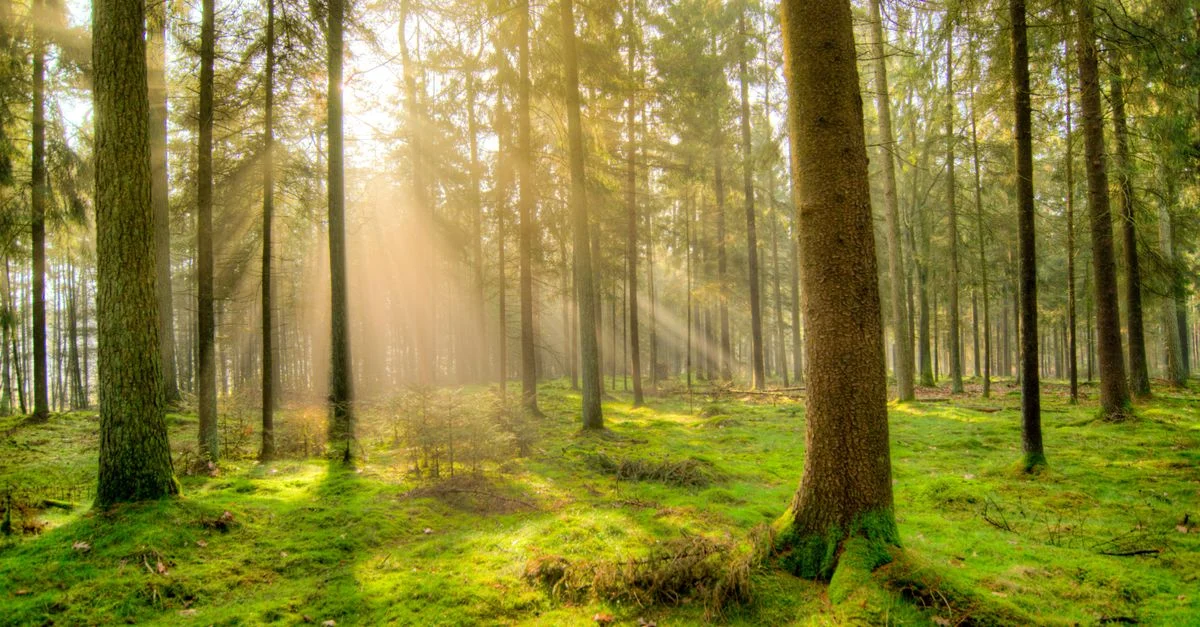
Forests are the world’s most complex biodiversity hubs. They are not merely collections of timber but intricate networks of life. The FAO reports that forests provide sanctuary for 80% of terrestrial amphibians, 75% of bird species, and 68% of mammal species. Each tree acts as a micro-ecosystem, supporting fungi, insects, and microorganisms that are essential for soil health and nutrient recycling.
Chronology: A History of Exploitation and Emerging Awareness
- Pre-Industrial Era: Forests covered nearly 50% of the Earth’s land surface, acting as stable, undisturbed carbon reservoirs for millennia.
- The Industrial Revolution (18th–19th Century): Massive deforestation began in Europe and North America to clear land for agriculture and provide fuel for burgeoning industries.
- Mid-20th Century: The acceleration of industrial agriculture in tropical regions—specifically the Amazon Basin and Southeast Asia—led to unprecedented rates of forest loss.
- 1992 Earth Summit (Rio): The global community formally acknowledged the link between forest health and climate stability, leading to the Convention on Biological Diversity.
- 2015 Paris Agreement: Forests were codified as a central pillar in the "Nature-Based Solutions" strategy to limit global warming to 1.5°C.
- Present Day: Global discourse has shifted from simple "tree planting" to a more nuanced focus on "forest protection and landscape restoration," acknowledging that mature, old-growth forests offer ecological benefits that newly planted saplings cannot replicate.
Supporting Data: The Scale of the Crisis
The importance of forests is best understood through the stark statistics provided by international environmental agencies:
- Carbon Release: When forests are degraded, they transition from being carbon sinks to carbon sources. Deforestation is estimated to contribute nearly 10-15% of annual global greenhouse gas emissions.
- Water Cycle Regulation: A single large tree can release hundreds of gallons of water into the atmosphere daily through transpiration, creating the humidity necessary for rainfall far inland.
- Soil Protection: Trees act as the primary defense against soil erosion. On steep hillsides, root systems act as anchors, preventing the loss of fertile topsoil that is essential for global food security.
- Economic Impact: Beyond ecology, forests provide direct livelihoods for over 1.6 billion people worldwide, including indigenous communities who serve as the most effective stewards of forest health.
Official Responses and Policy Frameworks
Governments and international bodies are currently recalibrating their environmental policies to prioritize forest preservation.
The Shift from Planting to Protecting
While reforestation programs have been popular, the scientific consensus—backed by bodies like the IPCC—has shifted toward the protection of existing primary forests. The rationale is clear: a 200-year-old forest contains a level of soil carbon and biological complexity that a monoculture plantation cannot replicate for centuries.
Sustainable Land Management
The UN’s "Decade on Ecosystem Restoration" (2021–2030) represents a global mandate to prevent, halt, and reverse the degradation of ecosystems. This involves:
- Stricter Supply Chain Regulation: Preventing the import of commodities (such as soy, beef, and palm oil) that are linked to illegal deforestation.
- Indigenous Land Rights: Granting legal recognition to indigenous groups, as data consistently shows that indigenous-managed lands have significantly lower deforestation rates than government-managed or private lands.
- Urban Forestry Mandates: Cities like Singapore and Melbourne have implemented "Green Plot Ratio" requirements, mandating that new developments include significant tree canopy coverage.
Implications: The High Cost of Inaction
The failure to protect our remaining forests carries existential implications.
The Fragility of the Water Cycle
The loss of tropical forests disrupts the "biotic pump"—the mechanism by which forests pull moisture from the oceans onto land. The destruction of the Amazon, for instance, threatens the agricultural output of the entire South American continent by reducing rainfall patterns.
Biodiversity Collapse
Habitat fragmentation is the leading driver of species extinction. When forests are cut into smaller "islands," populations become isolated, losing the genetic diversity required to survive disease or climate shifts. This triggers a cascading effect, where the loss of a single pollinator or soil-dwelling insect can undermine the stability of an entire food web.
The Feedback Loop of Climate Change
As forests die due to extreme weather, wildfires, and pest outbreaks, they release their stored carbon, further warming the planet and leading to even more forest death. This "positive feedback loop" is one of the most dangerous tipping points in modern climate science.
Conclusion: A Call for Holistic Stewardship
Trees are the silent sentinels of the Earth. They work tirelessly to cool our cities, purify our air, stabilize our soils, and anchor the global climate. However, the narrative that we can simply "plant our way out" of the climate crisis is a dangerous oversimplification.
True forest management requires a three-pronged approach:
- Absolute Preservation: Protecting the remaining primary forests from all forms of extraction.
- Strategic Restoration: Restoring degraded landscapes using native, biodiverse species rather than monoculture timber plantations.
- Sustainable Integration: Incorporating trees into our urban and agricultural planning to create a mosaic of human and natural development.
As we look toward the future, the health of our forests will be the ultimate barometer of our success. Protecting these ecosystems is not merely an act of environmental charity; it is a fundamental act of self-preservation. By recognizing that we are part of a shared biological community, we can ensure that the next generation inherits a planet that is not only habitable but thriving. The trees have done their part for millions of years; the responsibility now rests with us to ensure they continue to stand.