In a move that marks one of the most significant shifts in its long-standing business model, British retail giant Argos has announced an ambitious strategy to scale its "Trusted Sellers" platform. Following a highly successful pilot program, the retailer intends to aggressively expand its marketplace, aiming to offer upwards of 130,000 products from vetted third-party partners by the close of 2026. This pivot represents a fundamental evolution for the company, moving from a traditional inventory-led retailer to a comprehensive, multi-category digital marketplace destination.
The Evolution of a Retail Icon: Main Facts
For decades, Argos has occupied a unique space in the British high street ecosystem. Renowned for its iconic catalogues and streamlined collection process, the brand has historically relied on a centralized inventory model. The "Trusted Sellers" initiative breaks that mold by integrating third-party vendors directly into the Argos digital storefront.
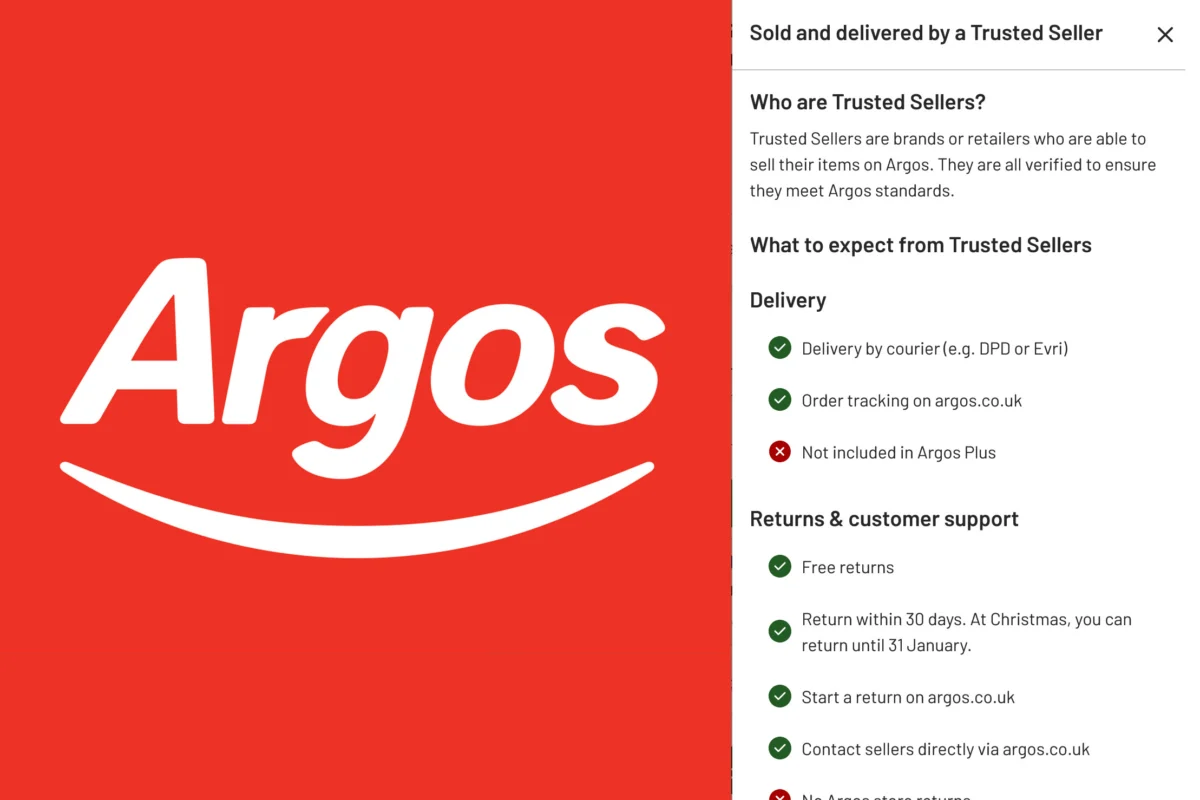
The core premise of the initiative is simple: Argos acts as the curator and the digital storefront, while independent brands and retailers fulfill the orders directly. However, unlike open-market platforms that often struggle with quality control, Argos is placing a premium on vetting. Every partner invited to the platform must meet stringent quality and service standards, ensuring that the "Argos experience"—defined by reliability and customer trust—remains intact.
As of the latest update, the platform already boasts a catalog of over 70,000 products. This inventory expansion covers an increasingly diverse array of sectors, including home goods, furniture, toys, electricals, and the rapidly growing health and beauty segment.
A Chronological Roadmap: From Trial to Transformation
The trajectory of the Trusted Sellers program has been characterized by rapid iteration and measured growth.
- July 2026 (The Pilot): Argos officially launched the trial phase with 40 hand-picked partners. The primary objective was to test the technical integration of third-party logistics and gauge consumer reaction to non-Argos-owned inventory.
- Late 2026 (Rapid Scaling): Following the positive reception of the pilot, Argos accelerated its onboarding process. Within months, the number of available products swelled to over 70,000, signaling a strong appetite from both sellers and shoppers for an expanded product range.
- 2027-2028 (The Expansion Phase): Current projections indicate a steady climb in product listings. By the end of 2026, the company expects to reach its milestone of 130,000 items. This phase focuses on diversifying categories, moving into niche markets such as high-end beauty and specialized gifting.
- 2026 and Beyond (Long-term Integration): The overarching strategy is the complete embedding of the marketplace model into the broader Argos ecosystem, including loyalty schemes like Nectar and the seamless integration of Argos’s digital payment infrastructure.
Supporting Data and Market Reach
The strategic decision to expand the Trusted Sellers program is backed by significant data regarding Argos’s current market penetration. With the retailer currently reaching nearly half of all UK households and capturing over one billion annual visits across its website and mobile application, the digital footprint is immense.
By leveraging this existing traffic, Argos is essentially creating a "destination site" where consumers can complete larger "shopping missions" in a single visit. For the consumer, this mitigates the need to toggle between different websites, as items from third-party sellers are now searchable alongside traditional Argos stock.
Key data points regarding the expansion include:
- Current Scale: 70,000+ products currently live.
- Target Scale: 130,000+ products by the end of 2026.
- Category Diversification: Initial focus on furniture and toys has pivoted to include high-traffic categories like electricals, gifting, and premium health and beauty (including brands such as Clarins, Dermalogica, and Medicube).
- Loyalty Retention: Despite the third-party nature of the fulfillment, customers retain the ability to collect Nectar Points, ensuring that the ecosystem remains incentivized for the frequent shopper.
Official Perspectives: The Vision from the Top
Graham Biggart, Managing Director of Argos, has been the primary architect of this transition. In his official communications, Biggart emphasizes that the goal is not just to sell more, but to offer a better, more convenient experience.
"Argos has always been famous for offering customers amazing brands and own brands," Biggart stated. "The launch of Trusted Sellers enables us to complement those ranges with thousands of new lines from brands and independent businesses that mean our customers get an even wider range."
Biggart’s rhetoric consistently centers on the concept of the "shopping mission." By broadening the catalog, Argos aims to become a one-stop-shop for the British consumer. He notes, "Our ambition is simple—to make Argos the place customers can come to complete more of their shopping mission in one visit. Trusted Sellers allows us to significantly expand the range available to customers whilst maintaining the trust, convenience and shopping experience they expect from Argos."
Crucially, Biggart addresses the elephant in the room regarding third-party marketplaces: quality assurance. "Because we review every partner, customers can trust that every product meets the standards they expect from Argos," he maintains. This serves as a vital differentiator in a market saturated with unverified marketplace items.
Strategic Implications: What This Means for Retail
The expansion of the Trusted Sellers program is not an isolated experiment; it is a core pillar of a broader digital transformation program currently underway at Argos. The implications for the retail industry and the consumer are profound.
1. The Death of the Niche Retailer
Argos is signaling that the era of the "siloed" retailer is ending. By utilizing its massive digital traffic, Argos is positioning itself as a platform, not just a store. This allows them to test new categories—like prestige beauty—without the heavy capital expenditure of stocking inventory and managing complex supply chains for those specific products.
2. Competition with Marketplace Giants
By scaling its marketplace, Argos is placing itself in direct competition with the likes of Amazon and eBay. However, Argos possesses a unique "omnichannel" advantage. While Amazon struggles with physical presence, Argos has its extensive network of stores and rapid delivery capabilities. If Argos can successfully weave the Trusted Sellers experience into its "Click and Collect" model, it could create a hybrid shopping experience that pure-play marketplaces cannot match.
3. Opportunities for SME Growth
For independent businesses, the ability to sell through the Argos portal is a significant growth opportunity. By partnering with a brand that carries the weight and trust of Argos, smaller companies can bypass the difficult "customer acquisition" phase. Argos is actively encouraging applications, particularly in the health, beauty, gifting, and electrical sectors, indicating that this is a major recruitment drive for the platform.
4. Enhancing the Digital Customer Experience
The broader transformation program includes investments in "Argos Pay," faster logistics, and an improved mobile app interface. The Trusted Sellers expansion acts as the "content" that populates these upgraded digital channels, making the app more valuable to the user. When a customer knows they can find their skincare, a new kitchen appliance, and a birthday gift in one checkout, the "stickiness" of the Argos app increases significantly.
Conclusion: A Future-Proofed Argos
As Argos pushes toward the 130,000-product mark, the focus will undoubtedly shift toward maintaining the delicate balance between rapid growth and consistent quality. The integration of third-party vendors is a calculated risk that, if managed with the rigor suggested by Biggart, could solidify Argos as the primary digital shopping destination in the UK.
For the consumer, the evolution of the Trusted Sellers platform promises a more robust selection of products without sacrificing the reliability associated with the Argos name. For the retail industry, it is a masterclass in leveraging existing digital assets to pivot toward a modern, marketplace-driven future. As the 2026 deadline approaches, all eyes will be on whether Argos can continue to scale its operations while keeping its reputation as the "most trusted" shop on the high street firmly intact.
Those looking to join this retail evolution are encouraged to visit the official Argos Seller Portal to learn more about the requirements and the application process.