As the calendar turns to the second full week of January 2026, market participants and policy analysts are bracing for a high-impact slate of economic reports. This week’s data releases are expected to provide the Federal Reserve and Wall Street with a clearer picture of whether the U.S. economy is successfully navigating a "soft landing" or if inflationary pressures remain more entrenched than anticipated.
The agenda is headlined by the Consumer Price Index (CPI) and the Producer Price Index (PPI), which will serve as the primary litmus tests for current inflationary trends. Simultaneously, a flurry of housing data—including New Home Sales for the delayed months of September and October, and Existing Home Sales for December—will offer vital insights into the interest-rate-sensitive real estate sector.
Main Facts: The Macroeconomic Landscape
The upcoming week is characterized by a "triple threat" of data: inflation, consumer spending, and the industrial pulse of the nation. Following a relatively quiet start to the week, the intensity of data flow will accelerate rapidly on Tuesday and Wednesday.

Economists are particularly focused on the CPI data, as the Federal Reserve weighs the timing of potential interest rate adjustments. Current consensus forecasts suggest a modest 0.3% increase in both headline and core CPI, keeping the year-over-year rate steady at 2.7%. Meanwhile, the retail sector will be under the microscope; November’s retail sales figures are expected to show a 0.4% increase, offering a critical look at the strength of the American consumer heading into the tail end of the year.
Furthermore, the industrial sector will face scrutiny through the release of the December Industrial Production report and regional manufacturing surveys from the New York and Philadelphia Federal Reserve Banks. These reports will determine if the manufacturing sector is stabilizing or if persistent headwinds continue to drag on domestic production.
Chronological Breakdown of the Week
Monday, January 12
The week begins with a quiet economic calendar, offering a "calm before the storm" for traders and analysts. No major federal economic reports are scheduled for release, allowing the market to digest the previous week’s volatility and position itself for the upcoming data-heavy sessions.

Tuesday, January 13
- 6:00 AM: The NFIB Small Business Optimism Index for December provides an early look at how the nation’s smaller enterprises perceive current economic conditions.
- 8:30 AM: Consumer Price Index (CPI) for December. This is the week’s centerpiece. A 0.3% monthly increase is expected, keeping the annual rate at 2.7%. Any deviation from this consensus could trigger significant movement in Treasury yields.
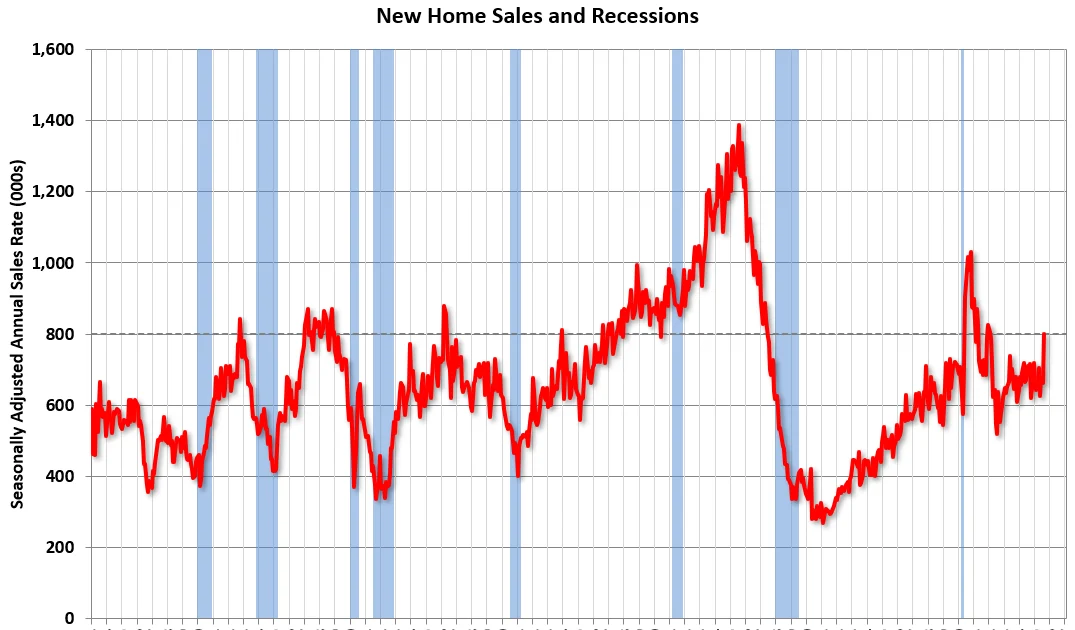
- 10:00 AM: New Home Sales (September and October). The Census Bureau will clear the backlog for the late-Q3 and early-Q4 periods. With a consensus of 714,000 seasonally adjusted annual rate (SAAR) for October, analysts are looking for signs of resilience in the new construction market.
Wednesday, January 14
- 7:00 AM: The Mortgage Bankers Association (MBA) will release two weeks of data regarding the mortgage purchase applications index, serving as a leading indicator for housing demand.
- 8:30 AM: Producer Price Index (PPI) for December. Often viewed as a harbinger for consumer prices, the PPI is expected to show a 0.3% increase, with core PPI rising by 0.2%.
- 8:30 AM: Retail Sales (November). This data is crucial for assessing consumer health. Consensus expectations hover around a 0.4% increase.
- 10:00 AM: Existing Home Sales (December). The National Association of Realtors (NAR) is expected to report a rise to 4.23 million SAAR, up from 4.13 million in the prior month.
- 2:00 PM: Federal Reserve Beige Book. This anecdotal summary of economic conditions across the 12 Federal Reserve Districts will provide qualitative context to the quantitative data released earlier in the week.
Thursday, January 15
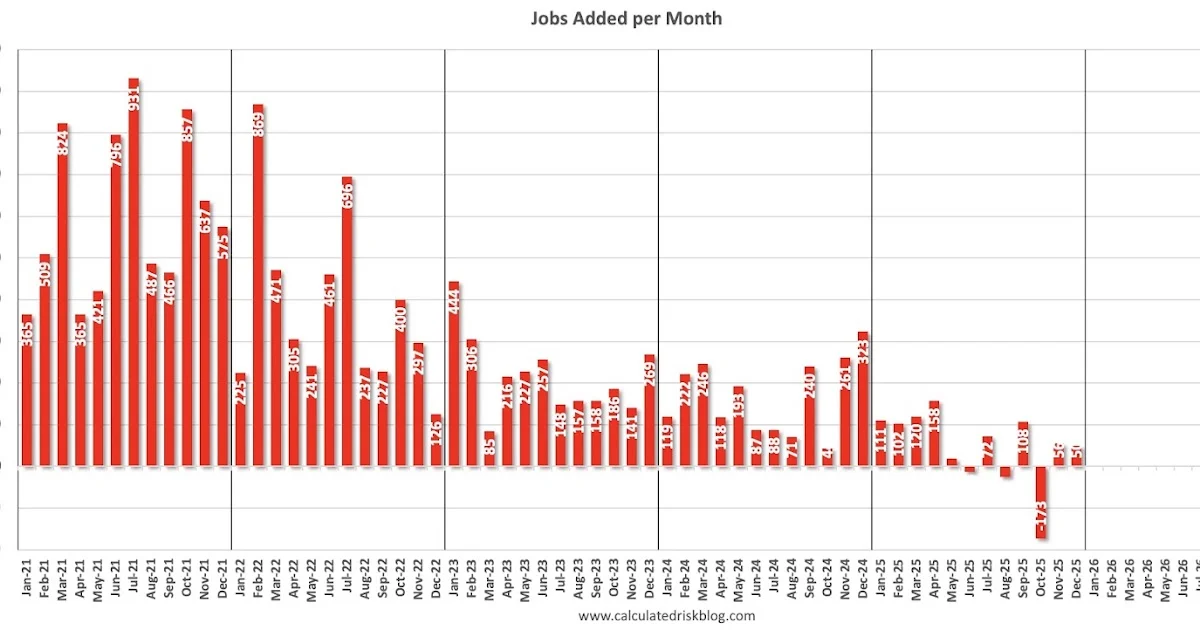
- 8:30 AM: Initial Weekly Unemployment Claims. Analysts are watching for stability at the 208,000 mark.
- 8:30 AM: Manufacturing Surveys. Both the NY Fed’s "Empire State" survey and the Philly Fed survey will be released. Expectations are for slight improvements, with the Empire State index projected at 1.0 and the Philly Fed at -5.0.
Friday, January 16
- 9:15 AM: Industrial Production and Capacity Utilization (December). A 0.2% increase in production is expected, with capacity utilization holding steady at 76.0%.
- 10:00 AM: NAHB Homebuilder Survey. Builders remain cautious, with a consensus of 40—a figure that underscores the industry’s ongoing struggle with sentiment, as any number below 50 indicates a negative view of market conditions.
Supporting Data: Understanding the Trends
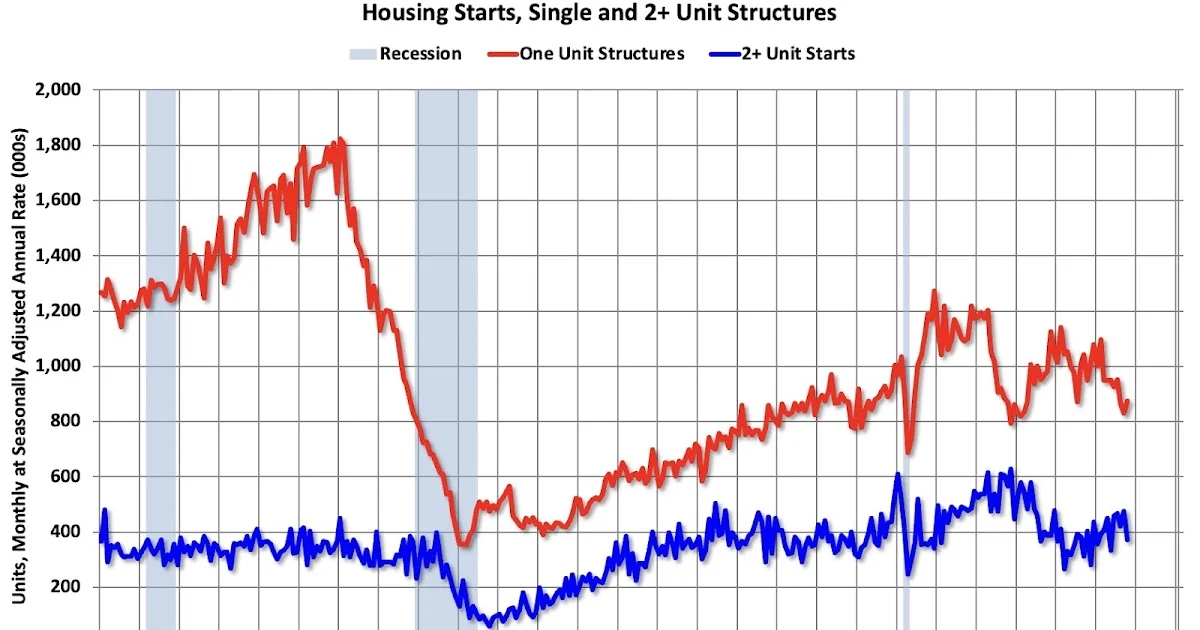
The housing market remains in a state of flux. The data for New Home Sales, particularly the catch-up reports for September and October, will reveal how builders responded to mortgage rate fluctuations in the fall. The existing home market, conversely, continues to face inventory challenges. While the forecast of 4.23 million units suggests a modest rebound, the market remains historically suppressed compared to pre-pandemic levels.
The manufacturing sector continues to oscillate near the "contractionary" line. The regional surveys (NY and Philly Fed) are essential here, as they often capture changes in sentiment faster than national output reports. The fact that the Philly Fed survey is expected to move from -10.2 to -5.0 suggests a slow, painful crawl back toward growth, rather than a sharp recovery.
Inflation remains the overarching narrative. With core CPI and core PPI both expected to show low-to-moderate growth, the market is betting on a "sticky but controlled" inflation environment. If the actual prints exceed the 0.3% consensus, the narrative of "higher for longer" interest rates will inevitably gain momentum.

Official Responses and The Fed’s Stance
The release of the Federal Reserve Beige Book on Wednesday afternoon is perhaps the most anticipated qualitative event of the week. Unlike the rigid numerical data of the CPI or PPI, the Beige Book captures the "ground truth" as reported by businesses, community banks, and regional leaders.
Market participants will be scouring the document for mentions of "labor hoarding," "pricing power," and "consumer fatigue." If the Beige Book reveals that businesses are finding it harder to pass on costs to consumers, it would signal to the Federal Reserve that the current monetary policy is working as intended. Conversely, any mention of a resurgence in wage pressures would likely spook bond markets and increase the volatility of Treasury futures.
Implications: Navigating the Coming Months
The implications of this week’s data are far-reaching for three main sectors:

- Monetary Policy: If inflation data (CPI/PPI) comes in "hotter" than expected, the Federal Reserve will likely adopt a more hawkish tone in its upcoming February meeting. A hotter print limits the Fed’s ability to pivot toward rate cuts, potentially maintaining the current interest rate environment well into the spring.
- Consumer Discretionary Spending: The retail sales report will be a direct reflection of the consumer’s ability to withstand inflation. A print significantly below 0.4% would raise red flags regarding the sustainability of the current economic expansion, suggesting that households are finally reaching a "spending wall."
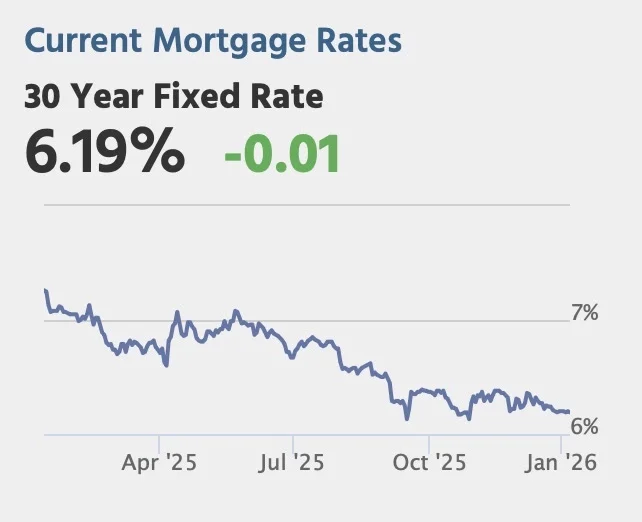
- Real Estate Market Dynamics: The combination of MBA mortgage application data, New Home Sales, and Existing Home Sales will dictate the near-term outlook for the housing sector. If sales figures underperform, it may put pressure on the Federal Reserve to consider how housing supply constraints are interacting with interest rate policy.
As the economy enters the second half of January, the volatility seen in the early days of the year is likely to continue. Investors are advised to look beyond the top-line numbers of the CPI and Retail Sales, focusing instead on the regional manufacturing nuances and the qualitative insights within the Beige Book. This week will not only provide a snapshot of the current state of the U.S. economy but will also delineate the boundaries of what is possible for fiscal and monetary policy in the first quarter of 2026.