By Supply Chain Dive Staff
Published October 8, 2026
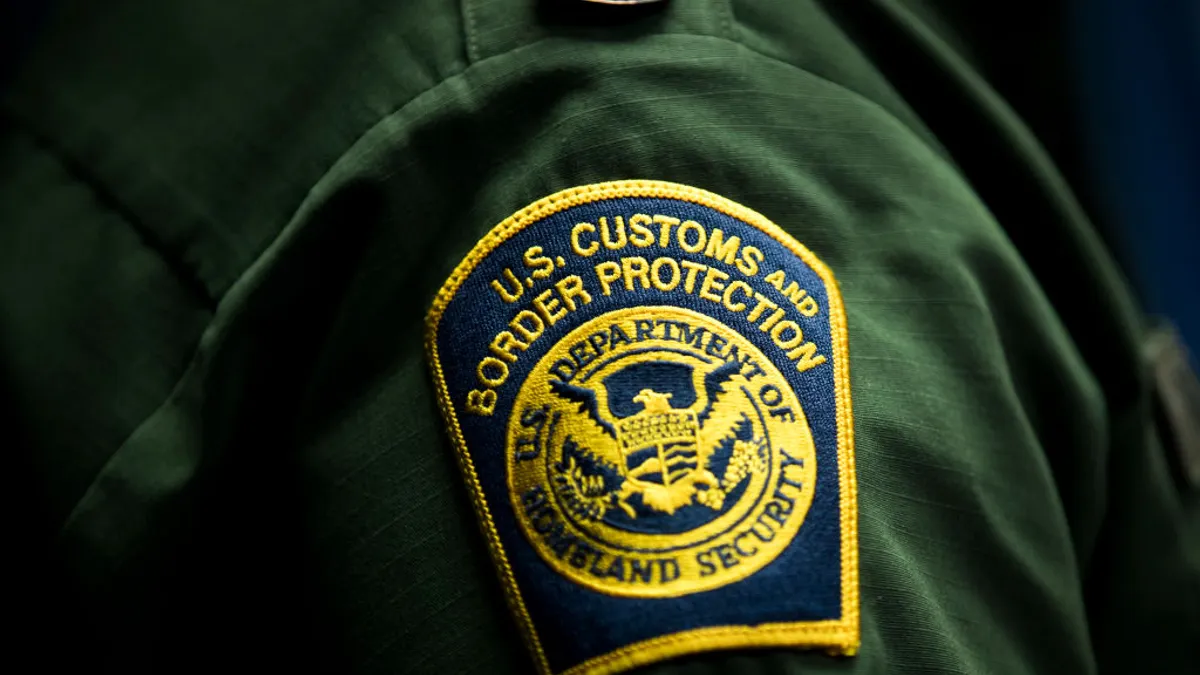
U.S. Customs and Border Protection (CBP) has reached a pivotal milestone in the long-running saga of tariff refunds, officially commencing the processing of "finally liquidated entries" for businesses that successfully challenged the legality of tariffs imposed under the International Emergency Economic Powers Act (IEEPA). This development marks a significant shift in the agency’s administrative capacity, though it comes with strict procedural caveats that continue to frustrate some market participants.
According to a court filing dated October 6, 2026, the agency has now integrated these finalized entries into its Consolidated Administration and Processing of Entries (CAPE) portal. While this is a welcome advancement for the trade community, the path to reimbursement remains narrow, governed by specific deadlines and legal constraints that require careful navigation by corporate compliance teams.
The Core Developments: Accessing the CAPE Portal
The CAPE portal serves as the primary mechanism for distributing billions of dollars in refunds following the Supreme Court’s landmark ruling earlier this year, which invalidated specific trade duties enacted under emergency executive powers. Brandon Lord, executive director of CBP’s Trade Programs Directorate, confirmed in the recent filing that the agency is now systematically addressing the backlog of claims.
However, the rollout is not universal. CBP has implemented a "gatekeeper" system based on administrative deadlines. Currently, only those plaintiffs who successfully submitted a valid importer of record number to CBP by the cutoff date of July 30, 2026, are eligible to receive refunds for finally liquidated entries.
For the many businesses that submitted their information after this deadline, the path forward remains murky. The agency has not yet provided a specific timeline for when these late-filers will see their claims processed, leaving a significant portion of the business community in a state of administrative limbo.
A Chronology of the IEEPA Tariff Saga
The journey toward these refunds has been characterized by intense litigation and iterative administrative efforts. To understand the current state of affairs, one must look at the timeline of events that brought the industry to this point:
- February 2026: The Supreme Court of the United States issued a ruling invalidating a suite of tariffs previously enacted under the International Emergency Economic Powers Act (IEEPA), effectively declaring them an overreach of executive authority.
- Early 2026: In the wake of the ruling, the Court of International Trade (CIT) issued orders directing CBP to begin the process of refunding duties. Initially, this focused on unprocessed or unfinalized entries.
- Mid-2026: The CIT expanded its scope, ruling that CBP must also provide refunds for "finally liquidated" entries—a move that dramatically increased the financial stakes of the litigation.
- July 2026: CBP targeted the end of this month for the Phase 3 rollout of the CAPE portal, intended to handle these liquidated entries. Due to technical and administrative complexities, this phase was delayed.
- Late Summer 2026: The Department of Justice filed an appeal, challenging the CIT’s jurisdiction to issue a universal refund order, arguing that such relief should be limited strictly to those who actively participated in the litigation.
- October 2026: CBP officially launched the processing of these finally liquidated entries through the CAPE portal, though with the aforementioned July 30 deadline restriction.
Supporting Data: The Scale of the Refund Operation
The figures associated with the CAPE portal’s activity are staggering, underscoring the magnitude of the trade disruption caused by the invalidated tariffs. As of October 6, 2026, CBP has accepted 477 distinct CAPE declarations specifically for finally liquidated entries, accounting for over 425,517 individual entries.
The broader picture of the refund effort is equally impressive. As of October 2, 2026, the CAPE portal had processed roughly $136.6 billion in potential and certified refunds. Of that total, $126 billion has already been transmitted to the U.S. Treasury Department for final disbursement to the affected importers.
The inclusion of finally liquidated entries is estimated to cover approximately $11.4 billion—or roughly 6.9%—of the total IEEPA tariffs in question. While this represents a fraction of the total, it is a critical portion for the companies involved, many of which have been carrying these costs on their balance sheets for years.

Official Responses and Expert Analysis
The complexity of the process has drawn attention from trade experts who warn that the situation is far from settled. Kelly Nelson, principal consultant and managing director of KPMG Trade & Customs Services, highlighted the importance of vigilance in a recent statement on LinkedIn.
"Another important step in the CAPE process—and one importers involved in the tariff litigation will want to continue to monitor," Nelson noted. Her assessment reflects a broader consensus among trade attorneys and customs brokers: the administrative window for refunds is volatile, and companies must stay hyper-attuned to filings from the Federal Circuit Court of Appeals.
The Department of Justice’s ongoing appeal serves as the primary "X-factor." The government maintains that the CIT overstepped its bounds in expanding the refund order to all finally liquidated entries, regardless of whether the importer was a named party in the initial lawsuits. This legal standoff creates a lingering uncertainty: if the Federal Circuit Court of Appeals sides with the government, the eligibility criteria for these billions of dollars could shift overnight.
Implications for Global Supply Chains
For businesses, the implications of these developments extend beyond simple balance sheet reconciliation. The ongoing litigation and the phased rollout of the CAPE portal suggest several key takeaways for global supply chain managers:
1. The Risk of Administrative Lag
The delay from the original July deadline to the October implementation of Phase 3 demonstrates the difficulty of reconciling court-mandated relief with the reality of legacy government IT systems. Companies should factor "administrative delay" into their cash flow forecasting when dealing with government-issued refunds.

2. The Necessity of Active Litigation
The government’s legal argument—that only those who sued should receive funds—is a stark reminder of the "litigation-first" culture in international trade. Importers who relied on the hope that a general ruling would automatically apply to them may find themselves excluded from future relief phases. Legal counsel is no longer optional; it is a vital component of trade compliance.
3. Compliance and Data Integrity
The reliance on the "Importer of Record" (IOR) number as the primary identifier for refund eligibility underscores the critical importance of data accuracy. Companies that had errors or inconsistencies in their IOR submissions likely face significant hurdles in recouping their costs. Auditing these identifiers has moved from a "best practice" to a "financial imperative."
4. Continued Uncertainty
With the appeal still pending before the Federal Circuit, the ultimate fate of the refunds is not fully guaranteed. While billions have already been sent to the Treasury for disbursement, the legal foundation remains subject to change. Supply chain leaders should avoid "counting" these funds until the final judicial word is delivered.
Conclusion: A Long Road Ahead
The commencement of refund processing for finally liquidated entries is a testament to the persistent pressure applied by the private sector on the federal government. However, the process remains exclusionary, favoring those who met the agency’s rigid, mid-summer deadlines.
As the litigation continues to move through the appellate courts, the trade community must prepare for further updates. The CAPE portal has proven capable of handling massive volumes of data, but its utility is defined as much by the legal boundaries placed upon it as by its technological capabilities. For now, importers are advised to monitor the portal for updates, maintain precise records of their filings, and coordinate closely with legal counsel to ensure they remain on the right side of an evolving, and often contentious, administrative process.