By Economic Analysis Desk
January 10, 2026
As the first month of 2026 unfolds, the American real estate landscape is demonstrating clear signs of a cooling cycle. Data released this week by the Calculated Risk real estate research desk highlights a convergence of shrinking supply, stalled equity extraction, and a notable softening in rental market pressure. With housing starts falling to an annual rate of 1.246 million, industry analysts are closely watching to see whether this represents a temporary adjustment or a sustained shift in the broader economic trajectory of the U.S. property market.
Main Facts: The Current Housing Climate
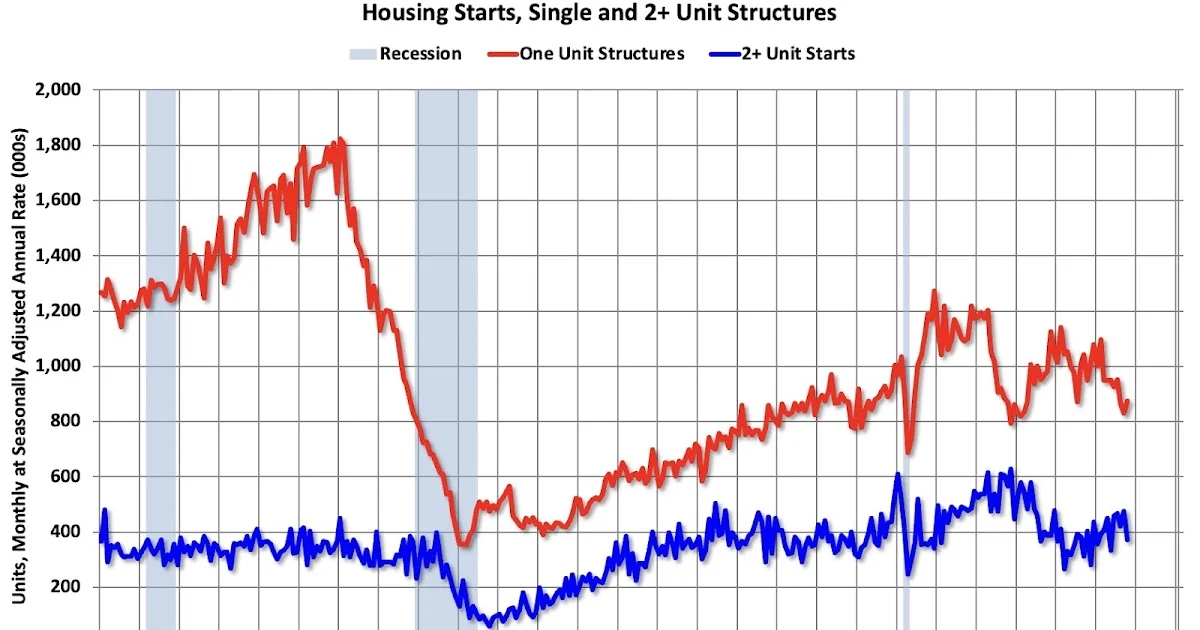
The headline figure for the second week of January is the decline in housing starts to a seasonally adjusted annual rate of 1.246 million. This figure serves as a critical indicator of builder confidence and future housing supply. When starts dip, it reflects a combination of high interest rates, elevated construction costs, and a cautious approach by developers who are wary of overextending in a market where buyer affordability is severely constrained.
Beyond the raw starts data, the broader real estate ecosystem is undergoing a significant transformation. The "Home ATM"—the mechanism by which homeowners leverage their equity through cash-out refinances and home equity lines of credit (HELOCs)—has effectively closed for a vast majority of the population as of the third quarter of 2025. This contraction in liquidity is limiting consumer spending power, which has historically been bolstered by residential real estate appreciation.
Furthermore, the rental market is signaling a cooling period. After years of aggressive rent hikes that contributed significantly to inflationary pressures, asking rents are now showing year-over-year declines. This shift suggests that the supply of multifamily units, which has been coming online over the last eighteen months, is finally meeting—and in some markets, exceeding—demand.
Chronology of Market Shifts
To understand the current state of housing, one must examine the progression of the market over the last several quarters:
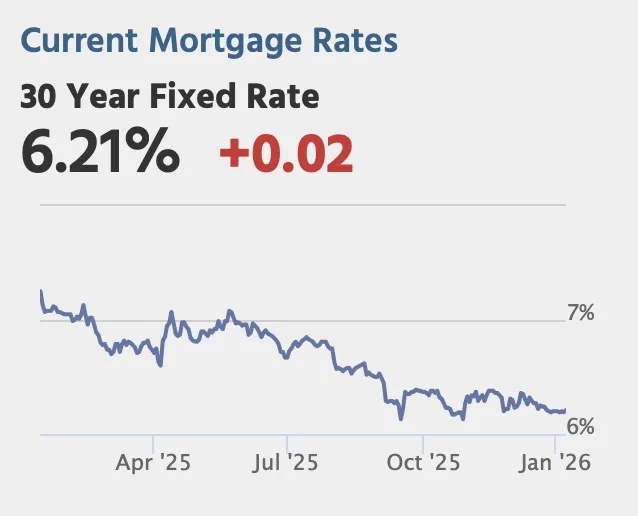
- Q1–Q2 2025: High interest rates dominated the discourse. While there was hope for a mid-year recovery in starts, persistent inflation kept mortgage rates elevated, discouraging both potential homebuyers and speculative developers.
- Q3 2025: The "Home ATM" began to shut down. As property values leveled off in many regions and interest rates for home equity borrowing surged, the ability for homeowners to tap into their equity became increasingly difficult and expensive. This period marked a transition from a consumer-driven real estate expansion to a period of deleveraging.
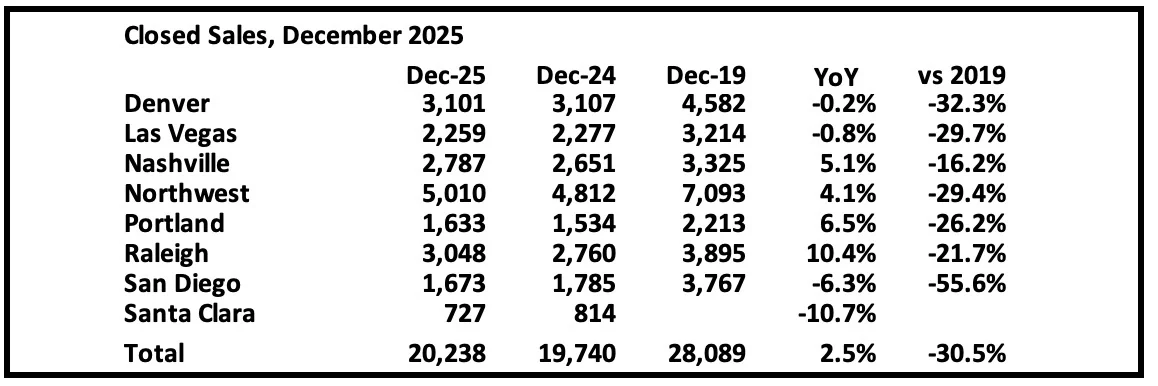
- Q4 2025: Local housing markets began to show clear signs of fatigue. December data revealed that the frenetic pace of home sales witnessed in previous years had largely evaporated. The year ended with a focus on inventory management rather than aggressive expansion.
- January 2026: The current reporting cycle confirms that the deceleration observed in the final months of 2025 has carried into the new year. The 1.246 million annual rate of housing starts reflects the caution that defined the transition into 2026.
Supporting Data and Technical Analysis
The Calculated Risk analysis provides a granular look at the metrics defining this cycle. The housing starts data, when disaggregated, reveals a split between single-family and multifamily projects. While single-family starts have remained resilient in select suburbs, the multifamily sector is experiencing a more pronounced contraction. This is a direct response to the surplus of apartment units delivered in major metropolitan areas throughout 2025.
Debt and GDP Metrics
One of the most concerning long-term indicators is the relationship between mortgage debt and Gross Domestic Product (GDP). Historically, rapid increases in mortgage debt relative to GDP have served as a leading indicator of housing bubbles. As of early 2026, the updated data suggests that while we are not in a bubble in the traditional, speculative sense of 2008, the debt burden remains a significant drag on household disposable income.
Rent Deflation
The decline in asking rents is a pivotal piece of the economic puzzle. For the Federal Reserve, this is a welcome development. Rent is a significant component of the Consumer Price Index (CPI), and the downward trend in rental pricing is expected to exert downward pressure on overall inflation figures throughout the first half of 2026. This data point is arguably the most important for those monitoring the Fed’s interest rate policy, as it provides a tangible argument for potential rate cuts later this year.
Official and Industry Responses
Industry leaders, including major homebuilders and real estate economists, have responded to the latest figures with a mix of pragmatism and caution.

"The environment is no longer about maximizing volume," noted one industry analyst at the Calculated Risk briefing. "It is about efficiency and margin preservation." Builders are focusing on completing existing projects rather than breaking ground on new, high-risk developments.
From the financial sector, lenders are maintaining strict underwriting standards. The "Home ATM" closure is not merely a product of high rates; it is a conscious decision by banks to limit exposure to collateral that may face downward price pressure. There is an industry-wide consensus that the era of "easy equity" is over, and the market is returning to a more traditional model where homeownership is a savings vehicle rather than a liquidity source.
Implications for the Broader Economy
The implications of these housing trends are far-reaching, affecting everything from consumer spending to monetary policy.
Impact on Consumer Spending
With the Home ATM closed, the "wealth effect"—where consumers feel wealthier due to home price appreciation and spend more accordingly—has weakened. Economists predict that retail spending may soften as homeowners can no longer rely on cash-out refinances to fund home improvements, debt consolidation, or major lifestyle purchases. This creates a more conservative consumer base, which may impact broader GDP growth.
Impact on Monetary Policy
The Federal Reserve has long been focused on the housing market as a primary driver of inflation. If housing starts remain low and rents continue to decline, the Fed will have more latitude to pivot its policy. Should the labor market remain stable while the housing sector cools, the U.S. may achieve the "soft landing" that policymakers have been targeting since 2023.
The Future of Housing Supply
The current low rate of housing starts, while concerning in the short term, may prevent a massive oversupply crisis. By slowing down now, the industry is avoiding the inventory glut that characterized the 2008 downturn. However, the lack of new supply could exacerbate affordability issues in the long run if demand surges suddenly due to lower interest rates.
Local Market Variations
As noted in the first look at local markets for December, there is no longer a single "national" housing market. Some cities are seeing price corrections of 5–10%, while others remain flat. Investors and prospective homebuyers must now operate with a localized strategy, paying close attention to regional job growth, population migration, and specific inventory levels in their target zip codes.
Conclusion: Navigating a Period of Adjustment
As we move deeper into 2026, the data indicates that the real estate market is undergoing a necessary, if painful, recalibration. The decline in housing starts to 1.246 million is a signal that the industry is adjusting to a "new normal" of higher costs and lower liquidity.
For the average homeowner, the message is clear: the period of rapid, debt-fueled wealth accumulation is in the rearview mirror. For the economy at large, the cooling of the housing market is a stabilizing force, albeit one that requires careful monitoring to ensure that the necessary correction does not turn into an over-correction.
Calculated Risk will continue to provide in-depth analysis of these trends, with ongoing reports on mortgage debt, inventory levels, and rental market performance throughout the coming weeks. As the Federal Reserve’s next meeting approaches, all eyes will be on whether the housing data provides the necessary evidence to support a shift in the central bank’s stance. In this complex economic environment, one thing is certain: the housing market remains the heartbeat of the American economy, and its current rhythm is one of caution, discipline, and structural change.