This week, the South Asian landscape is defined by a volatile intersection of political defiance, institutional crisis, and climate-induced economic fragility. From the barricaded streets of Islamabad to the protest-filled squares of New Delhi and the flood-ravaged infrastructure of Nepal, the region faces a period of profound uncertainty.
The Islamabad Stand-off: PTI’s Long March
Main Facts
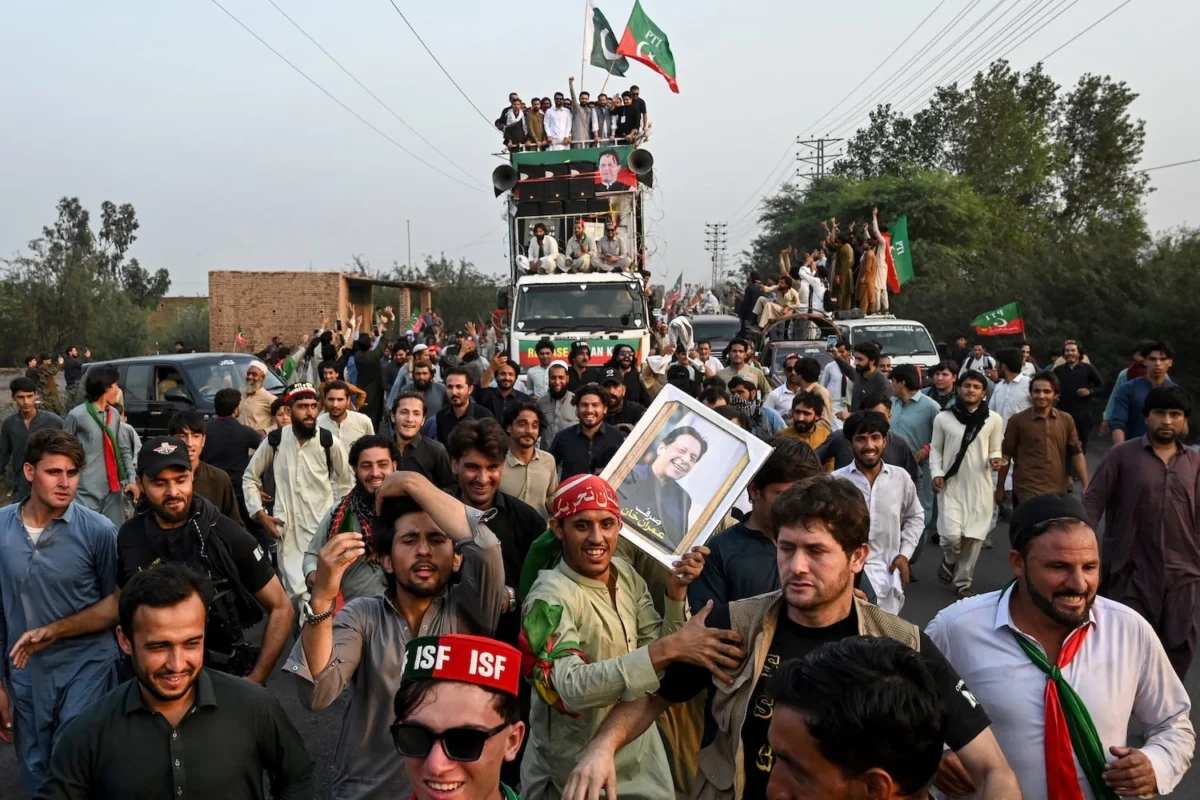
Pakistan is currently grappling with a severe political confrontation as supporters of the Pakistan Tehreek-e-Insaf (PTI) party, led by the incarcerated former Prime Minister Imran Khan, embark on a “long march” toward the capital, Islamabad. The movement, which originated in the Khyber Pakhtunkhwa province, aims to force the government’s hand regarding Khan’s release. Khan has been behind bars for over three years on charges ranging from corruption to state-related offenses—charges his supporters maintain are politically motivated fabrications designed to neutralize the country’s most popular politician.
Chronology of the Crisis
- August 2023: Imran Khan is arrested, triggering widespread, though ultimately contained, protests.
- February 2024: National elections occur, widely criticized by international observers for systemic flaws and the suppression of the PTI.
- November 2024: A previous attempt to mobilize in Islamabad is met with heavy state force, signaling a shift toward more aggressive government tactics.
- August 2026: A Supreme Court ruling ordering Khan’s transfer to a private medical facility for urgent health issues is effectively ignored by the state, which provides only a brief, perfunctory stay at a public hospital.
- October 2026: Failed negotiations between the government and the PTI leadership lead to the launch of the current "long march."
Implications
The stakes for Prime Minister Shehbaz Sharif’s administration could not be higher. Beyond the immediate threat of civil unrest, the government is juggling a trifecta of crises: an energy sector paradox, a hostile border situation with India, and the diplomatic complexities of acting as a mediator in the ongoing Iran-led conflict. The presence of shipping containers blocking major highways leading into Islamabad reflects a government terrified of the optics of a state-on-civilian crackdown. However, should the marchers reach the capital in significant numbers, the military-backed government faces a binary choice: capitulate to demands or utilize force, potentially sparking a nationwide uprising that could destabilize the entire nuclear-armed state.
India: The Battle for Electoral Integrity
Main Facts
In India, the legitimacy of the electoral process itself has come under fire. Protests led by the “Cockroach Janta Party”—a grassroots movement that gained prominence during summer education-policy strikes—have erupted across the country. The primary demand is the resignation of Chief Election Commissioner (CEC) Gyanesh Kumar, following an investigative report by the Indian Express that exposed deep-seated irregularities in the recent voter-roll revision campaign.
Supporting Data
The Indian Express report highlighted at least 14 specific objections raised by internal commissioners regarding the voter-roll campaign that were consistently ignored by the CEC. These irregularities suggest a systemic failure to maintain neutrality, fueling public fears that the democratic process is being manipulated. The movement has effectively galvanized a youth demographic frustrated by stagnant job growth and high unemployment rates—a vulnerability that Prime Minister Narendra Modi’s administration has struggled to address.
Official Responses and Political Dynamics
The opposition Indian National Congress party, while cautious about formally aligning with the populist “Cockroach” movement, has found a new source of momentum. Congress leader Rahul Gandhi’s recent detentions during protests underscore the hardening lines between the state and those demanding electoral reform. The government, meanwhile, has remained defiant, dismissing the allegations as politically motivated interference designed to weaken the mandate of the ruling party.
The Mecca Pact and Geopolitical Realignments
Main Facts
In a significant shift for regional security, Pakistan and Turkey have officially joined Saudi Arabia under the "Mecca Joint Defense Agreement," first signed in August. The pact utilizes NATO-style collective security language, asserting that an attack on one member constitutes an attack on all.
Official Statements
While details regarding the scale of the deployment remain opaque, a statement from the Pakistani Ministry of Foreign Affairs confirmed the commitment to “provide the agreed military forces and capabilities and ensure their rapid deployment.”
Implications
This move places Pakistan in a precarious diplomatic position. By pledging military support to counter Houthi rebels, Islamabad risks alienating Tehran, with whom it has historically attempted to maintain a delicate, neutral balance. The move signals a pivot toward a more transactional, defense-oriented foreign policy, potentially distancing Pakistan from its traditional "non-aligned" regional stance in exchange for financial and security support from the Gulf states.
Nepal: The Economic Aftermath of Disaster
Main Facts
The humanitarian crisis in Nepal following the August floods has transitioned into an acute economic emergency. According to a recent World Bank assessment, the destruction of critical infrastructure has significantly altered the country’s fiscal trajectory.
Supporting Data
- Energy Sector: Over 10 percent of Nepal’s installed hydropower and solar capacity—the backbone of the country’s future economic independence—has been decimated.
- Trade Corridors: A vital 50-mile trade route, essential for imports and exports, has been effectively severed, with 50 percent of the corridor washed away.
- GDP Forecast: Growth projections for the 2027 fiscal year have been slashed to 3.7 percent, down from a 3.9 percent projection in 2026.
The Broader Challenge
This economic contraction exacerbates existing problems of systemic corruption, brain drain, and chronic unemployment. As Nepal struggles to rebuild, the reliance on external aid grows, leaving the Himalayan nation vulnerable to the shifting geopolitical interests of its neighbors, China and India.
Under the Radar: The Public Health Crisis
The Polio Resurgence
Amidst the high-level political drama, a quiet tragedy is unfolding: the failure of polio eradication. Despite massive, multi-million-child vaccination campaigns, Pakistan reported two new cases of the virus within a single week in October.
Regional Health Fragility
The persistence of polio is emblematic of a broader public health failure across South Asia. From recurring outbreaks of dengue fever in Sri Lanka—which has surpassed 100,000 cases this year—to HIV spikes in Pakistan and measles outbreaks in Bangladesh, the region’s public health infrastructure is buckling. These crises often go underreported in favor of political news, yet they represent the most immediate threat to the daily lives of millions of South Asian citizens.
Conclusion: A Region at the Precipice
The events of this week illustrate a region held in a delicate balance. Whether it is the imprisonment of Imran Khan, the protests against electoral irregularities in India, or the structural damage from climate disasters in Nepal, the underlying theme is a growing disconnect between the governed and the governing.
The Pakistani government’s decision to prioritize physical blockades over political dialogue, and the Indian government’s dismissal of institutional reform, suggest a trend toward autocracy that may prove difficult to reverse. As these nations navigate the closing months of 2026, the question is not merely whether they can survive the current protests, but whether their institutions are robust enough to withstand the long-term erosion of public trust. The coming weeks will be a crucible for South Asian leadership, testing whether they choose the path of reconciliation or the path of confrontation.