In the high-stakes world of modern enterprise technology, a standard IT process is more than just a document or a set of guidelines. It is a repeatable, audited sequence of steps, owners, and controls designed to fortify technology systems against the inevitable chaos of digital environments. Yet, even the most robust frameworks are subject to a slow, insidious degradation. When team members begin to bypass these steps—deeming them "inefficient" or "unnecessary"—a shortcut is born. If that shortcut does not immediately result in a catastrophe, it begins to feel like a new standard.
This psychological phenomenon is known as the "normalization of deviance." It is the process by which a team gradually accepts behavior that falls outside defined standards, essentially recalibrating their risk tolerance until a major outage or security breach becomes inevitable.
The Anatomy of an Operational Collapse
The normalization of deviance rarely happens overnight. It is a creeping erosion of rigor, often masquerading as "agility" or "pragmatism." When an engineer skips a validation step during a deployment and the system stays online, the brain registers a success. The next time, skipping that step feels even safer. Eventually, the deviation is no longer an exception; it is the default operating procedure.
The Microsoft Azure Storage Case Study (2014)
One of the most illustrative examples of this occurred on November 18, 2014, when a configuration change triggered a catastrophic cascading failure across Microsoft’s Azure Storage services. In its subsequent root cause analysis, Microsoft admitted that the configuration change had departed from the established staged deployment and validation process.

The incident was not merely a technical glitch; it was a process failure. The "standard" had been circumvented, and because the protective guardrails—staged validation and rollback readiness—were bypassed, the system lacked the immunity it required to stop an infinite loop in the storage front-end. This serves as a vital lesson for IT leadership: the deployment process is not an external administrative layer; it is an intrinsic part of the system’s architecture.
Chronology of Neglect: How Deviance Becomes the Norm
Sociologist Diane Vaughan, who first coined the term while studying the space shuttle Challenger disaster, noted that organizational failure is rarely the result of a single "bad apple." Instead, it is the result of a culture that slowly accepts smaller and smaller breaches of protocol.
The Lifecycle of a Shortcut
- The Initial Deviation: A skilled engineer identifies a "bottleneck" (e.g., a lengthy security review or a manual testing phase). They decide to bypass it to meet a deadline.
- The "Success" Bias: No incident occurs. The engineer feels rewarded for their efficiency. The process is now viewed as unnecessarily burdensome.
- Normalization: The shortcut is communicated to peers. "Why are you following the full procedure? We never do it that way."
- Institutionalization: New hires are trained on the "new" way. The original safety controls are forgotten, and the risk threshold is permanently lowered.
- The Catastrophe: An edge case occurs that the skipped control would have caught. The system collapses, and the team is left scrambling to understand why a "known" process failed.
Supporting Data: When Shortcuts Lead to Failure
The history of enterprise IT is littered with high-profile incidents that trace their lineage back to abandoned controls.
The Buffer Breach (2013)
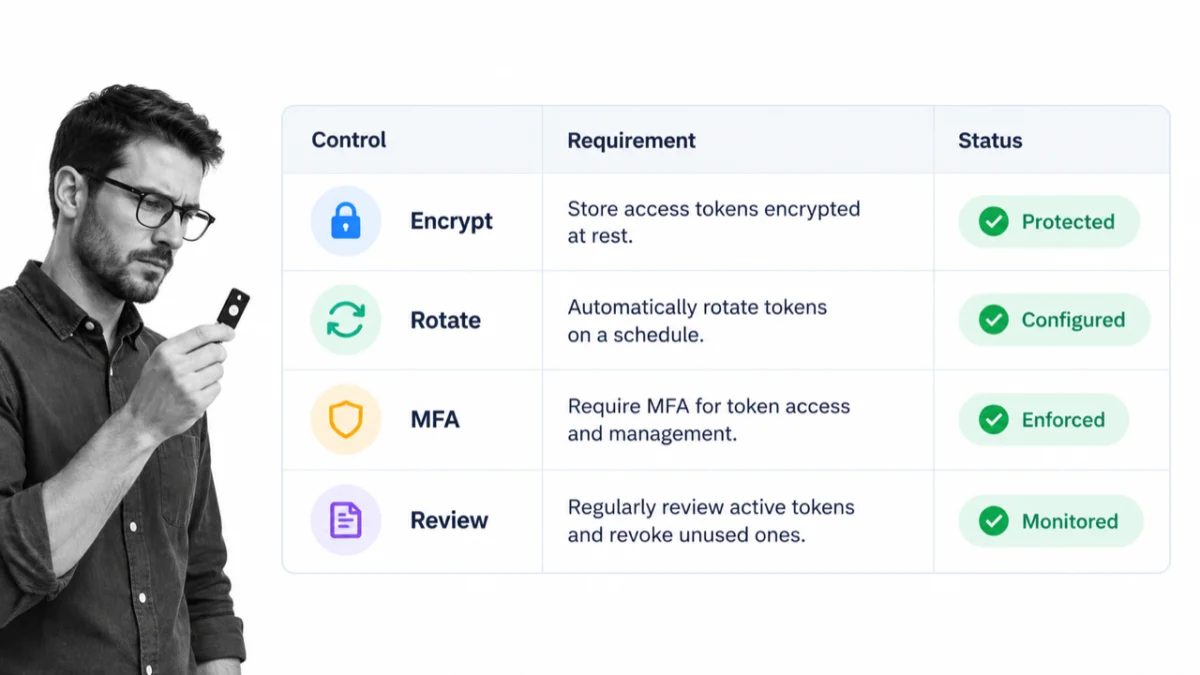
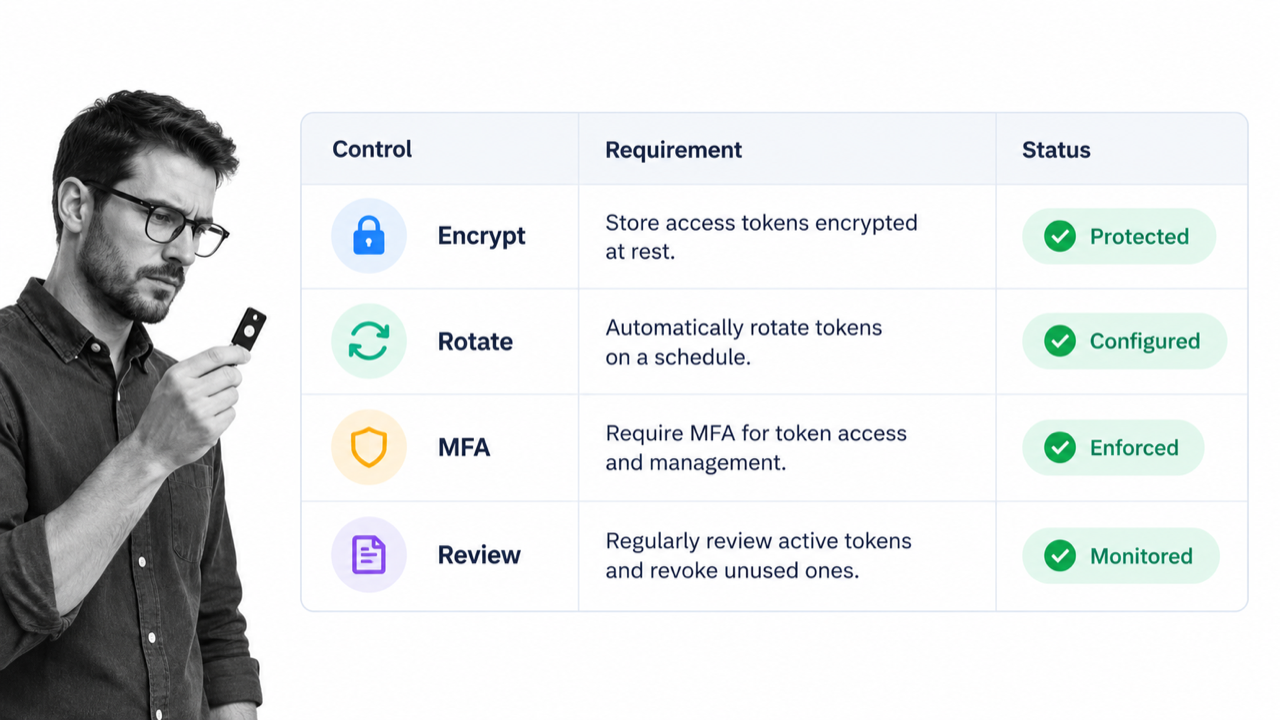
When the social media management tool Buffer suffered a major security breach in 2013, the impact was immediate and public. Attackers utilized the platform to distribute spam through connected accounts. While the technical fix involved re-encrypting OAuth tokens and updating API calls, the root cause was an organizational drift. Security controls—such as credential rotation and rigorous access reviews—had been relegated to "recommended" status rather than "mandatory."
The Zurich Insurance Data Loss (2010)
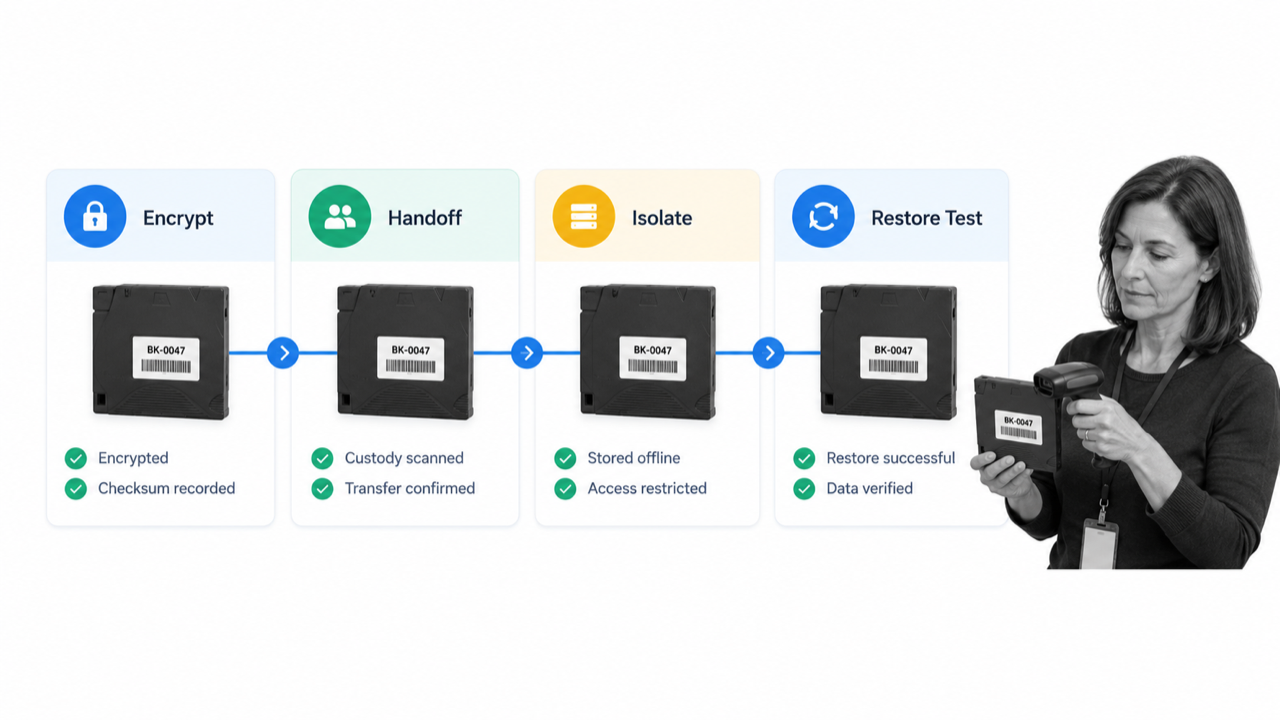
In 2010, the UK Financial Services Authority fined Zurich Insurance £2.275 million after the loss of an unencrypted backup tape containing sensitive information for 46,000 policyholders. The failure was not a sophisticated hack, but a breakdown in the most mundane of processes: the transfer of physical media. The team had become so accustomed to the routine transfer that they stopped verifying custody and encryption. The "routine" had become dangerous precisely because it was viewed as trivial.
The Target "Missoni" Launch (2011)
When Target launched its limited-edition Missoni collection, the surge in traffic crashed their website. The failure was a direct result of ignoring capacity testing and resilience protocols. The business had grown to depend on the system’s stability, but the team had neglected the "boring" work of load testing and failover drills. Success—the very thing the company wanted—was the catalyst for the failure because the operational maturity did not match the business ambition.
Official Responses and Remediation Strategies
When organizations face these failures, the immediate response is often a superficial tightening of rules. However, industry leaders argue that the solution is not "more rules," but "better design."
According to engineering thought leaders like Dan Luu, the key to stopping the normalization of deviance lies in making the safe path the easiest path. If a control is difficult, slow, or disconnected from the reality of the software, engineers will eventually find a way around it.
Designing for Compliance
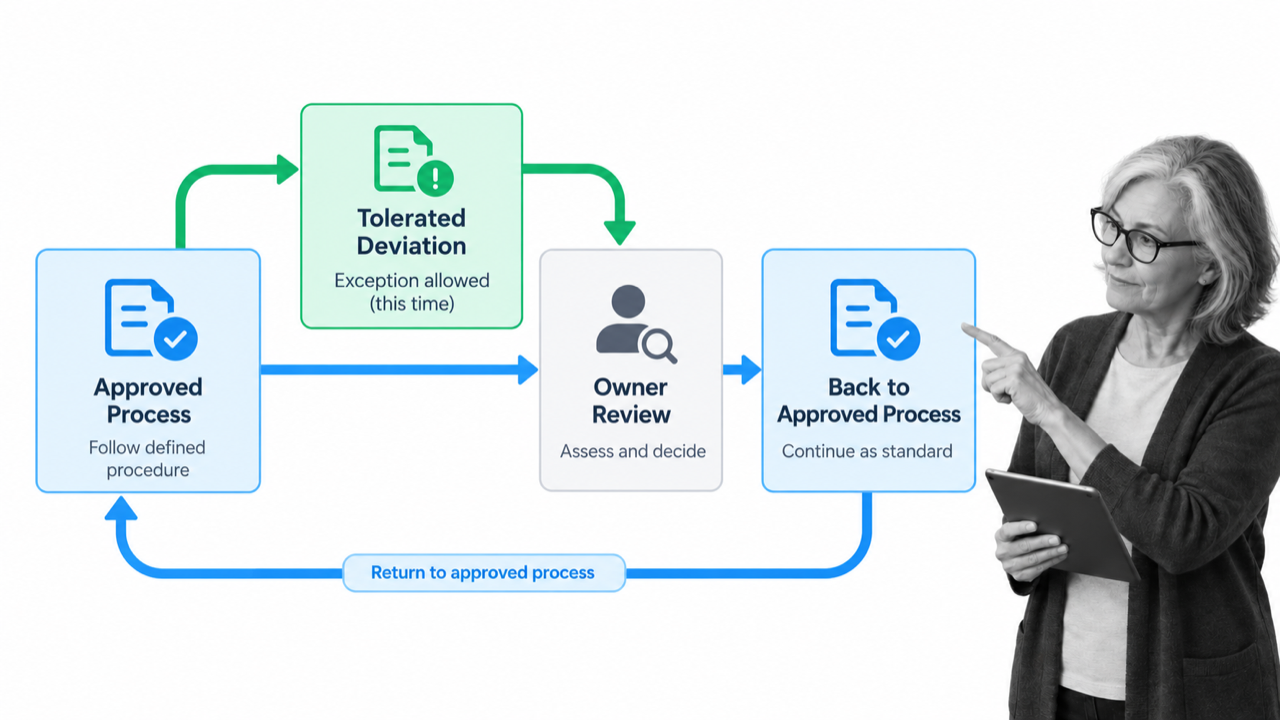
- Visibility: Use platforms that turn policies into automated workflows. When an exception is necessary, it must be recorded, approved, and assigned a "sunset date."
- The Review Loop: When a team repeatedly bypasses a control, it is a signal that the process is broken. Rather than punishing the engineers, leaders should investigate why the control is causing friction and redesign it to be more efficient without sacrificing safety.
- The "Checklist Manifesto" Approach: As Atul Gawande demonstrated in his seminal work, the checklist is not a sign of a lack of expertise; it is a tool for high-functioning teams to handle complexity. It creates a "deliberate pause" where experts can confirm that critical conditions are met before proceeding.
Implications for Modern IT Operations
The primary implication of this reality is that security and reliability are as much cultural concerns as they are technical ones. An organization can have the most sophisticated firewalls and redundant storage in the world, but if the operating culture treats security controls as optional "suggestions," the infrastructure is effectively hollow.
Shifting the Paradigm
The transition from a culture of complacency to one of discipline requires a shift in how IT leaders define "work."
- Evidence-Based Operations: Instead of assuming a backup works because the dashboard is green, teams must perform regular, documented restore tests. The test is the evidence; the dashboard is merely an indicator.
- Incident Accountability: Post-mortems should not just look at what broke in the code, but at the operating path. Did the operator have the right information? Why did the existing control fail to flag the deviation?
- Governance as Code: By integrating compliance into the CI/CD pipeline, organizations can automate the enforcement of these controls, ensuring that the "safe path" is the only path.
The Bottom Line: Moving Beyond the Checklist
The goal of a robust IT process is not to stifle innovation or slow down developers; it is to create a reliable foundation upon which innovation can safely scale. In an era where cloud computing and rapid deployments are the norms, the margin for error is razor-thin.
Normalization of deviance thrives in the shadows of "it worked last time." To combat it, organizations must foster a culture where the violation of a control is seen not as a clever shortcut, but as a potential point of failure. By treating security and reliability processes as living, breathing components of the infrastructure—and by using modern Compliance Operations Platforms to bridge the gap between policy and execution—IT leaders can ensure that their teams are not just moving fast, but moving safely.
Ultimately, the best IT process is the one that is so practical and well-integrated into the daily workflow that the "deviant" path is never even considered. Discipline is not about ticking boxes; it is about building a culture where the team shares a language of responsibility, ensuring that when the pressure mounts, the systems—and the people behind them—hold firm.