
In the modern digital economy, the divide between selling a physical good and a digital course is not merely logistical—it is psychological. When a consumer purchases a physical product, the object serves as its own proof of value; it can be touched, inspected, and held. Conversely, selling a digital product or an educational course requires the creator to sell a promise. There is no packaging to admire and no tactile experience to validate the transaction.
For the modern entrepreneur, the email inbox has become the final frontier of sales. While ecommerce brands often treat email as a retention tool—a nudge to revisit a storefront—digital creators must treat it as the entire funnel. It is here that the transition from curiosity to conversion occurs, relying on a delicate, orchestrated sequence of trust, education, and relationship-building.
The Paradigm Shift: Why Digital Products Require a Different Playbook
The fundamental difference in marketing digital products lies in the "work" the email must perform. In traditional retail, the email’s job is simply to bridge the gap between the inbox and the product page; the product itself handles the final persuasion. In the digital space, the email must perform the entirety of the sales heavy lifting.
There are no retargeting pixels or "abandoned cart" nudges that can compensate for a lack of foundational trust. If a subscriber finds you through a podcast, social media, or a referral, they are likely interested but skeptical. Because there is no physical sample to offer, the email sequence becomes the primary vehicle for credibility. Creators who succeed in this space follow a rigorous philosophy: Trust before pitch, education before offer, and relationship before revenue.
The Anatomy of the Lead Magnet: Beyond the Initial Opt-In
Many novice creators fall into the trap of viewing the lead magnet—the free checklist, mini-course, or webinar—as the conclusion of the value exchange. In reality, it is merely the opening salutation.
The strategy that separates top-tier creators from the rest is the understanding that the lead magnet earns the opt-in, but the welcome sequence earns the attention. Foundr’s own model serves as a prime example of this pedagogical approach. Their free trainings are not just lead-generation machines; they are the inaugural chapters of a long-term conversation with founders at various stages of their journey. By the time a lead reaches the "Foundr+" membership level, they have typically consumed enough high-value free content to have already internalized the creator’s authority. The low-risk trial offer then functions not as a hard sell, but as a logical, low-friction next step.
Crafting the Nurture Sequence: A Progressive Arc of Belief
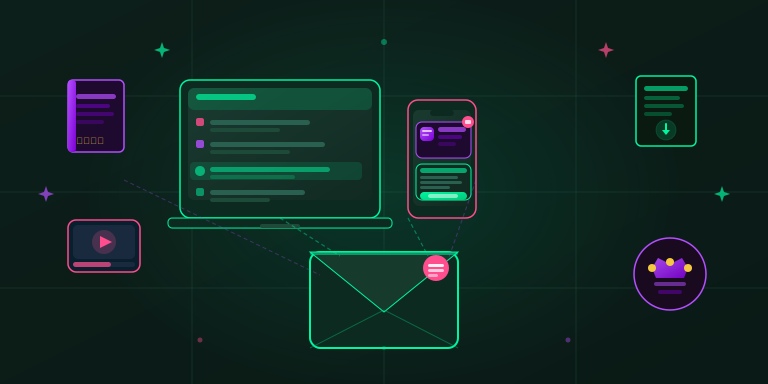
The objective of a nurture sequence is not to clutter an inbox, but to build a narrative arc of belief. A successful sequence systematically addresses three pillars:
- Problem Validation: Acknowledging the specific, often painful, friction the subscriber is experiencing.
- Credibility: Demonstrating that your approach is not only viable but backed by data, personal experience, and social proof.
- Logical Progression: Positioning your product as the natural, inevitable solution to the subscriber’s current dilemma.
The duration of this sequence should be calibrated to the price point of the product. A low-ticket $49 ebook may convert within a three-to-four-email sequence. However, a flagship course or a high-end membership platform requires more runway. Often, these require six to ten emails spread over several weeks to properly cultivate the necessary authority and psychological readiness for a purchase.
The Launch Discipline: Urgency vs. Desperation
When the "cart" officially opens, the rules of engagement shift. While the nurture sequence is defined by its measured, value-first cadence, a launch requires a concentrated, high-energy approach. This period is defined by a contained window of opportunity.
The most effective launch emails share several key characteristics:
- Story-Driven Content: Avoid laundry lists of features. Instead, share stories of transformation.
- Objection Handling: Proactively address the "not enough time" or "will this work for me?" narratives. Utilize case studies of individuals who mirror the subscriber’s current situation.
- Radical Honesty: If you set a deadline, keep it. Manufactured urgency—such as "fake" countdown timers—destroys long-term brand equity. True urgency, based on an actual enrollment window or a genuine limit, resonates far more effectively with a sophisticated audience.
In the final 48 hours of a launch, increasing email frequency to once daily is not only acceptable; it is expected. The subscribers who are truly interested are often waiting for that final nudge to overcome their last bit of hesitation.
The Post-Purchase Void: The Opportunity Most Creators Miss
Perhaps the most glaring mistake in the digital product lifecycle is the "post-purchase silence." Once the transaction is complete, many creators go dark. This is a critical failure in customer retention and brand loyalty.
A simple check-in email sent one week after purchase, inquiring about the student’s progress, generates immense goodwill. By acknowledging milestones and offering support for those who may be falling behind, creators can significantly improve completion rates. In the digital world, a student who completes a course and achieves a result is the creator’s most potent marketing asset. They become the source of future testimonials, word-of-mouth referrals, and lifetime value.
The "results-first" culture—exemplified by platforms offering 90-day money-back guarantees—is only sustainable if the post-purchase email infrastructure is robust enough to ensure the customer actually uses the product.
Implications for the Future of Digital Entrepreneurship
The shift toward email-centric business models provides a level of durability that is increasingly rare in the digital landscape. Unlike social media algorithms that can change overnight, an email list is a platform-independent asset. Its value grows in direct proportion to the quality of the relationship between the creator and the subscriber.
As the industry matures, the focus is moving away from "hacking" open rates and toward sending better, more segmented, and more meaningful content. This is where automation platforms like Omnisend have become indispensable. By handling complex nurture sequences, launch flows, and post-purchase follow-ups, these tools allow creators to scale their outreach without sacrificing the "human touch" that is so essential to high-ticket digital sales.
For those considering a transition, the barrier to entry is lower than ever. Modern migration teams can move entire email infrastructures—including lists, templates, and complex automated flows—in as little as five days. This transition often results in significant cost savings, with many founders reporting up to 35% reductions in overhead, while simultaneously gaining access to sophisticated omnichannel features like SMS marketing.
Conclusion: The Path Forward
Building a digital product business is a marathon, not a sprint. It is a game of incremental trust building. The entrepreneurs who win are those who realize that an email list is not a database of names, but a community of individuals seeking a solution. By treating the inbox with the respect it deserves—prioritizing education, providing genuine value, and maintaining a consistent, honest dialogue—creators can build a durable, algorithm-proof business that stands the test of time.
In an era of fleeting digital attention, the ability to command a subscriber’s focus through high-quality email communication is the ultimate competitive advantage. Those who master this art will not only survive; they will define the future of the creator economy.