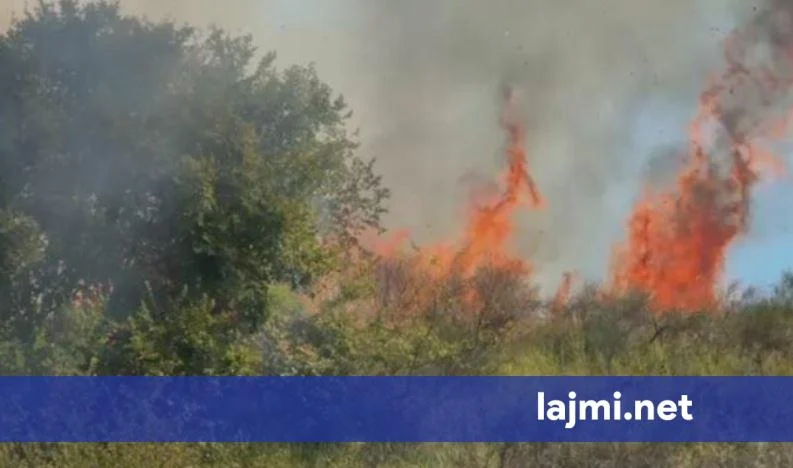
Greshicë, Mallakastër – [Date of Article Publication] – A profound tragedy unfolded in the quiet rural village of Greshicë, Mallakastër, on Wednesday afternoon, casting a somber shadow over the community. An elderly man, identified by authorities as N.C., aged 76, lost his life after being engulfed by flames from a fire he reportedly started on his own property to burn waste. The incident, which occurred around midday, has prompted a full-scale investigation and ignited urgent conversations about fire safety protocols, waste management practices, and the vulnerability of the elderly in remote areas.
The shocking death of the 76-year-old has sent ripples of grief through Greshicë, a village accustomed to the rhythms of agricultural life, not sudden disaster. Preliminary police reports suggest a devastating sequence of events: a routine act of clearing land spiraled into an uncontrollable inferno, culminating in a desperate, ultimately fatal, attempt to quell the blaze. As investigators meticulously piece together the circumstances, the community grapples with the heartbreaking loss and the stark reminder of the inherent dangers that can lie hidden in seemingly innocuous daily tasks.
Main Facts: A Midday Tragedy Unfolds
The heart of the tragedy lies in its suddenness and the profound human cost. On Wednesday, around 12:00 PM, the serenity of Greshicë was shattered by the discovery of a fatal incident involving a local resident, N.C., a 76-year-old man. According to initial findings from the Albanian State Police, N.C. had reportedly ignited a fire on his personal land with the intention of burning accumulated waste and dry vegetation. This practice, common in many rural parts of Albania, often serves as a rudimentary method of land clearing and waste disposal, particularly in areas lacking formal collection services.
However, on this fateful day, the controlled burn quickly escalated into an uncontrollable conflagration. The flames, fueled perhaps by dry conditions and a sudden gust of wind, spread beyond their intended perimeter. In a desperate and heroic, albeit ultimately tragic, effort to bring the burgeoning fire under control and prevent further damage to his property or surroundings, the elderly man found himself trapped or overwhelmed by the intensity of the blaze. The police statement confirmed that the 76-year-old succumbed to the fire, losing his life in the struggle to extinguish it.
The immediate aftermath saw the rapid deployment of an investigative team to the scene. Their mandate is clear: to thoroughly document the incident, gather all pertinent evidence, and ascertain the precise sequence of events that led to N.C.’s untimely death. This includes forensic examination of the site, potential witness interviews, and a detailed assessment of the fire’s origin and spread. The incident serves as a grim reminder of the critical importance of fire safety, especially when engaging in open-air burning, and underscores the specific vulnerabilities faced by older individuals in such hazardous situations.
Chronology of Events: From Routine Task to Fatal Accident
The tragic events that claimed the life of N.C. in Greshicë paint a vivid, if heartbreaking, picture of a routine agricultural task gone catastrophically wrong. Understanding the chronology helps to illuminate the factors that contributed to this devastating outcome.
The Morning’s Routine
Like many elderly residents in the rural heartlands of Albania, N.C. likely began his day with the familiar rhythms of village life. Greshicë, a community deeply rooted in agrarian traditions, often sees its residents tending to their land, preparing for planting, or clearing remnants of past seasons. It is plausible that on this particular Wednesday morning, with a desire to maintain his property or perhaps clear it for an upcoming agricultural cycle, N.C. decided to address the accumulation of waste and dry brush on his land. This could have included dried weeds, pruned branches, or general refuse that accumulates over time, for which open burning is often perceived as the most straightforward, albeit risky, solution in the absence of organized waste collection services. The weather conditions on that day – potentially dry, possibly breezy – would have played a crucial role in his decision and the subsequent unfolding of events.
The Ill-Fated Decision
Around midday, N.C. proceeded with his plan. Armed with an igniter, perhaps a match or a lighter, he carefully (or so he may have thought) set fire to a pile of waste or a section of dry vegetation. The initial moments would have been controlled, with small flames consuming the intended targets. The act itself is a common practice, passed down through generations, often undertaken with a degree of confidence born from years of experience. However, even the most experienced individuals can be caught off guard by the unpredictable nature of fire, especially when environmental conditions are conducive to rapid spread. The precise spot where the fire was ignited, its proximity to other flammable materials, and the presence of any natural firebreaks would become critical details for the investigative team.
Flames Out of Control
What began as a contained burn quickly spiraled into a perilous situation. It is suspected that within moments, or perhaps a slightly longer period, the flames intensified dramatically. A sudden gust of wind, common in open, rural landscapes, could have fanned the nascent fire, causing embers to fly and ignite new patches of dry grass or shrubs. The dry vegetation, typical of the region, would have acted as highly flammable fuel, allowing the fire to spread with alarming speed. The sheer pace and scale of the escalation likely caught N.C. by surprise, transforming a manageable task into an overwhelming threat. The heat, smoke, and rapid spread would have created an immediate sense of panic and urgency.
The Desperate Struggle and Tragic Outcome
Faced with an escalating blaze threatening his property and potentially his home or neighboring lands, N.C., at 76 years old, would have instinctively attempted to extinguish the fire. Despite his advanced age, the primal instinct to protect one’s livelihood and home is powerful. He may have grabbed whatever was at hand – a shovel, a bucket of water, or simply attempted to beat back the flames with branches. However, the physical demands of fighting an uncontrolled fire are immense, especially for an elderly individual. The intense heat, thick smoke, and the sheer physical exertion would have quickly taken their toll. It is believed that during this desperate struggle, he was either overcome by smoke inhalation, suffered a medical emergency exacerbated by the stress and heat, or was physically trapped and engulfed by the fast-moving flames. His inability to escape or effectively combat the fire ultimately led to his tragic demise on his own land.
Emergency Response and Discovery
The exact moment N.C.’s plight was discovered remains part of the ongoing investigation. It could have been a neighbor alerted by the smoke or the sight of the uncontrolled fire, or a family member returning home. Once the alarm was raised, local residents would have likely rushed to the scene. Soon after, the official emergency response was activated. Police units were the first to arrive, securing the area and confirming the devastating loss of life. While not explicitly mentioned in the preliminary report, it is highly probable that local fire services or volunteer firefighters were also dispatched to fully extinguish the fire and ensure the safety of the surrounding area. The arrival of the investigative group marked the beginning of the formal process to understand every aspect of this profoundly sorrowful event.
Supporting Data and Context: A Broader Lens on Rural Risks
The tragedy in Greshicë is not an isolated incident but rather a stark illustration of broader socio-economic, environmental, and demographic challenges prevalent in rural Albania. Understanding these contextual factors is crucial for appreciating the full scope of the incident and for formulating effective preventive measures.
Geographic and Demographic Context of Greshicë and Mallakastër
Greshicë is a village nestled within the Mallakastër region, an area characterized by its predominantly rural landscape, hilly terrain, and a population heavily reliant on agriculture. Like many such regions in Albania, it often experiences depopulation as younger generations migrate to urban centers or abroad in search of better opportunities. This trend leaves behind an aging population, often with limited access to modern infrastructure and services. The elderly residents, like N.C., often continue traditional farming practices and self-reliance, which, while commendable, can also expose them to greater risks, especially when physical capabilities decline. The remoteness of some areas within Mallakastër can also mean slower response times for emergency services, a critical factor in rapidly escalating situations like uncontrolled fires.
Prevalence of Open-Air Burning in Albania
Open-air burning of agricultural waste, household refuse, and land-clearing debris is a deeply ingrained practice across much of rural Albania. This tradition stems from several factors: a lack of comprehensive, organized waste collection and disposal systems in many villages; the perceived cost-effectiveness and simplicity of burning as a disposal method; and a historical absence of stringent enforcement of environmental regulations. Farmers often burn stubble after harvests to clear fields for the next planting season, a practice known to deplete soil nutrients and contribute to air pollution, but also one seen as essential for efficient land management. While authorities have made efforts to discourage such practices due to environmental and safety concerns, cultural inertia and infrastructural gaps mean it persists widely. The Greshicë incident underscores the fatal consequences of this widespread practice when conditions turn adverse.
Fire Safety Risks for the Elderly
Elderly individuals are disproportionately vulnerable to fire-related fatalities and injuries. This vulnerability stems from a combination of factors. Physical limitations, such as reduced mobility, slower reaction times, and impaired senses (sight, hearing), can hinder their ability to detect a fire early, respond effectively, or escape quickly. Pre-existing health conditions, such as cardiovascular issues or respiratory problems, can be severely exacerbated by smoke inhalation or the stress of an emergency. Furthermore, many elderly individuals in rural areas live alone or are isolated, reducing the chances of early intervention by family or neighbors. The tragic fate of N.C., attempting to fight a fire alone at 76, highlights these stark realities. Without proper safety measures, accessible emergency services, and community support networks, the elderly in remote settings face elevated risks.
Environmental Conditions and Climate Change
The environmental context played a significant role in the Greshicë tragedy. Albania, particularly its southern and central regions, experiences hot, dry summers and often windy conditions. These factors create an ideal environment for wildfires to ignite and spread rapidly. Dry vegetation, low humidity, and strong winds act as a dangerous trio, turning small, controlled fires into raging infernos in a matter of minutes. The impact of climate change, leading to more frequent and intense heatwaves and prolonged dry spells, further exacerbates these risks, making fire seasons longer and more dangerous. The specific conditions on Wednesday in Greshicë – whether unusually dry, windy, or both – will be a crucial element in the investigative findings, explaining how a small fire could so quickly become unmanageable. The local ecosystem, often comprising Mediterranean scrub and pine forests, is also highly flammable, adding another layer of risk to open-air burning activities.
Official Responses and Investigations: Seeking Answers and Accountability
In the wake of the tragedy, official bodies have mobilized to investigate the circumstances surrounding N.C.’s death and to provide responses that address both the immediate crisis and the broader implications for public safety.
Initial Police Statement and Ongoing Investigation
The State Police of Albania were the first official entity to release a statement, confirming the identity of the victim and providing preliminary details about the incident. Their initial assessment pointed to the fire being started by the victim himself for waste burning purposes, which subsequently got out of control. The immediate priority for the police was to secure the scene, prevent any further spread of the fire, and begin the evidence collection process. The investigative group, comprising police officers, forensic experts, and potentially fire marshals, has been tasked with a comprehensive inquiry. This includes:
- Scene Examination: Meticulously documenting the exact point of origin of the fire, its spread pattern, and the condition of the surrounding vegetation and property.
- Evidence Collection: Gathering any physical evidence, such as tools used by N.C., remnants of burned materials, and environmental samples.
- Witness Interviews: Speaking with family members, neighbors, or anyone who might have observed N.C.’s activities on the day of the incident or witnessed the fire’s escalation.
- Cause of Death Determination: Collaborating with medical examiners to conduct an autopsy to confirm the precise cause of death, such as smoke inhalation, burns, or a pre-existing medical condition exacerbated by the event.
- Reconstructing the Event: Piecing together the timeline and sequence of events leading up to the fatality, aiming to understand precisely how the fire became uncontrollable and how N.C. came to be trapped or overcome.
Fire Department’s Perspective and Role
While not explicitly detailed in the initial police report, the local fire department or volunteer firefighting units would undoubtedly have been involved in extinguishing the blaze and ensuring the safety of the surrounding area. Their expertise is critical in assessing the nature of the fire, its fuel source, and the environmental factors that contributed to its rapid spread. Firefighters can provide valuable insights into the challenges faced in containing such fires in rural settings, often characterized by difficult terrain, limited water sources, and potentially delayed response times. This incident will likely prompt the fire department to review existing fire prevention campaigns and consider enhancing outreach specifically targeting rural communities and elderly residents regarding the dangers of open-air burning.
Prosecution’s Involvement
Given the fatality, the local Prosecutor’s Office will oversee the investigation. Even though the incident appears accidental, a thorough legal inquiry is mandatory to rule out any elements of foul play, negligence by others, or any other contributing factors that might have legal implications. The prosecutor will review all evidence gathered by the police and fire department to determine if any criminal charges are warranted, or if the case will be closed as an accidental death. This process ensures accountability and transparency in the investigation of a life-ending event.
Local Authorities’ Stance and Community Response
The tragic death of N.C. has undoubtedly resonated deeply within the Greshicë community and among the local authorities in Mallakastër. The mayor’s office or the head of the village council would likely issue condolences to the victim’s family. Beyond immediate sympathy, such incidents often serve as a catalyst for local governance to review and potentially strengthen local ordinances concerning waste disposal and open burning. There might be discussions about implementing more accessible waste collection services, launching local awareness campaigns, or organizing community meetings to discuss fire safety, especially for the elderly and those engaged in agricultural work. The collective response of the community, characterized by mourning and support for the grieving family, also highlights the strong communal bonds typical of Albanian villages.
Implications and Broader Context: Learning from Loss
The tragic passing of N.C. is more than an isolated incident; it carries significant implications for fire safety, environmental practices, and social support structures in rural Albania. It serves as a potent reminder of the interconnectedness of individual actions, community infrastructure, and government policy.
Call for Enhanced Fire Safety Awareness
The most immediate implication is the urgent need for comprehensive and sustained fire safety awareness campaigns, particularly in rural and agricultural areas. These campaigns should go beyond general warnings and specifically address:
- Dangers of Open Burning: Educating residents on the high risks associated with burning waste and agricultural residues, especially during dry and windy conditions.
- Safe Alternatives: Promoting and facilitating access to safer waste disposal methods, such as composting, recycling, or formal waste collection services where available.
- Targeted Outreach: Developing educational materials and initiatives specifically tailored for vulnerable groups, including the elderly, emphasizing their unique risks and providing practical advice on how to mitigate them. This could involve door-to-door campaigns, community workshops, and collaborations with local health centers.
- Emergency Preparedness: Teaching residents about basic fire prevention, how to create firebreaks around properties, the importance of having water sources readily available, and what to do in case a fire gets out of control (e.g., calling emergency services immediately rather than attempting to fight it alone).
Challenges in Rural Waste Management
The Greshicë incident underscores the persistent challenge of waste management in rural Albania. The reliance on open burning is a symptom of systemic deficiencies, including:
- Lack of Infrastructure: Many remote villages lack the necessary infrastructure for regular waste collection, transportation, and proper disposal facilities (e.g., landfills or recycling centers).
- Economic Constraints: Implementing and maintaining such infrastructure requires significant investment, which local municipalities, often with limited budgets, struggle to provide.
- Behavioral Change: Even when alternatives exist, changing long-standing cultural practices requires consistent education, incentives, and enforcement.
Addressing these challenges requires a multi-pronged approach involving central government support, increased municipal funding, public-private partnerships, and sustained community engagement.
Support for Rural Communities and the Elderly
The tragedy highlights the need for stronger social support systems for elderly residents in rural areas. This includes:
- Enhanced Social Services: Ensuring that older individuals, especially those living alone, have access to support networks, regular check-ins, and assistance with daily tasks that might pose risks.
- Accessible Emergency Services: Improving the responsiveness and reach of emergency services (fire, ambulance, police) to remote areas, possibly through increased funding, better infrastructure, or community-based volunteer initiatives.
- Community Watch Programs: Encouraging neighbors and community members to look out for one another, particularly for vulnerable residents, and to report potentially risky practices or situations.
The Human Cost and a Call for Prevention
Ultimately, the death of N.C. is a profound human tragedy. It represents the loss of a family member, a neighbor, and a valued member of the Greshicë community. His passing serves as a stark, painful reminder of the potentially devastating consequences of seemingly minor decisions when combined with environmental factors, limited resources, and individual vulnerabilities. It is a call to action for every stakeholder – individuals, communities, local authorities, and national government – to prioritize prevention, enhance safety measures, and invest in sustainable solutions that protect lives and livelihoods in Albania’s rural heartlands.
The investigation into N.C.’s death will continue, seeking to uncover every detail of this sorrowful event. However, beyond the specifics of this incident, the broader lessons must be heeded. By addressing the systemic issues that contribute to such tragedies, future lives can be saved, and communities like Greshicë can mourn less and thrive more, secure in the knowledge that their elderly are protected and their environment is managed safely and sustainably.