By PYMNTS
October 2, 2026
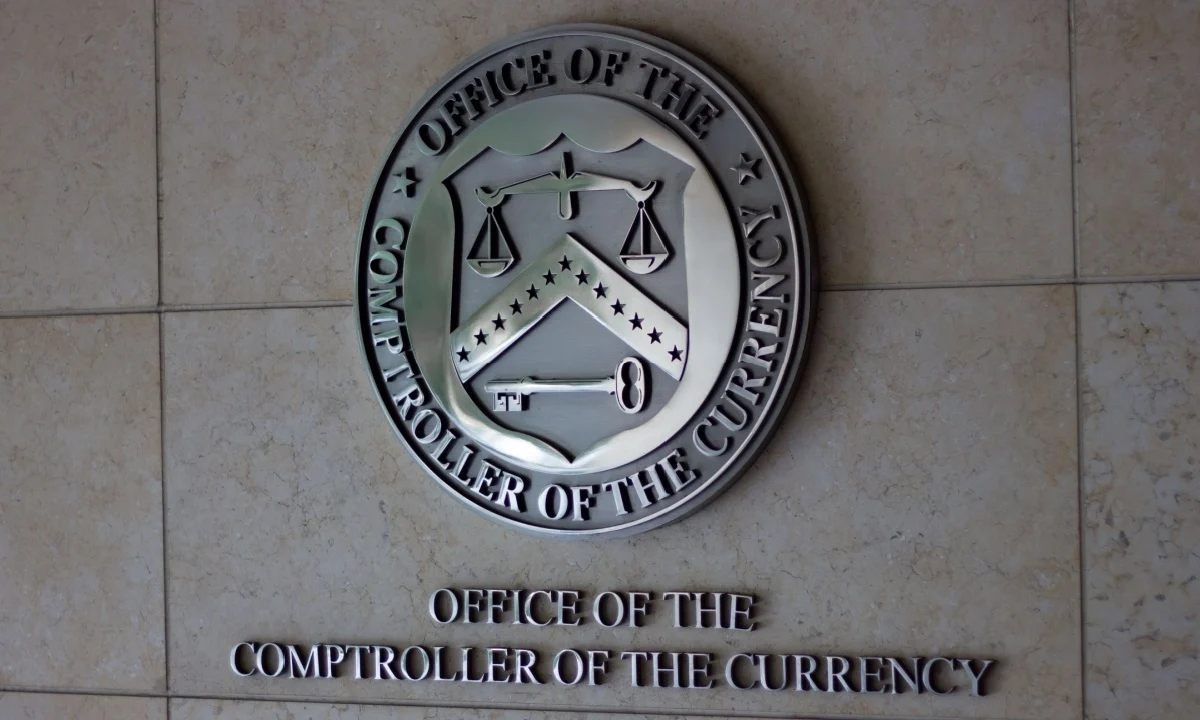
The landscape of American banking regulation has entered a period of profound turbulence. On Friday, October 2, 2026, the Independent Community Bankers of America (ICBA), the nation’s primary voice for community-focused financial institutions, officially filed a lawsuit against the Office of the Comptroller of the Currency (OCC). The litigation marks a significant escalation in the long-standing dispute over whether cryptocurrency firms and non-traditional financial entities should be granted access to the federal banking system through specialized charters.
At the heart of the conflict is a fundamental disagreement over the interpretation of the National Bank Act and the extent of the OCC’s authority to adapt legacy regulations to the realities of the digital asset economy.
The Core Dispute: Defining the "National Trust"
The ICBA’s lawsuit seeks to invalidate the OCC’s March 2, 2026, final rule regarding Interpretive Letter No. 1176. The association contends that the regulator has essentially created a "side door" into the banking system, allowing crypto-native companies to obtain national trust bank charters while bypassing the stringent requirements imposed on traditional community banks.
For the ICBA, this is not merely a technical regulatory disagreement; it is a matter of competitive fairness and systemic stability. By obtaining a federal charter, these entities gain the veneer of "bank" status, which provides market legitimacy and consumer trust, yet they avoid the regulatory heavy lifting that traditional banks must endure. Specifically, the ICBA points to the absence of Community Reinvestment Act (CRA) obligations, consolidated supervision, strict capital and liquidity standards, and the safety net of FDIC insurance.
"The OCC’s decision to allow companies to obtain national trust bank charters to conduct substantial non-fiduciary activities exceeds the authority Congress granted the agency," said ICBA President and CEO Rebeca Romero Rainey in an official statement. "Congress did not create the national trust charter as a side door into the banking system for crypto firms seeking the credibility of a federal bank charter without the accompanying responsibilities."
A Chronology of the Charter Controversy
The tension between traditional banking institutions and the OCC’s modernization efforts has been building for years. To understand the current legal standoff, one must look at the progression of the OCC’s regulatory stance:
- Pre-2026 Context: The OCC has historically supervised national trust banks, which serve a specialized role in the economy, primarily focusing on fiduciary services, wealth management, and asset custody.
- March 2, 2026: The OCC finalized an amendment to its rule on National Bank Chartering. The agency stated that the rule was designed to eliminate "potential confusion" from earlier regulatory interpretations and to better align its guidance with the National Bank Act.
- The "Interpretive Letter 1176" Conflict: This letter became the cornerstone of the OCC’s argument that national trust banks could engage in non-fiduciary activities (such as digital asset custody) that are related to their core trust functions.
- October 2, 2026: The ICBA filed its lawsuit, challenging the legal validity of the final rule and seeking a federal court intervention to define the limits of the OCC’s authority.
The OCC, for its part, has maintained a consistent defense. When issuing the March 2 rule, the agency stated that it was merely clarifying the "longstanding authority" of national banks. The regulator argued that the rule would "neither expand nor contract" the OCC’s power, but simply provide a clearer framework for how trust companies can engage in activities beyond traditional fiduciary duties.
Supporting Data: The Regulatory Divide
The discrepancy between how different financial institutions are treated is the primary driver of the ICBA’s grievance. The following points illustrate the chasm between "traditional" and "trust-chartered" entities:
1. The CRA and Social Responsibility
Traditional banks are governed by the Community Reinvestment Act, which mandates that they meet the credit needs of the communities in which they operate, including low- and moderate-income neighborhoods. Crypto firms operating under a trust charter have generally not been held to these localized investment standards, leading critics to argue that they are extracting the benefits of the banking system without contributing to the economic health of the broader population.
2. Capital and Liquidity Requirements
Community banks operate under strict capital adequacy ratios (such as Basel III standards) to ensure they can weather economic downturns. The ICBA argues that the OCC’s current stance allows for "regulatory arbitrage," where firms can hold riskier digital assets without the same level of capital buffers that a bank holding traditional commercial or mortgage loans must maintain.
3. FDIC Insurance
Perhaps the most significant differentiator is the lack of FDIC insurance for many of these trust-chartered firms. While this means the taxpayers are theoretically not on the hook for their failures, it creates a confusing environment for consumers who may not understand the difference between a "national bank" that is FDIC-insured and a "national trust bank" that is not.
Industry Perspectives: The BPI Weighs In
The ICBA is not alone in its skepticism regarding how these charters are being applied. The Bank Policy Institute (BPI), which represents some of the largest financial institutions in the country, has also voiced concerns regarding the potential for "novel entities" to enter the market without meeting standard requirements.
Paige Pidano Paridon, executive vice president and co-head of regulatory affairs at BPI, emphasized that the industry is not inherently opposed to innovation, but rather to the uneven application of the law. "BPI supports efforts to bring innovative new products and services into the regulated banking ecosystem, provided that the entities engaging in those activities are subject to the same rules and responsibilities as every other chartered institution," Paridon stated.
The BPI’s position highlights a crucial distinction: if a firm wishes to engage in the business of banking, it should seek a full-service banking charter. If it wishes to act as a trust, it should be restricted to genuine trust activities. The "middle ground" currently being exploited—where firms function as de facto banks while wearing the "trust" label—is where the current legal crisis resides.
Broader Implications: What’s at Stake?
The outcome of the ICBA v. OCC case will have lasting consequences for the future of the U.S. financial system.
The Future of "Fintech-Banking"
If the court rules in favor of the ICBA, it would likely force the OCC to severely curtail the ability of crypto firms to gain federal charters. This could effectively stall the integration of digital assets into the mainstream banking infrastructure, potentially pushing these firms toward state-level charters or offshore jurisdictions.
Conversely, if the court upholds the OCC’s rule, it would represent a landmark victory for the "regulatory modernization" movement. It would cement the idea that the National Bank Act is a flexible, "living" document capable of accommodating the digital economy, effectively greenlighting a new era of crypto-banking hybrids.
The Role of Congress
Legal experts suggest that this lawsuit may ultimately force the hand of Congress. For years, the legislative branch has struggled to pass comprehensive digital asset legislation. By leaving a regulatory vacuum, Congress has forced agencies like the OCC to interpret existing, aging laws to meet modern challenges. The court’s decision may act as a catalyst, compelling lawmakers to finally define what a "bank" is in the 21st century and whether a new category of charter is required.
The "Trust" Brand
There is also a broader reputational risk at play. If the definition of a "national trust bank" becomes too diluted, the brand equity of the entire banking system could be compromised. If consumers cannot distinguish between an institution that provides comprehensive safety and one that engages in speculative digital asset custody, the overall trust in the financial system may erode.
Conclusion: A Turning Point
As of the time of reporting, the OCC has not provided a formal response to the lawsuit. The legal proceedings will likely be slow, involving complex arguments regarding administrative law, the scope of agency discretion, and the intent of the National Bank Act.
The ICBA’s challenge is a stark reminder that the "digital revolution" in finance is not just a technological battle—it is a struggle over the legal and regulatory architecture that defines who is allowed to move, store, and manage the nation’s money. For the community banking sector, the case is about survival and the preservation of a level playing field. For the OCC, it is about keeping the U.S. banking system relevant in an age of decentralization.
The courtroom in Washington, D.C., has become the latest theater where these two worlds—the traditional and the digital—are colliding. The final verdict will set the tone for the next decade of financial regulation in the United States.