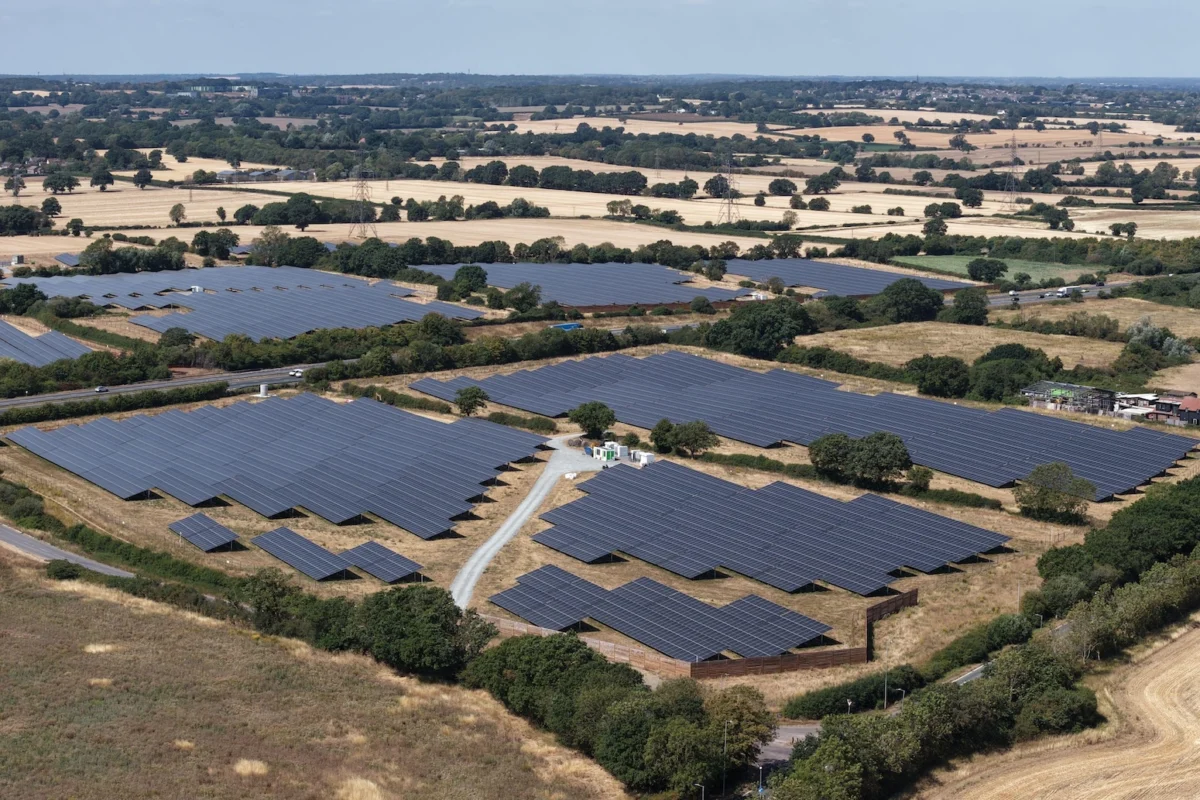
As the geopolitical landscape faces its most volatile period since the 2022 energy crisis, the United Kingdom has found a vital shield against the economic fallout of the ongoing Hormuz crisis. New analysis from Carbon Brief reveals that record-breaking generation from wind and solar power has spared the UK from gas imports valued at a staggering £5.9 billion since the outbreak of hostilities between the US and Iran in February 2026.
This milestone highlights a pivotal shift in the UK’s energy security strategy, demonstrating that the transition to clean, home-grown power is no longer merely an environmental objective, but a critical pillar of national economic defense.
The Main Facts: A Buffer Against Global Instability
The ongoing crisis in the Strait of Hormuz has sent shockwaves through global energy markets, mirroring the supply-side trauma experienced during the initial months of the Russia-Ukraine conflict. However, the UK’s energy mix in 2026 looks fundamentally different than it did four years ago.
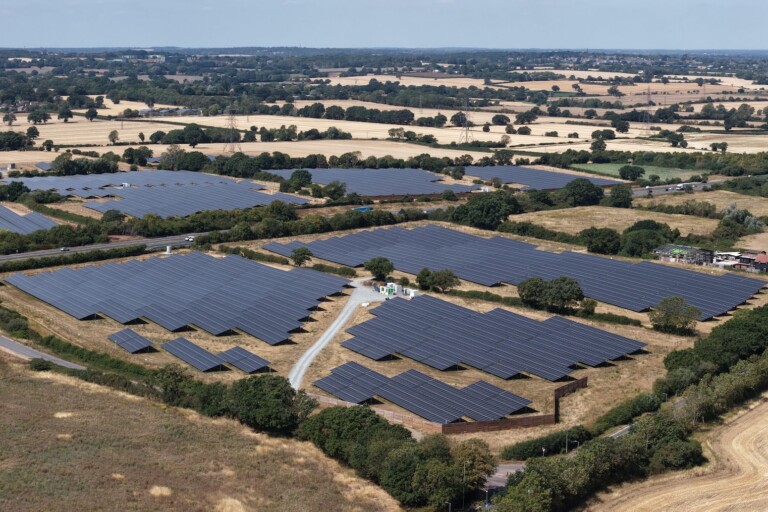
Wind and solar power have reached unprecedented levels, accounting for 41% of the UK’s total electricity generation so far this year. By contrast, reliance on gas-fired electricity has plummeted, dropping by nearly 10% compared to the same period in 2025. This structural decoupling has resulted in a massive reduction in the need for imported liquefied natural gas (LNG).
The £5.9 billion figure represents the cost of the additional gas the UK would have been forced to purchase on the volatile international spot market had it not been for the increased output from renewable assets. To put this into perspective, the avoided imports are equivalent to more than 100 massive LNG tanker deliveries—vessels that would have otherwise been subject to the price premiums and supply constraints currently plaguing the global market.
A Chronology of the 2026 Energy Shift
The narrative of 2026 is one defined by rapid adaptation. The timeline of this energy shift underscores how quickly the UK grid has evolved:
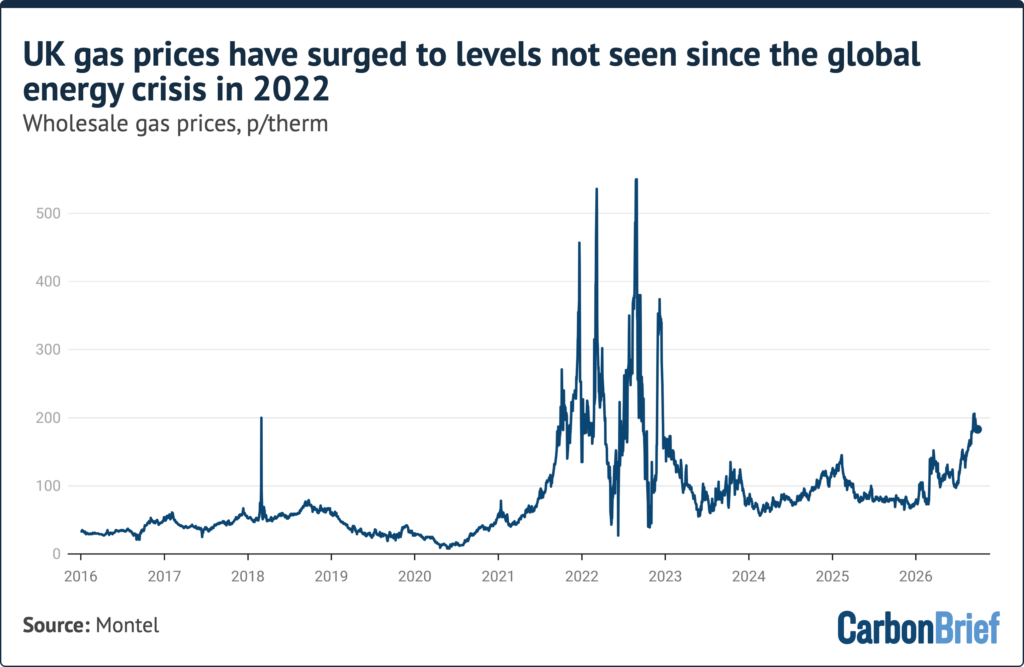
- February 2026: The outbreak of the US-Iran conflict in the Middle East triggers immediate instability in energy shipping lanes, causing wholesale gas prices to spike.
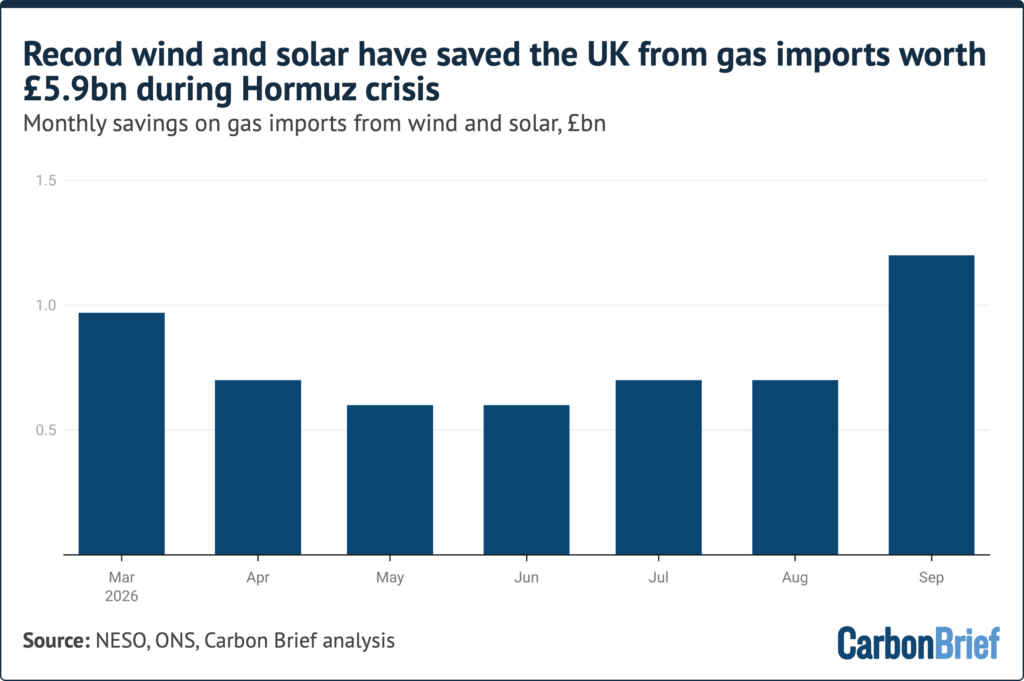
- March 2026: Early data from Carbon Brief begins to track the initial savings provided by renewable energy, noting the first £1 billion in avoided import costs.
- May 2026: As the conflict persists, cumulative savings reach £1.7 billion. The trend of rising renewables and falling gas-fired generation becomes firmly established.
- September 2026: With winter approaching, gas prices hit their highest levels since 2022, averaging 189p per therm. Despite this, record wind and solar output in September alone—reaching nearly 10 terawatt hours (TWh)—delivers a single-month import saving of £1.3 billion.
This chronology illustrates a "tug-of-war" between escalating global energy prices and the UK’s accelerating capacity to generate power through clean, non-fuel-based sources.
Supporting Data: Price Volatility and Market Realities
The economic burden of the Hormuz crisis is undeniable. Wholesale gas prices in the UK have averaged 134p per therm since the war began—nearly four times the levels seen in 2019. For the average consumer, this volatility is painful, yet the data confirms that the impact could have been catastrophic without the surge in renewable generation.
The Widening Gap Between Gas and Electricity
The decoupling of electricity pricing from gas markets is becoming visible in household bills. While the energy regulator Ofgem has been forced to raise the price cap on gas—resulting in a 33% increase in typical household gas bills starting October 1—the rise in electricity bills has been significantly more muted, hovering at just 4%.
Andrew Sissons, Director for Sustainable Future at the thinktank Nesta, noted on social media that the long-standing, problematic link between gas and electricity prices is finally beginning to fracture. This shift is critical because it suggests that the UK’s investment in wind and solar is finally providing a genuine hedge against the inflationary pressure of fossil fuel reliance.
Global Market Competition
The crisis has forced Europe into a desperate competition with Asian markets to secure scarce LNG cargoes ahead of the winter season. With European gas stocks remaining at historically low levels, the premium on natural gas is likely to remain high for the foreseeable future. The UK’s decision to prioritize renewable infrastructure has effectively insulated it from the worst of this scramble, though the country remains fundamentally "exposed to global fossil-fuel markets," as noted by government officials.
Official Responses: Government Strategy and Future Outlook
The UK’s political leadership has been quick to frame the renewable surge as both a solution to the current cost-of-living crisis and a blueprint for long-term energy sovereignty.

During the Labour Party conference in September 2026, Energy Secretary Miatta Fahnbulleh emphasized the vulnerability of the UK to global market forces, pointing to the reliance on volatile fossil fuels as the primary driver of high bills. Her message was clear: the path to lower, more stable costs lies in aggressive, rapid deployment of renewable and nuclear capacity.
Prime Minister Andy Burnham echoed this sentiment, confirming that he has tasked the Energy Secretary with accelerating the process of breaking the link between the international gas market and domestic electricity prices. "We are already taking more control of our electricity prices with a massive expansion of home-grown renewables and nuclear," Burnham stated. "We must get these bills down by insulating ourselves from the whims of international commodity markets."
Implications: The Long-Term Energy Transition
The implications of these findings extend far beyond the current fiscal year. The data provides a robust empirical argument for the continuation of the energy transition, even in the face of political or economic pressure to revert to fossil fuels.
Economic Resilience
The savings of £5.9 billion demonstrate that green energy is not an "optional" expense, but a strategic investment that pays dividends during times of geopolitical crisis. For low- and middle-income nations that lack the infrastructure to pivot away from imported fossil fuels, the current crisis has been devastating. The EU, for example, has reportedly paid an extra €100 billion for fossil-fuel imports since the crisis began. The UK’s relative success in mitigating these costs suggests that renewable energy is the most effective form of economic insurance currently available.
Transportation and Industrial Shifts
The lessons learned in the electricity sector are beginning to cross over into transport. With diesel prices reaching historic highs of around £2 per litre, the cost-effectiveness of electric vehicles (EVs) has become even more pronounced. Recent analysis shows that EVs are now up to nine times cheaper to drive than petrol or diesel equivalents, creating a powerful economic incentive for consumers to shift away from combustion engines.
A New Era of Energy Policy
The transition is not without its challenges. The UK still faces hurdles, such as the need for better long-duration energy storage and the continuous modernization of the national grid to handle the intermittency of wind and solar. However, the evidence presented by Carbon Brief proves that the UK’s strategy is working.

By building more capacity, the UK is not only reducing its carbon footprint but is actively building a more resilient, stable, and affordable economy. As the world navigates a future of increasing geopolitical uncertainty, the ability to generate power from the wind and sun—assets that cannot be blockaded in the Strait of Hormuz or cut off by geopolitical rivals—has become the ultimate form of national security.
In conclusion, the £5.9 billion saved is a testament to the foresight of those who pushed for the rapid expansion of renewables. As the country moves toward the winter months, the resilience of the UK’s energy system will be tested again, but the data suggests that the foundation is stronger than it has ever been. The message from the 2026 data is definitive: the faster the UK transitions, the more insulated it becomes from the chaos of the global fossil fuel trade.