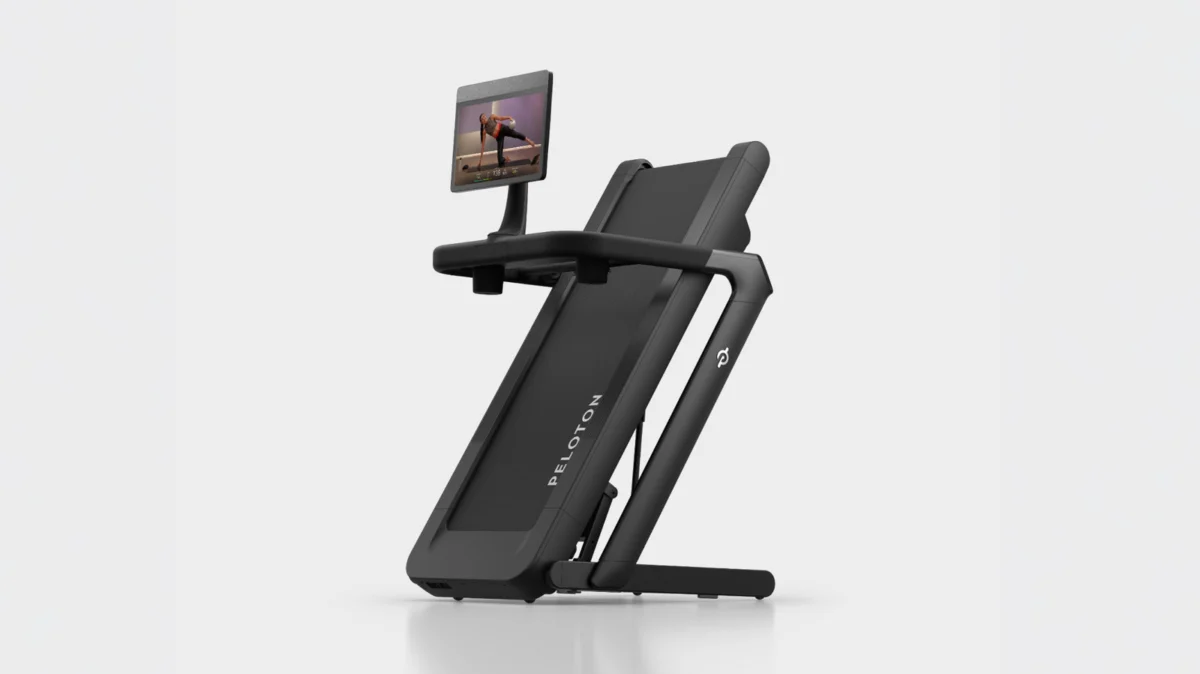
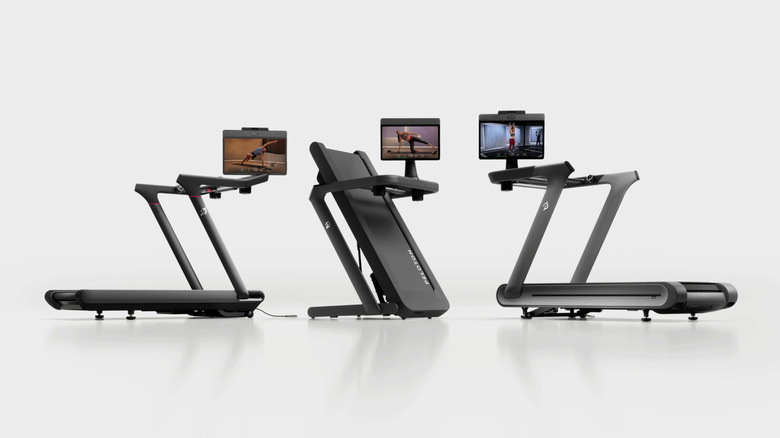
Peloton, the fitness giant that redefined the at-home workout experience, is embarking on its most ambitious hardware refresh to date. As of September 2026, the company is diversifying its portfolio to address a wider spectrum of fitness enthusiasts, ranging from space-constrained urbanites to data-obsessed marathoners. By launching three distinct treadmills—the Tread Flex, Tread Vision, and Tread+ Vision—Peloton is effectively segmenting the market, moving away from a "one-size-fits-all" approach to a model that targets specific tax brackets and athletic performance levels.
This strategic pivot comes at a critical juncture for the brand, as it seeks to integrate artificial intelligence (AI) and computer vision into the daily routine of its users, ensuring that the "Peloton experience" remains the gold standard in an increasingly crowded home-fitness ecosystem.
Main Facts: The New Tread Lineup
The headline of the 2026 launch is undoubtedly the Tread Flex. Priced at $2,195, it represents the company’s most accessible treadmill since its initial foray into the category eight years ago. Designed for those who value floor space as much as fitness, the Tread Flex is the first in the company’s history to feature a vertical folding mechanism. This design choice allows the machine to occupy roughly half the footprint of its predecessors, making it an ideal solution for apartments and home offices.
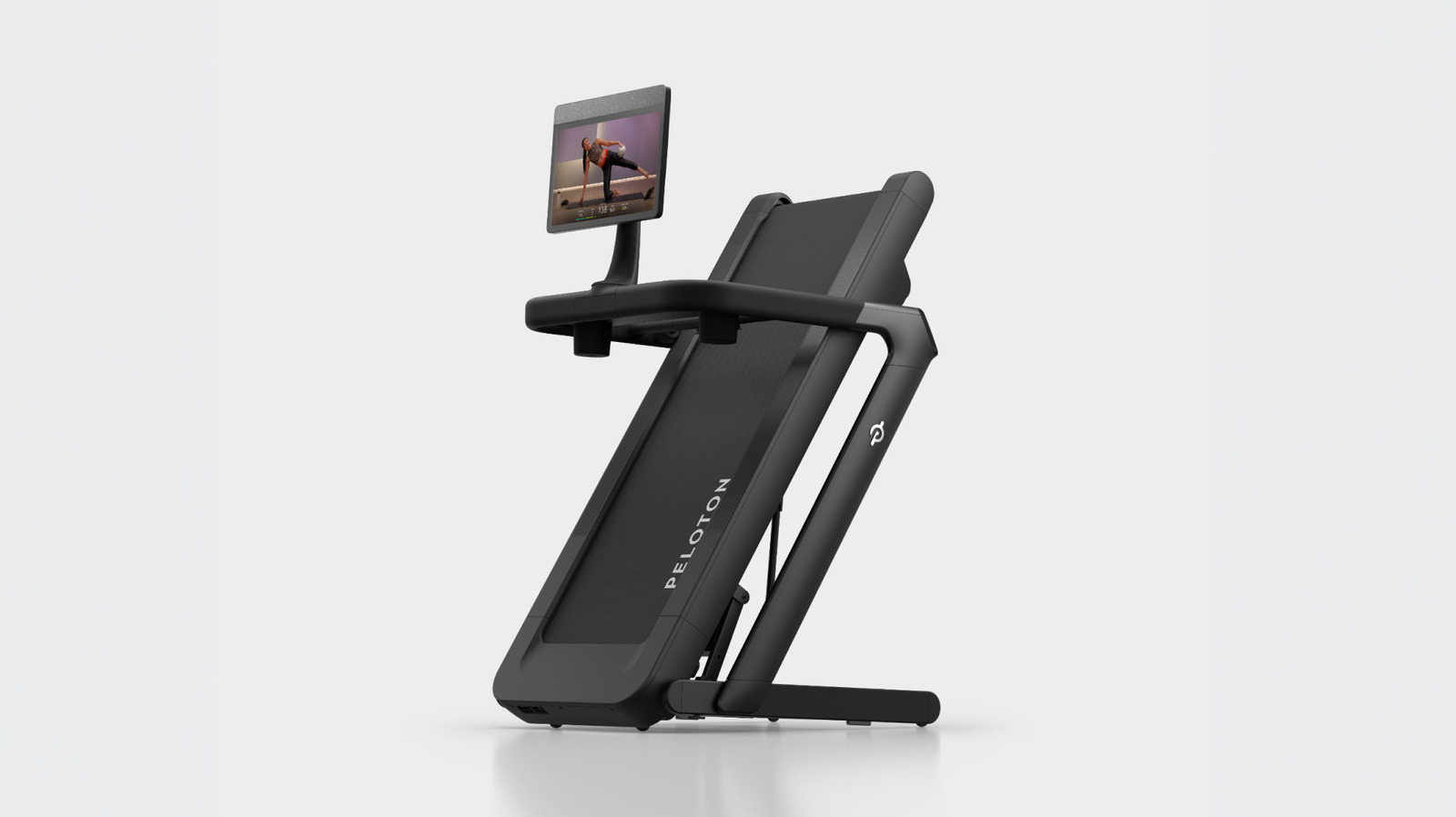
Complementing the Flex are the premium models: the Tread Vision ($3,495) and the ultra-high-end Tread+ Vision ($6,695). These units are engineered for serious runners who demand advanced biomechanical feedback and superior hardware specifications. While the entry-level Flex focuses on versatility and storage, the Vision series pivots toward performance optimization, utilizing AI-driven cameras to monitor form and provide real-time coaching.
Chronology of Innovation: From CES 2018 to IFA 2026
To understand the magnitude of this release, one must look at the arc of Peloton’s hardware journey:
- January 2018: Peloton disrupts the industry with its original Tread, launching at a price point of approximately $4,000. It established the brand as a premium fixture in the home gym market.
- 2024–2025: As competitors flooded the market with cheaper, screenless options, Peloton began experimenting with cross-training equipment, incorporating AI-tracking cameras and rotatable screens to maintain its competitive edge.
- September 2026 (IFA Berlin): Peloton officially unveils the Vision series. While the Tread Vision was showcased to the public, the Tread Flex remained the "hidden gem" of the launch, aimed at a broader demographic.
- Late 2026: The full rollout of the new lineup begins, accompanied by software updates that include "ReRuns" and enhanced integration with third-party wearables like Whoop.
Supporting Data and Technical Specifications
The Tread Flex: Compact, Capable, and Connected
Despite its lower price point, the Tread Flex avoids the "budget trap" of stripped-down hardware. It features:
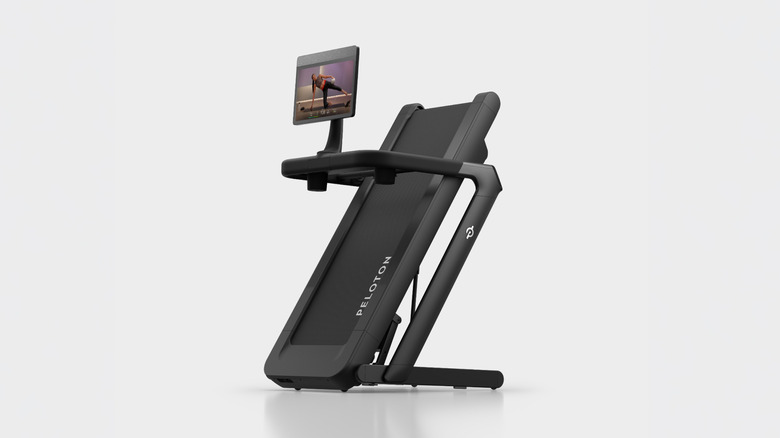
- Display: A 21.5-inch Full HD pivoting touchscreen.
- Storage: A vertical folding mechanism with a two-step release and safety locking pin.
- Noise Management: Rated at 70 dB at 12.5 mph (idle).
- Software: Full access to Peloton IQ, including personalized Pace targets (Levels 1–10) and Zone 2 heart-rate training.
The Tread Vision Series: The "Smart" Athlete’s Tool
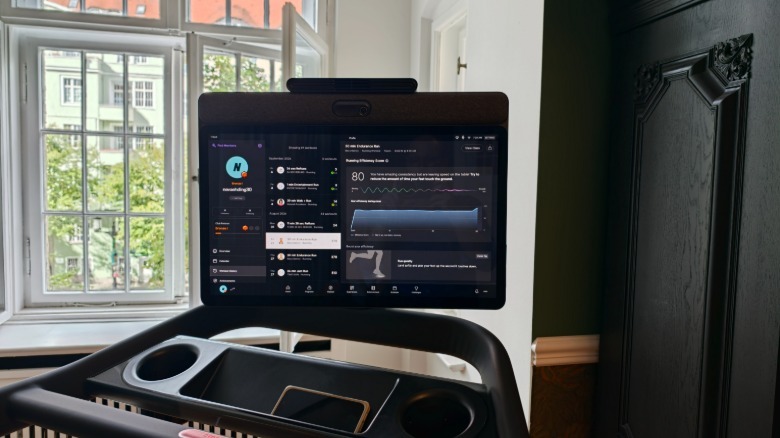
The Vision models are built for those who treat their living room as a high-performance training lab. The standout feature is the Computer Vision-enabled camera. This hardware tracks vertical oscillation, cadence, and stride length to generate a personalized "efficiency score." By working with biomechanics experts, Peloton has turned the screen into a digital trainer that offers post-run feedback and actionable cues for the next session.
The Tread+ Vision: The Pinnacle of Luxury
At $6,695, the Tread+ Vision is designed for elite-level training. It features a sophisticated slat-belt deck paired with a ball-bearing system, a technology usually reserved for professional-grade health clubs. Furthermore, it introduces Sled Mode, which offers software-controlled resistance (30–300 lbs). This feature allows users to simulate the intensity of cross-training and Hyrox-style competitions, pushing the boundaries of what a treadmill is expected to do.
Official Responses and Strategic Vision
Peloton’s leadership has emphasized that this launch is about "democratizing access while rewarding expertise." By introducing the Tread Flex, the company acknowledges the feedback from its user base regarding the high cost of entry. "We aren’t just selling a treadmill; we are selling a coaching platform," a spokesperson noted during the IFA presentation.
The decision to include Peloton IQ—which requires ten sessions to calibrate a user’s performance baseline—highlights the company’s commitment to data-driven health. Furthermore, the integration with Whoop signals a shift toward a "connected ecosystem." By allowing users to pull data from screenless wearables, Peloton is acknowledging that its users are active outside of the home, and it intends to capture that data to refine its coaching algorithms.
The Implications: Why This Matters
1. The Rise of "Intelligent" Fitness
The integration of computer vision is perhaps the most significant shift in the home-fitness industry. By moving from passive screen-based classes to active, real-time form correction, Peloton is positioning itself as a legitimate alternative to in-person personal training. The ability to monitor stride length and cadence is not merely a gimmick; for the serious runner, it is the difference between a PR and a stress fracture.
2. Market Segmentation as a Survival Strategy
For years, Peloton was synonymous with luxury. However, the Tread Flex suggests a company that has learned the value of scalability. By offering a entry-level point ($2,195) alongside the top-tier, enterprise-grade hardware ($6,695), Peloton is casting a wider net, protecting its market share from cheaper, "dumb" hardware manufacturers while continuing to extract value from its most dedicated, high-spending users.
3. The "ReRun" Revolution
The introduction of "ReRuns"—the ability to map outdoor routes tracked on Apple Watch or the Peloton app directly to the treadmill’s incline settings—is a masterstroke in user retention. It blurs the line between the "boredom" of indoor treadmill running and the dynamic nature of outdoor road running. It gamifies the outdoor experience, bringing the variables of the real world into the controlled environment of the home.
4. Competitive Positioning
The inclusion of Sled Mode on the Tread+ Vision is a direct challenge to the burgeoning popularity of functional fitness and competitive events like Hyrox. By hardware-enabling these specific workout styles, Peloton is essentially turning its treadmills into multipurpose cross-training hubs, effectively making other gym equipment redundant for the average home user.
Conclusion
The 2026 Peloton hardware launch is a sophisticated response to a changing market. The company has successfully balanced the need for accessibility (Tread Flex) with the demand for extreme, high-performance utility (Tread+ Vision). Through the marriage of biomechanics and AI, and the continued expansion of its software ecosystem, Peloton is signaling that the era of the "dumb treadmill" is coming to a close. For the consumer, this means a future where the living room treadmill is no longer just a place to run, but a laboratory for athletic optimization. Whether you are a beginner looking to save space or an athlete chasing a specific heart-rate zone, Peloton’s new lineup offers a compelling, if expensive, path forward.