Somewhere in the depths of your email database lies your most underutilized marketing asset: the satisfied customer. They have purchased your product multiple times, they have taken the time to leave a glowing review, and they are essentially brand ambassadors waiting for an invitation to speak. Yet, for most founders, this potential remains dormant.
While many businesses claim to have a "referral program," the reality often mirrors a forgotten gym membership—it exists on paper, buried in a website footer, but produces zero tangible results. However, in an era of rising customer acquisition costs (CAC) and diminishing returns on traditional advertising, the referral engine has emerged as the most efficient lever for scalable, sustainable growth.
The Anatomy of a Referral Engine: Beyond the Footer Link
To understand why most referral programs fail, one must recognize the fundamental difference between a "page" and a "program." A referral page is static; it is a destination you hope people find. A referral engine is dynamic; it is an integrated infrastructure that embeds itself into the customer journey.
The math behind referrals is compelling. When a trusted friend recommends a product, the "selling" is effectively finished. No algorithm can replicate the credibility of a personal endorsement, and no ad platform can match the conversion rates of a referred lead. Referred customers not only convert at higher rates, but they also tend to have higher lifetime values (LTV) and lower churn rates.
Chronology of a Successful Referral Strategy
Building a referral engine is not an overnight task; it is a systematic process of mapping trust to your sales infrastructure.
Phase 1: Identifying the "Moment of Delight"
The most common error in referral marketing is poor timing. Asking for a referral in a generic, automated newsletter is akin to shouting into a void. To succeed, you must identify the "Moment of Delight"—that precise window where customer satisfaction is at its peak. This could be immediately following a second or third repeat purchase, after a five-star review is submitted, or following a positive interaction with customer support.
Phase 2: Implementing Automated Triggers
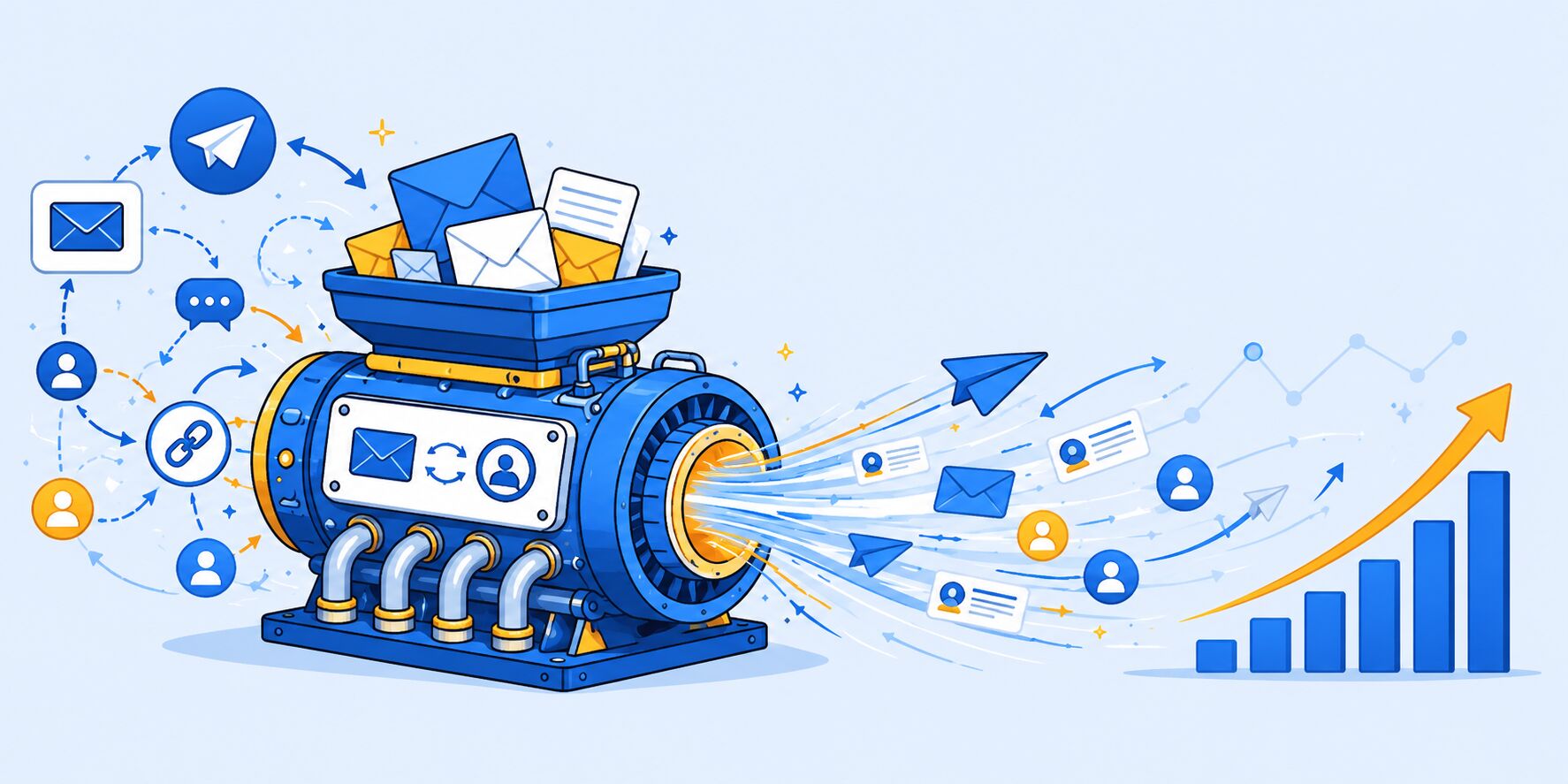
Manual tracking is impossible at scale. Successful brands utilize marketing automation to monitor these moments of delight. By linking your CRM to your referral platform, you can ensure that the invitation to refer is triggered automatically—and only—when a customer is most likely to advocate for your brand.
Phase 3: Reducing Friction
Friction is the silent killer of referral programs. If it takes more than 15 seconds to share a referral link, the opportunity is lost. The most effective programs provide pre-written, human-centric messaging that can be shared via WhatsApp, text, or email with a single tap.
Phase 4: Continuous Reinforcement
A referral program should not be a "set and forget" feature. It must be woven into the fabric of your communication. By mentioning it consistently—but subtly—in post-purchase flows and receipts, you ensure that when a friend eventually asks for a recommendation, your brand is top-of-mind.
The Economics of Incentives: Why "Double-Sided" is Non-Negotiable
A frequent pitfall is the implementation of one-sided referral rewards. If only the referrer is rewarded, the act can feel transactional or "grubby," as if they are monetizing their social circle. Conversely, if only the new customer receives a discount, the existing customer lacks a compelling reason to initiate the outreach.
The "Double-Sided" incentive model—typically formatted as "Give $X, Get $X"—is the gold standard. It turns the act of referring into a mutual favor. The referrer is seen as a helpful friend, and the new customer receives a welcome discount that lowers the barrier to entry. Crucially, the reward need not be extravagant. Often, free shipping, a modest store credit, or early access to new releases is sufficient to drive behavior, provided the friction of sharing is low.
Supporting Data: Why Trust Outperforms Targeting
Modern marketing is obsessed with data, yet the most powerful data point remains human trust. Studies consistently show that peer recommendations are the primary influence on purchasing decisions across almost every demographic.
- Conversion Rates: Referred customers often convert at rates 2–3 times higher than traffic from cold ad sources.
- Customer Lifetime Value: Because referred customers are vetted by their peers, they are more likely to align with your brand values, leading to higher retention rates.
- Acquisition Cost: While there is a cost associated with the referral reward, it is almost always significantly lower than the cost of acquiring a customer through competitive bidding on platforms like Meta or Google.
Implications for Modern Founders
For the modern entrepreneur, the implications are clear: the "spray and pray" approach to customer lists is dead. You cannot ask every customer for a referral; you must be selective.
Segmenting your list is the key to efficiency. Focus your outreach on your repeat buyers, your frequent reviewers, and your most engaged subscribers. Asking a customer who hasn’t interacted with your brand in eight months to refer a friend is not just ineffective—it is an annoyance that can lead to unsubscribes. By isolating your "Superfans," you create a highly qualified cohort that is both willing and able to act on your behalf.
Leveraging Technology for Scalability
Platforms like Omnisend have revolutionized this process by providing the "plumbing" that keeps the engine running. Through advanced segmentation, these tools allow founders to isolate high-value customers and integrate them with loyalty platforms like Smile or Yotpo.
This automation handles the heavy lifting—tracking referrals, distributing rewards, and managing tiers—allowing the founder to focus on the creative aspect: crafting an invitation that feels authentic and compelling.
Final Thoughts: The Infrastructure of Generosity
Word-of-mouth marketing is already occurring around your brand. People are discussing the products they enjoy, whether you have a referral program or not. The role of the entrepreneur is not to "create" word of mouth, but to provide the infrastructure for it to travel further.
By removing friction, rewarding both parties, and asking at the exact moment of peak sentiment, you transform your customers from passive buyers into an active sales force. In a digital economy that is increasingly crowded and noisy, the most effective marketing strategy is the one that happens one-to-one, fueled by the genuine recommendation of a satisfied customer.
The referral engine is, at its heart, an infrastructure for the goodwill that already exists within your business. It is time to make that goodwill work for you—and to make it, as the best word-of-mouth marketing should be, significantly louder.