The American energy landscape is currently undergoing a massive, albeit quiet, crisis. As the United States pushes toward a decarbonized grid, it relies heavily on the steady, baseload power provided by its aging fleet of hydroelectric dams. However, a significant portion of this infrastructure is currently trapped in a regulatory quagmire that threatens to decommission smaller plants and stifle the output of larger ones.
In a rare display of bipartisan unity, Congress has moved to address these systemic failures. The Hydropower Relicensing Transparency Act has successfully navigated both chambers of the U.S. legislature and is currently awaiting the President’s signature. This move signals a pivotal shift in how the federal government views the relicensing process—not merely as a bureaucratic formality, but as a critical infrastructure challenge that requires immediate oversight.
The State of Play: Why Transparency Matters
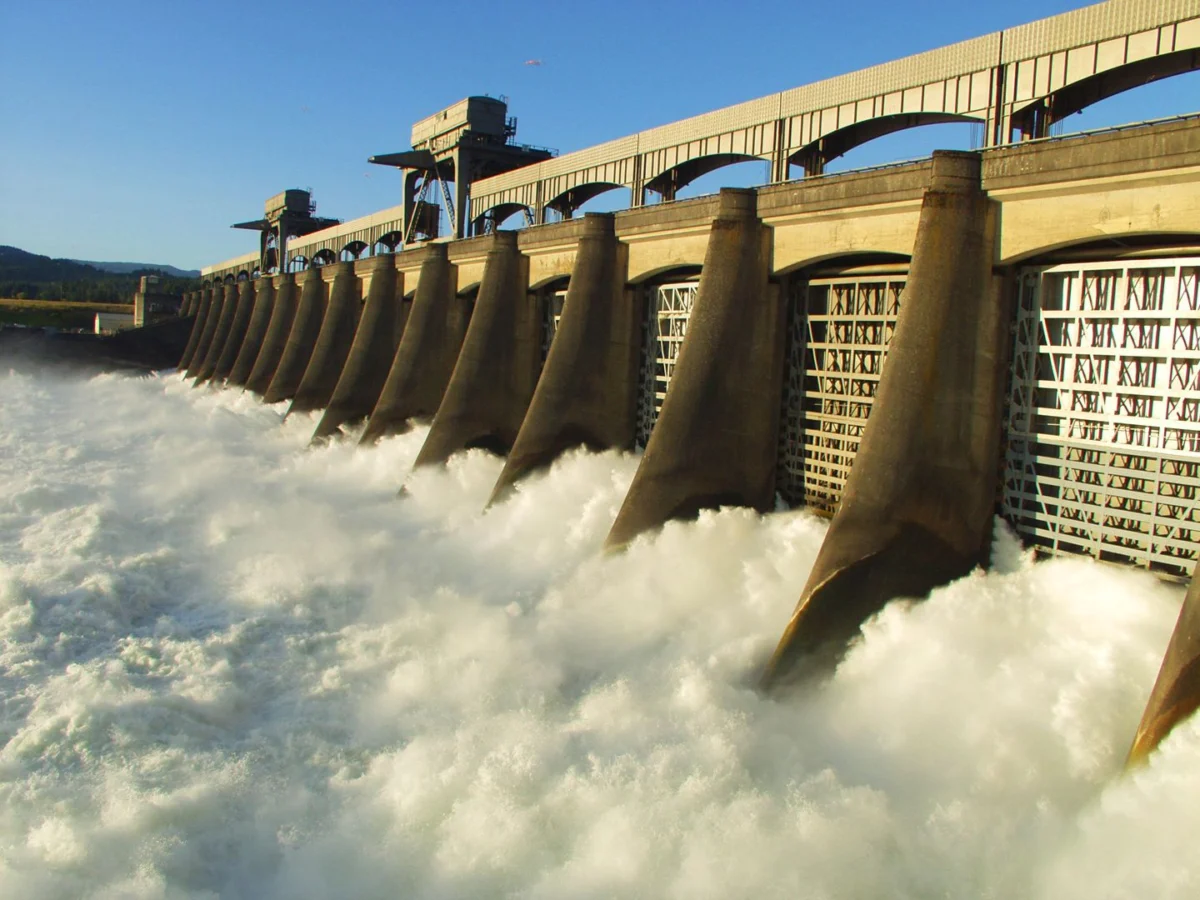
The Federal Energy Regulatory Commission (FERC) currently oversees a sprawling network of 1,600 hydropower projects integrated into more than 2,500 dams nationwide. These facilities are the workhorses of the American grid, providing more than 100 gigawatts (GW) of clean, reliable electricity.
However, the operating licenses for these projects are finite, typically spanning 30 to 50 years. When a license expires, the owner must undergo a relicensing process that has become notoriously arduous. In recent years, the average time required to secure a new license has stretched to between seven and ten years—a duration that often exceeds the financial viability of smaller, independent operators.
The Hydropower Relicensing Transparency Act, spearheaded by Senators Catherine Cortez Masto (D-Nev.) and Steve Daines (R-Mont.), seeks to bring sunlight to this opaque process. By mandating that FERC provide annual, detailed reports to Congress on the status of every pending relicensing application, the bill forces accountability onto a process that has historically operated in a "black box."
A Chronology of Regulatory Friction
The path to this legislation was paved by years of industry frustration. To understand the current climate, one must look at the evolution of the relicensing timeline:
- The Mid-20th Century: Licensing was largely viewed as a straightforward administrative task, with the focus primarily on dam safety and basic operational standards.
- The 1970s–2000s: The introduction of comprehensive environmental regulations (such as the Clean Water Act and the Endangered Species Act) added layers of scrutiny. While these protections are essential, they also created a fragmented oversight environment where multiple federal and state agencies began exerting competing demands on dam operators.
- 2010–2020: The duration of relicensing applications began to climb, with industry groups reporting that litigation threats and overlapping jurisdictional demands caused projects to stagnate for a decade or more.
- 2024: The "Hydropower Cliff" becomes a national concern. With 40% of the nation’s hydropower capacity up for relicensing by 2030, the legislative branch finally took concrete action to prevent a wave of involuntary plant closures.
Supporting Data: The "Hydropower Cliff"
The Department of Energy (DOE) has issued stark warnings regarding the coming decade. According to their projections, the volume of FERC relicensing activities is expected to more than double in the next ten years.
This surge comes at a time when the grid is most vulnerable. As the U.S. integrates more intermittent resources like wind and solar, the role of hydropower—which offers unique grid-balancing services such as black-start capability, frequency regulation, and storage-like flexibility—has never been more important.
However, the economics are working against this transition. The current process is so "burdensome, lengthy, and expensive" that many operators are concluding that the cost of compliance outweighs the value of the electricity generated. If these plants are forced to retire, the grid loses not just clean energy, but the essential ancillary services that keep the lights on during peak demand or extreme weather events.
Beyond Transparency: The Quest for Affordability
While the Hydropower Relicensing Transparency Act addresses the need for information, a secondary, more aggressive piece of legislation is currently gaining traction. The Hydropower Licensing Affordability Act, introduced by Senators Lisa Murkowski (R-Alaska), Steve Daines (R-Mont.), and Jim Risch (R-Idaho), targets the fundamental mechanics of the Federal Power Act (FPA).
The core of this bill addresses "mandatory conditioning." Under current law, various natural resource agencies—such as the Department of the Interior (DOI) and the Department of Agriculture (USDA)—can impose conditions on a dam’s license. FERC is legally obligated to include these conditions, regardless of their cost, technical feasibility, or their actual relationship to the project’s environmental impact.
The Affordability Act proposes a common-sense reform: it would limit these mandatory conditions to those that address the "direct adverse effects" of the project. This would prevent agencies from using the relicensing process as a vehicle for unrelated environmental goals, thereby lowering the barrier to entry for operators while still maintaining high standards of environmental protection.
Official Responses and Industry Sentiment
The industry response has been overwhelmingly supportive. Malcom Woolf, President and CEO of the National Hydropower Association (NHA), lauded the legislative progress as a necessary course correction.
"Hydropower provides the flexibility that other sources of energy need when grids are stressed," Woolf noted. "The Hydropower Relicensing Transparency Act is a great step toward fixing our broken permitting process by guaranteeing more accountability from FERC."
Senator Cortez Masto echoed this sentiment, emphasizing that the legislative push is not about abandoning environmental standards, but about modernizing the mechanism of oversight. "As costs rise and demand surges, we need to adopt an all-of-the-above approach," she stated. "Bureaucratic delays are causing the relicensing process to take an average of seven to ten years. We are slashing red tape to unleash American hydropower."
The Broader Implications: Energy Security and Grid Stability
The movement to reform hydropower permitting is part of a larger national conversation about the "Permitting Reform" agenda. There is a growing realization in Washington that climate goals are unattainable if infrastructure projects remain stuck in a perpetual state of review.
1. Grid Resilience
Hydropower is the largest source of renewable energy in the United States. Its ability to ramp up production instantly makes it the perfect complement to solar and wind. By streamlining the relicensing process, the U.S. ensures that its most reliable "battery" remains operational, preventing the catastrophic grid failures that have plagued other regions.
2. Economic Viability for Rural America
Many hydropower facilities are located in rural communities, serving as major employers and taxpayers. The threat of plant closures due to regulatory costs is not just an energy issue; it is an economic development issue. By reducing the cost of licensing, these communities can maintain their industrial base and the low-cost energy that often attracts secondary manufacturing and data center investment.
3. A Precedent for Future Infrastructure
If the Hydropower Relicensing Transparency Act proves successful, it could serve as a blueprint for other areas of infrastructure permitting. The focus on inter-agency coordination, time-bound reporting, and clear definitions of "direct effects" provides a template for how the federal government can balance regulatory rigor with the urgent need for modernization.
Conclusion: The Path Forward
The arrival of the Hydropower Relicensing Transparency Act on the President’s desk is a milestone, but it is not the finish line. The energy sector, alongside lawmakers, must remain vigilant as these new transparency mandates are implemented.
The ultimate goal remains the preservation of the existing hydropower fleet while fostering an environment where upgrades and efficiency improvements can occur without triggering a decade-long permitting odyssey. As the nation approaches the 2030 deadline for a massive wave of relicensing, the actions taken by Congress today will determine whether the U.S. successfully maintains its clean energy backbone or allows it to erode under the weight of its own bureaucracy.
The message from the Senate and House is clear: hydropower is a national asset, and the era of unmitigated, unaccountable delay must come to an end. Whether through the transparency measures now signed into law or the potential reforms of the Affordability Act, the message is loud and clear: American hydropower is ready to be unleashed, provided the red tape is finally cut.