The year 2025 marked a harrowing chapter for the guardians of our planet’s natural heritage. According to the latest comprehensive report from the environmental watchdog Global Witness, at least 124 land and environmental defenders were killed globally for their efforts to protect their territories, livelihoods, and ecosystems from extractive destruction. While this figure represents a decline from the 142 killings and four disappearances recorded in 2024, and the 196 deaths documented in 2023, experts warn that these numbers remain a "significant underestimate." Due to the remoteness of the regions where these crimes occur, the climate of intimidation, and the frequent suppression of information, the true toll of the violence is likely much higher.
Since Global Witness began systematically tracking this data in 2012, they have verified 2,375 killings worldwide. The persistence of these deaths, despite global awareness campaigns, underscores a systemic failure to protect those standing on the frontlines of the climate crisis.
The Epicenter of Violence: Latin America’s Deadly Landscape
The data for 2025 paints a stark geographic picture: Latin America remains the most perilous region in the world for environmental activists, accounting for a staggering 85% of all verified killings. The confluence of weak legal protections, pervasive corruption, and intense competition over natural resources has created a "perfect storm" for violence.

Colombia has once again been identified as the deadliest nation for defenders, topping the list for the fourth consecutive year with 39 murders. The nation’s struggle to implement peace accords and control territory against armed groups has left activists particularly vulnerable. Nearby, Brazil—the steward of the world’s most critical carbon sink, the Amazon rainforest—saw a sharp escalation in violence, with 26 recorded murders, more than doubling the 12 cases reported in 2024. This spike occurred even as Brazil hosted COP30, the world’s largest annual climate summit, highlighting a disturbing disconnect between international climate diplomacy and the reality on the ground. Honduras, which has historically maintained the highest per capita killing rate, followed with 12 documented murders.
Across the Pacific, the Philippines emerged as the most dangerous nation in Asia, with 12 confirmed killings. Beyond the lethal violence, the country is witnessing a worrying rise in "enforced disappearances," a tactic increasingly utilized to silence dissent without the immediate international outcry that accompanies a confirmed murder.
A Chronology of Conflict: Drivers of the Violence
The violence directed at defenders is not random; it is a direct result of economic interests clashing with community rights. The Global Witness report identifies land disputes as the primary driver of these attacks, with the mining industry serving as the most frequent industrial culprit. In 2025 alone, 11 murders were directly linked to opposition against mining operations.

The chronological progression of these threats often follows a predictable, tragic pattern:
- Initiation: A corporation or state entity proposes a land-intensive project (mining, logging, or industrial agribusiness) on land traditionally managed by Indigenous or local communities.
- Consultation Failure: Communities are bypassed or intimidated, with no "Free, Prior, and Informed Consent" (FPIC) obtained.
- Escalation: Defenders begin local advocacy, legal challenges, or peaceful protests.
- Criminalization: Authorities or private security use "lawfare"—filing spurious defamation or trespass charges—to drain the resources and spirit of activists.
- The Climax: When legal and administrative harassment fails to stop the resistance, the conflict shifts to physical violence, often perpetrated by hitmen or organized crime syndicates acting on behalf of local power brokers.
Logging interests and industrial agribusiness accounted for eight and six killings, respectively. In Nicaragua, the Miskitu, Mayangna, and Rama peoples have faced a sustained campaign of dispossession, characterized by an almost total absence of justice under the country’s authoritarian regime.
Supporting Data: Who Pays the Ultimate Price?
The demographics of the victims reveal a tragic reality: the people who do the most to protect the Earth are the ones most frequently sacrificed for its exploitation.

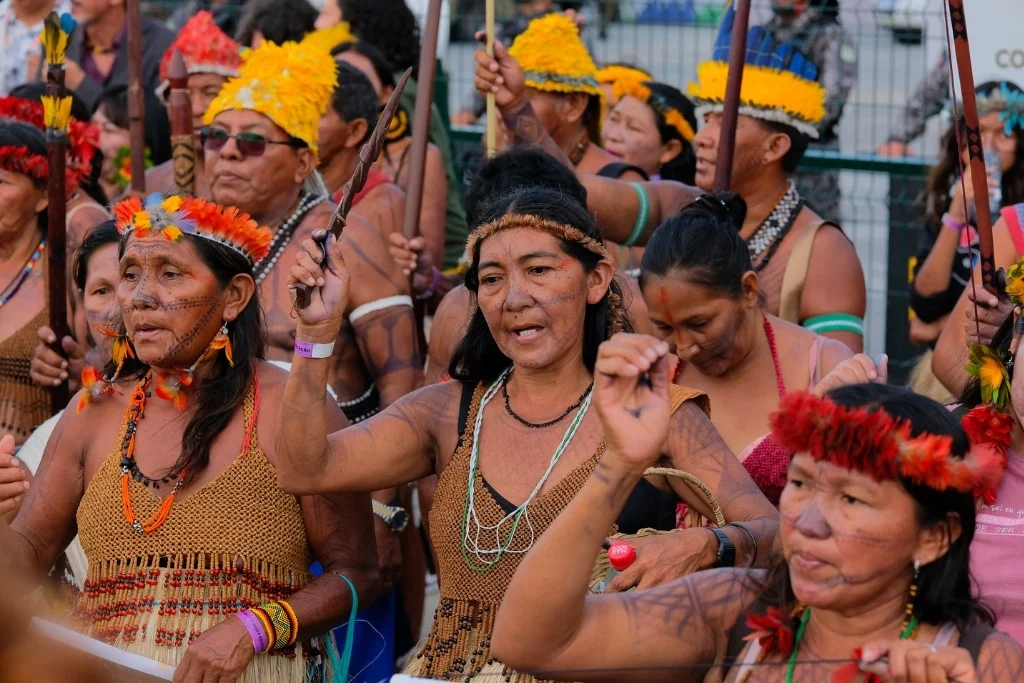
- Indigenous Resilience: Indigenous people steward approximately 20% of the Earth’s land, a territory that contains roughly 80% of the world’s remaining biodiversity. Despite this vital contribution to global climate stability, 43% of all defenders murdered in 2025 were Indigenous.
- Gendered Violence: Women defenders face unique risks, often experiencing sexual violence and smear campaigns alongside physical threats. In 2025, 12% of the victims were women.
- The Vulnerable Majority: Small-scale farmers, Indigenous communities, and Afro-descendant groups made up over 75% of the total casualties, illustrating that this is fundamentally a struggle of the marginalized against the powerful.
The Role of Organized Crime and Political Instability
One of the most alarming findings in the 2025 report is the pervasive influence of organized crime. Over a third of all global killings involved suspected links to criminal syndicates and professional hitmen. These actors thrive in areas where the rule of law is weak, fostering a culture of impunity. When state institutions are compromised by corruption, these groups act as the "enforcers" for illegal logging, mining, and land-grabbing operations.
The closure of civic space is further exacerbating this crisis. In countries like Peru, Ecuador, and El Salvador, new legislative measures have been introduced to restrict the funding and operational scope of civil society organizations (CSOs). By cutting off the resources that NGOs use to provide legal support and international visibility to activists, these states are effectively enabling the violence to continue in the shadows.
Implications: The Impact of Geopolitical Shifts
The report offers a scathing critique of the Trump administration’s foreign policy, specifically the withdrawal of support for international human rights and environmental organizations. The dismantling of USAID programs—which provided crucial funding for Indigenous land stewardship—has left thousands of activists without the institutional backing needed for their protection.
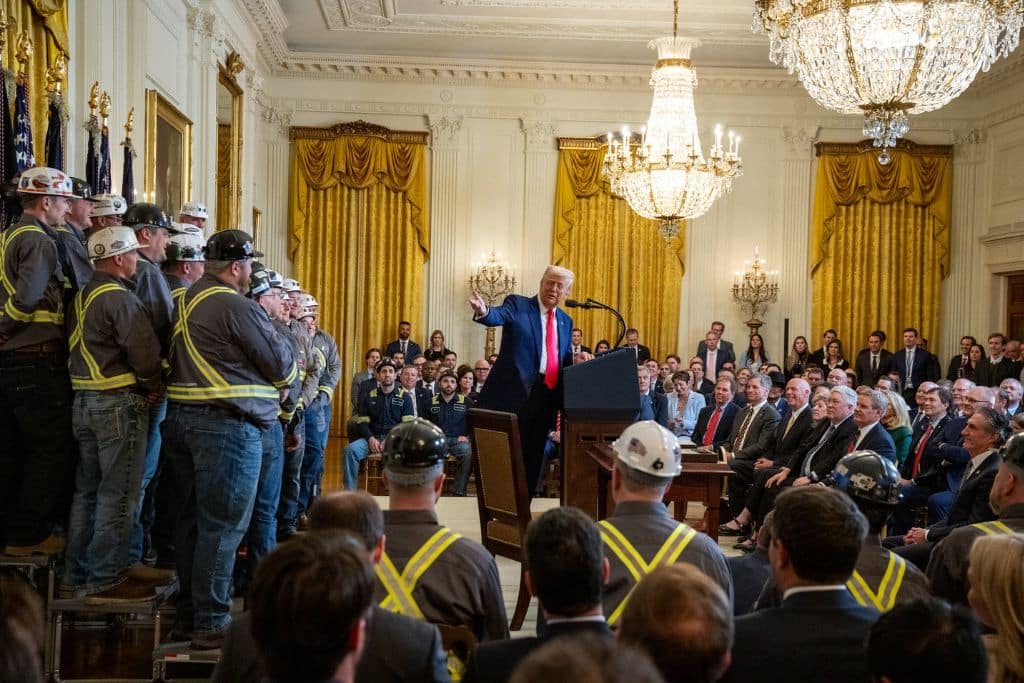
In June 2025, the ripple effects of these budget cuts were felt directly in Colombia, where the Office of the High Commissioner for Human Rights was forced to dismiss nearly half of its staff. Furthermore, the US withdrawal from the UN Human Rights Council has created a vacuum of international accountability, a trend mirrored by other authoritarian regimes. Globally, development aid fell by 23% last year, marking the largest annual drop on record. This financial retreat has hit marginalized communities hardest, leaving them exposed and under-resourced in their defense of ancestral territories.
Journalists: The Secondary Frontline
It is not only the physical protectors of land who are under siege. Environmental journalists, who serve as the "eyes and ears" of the public, are facing unprecedented levels of harassment. UNESCO data suggests that at least 749 journalists reporting on environmental issues have been targeted with murder, physical violence, detention, or legal attacks over the past 15 years. By silencing the press, perpetrators of environmental crimes ensure that their actions remain unscrutinized by the international community.
A Call to Action: Paths Toward Accountability
The Global Witness report concludes with a series of urgent recommendations aimed at reversing this trend:

- Legally Binding Frameworks: Nations must ratify and enforce treaties like the Escazú Agreement, which provides a roadmap for public participation, access to information, and, crucially, environmental justice in Latin America and the Caribbean.
- Corporate Responsibility: Financial institutions and corporations must move beyond voluntary "sustainability" pledges. Mandatory due diligence, supply chain transparency, and the enforcement of zero-tolerance policies regarding violence against activists are non-negotiable.
- Restoration of Aid: International donors must reverse the cuts to civil society funding. Direct, autonomous support for Indigenous guards and local monitoring groups is essential, as these grassroots organizations are the first line of defense against encroaching interests.
- Justice for the Fallen: Governments must stop weaponizing legal systems against activists. Prompt, impartial investigations into the deaths of defenders are required to break the cycle of impunity that currently defines the sector.
As Toby Hill, the lead author of the report, poignantly noted, "Defenders are the world’s eyes and ears on the ground. The violence they face reflects a much broader, brutal struggle over the world’s land and resources." Until the global community shifts its priorities from the unfettered exploitation of nature to the protection of those who guard it, the cost of our consumption will continue to be paid in human lives.