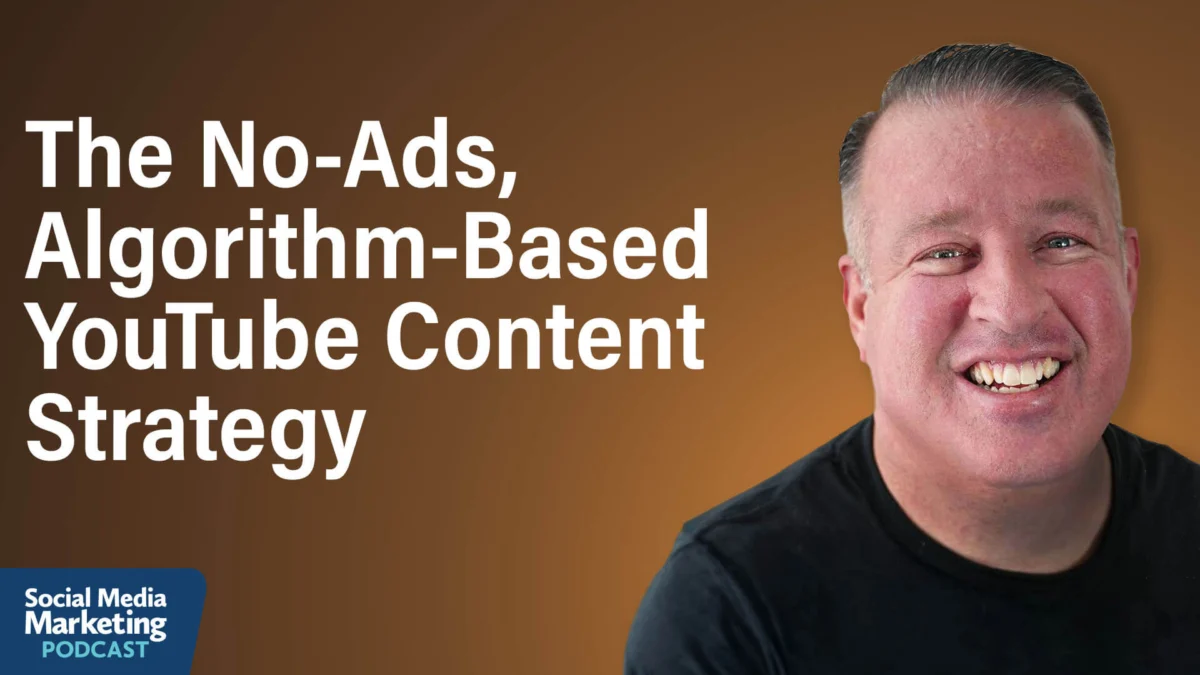
In an era where digital advertising costs are skyrocketing and organic reach on most social platforms is dwindling, YouTube remains an anomaly. It is not merely a video hosting site; it is the world’s second-largest search engine and an AI-driven distribution powerhouse. For businesses that learn to stop viewing YouTube as a digital brochure and start using it as a sophisticated recommendation engine, the platform offers a path to sustainable, high-intent customer acquisition that costs exactly zero dollars in ad spend.
According to YouTube strategist Derral Eves, the fundamental mistake most businesses make is treating the platform as a place to house their "marketing assets." To succeed on YouTube, companies must pivot their mindset from "selling to customers" to "serving viewers."
The Shift: From Content Repository to AI-Driven Engine
To understand why traditional marketing tactics often fail on YouTube, one must look at the platform’s evolution. Since 2013, YouTube has moved away from a view-based ranking system toward an AI-driven recommendation engine. The algorithm’s primary objective is simple: keep the user on the platform by serving them content they genuinely want to watch.
When a business creates content designed to "sell" a product, they are often interrupting the user’s experience. Conversely, when a business creates content designed to "solve a problem," they align their goals with the algorithm. The platform rewards this alignment by acting as a free distribution engine, surfacing the content to users whose watch history suggests they have a high affinity for that specific topic.
A Case Study in Organic Scale
The efficacy of this strategy is best illustrated by the success of an e-commerce business specializing in used office furniture. By pivoting away from product-focused listings and instead producing high-value content—such as "how to" guides on furniture maintenance, reviews, and S-tier ranking videos for gaming chairs—the business bypassed the need for paid ads.
By the time this business integrated traditional marketing tools like email funnels, they had already built a foundation of trust and visibility. Ultimately, the company scaled to over $20 million in sales, with 75–80% of their traffic originating solely from YouTube’s organic recommendations.
Target the Viewer, Not the Buyer
The cornerstone of an effective YouTube strategy is a shift from demographic targeting to psychographic profiling. Demographics tell you who the person is (age, gender, location), but psychographics tell you why they behave the way they do (fears, needs, values, and life circumstances).
The Maslow Lens
Derral Eves advocates for using Abraham Maslow’s hierarchy of needs to identify the underlying motivations of a target audience. For instance, consider an immunologist seeking to grow her practice. By analyzing the data from her most successful videos, she discovered her audience was primarily aged 45–65.
Using psychographic analysis, she realized this demographic wasn’t just "looking for medical advice"; they were experiencing life-changing health wake-up calls. By creating content that directly addressed their fears and desire for longevity—such as "10 Foods to Naturally Lower Blood Pressure"—she established herself as a trusted authority. The business impact was profound: viewers moved through a "know, like, and trust" funnel naturally, leading them to her supplements and virtual consultations without a single hard-pitch advertisement.
The Outlier Research Method
How can a business determine what content will resonate before they invest time in production? The answer lies in the "Outlier Research Method."
An outlier video is defined as a piece of content that has garnered significant views on a channel with a relatively small subscriber base. These videos signal a "general interest" gap in the market. To implement this:
- Curate: Search for your target niche on YouTube and identify videos that have significantly outperformed the channel’s average.
- Analyze: Use the comments section as a primary data source. What are viewers praising? What questions are they asking that the video failed to answer?
- Automate: Leverage AI tools like ChatGPT, Claude, or Gemini to synthesize these comments, identifying patterns in viewer sentiment and unaddressed pain points.
The goal is to create content that fills these gaps, providing more value than the existing top-performing videos.
Earning the Click: The Curiosity Gap
Even the most valuable video is useless if no one clicks on it. The battle for attention is won or lost in the "curiosity gap"—the space between a user’s current knowledge and what they need to know.
Successful titles and thumbnails do not act like billboards; they act like headlines that promise a specific, valuable outcome. Once the user clicks, the "decision window" is incredibly narrow—often just 5 to 10 seconds. In this window, the creator must immediately validate the viewer’s choice by proving that the promised value is imminent. Marketers who attempt to use "ad copy" techniques—such as long, promotional intros—often see immediate drop-offs. The golden rule is: Switch from "sell" to "help."
Building "Know, Like, and Trust"
The true value of YouTube is not the single view; it is the compounding effect of sustained viewership. When a creator provides consistent value, the algorithm takes notice. Extended watch time signals that the content is high-quality, which triggers more recommendations.
Take, for example, the "Dry Creek Wrangler School" channel. By providing unedited, authentic "cowboy wisdom" to a demographic looking for guidance and validation, the creator built a massive, loyal community. His business—a week-long cowboy training experience—now operates with a three-and-a-half-year waitlist, achieved entirely through organic, trust-based content rather than direct sales pitches.
The Power of an Authentic Voice
In the age of AI-generated content, human authenticity is becoming a competitive advantage. Creators who adopt a "promotional persona" often feel stiff and untrustworthy to viewers.
To break this habit, Eves suggests a simple mental exercise: treat the camera as if it were a friend sitting across the table at dinner. If the delivery feels like a presentation, it’s likely too formal. If it feels like a conversation, it’s likely to perform. For some creators, this requires an environment shift—such as filming in front of a live audience or a Zoom group—to capture the energy and nonverbal cues that define natural communication.

Structural Mechanisms: How to Keep Viewers Watching
Once a viewer has clicked and is engaged, the creator must employ a "mechanism" to keep them watching. These include:
- Listicles: A natural, step-by-step progression that keeps viewers curious about what comes next.
- The ABC Storyline: A framework where the "A" is the topic, the "B" is the "why" (the stakes), and the "C" is the emotional thread that connects the two.
- Challenges: Time-bound or completion-based quests that provide a clear start-to-finish narrative arc.
The Iterative Cycle: Plan, Execute, Analyze, Adjust
The final, and perhaps most critical, component of a successful YouTube strategy is the use of granular, real-time analytics. Successful creators treat every upload as an experiment.
If retention data shows a drop-off at the 10-second mark, the title and thumbnail may have promised something the video didn’t deliver. If the drop-off happens mid-video, the pacing is likely failing to sustain the "curiosity gap." By constantly analyzing these data points and adjusting the next video accordingly, creators develop an intuitive understanding of their audience that eventually compounds into long-term growth.
Implications for the Future of Marketing
As the digital landscape becomes increasingly cluttered with AI-generated noise, the strategy of "value-first, organic distribution" will only grow in importance. YouTube’s algorithm is essentially a meritocracy: it wants to find the best possible content for its users. By focusing on genuine value, authentic voices, and data-driven iterations, businesses can transform their YouTube presence from a marketing cost center into a self-sustaining asset that delivers high-intent customers for years to come.