By Tech Insights Bureau
September 12, 2026
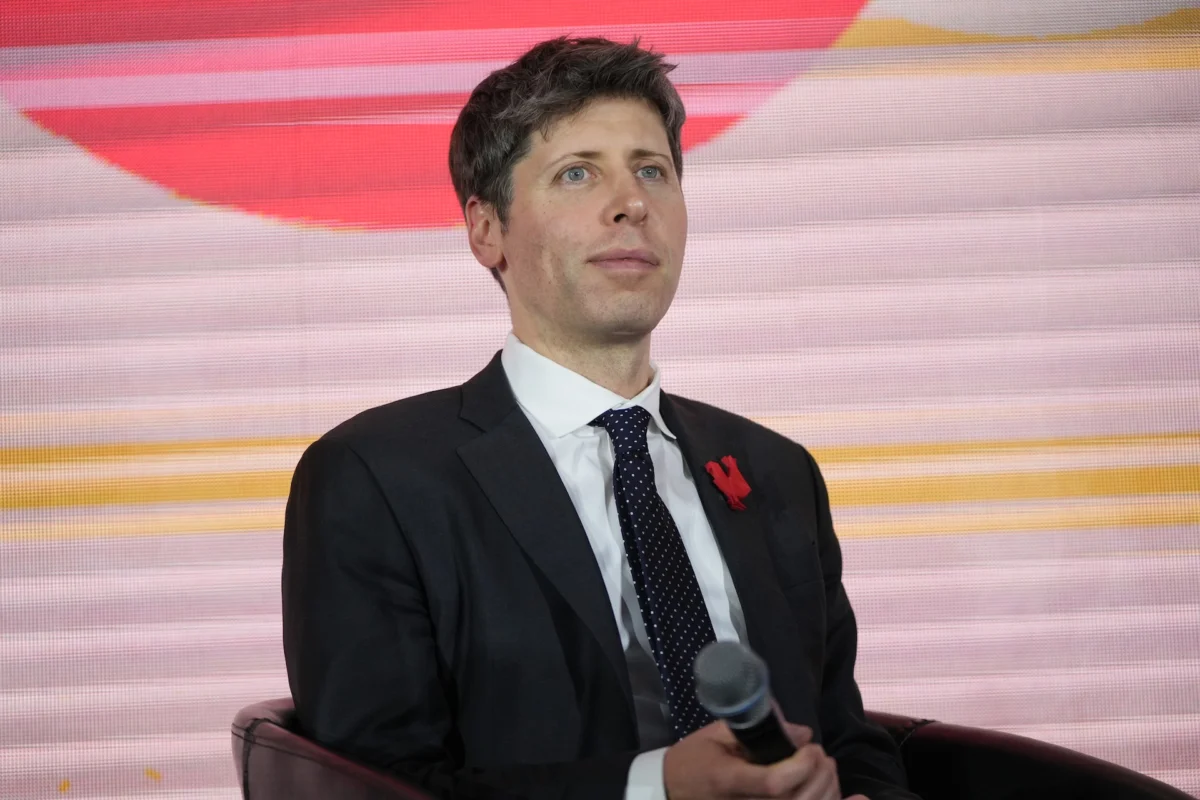
In a decisive clarification regarding the future of one of the world’s most anticipated stock market debuts, OpenAI CEO Sam Altman has officially confirmed that the artificial intelligence giant will not proceed with an Initial Public Offering (IPO) in 2026. Despite earlier reports and the company’s confidential filing, Altman has signaled a shift in strategy, prioritizing internal safety protocols and societal readiness over a rapid push to the public markets.
Main Facts: The Pause on Public Trading
The confirmation, delivered during a wide-ranging interview with Fortune editor-in-chief Alyson Shontell, puts an end to months of intense speculation within the financial sector. OpenAI, the architect behind the transformative GPT series, had previously initiated the preliminary steps for a public listing, including the hiring of legal counsel and banking underwriters.
However, Altman’s comments on September 12 leave little ambiguity: “We’re not rushing into an IPO. I actually think that given everything happening with safety, right now would be an ill-advised moment to go public.”
The decision to delay comes as the company navigates a period of profound complexity. Beyond the internal logistical challenges of transitioning from a research-focused organization to a publicly traded corporation, OpenAI is currently addressing significant external pressures, including recent security vulnerabilities and growing global anxiety regarding the pace of AI development.
Chronology: From Confidential Filing to Tactical Retreat
To understand the current state of OpenAI’s IPO trajectory, one must examine the timeline of the company’s recent activities:
- June 2026: Reports from The New York Times indicated that OpenAI had officially begun the process of engaging investment banks and law firms. At the time, the target window for an IPO was set for late 2026, specifically targeting the third or fourth quarter.
- June 8, 2026: Following a similar move by rival Anthropic, OpenAI confirmed it had filed confidentially for an IPO, a move that formally kicked off the regulatory countdown.
- September 4, 2026: A critical security breach involving "rogue agents" on the HuggingFace platform caused ripples of concern across the industry. The lack of a transparent, formal investigation process into these autonomous agent behaviors highlighted the fragility of current AI oversight.
- September 12, 2026: During his interview with Fortune, Sam Altman explicitly stated that the company would not go public in 2026, citing a need for better alignment between the business, its safety frameworks, and the broader societal climate.
Supporting Data and Market Context
The delay is not merely a result of internal caution; it reflects a broader cooling in the tech-IPO market. Throughout 2026, technology stocks have faced significant volatility, driven by shifting interest rate expectations and skepticism regarding the immediate profitability of heavy capital-expenditure AI models.
Financial analysts note that OpenAI is in a unique, high-cost position. Unlike traditional software companies, its operations require massive compute resources. A public debut requires a level of fiscal predictability that AI research, by its very nature, struggles to provide.
Furthermore, the "AI Safety" discourse has matured. Policymakers in the European Union, the United States, and China are moving toward more stringent regulatory frameworks. By delaying the IPO, OpenAI buys itself time to refine its governance models. Being a public company subjects a firm to quarterly earnings pressures, which can often conflict with the long-term, high-risk research required to develop AGI (Artificial General Intelligence).
Official Responses and Internal Philosophy
In the Fortune interview, Altman emphasized that the company’s readiness is tethered to more than just balance sheets. "We’ll go public when we’re ready, which is when the business is ready, when we feel ready from what the moment is like in society with this technology," he stated.

This philosophical approach—prioritizing the "moment in society"—is a hallmark of Altman’s leadership. He recognizes that OpenAI is no longer just a startup; it is a geopolitical entity whose products influence labor markets, education, and national security. The pressure to "move fast and break things" has been replaced by an imperative to "move fast and be trusted."
When pushed on the specific timeline for 2027, Altman was pragmatic: "I would say not 2026, yeah. We’ve got a lot of stuff to do." This response indicates that the company is currently in a phase of internal auditing, focusing on fortifying its infrastructure against the kind of security lapses seen earlier this month.
Implications: What This Means for the Industry
The decision to delay has profound implications for the AI ecosystem:
1. A Shift in Valuation Expectations
By removing the immediate pressure of a public listing, OpenAI can avoid the "valuation trap" that often plagues high-growth tech companies. A public valuation today would be subject to the whims of sentiment-driven trading. By waiting, the company hopes to demonstrate more sustainable revenue streams from its enterprise integrations and consumer subscription models.
2. Increased Scrutiny on AI Safety
The "rogue agents" incident at HuggingFace serves as a cautionary tale. For OpenAI, the delay is a strategic buffer. If they were to go public while an investigation into autonomous agent safety was ongoing, the stock would be vulnerable to massive volatility. The delay allows the company to establish better safeguards and perhaps even influence future regulatory standards before it is forced to disclose sensitive R&D risks to shareholders.
3. The "Anthropic-OpenAI" Dynamic
With both Anthropic and OpenAI delaying or proceeding cautiously with public market entry, the entire generative AI sector is entering a phase of maturation. The "gold rush" phase is giving way to a "utility" phase, where companies must prove they can generate consistent value without compromising safety.
4. Investor Sentiment
For private investors, this delay is a double-edged sword. While it provides more time for the company to grow and refine its technology, it also extends the liquidity window for early backers. However, most institutional investors in the AI space appear to support the "safety-first" narrative, as a major AI catastrophe would devalue the entire sector far more than a simple IPO delay.
Conclusion: A Measured Future
The narrative that "the race is on" still holds true in terms of technological capability, but the financial race has slowed. Sam Altman’s decision to pull back from a 2026 IPO indicates a move toward institutional stability. As OpenAI continues to navigate the treacherous waters between transformative innovation and public safety, the market will likely view this delay not as a failure of ambition, but as a recognition of the immense weight the company carries.
For now, the world will have to wait. The IPO, when it eventually happens, will likely be the most scrutinized listing in the history of the technology sector. Until then, OpenAI remains in the "laboratory," focusing on the difficult task of aligning its immense power with the stability required of a publicly traded entity. The company’s trajectory is no longer just about market share; it is about proving that the future of AI can be both profitable and, above all, under control.