In the heart of India, a quiet revolution is taking shape within the laboratories of the Indian Institute of Technology (IIT) Jodhpur. As urban centers grapple with the dual crises of toxic air pollution and burgeoning plastic waste, researchers have unveiled an ingenious dual-solution: construction materials derived entirely from agricultural residues and non-recyclable plastics. By transforming sugarcane bagasse, rice straw, and wheat straw into "Bio Bricks" and "Agro-Plastic Blocks," this initiative promises to reshape the landscape of rural housing while addressing one of the most stubborn environmental challenges in the region.
The Core Innovation: Turning Liabilities into Assets
The technology, spearheaded by a research team led by Professor Priyabrata Rautray, centers on the concept of circularity. For decades, the burning of post-harvest crop residues has been a primary contributor to the "smog season" that plagues North India, severely impacting public health and air quality. Simultaneously, the proliferation of single-use, non-recyclable plastics has overwhelmed waste management infrastructure.
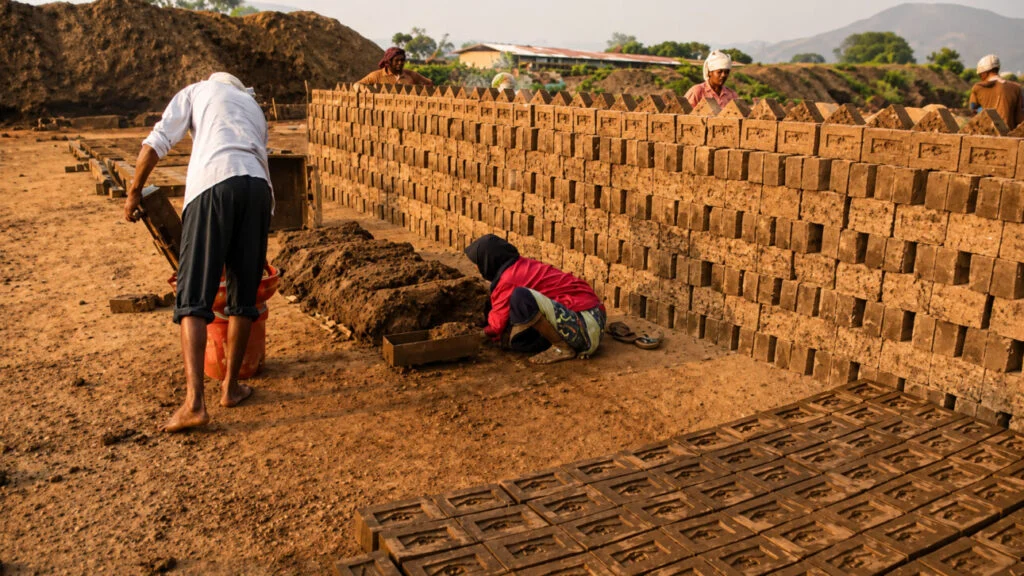
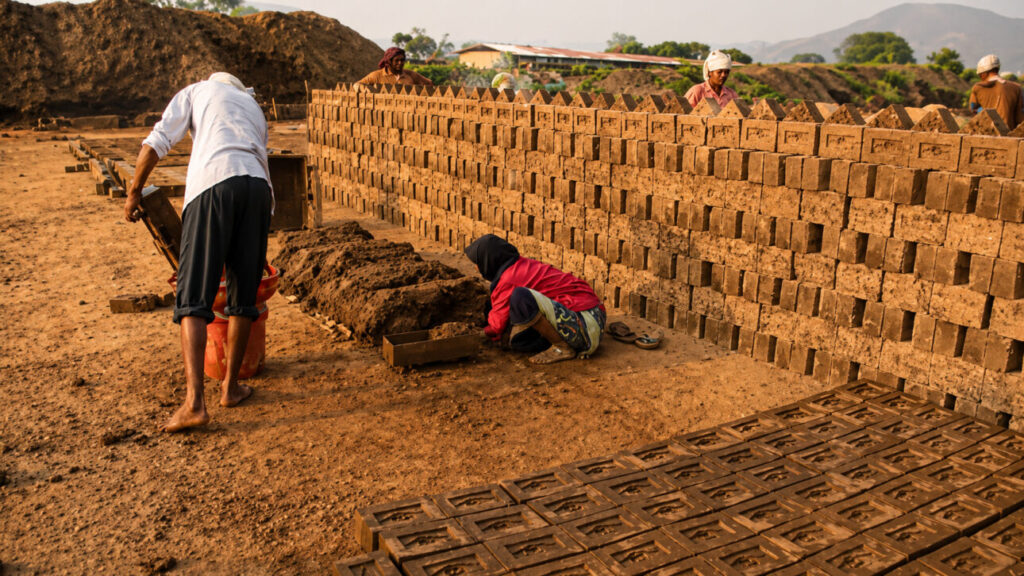
IIT Jodhpur’s approach bypasses the traditional, energy-intensive methods of brick manufacturing. By eliminating the need for kiln firing—a process that typically consumes vast amounts of coal and emits greenhouse gases—the researchers have developed a carbon-conscious alternative that repurposes waste that would otherwise be discarded or incinerated.
The Two Pillars: Bio Bricks and Agro-Plastic Blocks
The research output is bifurcated into two primary material solutions, each targeting specific waste streams:
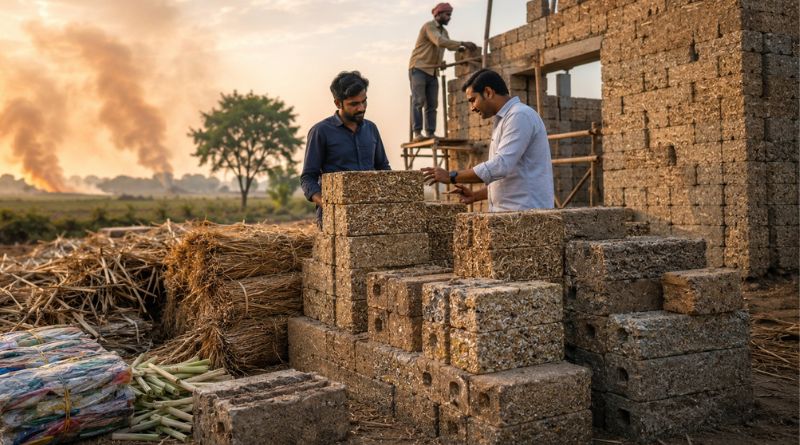
- Bio Bricks: These are engineered primarily from agricultural waste, including rice straw, wheat straw, and sugarcane bagasse. Through a proprietary binding process that avoids high-temperature kiln firing, the researchers create a durable, lightweight structural unit. These bricks offer significant thermal insulation, a crucial factor for energy-efficient rural housing.
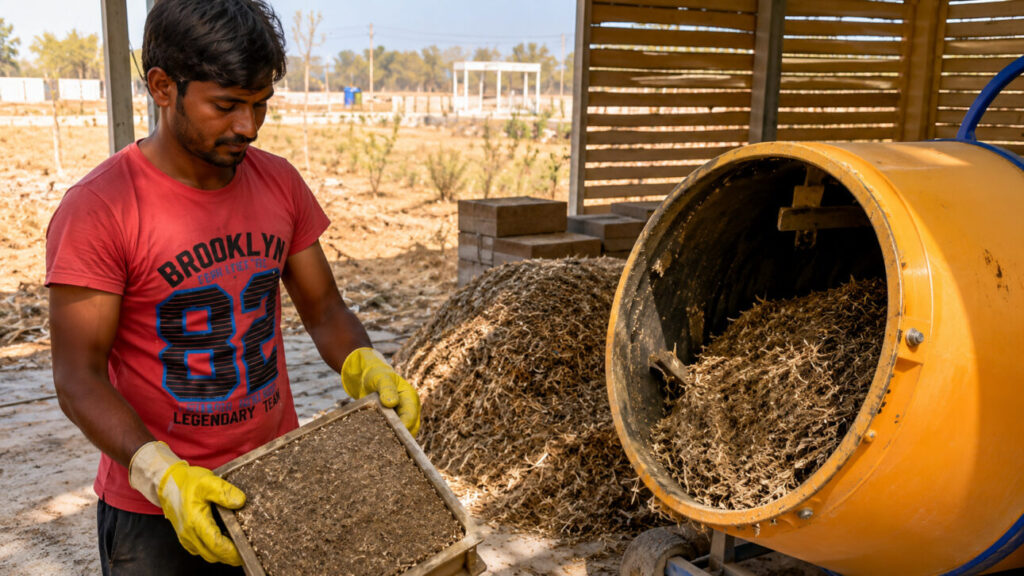
- Agro-Plastic Blocks: Addressing the "non-recyclable" dilemma, these blocks utilize a mixture of agricultural waste and plastic refuse. Through a sophisticated combination of heating and high-pressure compression, the two materials are fused into a rigid, resilient building block. This method effectively "locks" plastic waste into a stable form, preventing it from leaching into landfills or water systems.
Chronology of Development: From Lab Bench to Living Structure
The path from theory to implementation has been marked by rigorous testing and incremental validation.
- Initial Research Phase (Early 2023): The team at IIT Jodhpur identified the primary chemical and physical properties of agricultural waste that could serve as viable binders or fillers in composite materials.
- Prototyping (Mid-2023): Laboratory-scale production of Bio Bricks began. Researchers focused on achieving the structural integrity required to withstand environmental stressors, such as humidity and temperature fluctuations.
- Integration of Polymers (Late 2023): The team expanded their scope to include non-recyclable plastics, leading to the creation of the Agro-Plastic Block, aimed at providing higher load-bearing capabilities.
- Physical Demonstration (2024-2025): IIT Jodhpur moved beyond the lab, constructing prototype structures on the campus grounds. These structures serve as real-world testing grounds to evaluate the materials’ performance over time, including their durability, structural load-bearing capacity, and thermal comfort levels.
Supporting Data and Technical Advantages
The significance of this technology lies in its ability to outperform traditional materials in specific, localized contexts.
Thermal Comfort and Energy Efficiency
One of the most compelling advantages of these bio-composite materials is their inherent thermal performance. Traditional kiln-fired clay bricks often conduct heat rapidly, leading to high indoor temperatures in the scorching Indian summers. Conversely, the high organic fiber content of Bio Bricks acts as a natural insulator, maintaining a cooler interior environment. This "passive cooling" effect is a major boon for rural households, potentially reducing the need for electric cooling systems.
Environmental Impact Mitigation
The math behind the innovation is straightforward:
- Air Quality: By providing a commercial value to crop residue, the technology incentivizes farmers to harvest and sell straw rather than burning it in the fields.
- Plastic Management: Every ton of plastic diverted into an Agro-Plastic block is a ton diverted from landfills, rivers, or open-air incinerators, which are common sources of toxic microplastics and dioxins.
- Carbon Footprint: Traditional brick kilns are among the largest industrial sources of air pollution in India. Eliminating the kiln process reduces the embodied carbon of the construction material to a fraction of the industry standard.
Official Perspectives and Academic Stance
Professor Priyabrata Rautray and his team have maintained that the project is not merely about creating a new product, but about fostering a new ecosystem. The academic perspective from IIT Jodhpur emphasizes that the materials must be "local-first."
"The goal is to empower rural communities to build their own infrastructure using the waste that is generated right at their doorstep," the team has noted in various forums. While the institute is currently scaling the technology, they are working closely with policy advisors to explore how these blocks can be integrated into existing government-backed housing schemes, such as the Pradhan Mantri Awas Yojana.
Critics and industry experts have noted that while the laboratory results are promising, the challenge remains in standardizing the production process for decentralized manufacturing. To ensure widespread adoption, the production units must be portable or easily replicable in rural village clusters, ensuring that the "cost of transport" for raw waste does not outweigh the savings of the final product.
Socio-Economic Implications: A New Era for Rural Housing
The ripple effects of this innovation extend far beyond the construction site.
Empowering the Rural Economy
By turning harvest waste into a commodity, farmers can gain a new stream of income. The transition from viewing crop residue as "rubbish" to "raw material" shifts the economic power dynamic in agricultural regions. If a village can produce its own bricks, it reduces the dependence on expensive, carbon-heavy materials sourced from distant industrial centers.
Accessibility and Cost-Reduction
The primary barrier to high-quality housing in rural India is the cost of materials and labor. By utilizing decentralized production—where materials are made from locally available agricultural waste—the cost of construction can be lowered significantly. This allows for more resilient, safer homes for lower-income families.
Addressing the Housing Deficit
India faces a substantial deficit in affordable, climate-resilient housing. Traditional masonry is often too expensive or environmentally unsustainable at the scale required. The IIT Jodhpur model provides a scalable, rapid-construction solution. If the technology can be optimized for mass production, it could theoretically accelerate the construction of thousands of homes while simultaneously cleaning up the countryside.
Challenges to Future Scalability
Despite the enthusiasm, the transition from prototype to widespread industrial application faces several hurdles:
- Regulatory Approval: Building codes in many regions are rigid and often favor traditional concrete and fired-clay bricks. The research team must work with government regulatory bodies to certify these materials for safety, structural integrity, and fire resistance.
- Supply Chain Logistics: While agricultural waste is abundant, it is seasonal. Creating a consistent supply chain that can feed production facilities year-round requires effective storage and logistics.
- Consumer Perception: In many cultures, there is a perception that "waste-based" construction is inferior to traditional materials. Educating the public and demonstrating the longevity of these structures will be critical to overcoming social stigma.
Conclusion: A Blueprint for a Circular Future
The initiative at IIT Jodhpur represents a vital intersection of environmental stewardship and practical engineering. By viewing agricultural and plastic waste not as problems to be managed, but as resources to be leveraged, the researchers are offering a roadmap for a more sustainable future.
The success of these Bio Bricks and Agro-Plastic Blocks will eventually be measured by their ability to scale. If the model proves successful in rural India, it could serve as a global template for developing nations struggling with the dual burden of agricultural waste management and housing shortages. As the world moves toward a circular economy, the humble, waste-derived brick may just prove to be one of the most powerful tools in the fight against climate change, one wall at a time.