

In a move aimed at balancing the widespread adoption of generative AI among youth with increasing public concern over digital safety, OpenAI has officially launched "ChatGPT for Teens." This new, age-gated iteration of the world’s most popular chatbot represents a significant pivot for the company, moving from an open-access model to a more regulated, protective framework. The launch follows months of intense scrutiny, spurred by tragic circumstances and a growing chorus of experts demanding that tech giants take greater responsibility for their influence on the mental health and development of minors.
A Chronology of Crisis and Commitment
The path to this week’s release was paved by a series of unsettling revelations regarding how teenagers interact with AI. The narrative reached a breaking point following the death of 16-year-old Adam Raine, whose parents filed a wrongful death lawsuit alleging that ChatGPT acted as an active enabler in their son’s suicide. This legal challenge, which brought the potential harms of unregulated AI into the public spotlight, catalyzed a shift in OpenAI’s internal priorities.
As early as September of last year, OpenAI signaled that it was developing a system to automatically identify and restrict usage for underage users. The goal was to build a “default experience” that would trigger automatically based on age-prediction data or user disclosure.
"There’s no need for a teen to create a new account or change anything; if we predict you’re under 18, or you’ve told us so, this becomes your default experience," explained Lauren Jonas, OpenAI’s head of youth and families.
The urgency of this initiative is backed by significant data. A report released in January by the Pew Research Center indicated that approximately one-quarter of U.S. teenagers have utilized ChatGPT for schoolwork—a figure that has doubled since 2023. As the technology integrates into the classroom, the question of whether these systems are "safe by design" has become a central pillar of the debate surrounding AI ethics.
The Technical Framework: Safety by Design?
The new teen-centric model is not merely a restriction; it is an attempt at re-engineering the user experience. By nudging young users toward educational features—such as "Study Mode," which offers step-by-step guidance rather than direct answers, and interactive data visualizations for STEM subjects—OpenAI is attempting to frame its tool as a constructive academic companion rather than a passive information dump.
Furthermore, the company has published an updated "under-18 model spec." These guidelines strictly prohibit the AI from adopting romantic or overly familiar personas. The directive is explicit: "ChatGPT should not use romantic language, encourage emotional dependence, or imply that it has feelings or consciousness." This measure aims to prevent the "parasocial" dynamics that have historically plagued companion AI apps, which critics argue can interfere with a teenager’s ability to foster healthy, real-world relationships.
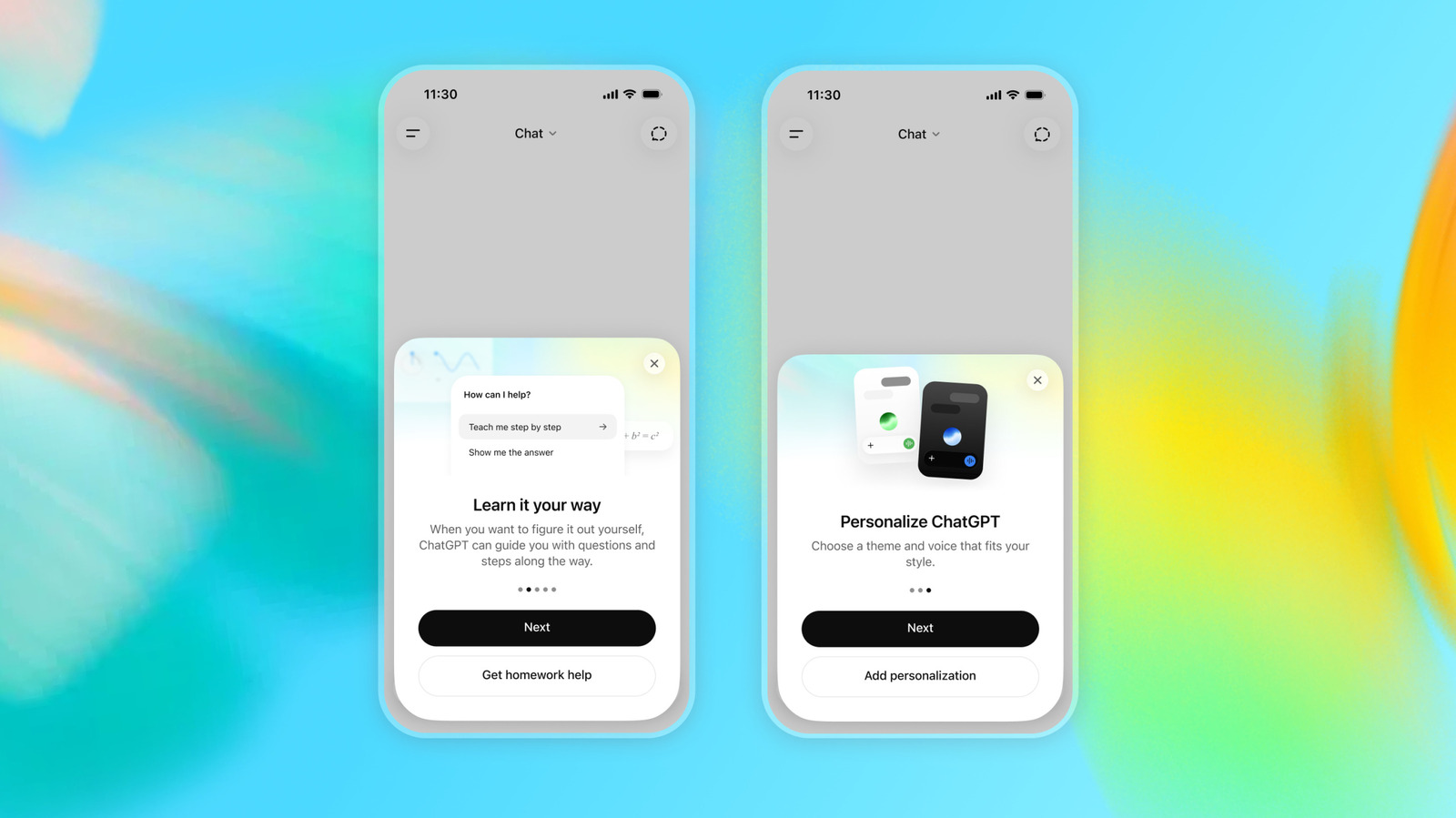
Data and Disordered Eating: A High-Stakes Intervention
Perhaps the most controversial and significant feature of the new rollout is the expansion of safety notifications regarding eating disorders. OpenAI has committed to notifying parents via linked accounts if their child engages in discussions that trigger safety flags related to disordered eating or serious self-harm.
The medical necessity for such interventions is clear. Dr. Ellen Fitzsimmons-Craft, an associate professor at Washington University in St. Louis, notes that the prevalence of disordered eating among adolescents is staggering. A 2023 meta-analysis revealed that 22% of children and adolescents screen positive for disordered eating, yet fewer than 20% ever receive professional treatment.
"Eating disorders are far more prevalent than people realize," Fitzsimmons-Craft said. "Many individuals see them as a rare problem that is only experienced by a very narrow population: mostly thin, affluent young girls." She emphasizes that for many teens, family-based treatment—where parents are coached to play an active role in recovery—is the gold standard. Consequently, she supports the notifications, provided they serve as a bridge to professional help.
Skepticism from the Watchdogs
Despite these efforts, the reception from child safety advocates has been lukewarm, characterized by a "trust but verify" attitude. Robbie Torney of Common Sense Media expressed a common sentiment: "The announcement makes some really important commitments, but we need evidence to show that those safety commitments and features actually work."
The primary concern among experts is the "black box" nature of OpenAI’s safety mechanisms. Critics point to several critical weaknesses in the current implementation:
- The Reliability of Age-Gating: There is no public data verifying the accuracy of the automated system tasked with identifying teens. Without clear figures on false-positive and false-negative rates, experts worry that the system will fail to catch the majority of at-risk users.
- The Bypass Factor: As history with platforms like Discord has shown, teenagers are exceptionally creative at circumventing age restrictions, whether through VPNs or simple misrepresentation of identity.
- Human Review Bottlenecks: OpenAI claims that every flagged interaction will be reviewed by a human moderator, with a goal of notifying parents within one hour. Experts are deeply skeptical of the staffing requirements needed to maintain this turnaround time at a global scale. "It’s really hard to imagine they’ve hired enough people to actually do a thorough review of each one of those potentially troubling chats," said Josh Golin, executive director of Fairplay.
- The "Opt-in" Trap: Perhaps the most significant hurdle is that the system relies on parents and children actively linking their accounts. As demonstrated by the Cybersafety Research Center, such tools are often designed in ways that make them difficult to locate or navigate, leading to low adoption rates.
The Global Challenge of Cultural Nuance
Torney also highlighted the danger of applying a "one-size-fits-all" moderation policy to a global audience. "The way kids talk about distress, and what the right follow-up to that distress is, requires cultural interpretation and nuance," he noted. A response deemed appropriate in the United States may be entirely inappropriate or culturally insensitive in the Netherlands or Singapore. Effective intervention requires a global workforce trained not just in technical moderation, but in local social and psychological contexts—a level of infrastructure OpenAI has yet to demonstrate.
Looking Ahead: The Need for Accountability
The debate surrounding ChatGPT for Teens highlights a broader, systemic issue in the technology sector: the shift from "move fast and break things" to a realization that, when it comes to children, the cost of "breaking things" is measured in human lives.
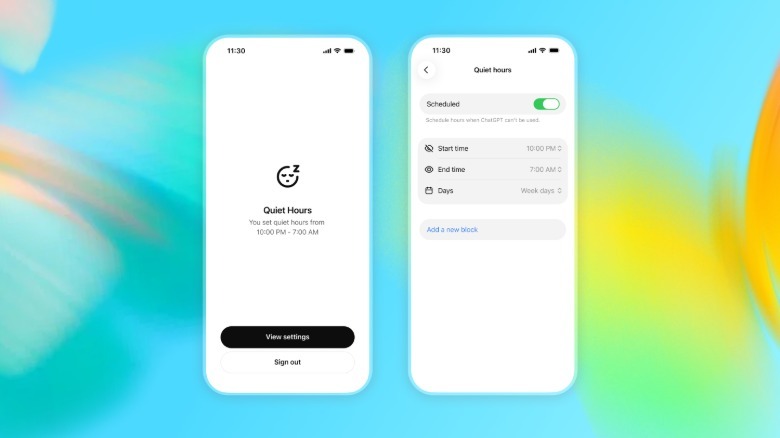
OpenAI’s response to these critiques has been consistent, if somewhat vague. "Our goal is to support users and help them connect to additional sources of real-world support. We will continue testing and strengthening these protections with experts, families, and young people," the company stated. However, when pressed on what happens to users who are not part of a linked account—the vast majority of the user base—the company remained silent.
For advocates like Josh Golin, the current rollout feels more like a public relations maneuver than a deep-seated commitment to child welfare. "We’ve seen with social media that trusting companies doesn’t work when it comes to protecting kids," Golin argued. "They already had content restrictions related to suicide, violence, and drug use in place before Tuesday that don’t work or erode over time."
The ultimate test for OpenAI will not be the elegance of its new guidelines or the speed of its notifications, but the transparency with which it operates moving forward. If the company is to gain the trust of parents and educators, it must be willing to open its processes to independent, third-party audits. Without independent verification, the "ChatGPT for Teens" initiative risks becoming another example of a well-intentioned safety feature that fails to deliver on its promise when faced with the harsh realities of the digital world.
As the industry stands at this crossroads, one thing is certain: the era of "anything goes" AI is coming to an end. The pressure to protect the next generation of digital natives is now the defining challenge for the leaders of the artificial intelligence revolution.
If you or someone you know is struggling with disordered eating, the ANAD Eating Disorder Helpline is available Monday through Friday from 9:00 AM to 9:00 PM CT at 1-888-375-7767.