In the high-stakes world of B2B software-as-a-service (SaaS), the "Request a Demo" button is often treated as the ultimate objective—the finish line of the marketing funnel. However, for many organizations, that finish line has become a bottleneck. Sales teams frequently report low lead volume or poor lead quality, while marketing teams respond by throwing more ad spend at the problem, only to see the same lackluster results.
The fundamental issue is not necessarily the page design; it is a profound misunderstanding of the buyer’s journey. Asking a prospective client to commit to a sales conversation is a high-friction request. According to the 2025 LinkedIn Ads Benchmark Report from Dreamdata, the average B2B customer journey spans 211 days and involves 88 distinct touchpoints. When marketers attempt to force a demo request on a prospect who hasn’t completed their research or built sufficient trust, they aren’t just missing the mark—they are actively damaging their brand’s credibility.
The Buyer’s Journey: When is a Lead "Demo-Ready"?
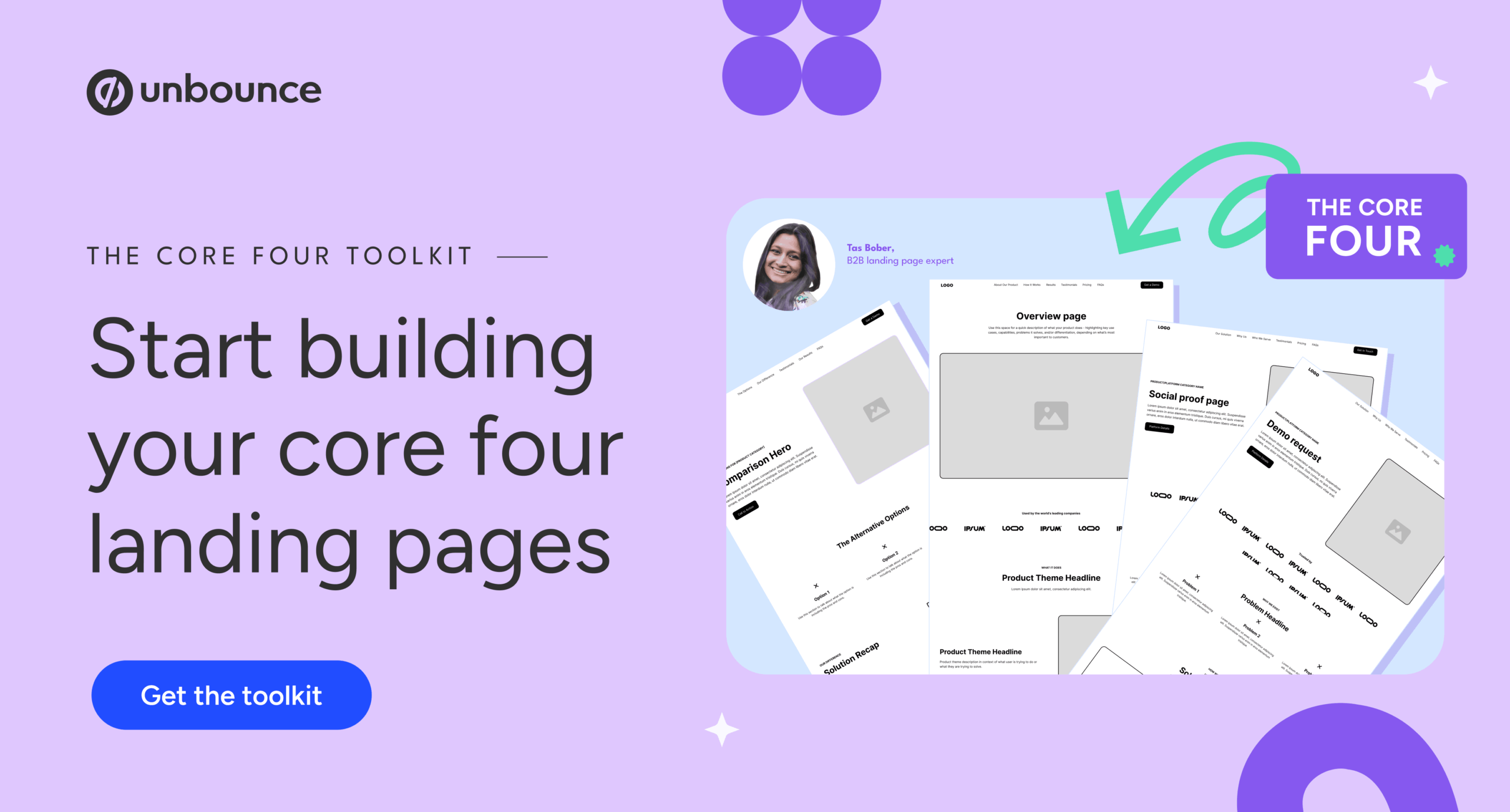
The most successful B2B marketing teams have moved away from the "spray and pray" approach to lead generation. Instead, they embrace the "Core Four" framework, championed by industry experts like Tas Bober. This framework posits that a demo landing page should never be the first point of contact.
A buyer who reaches your demo page should already possess a baseline understanding of your product, the problem you solve, and why your solution deserves a spot on their shortlist. Only 3–5% of your total addressable market is in an active buying cycle at any given time. If you are sending top-of-funnel (TOFU) traffic—users who are still in the educational or awareness phase—to a demo page, you are effectively trying to close a sale with someone who is still browsing.
The "Core Four" Philosophy
To move users toward a demo, they must first pass through three other stages of the buyer journey:
- Awareness/Education: Helping them identify their pain points.
- Consideration: Showing how your solution compares to alternatives.
- Validation: Providing the proof (case studies, reviews) that your solution actually works.
Only after these stages have been satisfied is the prospect truly "warm" and ready for a demo.
Data-Driven Performance: What Should You Expect?
SaaS landing pages typically see a median conversion rate of 3.8%, according to the 2024 Unbounce Conversion Benchmark Report. However, when focusing specifically on high-intent demo pages, landing page expert Tas Bober suggests a more conservative benchmark of 3.1%.
These figures represent a performance ceiling. If your landing page is well-optimized but your conversion rates are stuck in the sub-1% range, the issue is almost certainly your traffic source. You cannot "optimize" your way out of a targeting problem. If you are driving cold traffic, no amount of color-swapping on your CTA button will convince a disinterested visitor to enter a high-pressure sales cycle.
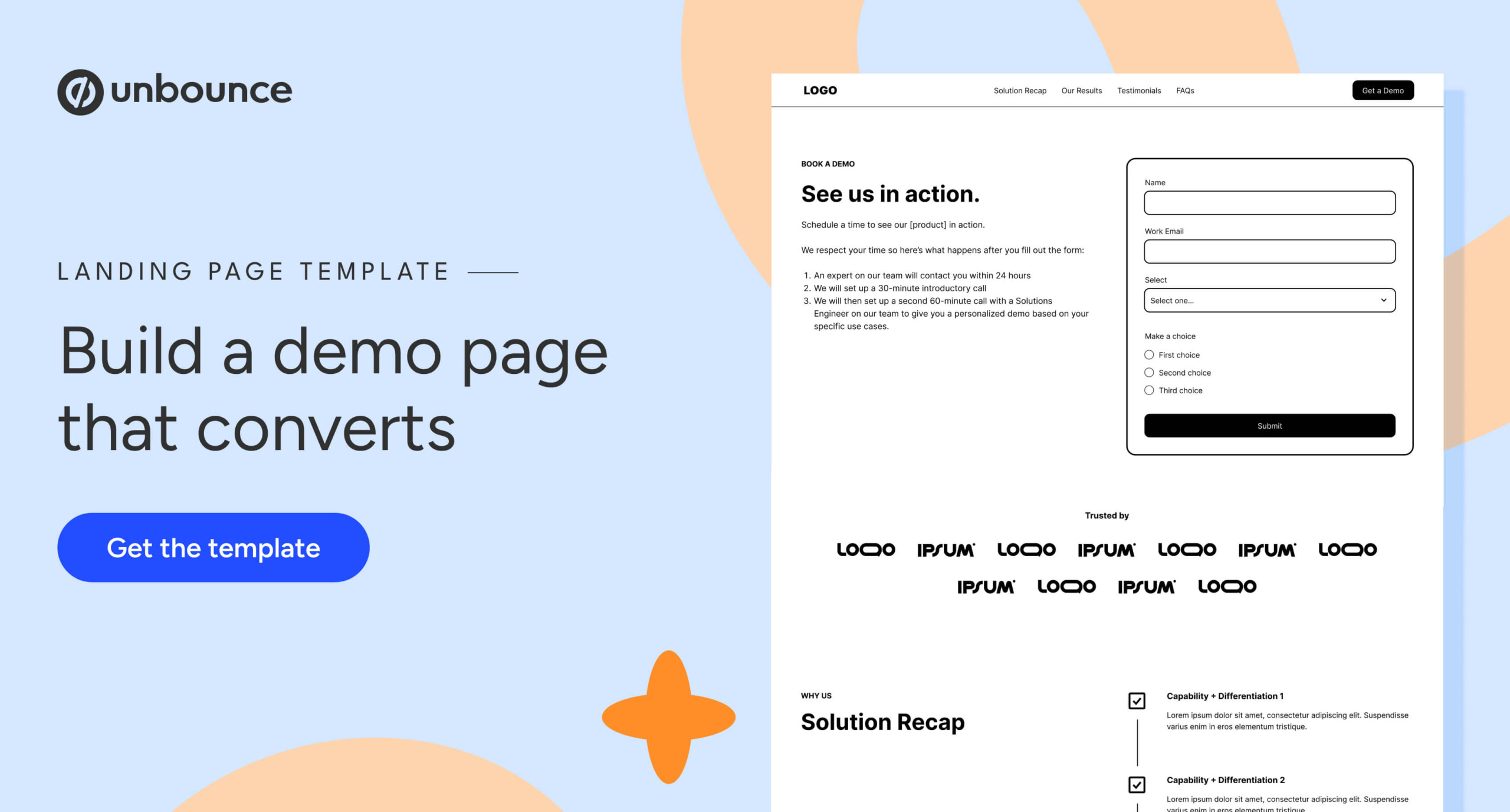
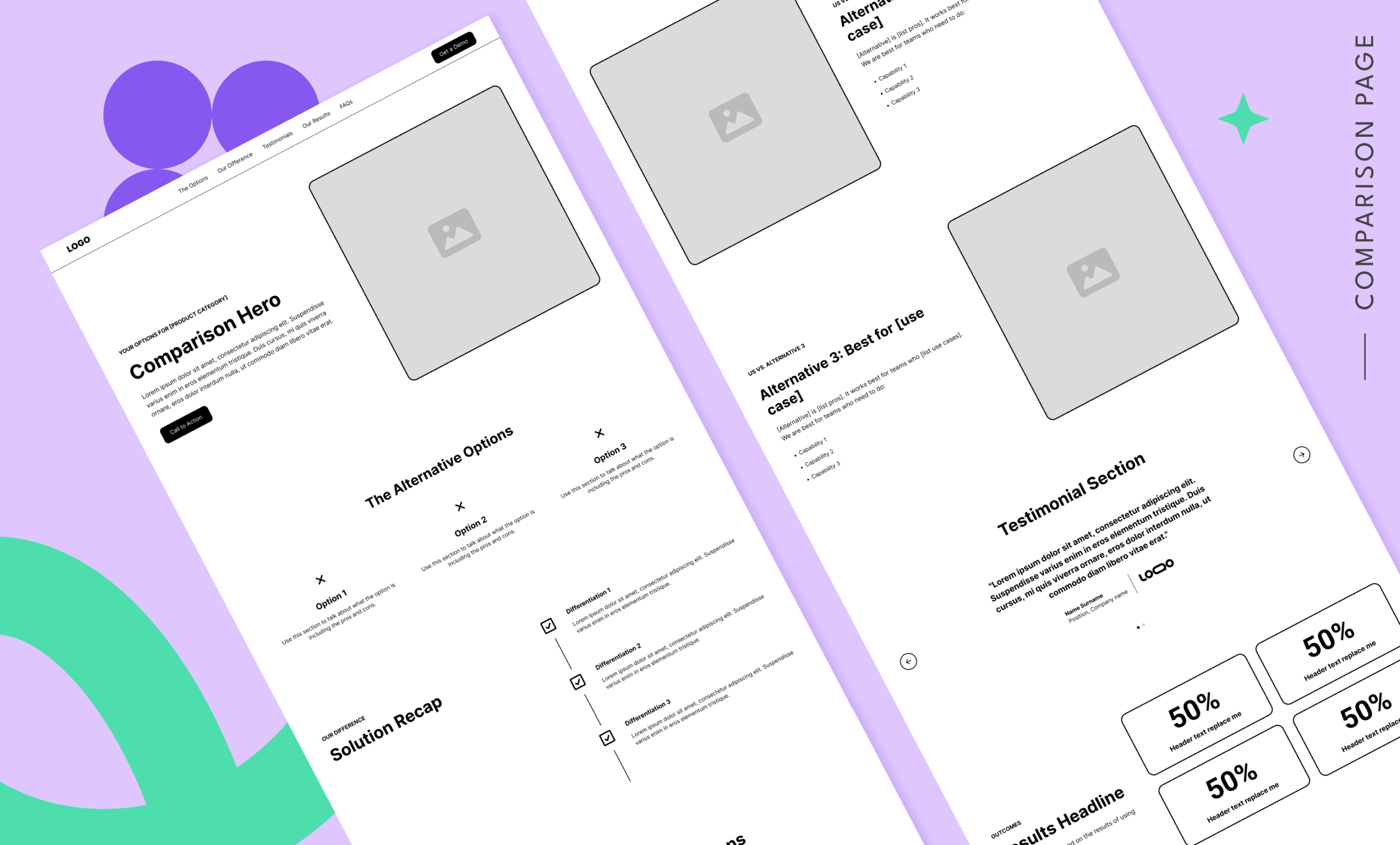
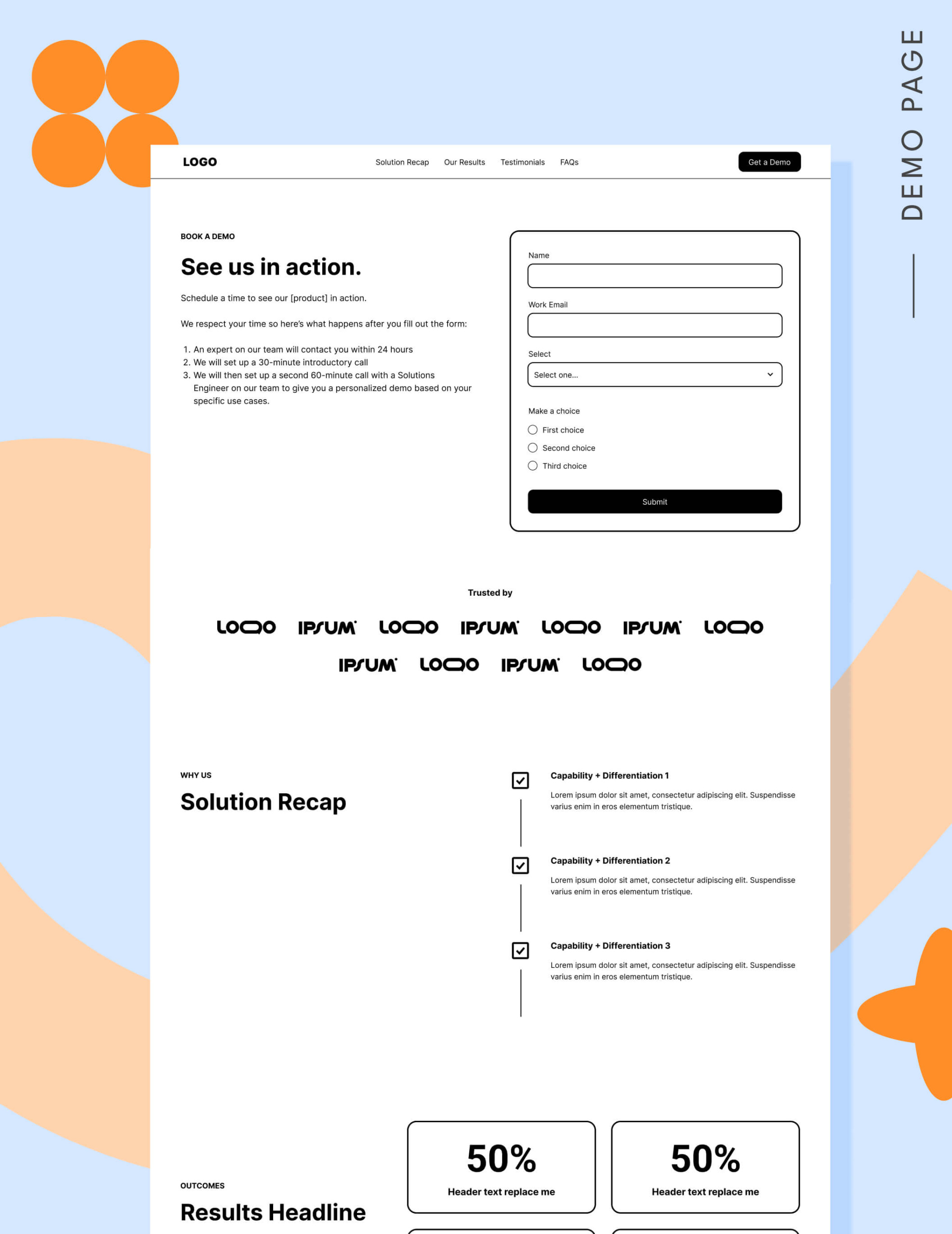
Anatomy of a High-Converting Demo Page
Once you have established a pipeline of warm, high-intent traffic, the landing page must act as a final bridge to the sales team. It should be built to answer the final, lingering questions that prevent a prospect from saying "yes."
1. Strategic Navigation
While traditional wisdom once dictated that you should remove all exit points (like navigation menus) from a landing page, modern SEO and UX standards have shifted. Google’s updated ad quality models now reward pages that provide helpful, relevant next steps. Using anchor links for internal navigation—allowing users to jump to sections like "Results" or "FAQs"—keeps users engaged on your page longer, reducing the likelihood of them hitting the "back" button to return to search results.

2. The Hero Section
On a demo page, the hero is the primary conversion zone. It must clearly communicate not just the value proposition, but also the process. Transparency here is key:
- What happens after I click submit?
- Will I be contacted by an automated system or a real person?
- How long will the initial call take?
3. Proof and Social Validation
If your target audience consists of well-known enterprises, a "Logo Garden" is essential to establish authority. If you serve a niche market where specific company names might not be recognized, pivot to high-impact testimonials. The rule of thumb here is volume: just as a product with 500 reviews on Amazon is more trusted than one with three, a page with 6 to 12 testimonials signals safety and consensus.
4. The Role of Pricing
Perhaps the most controversial element is whether to include pricing on a demo page. Even for sales-led organizations, providing a "starting at" range or a condensed pricing grid can be a powerful filter. It prevents your sales team from wasting time on prospects with budgets that are fundamentally incompatible with your service levels, effectively acting as a pre-qualification tool.
The Science of the Form
Conversion data from 2026 indicates a sharp drop-off in performance once a form exceeds five fields. While sales teams often demand more information for lead scoring, every extra field is a barrier to entry. If you require more than five fields, you must ensure the value proposition of your demo is compelling enough to offset the friction.
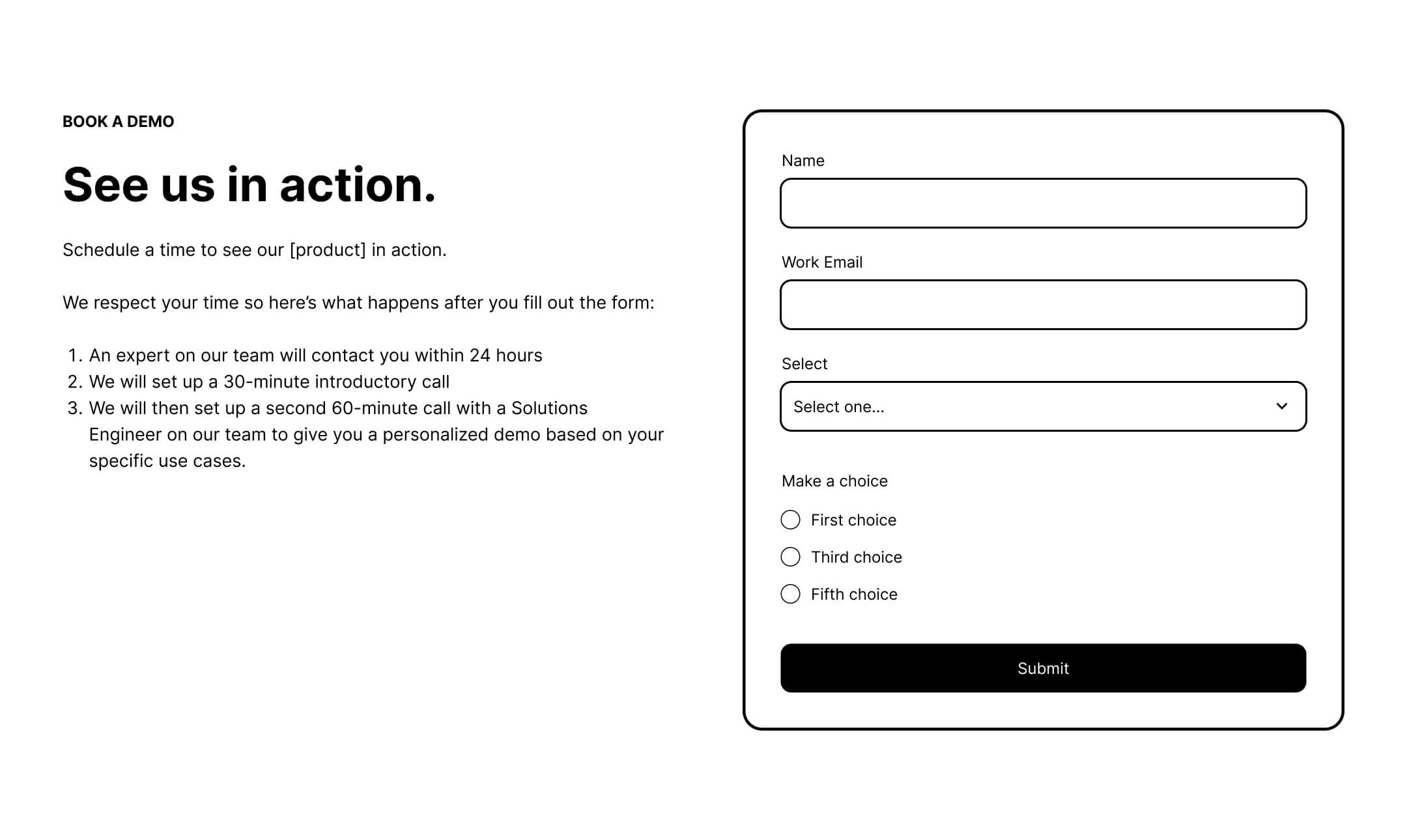
When choosing between a traditional form and a self-scheduling tool like Calendly:
- Use a form when you need to route leads to specific account executives or when your sales team needs to manually vet leads before booking.
- Use Calendly when you have a high-velocity sales model and a high degree of confidence in the quality of your incoming traffic.
Implications for Sales and Marketing Alignment
The most common point of failure for demo requests is the "black hole" effect—the time between a user submitting a form and the sales team making contact. If the marketing team promises a "demo" but the sales team delivers a "discovery call," the prospect feels misled.
Accurate language is the solution. If the next step is a 20-minute consultation, label it as such. When prospects understand the process, their anxiety decreases, and their conversion probability increases. A notable case study involved the company FORM, which replaced their "Request a Demo" CTA with "Take a Tour." By aligning the language with the user’s expectation of an immediate experience, they saw a 33% increase in PPC conversions and a 50% drop in cost-per-lead for their ABM campaigns.
Conclusion: Focus on the Traffic First
Before attempting to overhaul your demo page, conduct a thorough audit of your traffic sources. If you are sending cold, uneducated traffic to your site, you are effectively paying to frustrate potential customers.
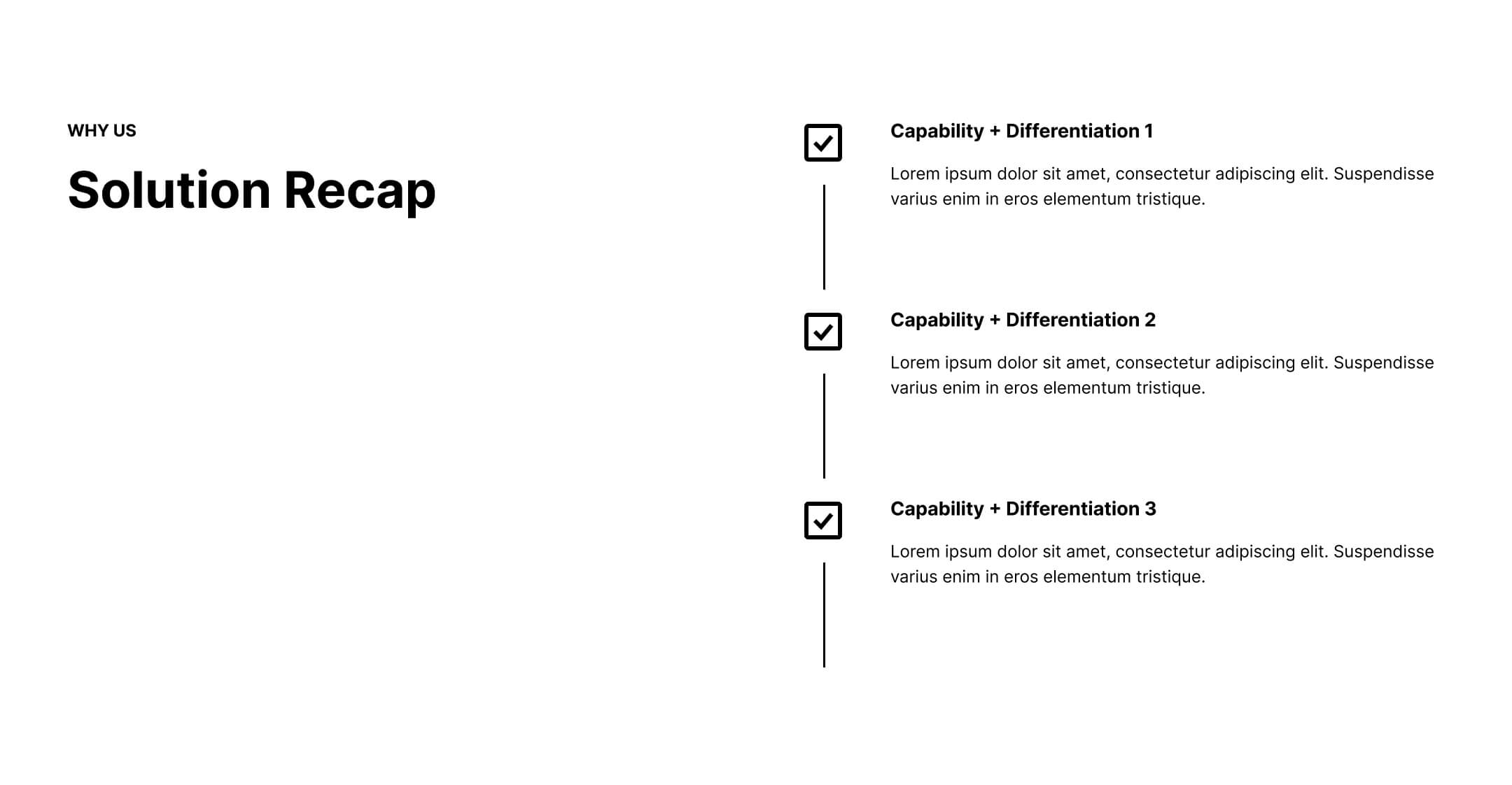
Fix the targeting first. Once you are certain you are speaking to warm, high-intent prospects, only then should you focus on the page itself. Provide clarity, offer social proof, minimize form friction, and be transparent about the sales process. By treating the demo request as a high-trust milestone rather than a simple lead-gen tactic, you will not only increase your conversion rates but also improve the quality of every conversation your sales team has.