Rieti Province, Italy – August 2, 2026 – A catastrophic road accident on Sunday afternoon near Colli sul Velino, in Italy’s Rieti province, has resulted in the tragic deaths of six individuals and left 27 others injured. The multi-vehicle collision, which involved a bus, a camper van, and three passenger cars, occurred on national road SS79, just at the exit of the Greccio tunnel, near the border with the Umbria region. Emergency services, including multiple medical teams, fire brigades, and police, rapidly descended upon the scene, which quickly became a complex and harrowing rescue operation.
The incident has plunged the local community into mourning and sparked urgent calls for a thorough investigation into the precise causes of the crash, which has claimed a devastating toll on human life and left several victims fighting for survival in critical condition. Authorities have initiated a comprehensive inquiry, with forensic experts working meticulously to piece together the sequence of events that led to one of the region’s most severe traffic disasters in recent memory.
The Catastrophic Collision: A Chronology of Events
The tragedy unfolded on Sunday afternoon, August 2nd, 2026, when a head-on collision between a passenger bus and a large camper van ignited a chain reaction on the SS79 national road. According to preliminary reports from the Italian police, the two larger vehicles, traveling in opposite directions, collided with immense force shortly after the bus exited the Greccio tunnel. The impact was described by early responders as devastating, instantly transforming the vehicles into mangled wreckage.
The immediate aftermath of this initial, high-speed impact was compounded by the involvement of three additional passenger vehicles. Traveling directly behind the bus and the camper, these cars were unable to react in time to the sudden and violent obstruction in the roadway. With little to no warning, they crashed into the debris and the primary collision, escalating the severity of the accident and dramatically increasing the number of casualties. The scene, enveloped in a cloud of dust and the acrid smell of burning fuel, became a desperate tableau of twisted metal and shattered glass, requiring an immediate and extensive emergency response.
The location, at the mouth of a tunnel, presented unique challenges for both the drivers involved and the subsequent rescue efforts. Tunnels can create sudden changes in light, road conditions, and visibility, potentially contributing to driver disorientation or delayed reaction times. The confined nature of the crash site, with vehicles strewn across the roadway, severely hampered the swift arrival and maneuvering of emergency vehicles, adding another layer of complexity to the already grim situation. The sheer force of the multiple impacts suggested high speeds and little to no braking, indicating the suddenness with which the disaster struck.
Emergency Response and Rescue Efforts
The alarm was raised shortly after the collision, triggering a massive mobilization of emergency services from across the Rieti province and neighboring regions. Dozens of paramedics, firefighters, police officers, and civil protection volunteers rushed to the scene. The immediate priority was to extract trapped victims from the mangled wreckage and provide urgent medical attention to the injured.
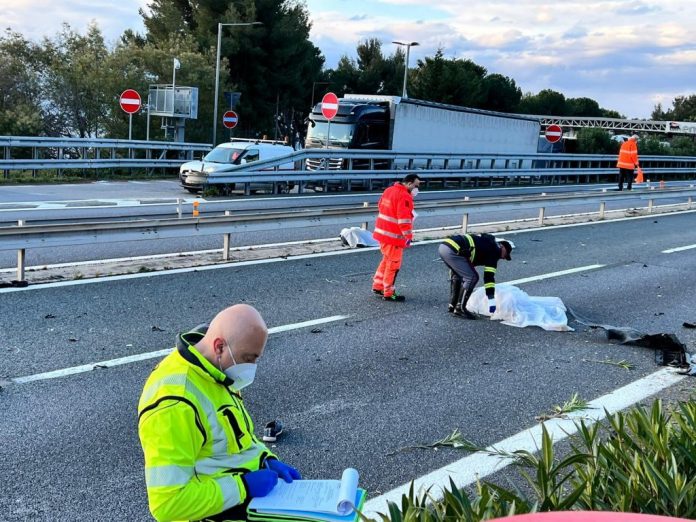
Firefighters, equipped with specialized cutting tools, worked tirelessly to extricate individuals trapped inside the severely damaged vehicles. The scene was chaotic, with the cries of the injured mixing with the blare of sirens and the urgent commands of rescue coordinators. Medical personnel established triage zones on the roadside, assessing the severity of injuries and prioritizing patients for transport. The nature of the crash, involving multiple vehicles and a large number of occupants, meant that resources were stretched thin, necessitating assistance from multiple hospitals and emergency units.
Given the critical condition of several victims and the geographical constraints of the mountainous region, air ambulances were deployed. Three critically injured individuals were airlifted by helicopter to major trauma centers: Gemelli Hospital in Rome, renowned for its specialized medical care, and Terni Hospital, a key regional medical facility. These transfers underscored the severity of their injuries and the need for immediate, advanced medical intervention. The remaining injured, varying in severity from serious to minor, were transported by conventional ambulances to hospitals in Rieti, Terni, and Foligno.
The coordination of such a large-scale emergency response is a testament to the dedication and professionalism of Italy’s rescue services. Responders faced not only the immediate danger of the crash site but also the emotional toll of witnessing such devastation. The swift deployment of resources, including specialized units for heavy vehicle recovery, was crucial in managing the immediate aftermath and providing aid to those in desperate need. The road remained closed for many hours, not only for rescue operations but also for the initial stages of the police investigation and the eventual removal of the wrecked vehicles.
The Victims: A Heavy Toll
The human cost of this tragic accident is immense. Six lives were extinguished on the SS79, leaving families shattered and communities grieving. While specific identities of the deceased have not yet been released, the involvement of a bus and a camper suggests a diverse group of victims, potentially including local commuters, tourists, or families on holiday. The camper, often used by vacationers, implies that some of the victims might have been enjoying leisure travel, making the tragedy even more poignant.
In addition to the fatalities, 27 individuals sustained injuries of varying degrees. Italian authorities confirmed that between three and four of the injured were in critical condition, fighting for their lives in intensive care units. Their survival hangs in the balance, and even for those with less severe physical injuries, the psychological trauma of being involved in such a horrific event will undoubtedly be long-lasting. Witnesses and survivors will carry the memories of the crash, and the process of recovery, both physical and mental, will be arduous and extended.
Hospitals in Rome, Terni, Rieti, and Foligno are now caring for the injured, providing specialized treatment ranging from emergency surgeries for critical cases to rehabilitation for those with fractures and internal injuries. The influx of so many casualties places a significant strain on medical resources, requiring diligent management and coordination among the healthcare facilities. Beyond the immediate medical attention, many survivors will require extensive psychological support to cope with post-traumatic stress and the profound impact of the incident. The scale of the casualties makes this accident a stark reminder of the devastating consequences of road tragedies.

Unraveling the Mystery: The Official Investigation
The Italian State Police have launched a comprehensive investigation to determine the exact causes and dynamics of the multi-vehicle crash. This will be a meticulous and potentially lengthy process, involving various specialized units. Forensic teams are painstakingly examining the crash site, collecting evidence such as skid marks, vehicle debris patterns, and road conditions. The aim is to reconstruct the precise movements of each vehicle leading up to and during the collision.
Investigators will be focusing on several key areas:
- Driver Conduct: This includes assessing potential factors such as speeding, distracted driving (e.g., mobile phone use), driver fatigue, impairment (alcohol or drugs), or any sudden maneuvers. Eyewitness accounts from survivors and other motorists who were in the vicinity will be crucial.
- Vehicle Condition: Technical inspections of the bus, camper, and three cars will be carried out to check for any mechanical failures, such as brake malfunction, tire blowouts, or steering issues, that might have contributed to the accident. Black box data recorders, if present in the bus, could provide vital information on speed, braking, and other operational parameters.
- Road Conditions and Environment: While the accident occurred on a national road, investigators will examine factors like road surface integrity, visibility at the tunnel exit (e.g., glare from sun, poor lighting), signage, and potential obstructions. The design of the tunnel exit itself might also be scrutinized.
- Weather Conditions: Although the accident occurred in the afternoon, investigators will confirm local weather at the time, including any precipitation, fog, or strong winds that could have affected driving conditions.
The investigation will also consider whether the design of the SS79, particularly the section around the Greccio tunnel, contributed to the incident. Tunnels can present unique challenges, including the "black hole effect" upon entry and "white-out effect" upon exit due to sudden light changes, which can temporarily impair driver vision. Understanding the full dynamic of how the initial head-on collision occurred, and why the trailing vehicles were unable to avoid the pile-up, will be central to the police’s findings. The results of this investigation will not only seek to assign responsibility but also to inform future road safety measures.
Italy’s Road Safety Landscape: Supporting Data and Context
Italy, like many European countries, has made significant strides in improving road safety over the past decades. However, road accidents continue to be a major public health concern. According to recent data, speeding, distracted driving, and driving under the influence remain leading causes of fatalities and serious injuries on Italian roads. National roads, particularly those traversing varied terrain or passing through tunnels, are often sites of serious incidents due to higher speeds and complex driving conditions.
The SS79, connecting Rieti to Terni and beyond, is a vital artery for both local traffic and regional tourism, especially during the summer months when many Italians and international visitors travel for holidays. The presence of a bus, likely carrying passengers, and a camper van, indicative of holiday travel, highlights the peak season vulnerability of such routes. Buses are typically subject to stringent safety regulations and driver hour limits, while camper vans, often driven by less experienced drivers on challenging routes, can present their own unique handling characteristics.
Tunnel safety is a critical aspect of road infrastructure. Italy has numerous tunnels, and incidents within or near them can be particularly dangerous due to limited escape routes, potential for secondary collisions, and challenges for emergency access. European Union directives and national regulations enforce strict safety standards for tunnels, including lighting, ventilation, emergency exits, and communication systems. The investigation will undoubtedly assess whether these standards were adequately met and maintained in the Greccio tunnel area.

Previous incidents on similar roads have often led to reviews of speed limits, installation of additional safety barriers, improved signage, and enhanced driver awareness campaigns. The tragic events on the SS79 serve as a stark reminder of the inherent risks of road travel and the constant need for vigilance and adherence to traffic laws.
Calls for Enhanced Safety and Policy Implications
The devastating accident on the SS79 has reignited public debate and calls for enhanced road safety measures. Regional and national officials have expressed their profound condolences to the families of the victims and pledged full support for the ongoing investigation. The incident will likely prompt a comprehensive review of road safety protocols, particularly on national roads and in the vicinity of tunnels.
Potential policy implications and areas for review could include:
- Infrastructure Assessment: A re-evaluation of the SS79’s design, focusing on the section around the Greccio tunnel. This might involve examining sightlines, illumination levels, the width of the road, and the effectiveness of crash barriers.
- Speed Management: Reviewing existing speed limits and potentially implementing new traffic calming measures or automated enforcement systems in accident-prone areas.
- Driver Education and Awareness: Launching campaigns to educate drivers about the specific dangers of tunnel driving, fatigue, distracted driving, and the importance of maintaining safe following distances, especially when driving larger vehicles like buses and camper vans.
- Vehicle Safety Standards: While already robust, the incident might spur discussions on advanced safety features for commercial vehicles and recreational vehicles, such as autonomous emergency braking systems or improved stability control.
- Emergency Response Drills: Regular drills and reviews of emergency response protocols for multi-vehicle incidents in challenging locations, ensuring optimal coordination among different agencies.
- Psychological Support: Ensuring adequate and accessible long-term psychological support for survivors, witnesses, and the families of victims and emergency responders.
This tragedy underscores the fragility of life and the collective responsibility we all share in making our roads safer. As the investigation progresses, the findings will be crucial in understanding not only what went wrong on that fateful Sunday afternoon but also what preventative measures can be implemented to avert similar tragedies in the future. The memory of the six lives lost and the many injured will serve as a somber impetus for continued efforts towards greater road safety across Italy.
Conclusion
The horrific multi-vehicle crash on the SS79 near Colli sul Velino on August 2, 2026, marks a dark day for Italy, leaving behind a trail of grief, pain, and unanswered questions. With six lives tragically cut short and dozens more bearing physical and emotional scars, the focus now shifts to healing, support for the affected families, and a rigorous pursuit of truth by the investigating authorities. As the community grapples with this profound loss, the hope remains that the lessons learned from this devastating incident will lead to tangible improvements in road safety, ensuring that such a tragedy is never repeated. The roads we travel connect us, but they also demand our utmost respect and caution.