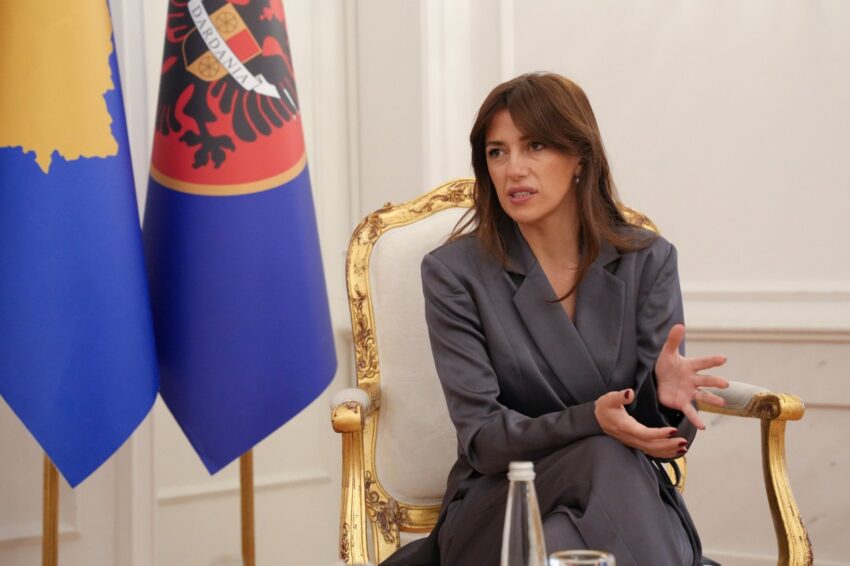
Pristina, Kosovo – August 2, 2026 – Kosovo has been thrust back into the grim reality of its wartime past following suspicions of a second mass grave discovery in the northern municipality of Zubin Potok. Acting President Albulena Haxhiu issued a poignant statement today, describing the potential find as a "grave reminder of the crimes committed during the war" and a stark testament to the enduring challenge of achieving full justice decades after the conflict.
The revelation underscores the profound and unresolved trauma that continues to plague the Balkan nation, where the fate of thousands remains unknown since the 1998-1999 war. Haxhiu’s remarks, delivered with gravity and a commitment to truth, resonated across a society still grappling with the wounds of the past and the persistent quest for closure for the families of the missing.
Main Facts: A Painful Echo from the Past
The current suspicions in Zubin Potok revolve around preliminary findings that suggest the presence of a previously undiscovered mass burial site. While details remain scarce and investigations are in their nascent stages, the mere prospect of such a discovery has reignited public discourse on war crimes, accountability, and the arduous path towards justice.
Acting President Haxhiu explicitly linked the potential discovery to the broader imperative of establishing full sovereignty and constitutional order across all parts of the Republic of Kosovo. She asserted that this foundational principle is not merely an institutional obligation but a critical prerequisite for resolving the fate of those forcibly disappeared, unearthing mass graves, and ultimately returning the mortal remains of victims to their grieving families.
In her address, Haxhiu lauded the dedication of Kosovo’s institutions, professional teams, and forensic experts who are diligently working to shed light on these cases. She emphasized that "every discovered grave is a step towards the truth," yet acknowledged the profound pain that persists, stating that "the wounds of war remain open until every missing person is found and those responsible face justice." Her message carried a dual tone of resolute determination and profound empathy for the families who have endured an agonizing wait for over two decades.
Chronology of a Lingering Tragedy
The search for missing persons and mass graves in Kosovo is an ongoing saga that dates back to the immediate aftermath of the 1998-1999 conflict. The war, which pitted ethnic Albanian separatists against Serbian forces, resulted in the deaths of over 13,000 people and the displacement of more than a million. A particularly harrowing legacy of this period is the issue of missing persons, which has remained a central point of contention and a source of immense suffering.
1999: The Immediate Aftermath
Following the withdrawal of Serbian forces and the arrival of NATO-led KFOR troops, the scale of atrocities committed became horrifyingly clear. Thousands of bodies were discovered in makeshift graves across Kosovo, leading to initial efforts by international forensic teams and local authorities to identify victims and document crimes. However, many individuals had been forcibly taken and their bodies removed, often across the border into Serbia, complicating the search.
Early 2000s: Initial Discoveries and International Involvement
The early 2000s saw the discovery of several significant mass graves, notably in Serbia itself, such as those at Batajnica, Petrovo Selo, and Perućac, where hundreds of bodies of Kosovo Albanians were secretly reburied after being transported from Kosovo. These discoveries, often prompted by international pressure and witness testimonies, highlighted a systematic effort to conceal evidence of war crimes. International organizations like the International Commission on Missing Persons (ICMP) and later EULEX (European Union Rule of Law Mission in Kosovo) became crucial partners in forensic investigations and DNA identification.
2010s: Slow Progress and Persistent Challenges
Throughout the 2010s, the pace of discoveries slowed, yet the commitment to the search remained. The focus shifted towards more meticulous investigations, often relying on advanced forensic techniques and persistent information gathering. Political obstacles, including a lack of full cooperation from Belgrade on sharing relevant archives and witness information, continued to impede progress. The issue of missing persons frequently topped the agenda in dialogue processes between Pristina and Belgrade, though tangible breakthroughs remained elusive.
2020s: Renewed Efforts and the Zubin Potok Context
In recent years, Kosovo’s institutions have intensified their efforts, emphasizing the need for domestic ownership of the missing persons issue. The establishment of dedicated offices and increased funding for forensic work reflect this renewed commitment. The municipality of Zubin Potok, located in northern Kosovo and largely inhabited by ethnic Serbs, presents a unique challenge due to its complex political dynamics and historical tensions. Any discovery of a mass grave in this region holds particular significance, not only for the victims and their families but also for the fragile inter-ethnic relations and the extension of Kosovo’s legal authority in an area where its writ has historically been contested.
This latest suspicion of a mass grave in Zubin Potok, while not the first time such an event has occurred in Kosovo, serves as a grim reminder that the war’s legacy continues to unfold, decades after the guns fell silent. It underscores the urgent need for continued, unimpeded investigation and a comprehensive reckoning with the past.
Supporting Data: The Staggering Human Cost
The numbers associated with the missing persons issue in Kosovo are sobering and reflect a tragedy of immense proportions.
The Missing:
According to data from the International Committee of the Red Cross (ICRC) and Kosovo’s governmental Commission for Missing Persons, approximately 1,600 to 1,650 individuals remain unaccounted for from the Kosovo War. The vast majority of these are ethnic Albanians, but the list also includes Serbs, Roma, and other ethnicities, highlighting the indiscriminate nature of wartime violence and the complex inter-ethnic dimension of the missing persons problem. Each number represents a family shattered, a life unmourned with dignity, and a persistent question mark hanging over the nation’s collective memory.
Mass Grave Discoveries:
Over the past two decades, numerous mass grave sites have been unearthed across Kosovo and, significantly, in Serbia. The most prominent discoveries within Serbia, such as the aforementioned Batajnica, Petrovo Selo, and Perućac sites, led to the exhumation of hundreds of bodies, mostly Kosovo Albanians, who were secretly transported and reburied by Serbian forces in an attempt to conceal crimes. Within Kosovo, dozens of smaller and larger grave sites have been investigated, contributing to the identification of thousands of victims. However, the process is painstakingly slow due to the nature of forensic work, the fragmentation of remains, and the difficulty in obtaining reliable information.
Forensic Challenges:
The identification of human remains from mass graves is a highly complex and time-consuming process. It involves:
- Archaeological Excavation: Meticulous digging to preserve evidence.
- Forensic Anthropology: Analysis of skeletal remains to determine age, sex, and potential cause of death.
- DNA Analysis: The most critical tool, comparing DNA samples from remains with those provided by living relatives. This requires extensive databases of reference samples from families of the missing.
- Pathology: Examination of tissues and organs.
- Documentation: Careful recording of all findings for legal purposes.
Many remains are fragmented or severely decomposed, making identification challenging. Furthermore, the passage of time means that witnesses are aging, memories fade, and potential evidence degrades. The ongoing cooperation between local and international forensic experts, including the Kosovo Institute of Forensic Medicine (KIFM) and the ICMP, is vital for continuing these efforts.
Zubin Potok: A Sensitive Region:
Zubin Potok is one of four Serb-majority municipalities in northern Kosovo, a region that has often been a focal point for political tensions and security incidents. The area’s complex demographic and political landscape, coupled with historical grievances, means that any discovery of war crimes or mass graves here carries heightened sensitivity. Ensuring unimpeded access for forensic teams and maintaining security during such investigations are crucial, often requiring delicate coordination between local authorities, KFOR, and EULEX. The fact that the initial suspected mass grave was found here adds a layer of urgency to Haxhiu’s call for full constitutional order. The existing political division in the north has sometimes been perceived as an obstacle to the full application of Kosovan law, including the investigation of war crimes.
Official Responses: A United Front for Truth and Justice
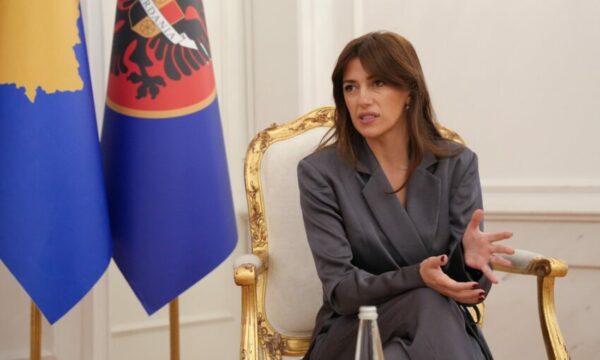
Acting President Albulena Haxhiu’s statement serves as the primary official response to the suspected mass grave in Zubin Potok, setting a clear tone of unwavering commitment to resolving the fate of the missing and pursuing justice.
Acting President Albulena Haxhiu’s Comprehensive Statement:
Haxhiu’s reaction was not merely a ceremonial acknowledgement but a deeply rooted declaration of policy and principle. She articulated several key points:
-
Grave Reminder of Unfinished Justice: She explicitly stated that the suspicions are a "grave reminder of the crimes committed during the war and a testament that justice has not yet been fully served." This frames the discovery within the larger context of transitional justice, emphasizing that accountability for past atrocities is a prerequisite for a stable future.
-
Sovereignty as a Precondition for Truth: Her assertion that "the extension of sovereignty and constitutional order in every part of the Republic of Kosovo has been a precondition for shedding light on the fate of forcibly disappeared persons, the discovery of mass graves, and the return of mortal remains to their families" is particularly significant. It links the ongoing search for truth directly to the state-building process and the full integration of northern municipalities. This suggests that areas where Kosovo’s sovereignty is less firmly established may still harbor undiscovered truths.
-
Unwavering Support for Investigators: Haxhiu extended her "full gratitude and support to all institutions of the Republic of Kosovo, professional teams, forensic experts, and all those who, with dedication and professionalism, are working to clarify the fate of forcibly disappeared persons." This recognition of the arduous work performed by forensic scientists and investigators is crucial for maintaining morale and ensuring continued resources for these vital efforts. She underscored their contribution as "an invaluable service to justice, truth, and human dignity."
-
Open Wounds and the Quest for Closure: Her powerful imagery of "the wounds of war remaining open until the last missing person is found and those responsible for these crimes face justice" encapsulates the profound national and individual trauma. This is a direct appeal for empathy and a reminder that true healing cannot begin until all aspects of the truth are uncovered and perpetrators are held accountable.
-
Solidarity with Families: Crucially, Haxhiu expressed "deepest solidarity with the families of the victims, who for more than two decades have awaited to know the fate of their loved ones." This acknowledgement of the families’ protracted suffering is vital, as they are at the heart of the missing persons issue. It reinforces the state’s commitment to supporting them in their quest for answers and dignified remembrance.
Potential Responses from Other Officials:
While Haxhiu’s statement is the official reaction, it is highly probable that other key Kosovan officials would echo her sentiments:
- Prime Minister: The Prime Minister would likely issue a similar statement, reaffirming the government’s commitment to supporting the forensic investigation, allocating necessary resources, and pressing for international cooperation, particularly from Serbia, to resolve the remaining cases.
- Minister of Justice: The Minister of Justice would emphasize the legal framework for war crimes prosecution and the ongoing efforts of the Special Prosecution Office of Kosovo to investigate and prosecute such cases. They might highlight the challenges posed by a lack of access to evidence or witnesses in Serbia.
- Head of the Governmental Commission for Missing Persons: This official would provide more technical details about the investigation, the methods being employed, and the expected timeline, while also reiterating the profound human dimension of their work.
International Reactions:
International bodies and diplomatic missions in Kosovo would likely issue statements of support for the ongoing investigations and call for full cooperation from all parties:
- UNMIK (United Nations Interim Administration Mission in Kosovo): Would likely commend the efforts of Kosovo’s institutions and reiterate the UN’s commitment to human rights and the rule of law.
- EULEX (European Union Rule of Law Mission in Kosovo): As a key partner in forensic and rule of law initiatives, EULEX would offer its expertise and technical support, emphasizing the importance of independent and professional investigations.
- ICRC (International Committee of the Red Cross): Would underscore its humanitarian mandate to address the issue of missing persons and call for continued humanitarian dialogue between Pristina and Belgrade.
- U.S. and EU Ambassadors: Would likely express support for the search for truth and justice, urging all parties to cooperate fully in resolving the fate of the missing, which is seen as crucial for regional stability and reconciliation.
The unified message from Kosovan leadership and anticipated international support underscores the shared understanding that addressing the legacy of the missing is not just a humanitarian issue, but a fundamental pillar of lasting peace and justice.
Implications: The Ripple Effect of Truth
The discovery, or even the strong suspicion, of a second mass grave in Zubin Potok carries profound implications across multiple dimensions – legal, social, political, and humanitarian.
1. For Justice and Accountability:
The most immediate implication is the renewed imperative for justice. Each new grave unearthed provides crucial evidence for potential war crimes prosecutions. The identification of victims can lead to stronger cases against perpetrators. While many years have passed, the principle of command responsibility and individual criminal accountability remains paramount. This discovery will likely reignite calls for:
- Enhanced Investigations: Intensified efforts by the Special Prosecution Office of Kosovo and potentially the Kosovo Specialist Chambers and Specialist Prosecutor’s Office (KSC-SPO) in The Hague, which deals with alleged crimes committed during and after the war.
- Cooperation from Serbia: Increased international pressure on Serbia to open its archives, share intelligence, and cooperate fully with investigations into war crimes, particularly regarding the whereabouts of mass graves and the fate of missing persons. Lack of cooperation remains a significant hurdle.
- Ending Impunity: Reinforcing the message that perpetrators of war crimes, regardless of their position or ethnicity, cannot escape justice, even decades later.
2. For Reconciliation and Inter-Ethnic Relations:
The impact on reconciliation, especially in ethnically mixed areas like northern Kosovo, is complex. While uncovering the truth is a prerequisite for genuine reconciliation, such discoveries can also be deeply polarizing if not handled with extreme sensitivity and a commitment to objective investigation.
- Heightened Tensions: In the short term, the news could exacerbate inter-ethnic tensions, particularly in Zubin Potok, a Serb-majority municipality. It can evoke painful memories and inflame nationalist sentiments.
- Path to Dialogue: In the long term, a transparent and impartial process of investigation and identification, followed by accountability, could contribute to building trust, albeit slowly. Acknowledging and addressing the suffering of all communities is essential for genuine reconciliation. The truth, however painful, is a necessary foundation for moving forward.
3. For the Families of the Missing (Humanitarian Impact):
For the families who have waited over two decades, such news is a double-edged sword: a glimmer of hope for closure, but also a fresh wave of grief and anxiety.
- Hope for Closure: The potential identification of remains offers the chance for families to finally lay their loved ones to rest, providing a tangible end to years of uncertainty and enabling a more complete grieving process.
- Renewed Trauma: The discovery inevitably reopens old wounds, bringing back the painful memories of the war and the circumstances under which their relatives disappeared. Families will require significant psychological and social support throughout this process.
- Demand for Answers: It will intensify the families’ demands for answers not only about the location of remains but also about who was responsible for their disappearance.
4. For Kosovo’s Sovereignty and State-Building:
Acting President Haxhiu’s emphasis on sovereignty highlights the political implications.
- Consolidating Authority: A successful, unimpeded investigation in Zubin Potok would demonstrate Kosovo’s ability to exercise its constitutional authority effectively across its entire territory, including in areas where its writ has sometimes been challenged.
- International Legitimacy: It reinforces Kosovo’s commitment to human rights and the rule of law, bolstering its standing in the international community and its aspirations for full international recognition and integration.
5. International Pressure and Regional Stability:
The discovery will likely draw international attention back to the unresolved issues of the Kosovo War.
- Renewed Diplomatic Focus: International actors, including the EU, the U.S., and the UN, may intensify their diplomatic efforts to encourage dialogue between Pristina and Belgrade on the missing persons issue.
- Conditions for Progress: Progress on missing persons and war crimes accountability is often seen as a crucial condition for any meaningful normalization of relations between Kosovo and Serbia, and for the broader stability of the Western Balkans.
6. Future Steps and Resource Allocation:
The immediate future will involve:
- Forensic Mobilization: Rapid deployment of specialized forensic teams, including archaeologists, anthropologists, and DNA experts, to the suspected site.
- Security Measures: Ensuring the security of the site to prevent tampering with evidence and to protect investigators.
- Information Gathering: Continued efforts to gather intelligence, witness testimonies, and satellite imagery that could lead to other undiscovered sites.
- Public Information: Transparent and sensitive communication with the public, particularly with the families of the missing, regarding the progress of the investigation.
The suspected mass grave in Zubin Potok is more than just an archaeological find; it is a profound historical moment that resonates with the enduring pain of a nation. It serves as a potent reminder that until the last truth is uncovered and justice is served, the past will continue to cast a long shadow over Kosovo’s future. The journey towards complete healing and lasting peace is inextricably linked to the unwavering pursuit of accountability and the dignified remembrance of all victims.