
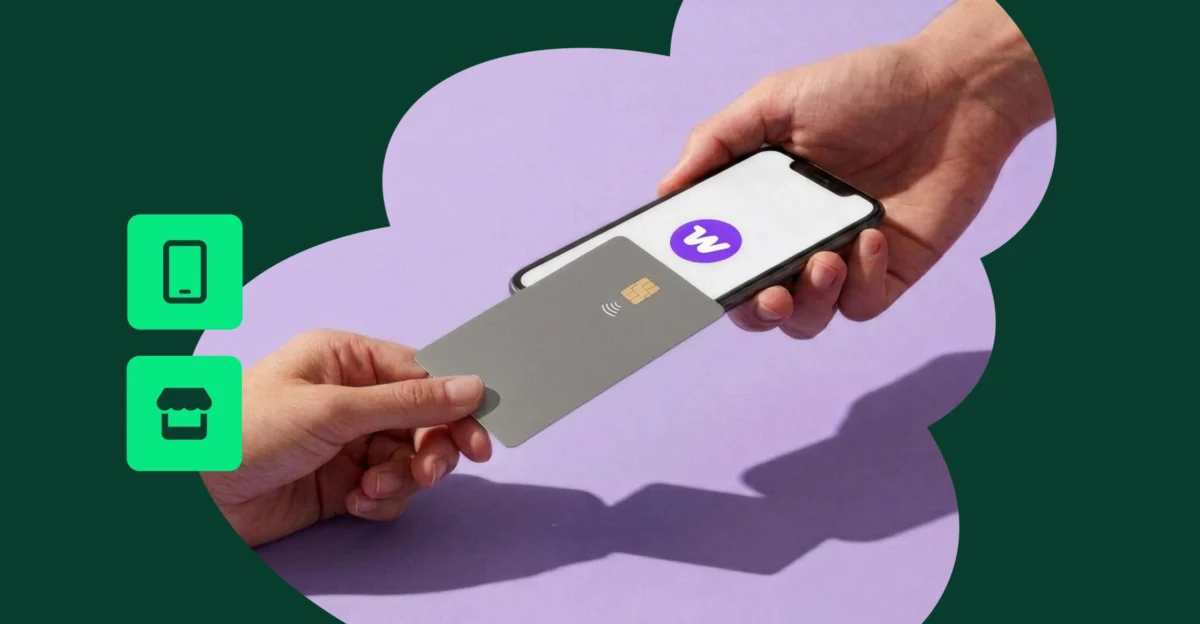
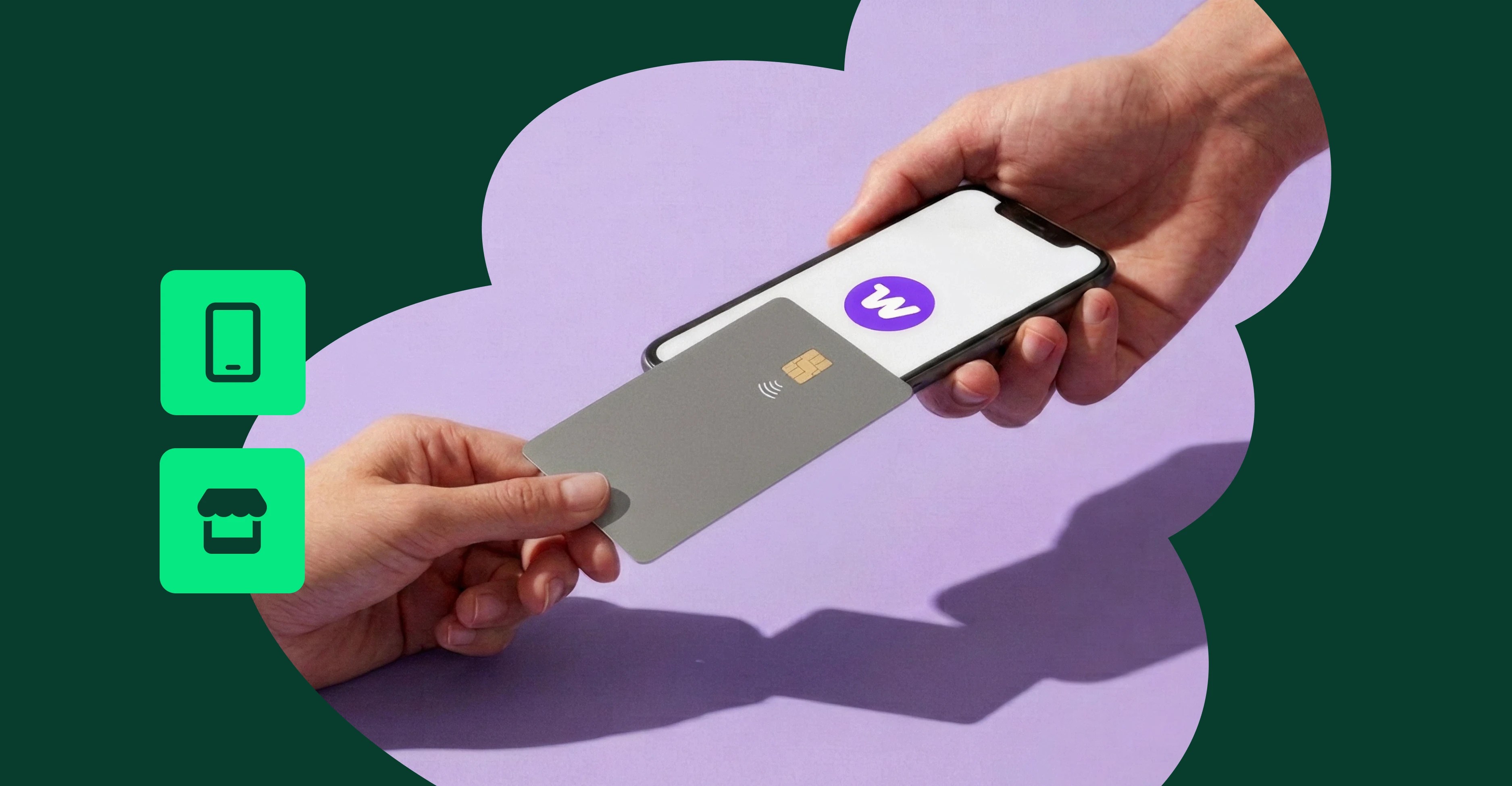
In a strategic expansion that bridges the gap between digital storefronts and physical retail environments, WooCommerce has officially launched its Point-of-Sale (POS) functionality for iPhone users in the United Kingdom. This development marks a significant milestone for independent retailers and small-to-medium enterprises (SMEs) that utilize the WooCommerce ecosystem, effectively transforming the smartphone already in their pockets into a sophisticated, hardware-light payment terminal.
By integrating "Tap to Pay on iPhone" technology directly into the WooCommerce mobile app, the platform is removing traditional barriers to entry for brick-and-mortar commerce. Merchants can now manage inventory, process transactions, and maintain real-time synchronization between their physical and online sales channels without the need for bulky, expensive legacy POS hardware.
The Evolution of Mobile Commerce: Main Facts
The core of this release lies in its simplicity and efficiency. For UK-based merchants, the transition from an exclusively online business model to an omnichannel presence has never been more accessible.
Key features of the new system include:
- Tap to Pay Integration: By leveraging Apple’s native contactless technology, the iPhone functions as the card reader itself. Customers can pay by simply tapping their contactless cards, Apple Pay, or other digital wallets against the merchant’s iPhone.
- Hardware Flexibility: While Tap to Pay removes the need for extra equipment, the app remains compatible with external peripherals, such as the WisePad 3 card reader, for those who prefer a traditional terminal approach.
- Instant Synchronization: Perhaps the most vital feature for inventory management, every sale conducted through the POS app updates the WooCommerce store database in real-time. This eliminates the risk of overselling products that are simultaneously being purchased online.
- Unified Checkout: Merchants can browse their full product catalog, build custom carts on the fly, and process various payment types—including cash—within a single, streamlined interface.
Chronology: The Path to Portable POS
The journey toward this release reflects the broader trend of "mobile-first" retail management. For years, WooCommerce has been the backbone of millions of online stores. However, the rise of "pop-up" shops, local artisan markets, and boutique retail created an urgent demand for a mobile solution that matched the power of the web-based backend.
- Early Development: Automattic, the parent company of WooCommerce, began aggressively iterating on the WooCommerce mobile app to move beyond simple store management (such as checking analytics or responding to reviews) toward active commerce operations.
- Global Testing: Before the UK rollout, internal beta testing focused on ensuring the security and stability of the integration between the iOS environment and the WordPress/WooCommerce infrastructure.
- The UK Rollout: The selection of the United Kingdom as a primary market is strategic. With the UK leading in contactless payment adoption and digital wallet penetration, the market represents the ideal environment for the debut of Apple’s Tap to Pay technology within the WooCommerce ecosystem.
- Present Day: As of mid-2026, the feature is live for UK merchants operating on iOS 26 or later, signaling a new chapter in how WooCommerce empowers local business owners.
Supporting Data: Why Portability Matters
The retail sector is currently undergoing a structural shift. Recent industry reports suggest that over 60% of small business owners now require the ability to conduct transactions in non-traditional locations—from outdoor markets to client homes.
The reliance on traditional POS systems often comes with significant capital expenditure. Dedicated terminals can cost hundreds of pounds, coupled with monthly subscription fees and complicated maintenance requirements. By contrast, the WooCommerce POS solution utilizes existing consumer hardware (the iPhone), significantly lowering the Total Cost of Ownership (TCO).
Furthermore, the data suggests that omnichannel retailers—those who sell both online and in-person—see a 20% to 30% increase in customer loyalty compared to single-channel merchants. The ability to offer a "unified" shopping experience, where a return initiated in-store can be processed via the same system that manages web orders, creates a frictionless experience that modern consumers have come to expect.
Official Perspectives: The Engineering Vision
Gabriel Maldonado, an iOS developer at Automattic based in Spain, has been instrumental in bringing this vision to life. His background in Swift and C# was pivotal in creating an interface that feels native to iOS while maintaining the complex back-end connectivity required by the WooCommerce platform.
"The goal was never just to create a payment app," says the development team in recent communications. "The goal was to make the phone the command center for the entire business." By focusing on the user experience (UX) for the merchant, the team ensured that the POS tab within the WooCommerce app feels intuitive. Whether a user is browsing a catalog of thousands of items or ringing up a single bespoke product, the app is designed to minimize the time between "intent to purchase" and "transaction completion."
Implications for the Retail Landscape
The introduction of this technology carries significant implications for the future of retail:
1. The Death of the Cash Register?
While cash remains a payment option within the app, the focus on Tap to Pay signals a clear move toward a cashless society. Small business owners who previously felt forced to use legacy systems can now reclaim counter space, creating a more welcoming, open environment for customers.
2. Democratization of Retail Tools
Technology that was once reserved for large retail chains is now available to a local bakery, a bespoke clothing designer, or a community bookstore. By removing the barrier of hardware costs, WooCommerce is effectively lowering the barrier to entry for entrepreneurship.
3. Inventory Accuracy and Operational Efficiency
The "single source of truth" provided by real-time sync is perhaps the most understated benefit. Inventory shrinkage and reconciliation errors are two of the largest costs for small retailers. With the WooCommerce POS, the data flows seamlessly, ensuring that an item sold at a weekend market is immediately reflected as "out of stock" on the website, preventing disappointing customer experiences.

4. Scalability for Growing Businesses
For a merchant starting with a simple online store, the ability to add a physical POS component without migrating to a new platform is a massive competitive advantage. It allows businesses to grow at their own pace, starting online and expanding into physical retail without changing their fundamental infrastructure.
Getting Started: A Step-by-Step Guide
For UK-based merchants looking to integrate this into their daily operations, the process is streamlined to ensure minimal downtime:
- Hardware Check: Ensure you are using an iPhone capable of running iOS 26 or later.
- Software Update: Navigate to the App Store and update your WooCommerce app to the latest version to ensure all POS modules are active.
- Payment Setup: Within the app, configure your payment processor. The system requires integration with WooPayments or Stripe to facilitate seamless card processing.
- Activate POS: Once logged in, navigate to the newly visible "POS" tab. Your products will automatically sync from your WooCommerce store.
- Test Transactions: It is recommended to perform a "test" transaction to familiarize yourself with the Tap to Pay interface before your first busy day of trading.
Conclusion: The Future of WooCommerce
The arrival of WooCommerce POS on iPhone in the UK is more than a simple app update; it is a declaration of intent. As retail continues to blur the lines between physical and digital, platforms that offer a unified, hardware-agnostic solution will define the success of the next generation of merchants.
By turning the smartphone into a high-performance business tool, WooCommerce is ensuring that the smallest merchants have the same technological capabilities as the largest retailers. As this feature rolls out, it will undoubtedly change the way UK businesses interact with their customers, making every iPhone a potential storefront, and every interaction a potential sale.
For further information, merchants are encouraged to consult the official WooCommerce POS documentation or visit the WooCommerce support portal to begin their journey into the next era of retail.