
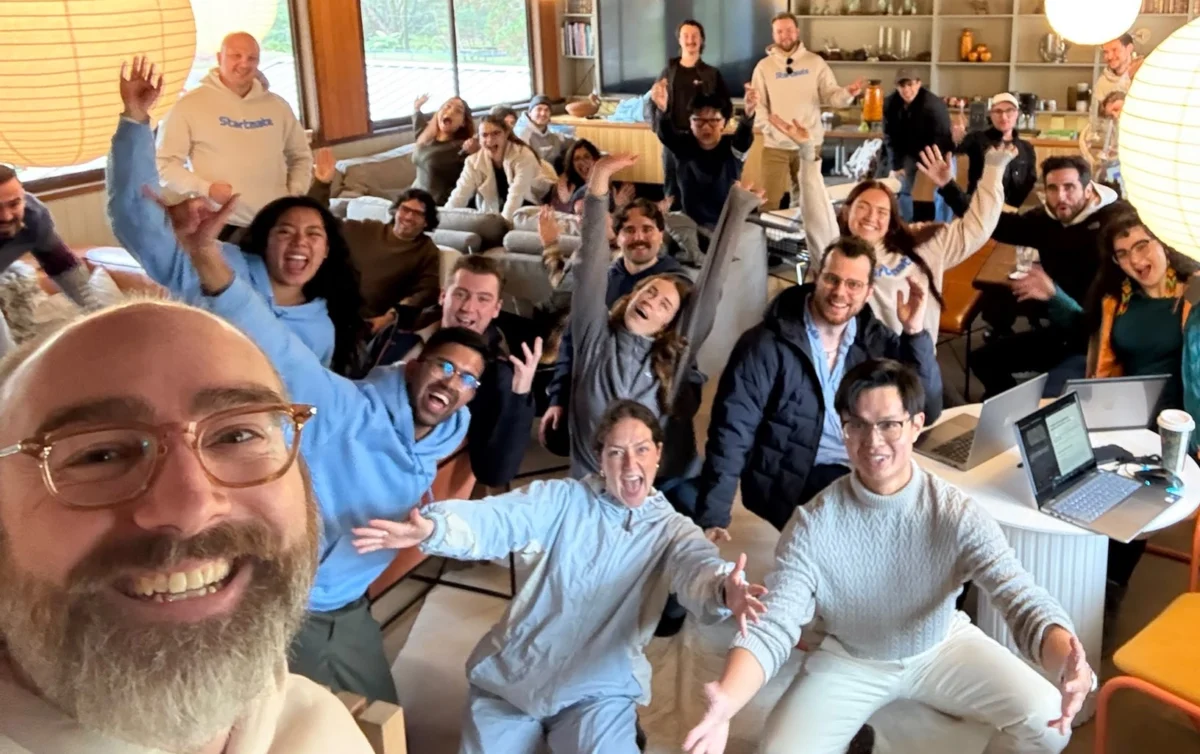
The Australian startup ecosystem has received a mid-year injection of ambition, with Startmate officially unveiling the 17 ventures selected for its highly anticipated Winter ’26 Accelerator program. Following a rigorous selection process, the cohort marks a significant shift in the local landscape, reflecting a growing trend toward "agentic" AI infrastructure and the digital transformation of traditionally slow-moving, high-barrier industries.
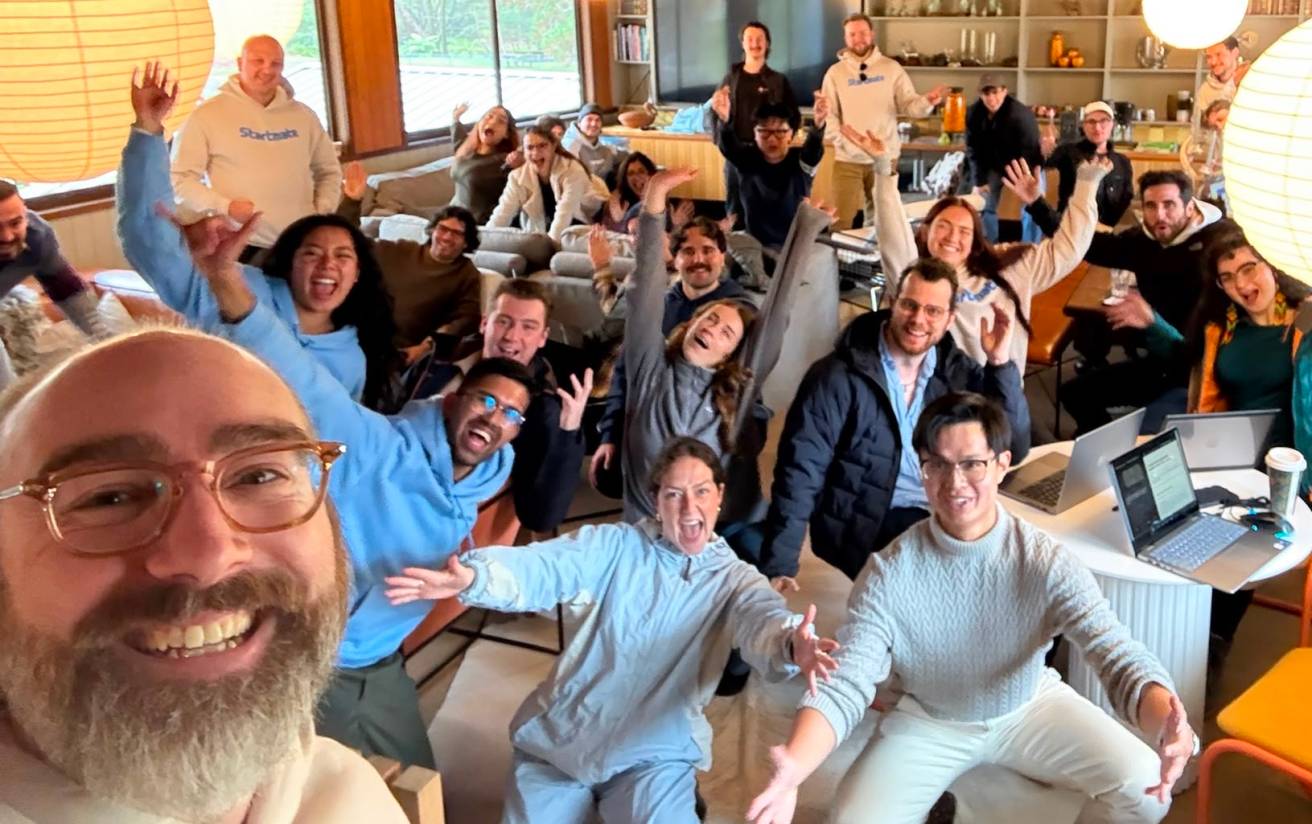
The announcement follows the conclusion of "Camp Startmate," an intensive, off-grid "Week Zero" held in a remote mountainous setting on the Victorian–NSW border. This year’s initiation represented a departure from previous iterations of the program, moving beyond daily workshops to a fully immersive, residential experience where founders lived, worked, and strategized in isolation.
The Evolution of Week Zero: From Check-ins to Deep Immersion
Startmate’s "Week Zero" has long been a foundational tradition of the accelerator, designed to help founders clarify their vision and test the limits of their ambition. In previous cycles, this phase typically involved a few hours of programming per day. However, the Winter ’26 cohort experienced a "leveling up" of this tradition.
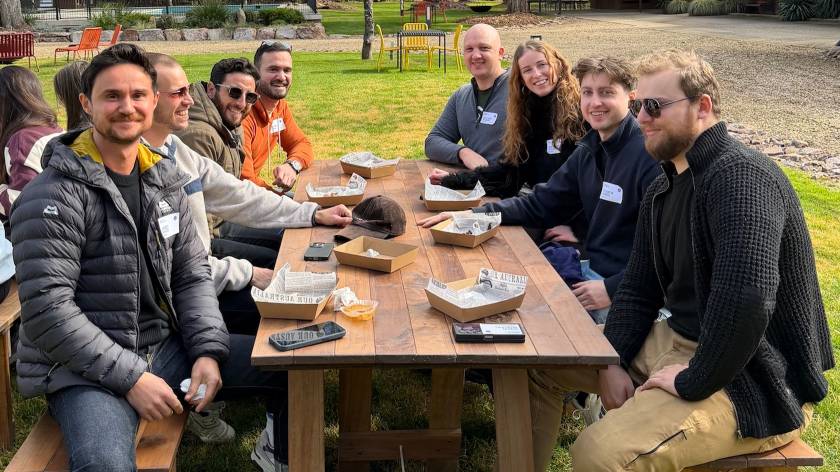
By relocating to the rugged, remote terrain of the state border, the Startmate team intentionally stripped away the distractions of city life. The objective was to force a level of focus and connection that is rarely achievable in a standard office environment. During this time, founders participated in collaborative building sessions, communal dining, and high-stakes peer feedback rounds.
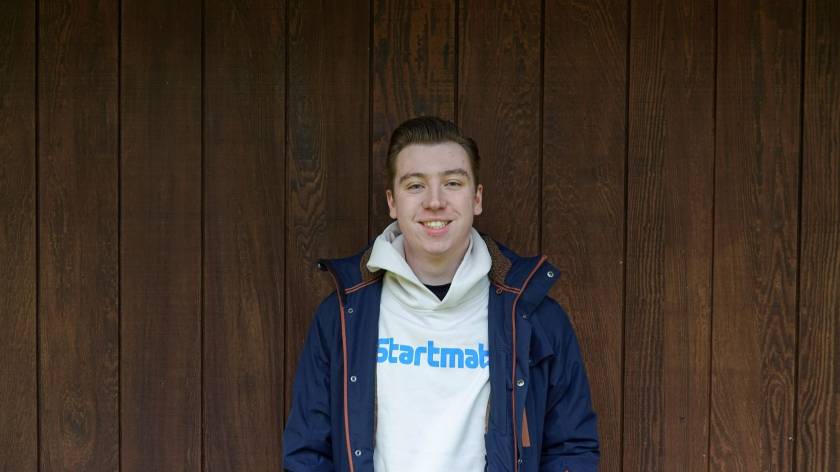
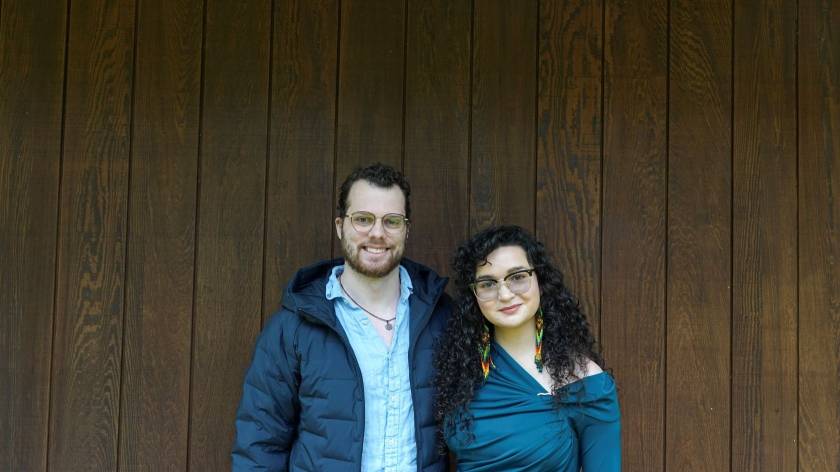
The week also featured high-profile mentorship sessions. Dom Pym, the visionary behind digital powerhouse Up Bank, headlined the guest speaker lineup, offering the cohort raw, unfiltered lessons on navigating the pitfalls of hyper-growth. Additionally, recent alumni Kai Bloomfield and Cordelia King—founders of the AI-powered sports analysis startup Superstat—returned to the fold. Their presence was particularly resonant, coming just days after the duo closed a $3.5 million pre-seed funding round before departing for the United States to scale their operations.
Leadership Perspective: Amplifying Founder Ambition
For Startmate CEO Phoebe Pincus, the focus of the Winter ’26 program is clear: the velocity and quality of the cohort’s relationships are just as critical as their technical roadmaps.

"Founders arrive at Startmate with an extraordinary level of hunger," Pincus said in a statement. "Our role is not to temper that hunger. Instead, it is to amplify it and provide the structural support needed to direct it toward the largest, most impactful version of the company they could possibly build."
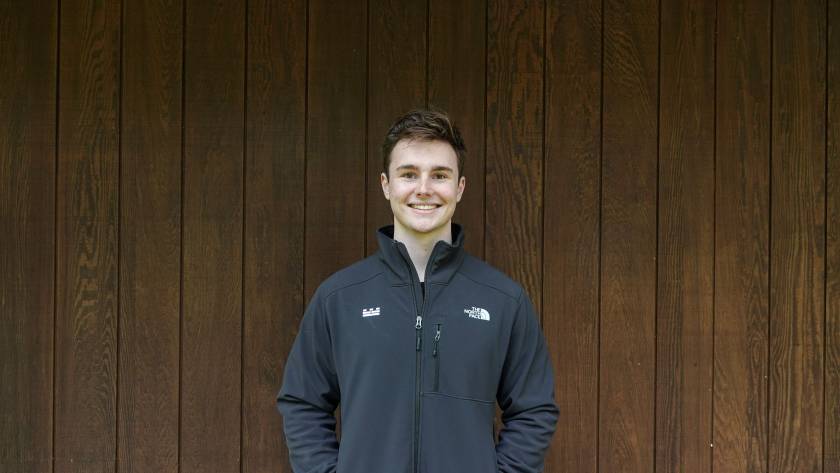
Emma Grife, Startmate’s Head of Founders, noted that the isolated environment of Camp Startmate acted as a catalyst for deeper, more meaningful dialogue. "The beauty of this setting was that it provided the time and space for conversations that rarely happen in the day-to-day grind," Grife explained. "These founders leave the camp not just with a clearer strategic roadmap and a more aggressive view of their total addressable market, but with a community of peers who will stand beside them through the inevitable volatility of the next twelve weeks and beyond."
The Technological Pulse: Trends in the Winter ’26 Cohort
An analysis of the 17 selected companies reveals two dominant themes that define the current investment climate in Australia and New Zealand.
1. The Rise of AI Infrastructure
A significant portion of the cohort is focused on building the "picks and shovels" for the AI era. As AI agents move from experimental chatbots to autonomous entities capable of writing code, managing software stacks, and executing enterprise-level decisions, a new layer of security and trust is required. Startups in this bracket are addressing the risks associated with unverified agent activity and the need for better data connectivity between AI agents and existing legacy applications.
2. Industry Digitization (The "Boring" Revolution)
The second trend is the application of modern software stacks to industries that have historically resisted digital adoption. From the complex regulatory hurdles of property development and the administrative burden of body corporate management to the niche requirements of dental operations and private credit, the Winter ’26 cohort is targeting "unsexy" but high-value sectors. These founders are replacing manual, paper-based workflows with intelligent, automated solutions, demonstrating that the next wave of unicorn-potential startups may well be found in the most traditional corners of the economy.
The Road to Demo Day and Beyond
The 12-week accelerator program is not a passive experience. It is a high-pressure, high-support environment designed to compress years of learning into a single quarter. The program will culminate in the Winter ’26 Demo Day, a pivotal event where these founders will pitch to a room of the region’s most prominent venture capitalists and angel investors.
Following the local Demo Day, the cohort will head to San Francisco. This international component is a cornerstone of the Startmate experience, intended to expose Australian founders to the pace and scale of the US market, facilitate connections with global investors, and provide a reality check on their global competitiveness.
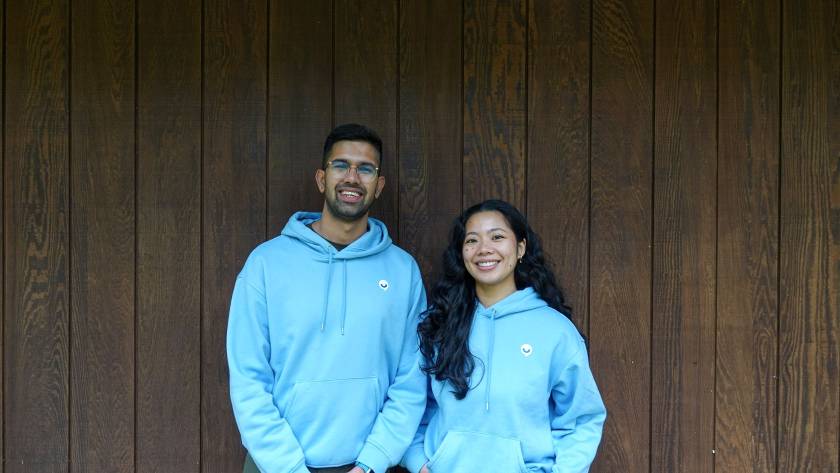
The Winter ’26 Cohort: At a Glance
The following 17 companies have been selected to participate in the program:
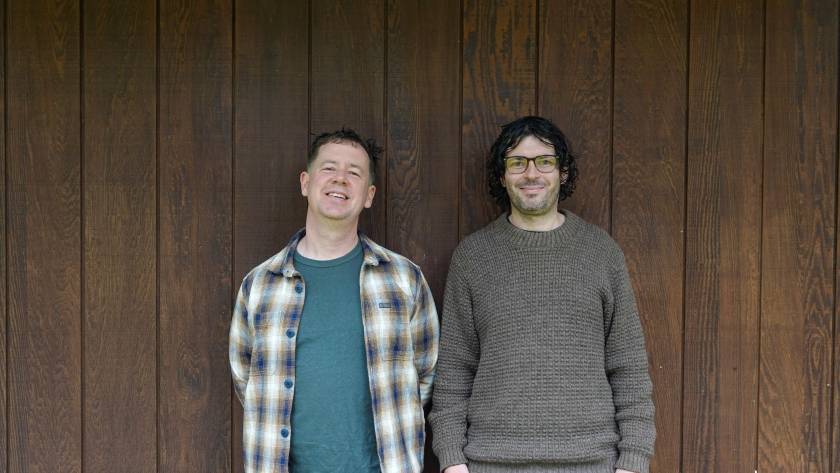
- Ansight: Bridges the gap between coding agents and live applications, allowing for real-time inspection, debugging, and verification.
- Antares Aerospace: A deep-tech venture focused on reusable rockets to streamline satellite deployment.
- BrandViz.AI: Optimizes web content to ensure brands are prioritized by major AI models like ChatGPT and Claude.
- Clausifai: An AI-powered contract management solution designed to remove the legal bottleneck for small businesses.
- Coco: Serves as a vital "trust layer," preventing AI agents from executing unauthorized actions in enterprise environments.
- Derive: An intelligent notebook that uses reasoning capabilities to build the data layer for the future of AI-driven education.
- develpr: Automates the cumbersome process of property development approvals.
- EstiMate AI: Leverages AI to provide construction teams with rapid, high-accuracy cost estimations.
- Forward: A platform that structures documentation and matches global borrowers with suitable private credit funds.
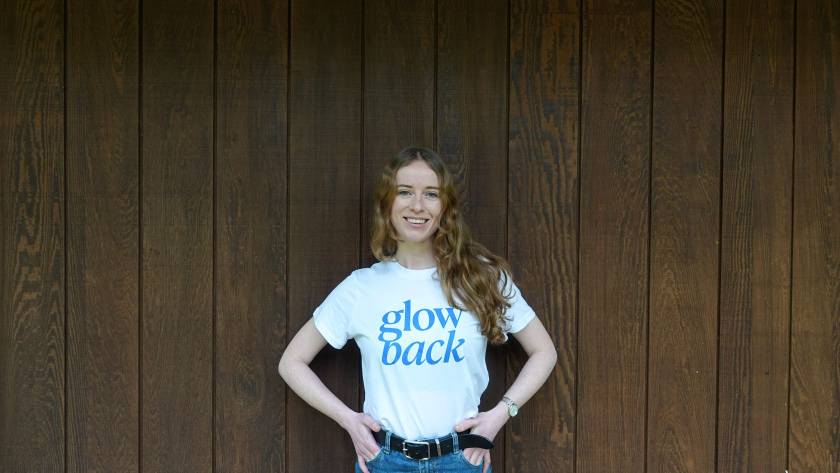
- GlowBack: Automates client retention and rebooking workflows for the beauty and wellness industry.
- Hyperlocalise: Empowers product teams to launch globally in days by automating customer touchpoint localization.
- Orva: Building an agentic operating system for healthcare, with an initial focus on dental surgery environments.
- Quarter: Reimagining body corporate management through software-led support for property owners.
- SecurityBreak: Provides threat intelligence specifically to detect and mitigate attacks against AI systems.
- Sunburnt Space Co: Enables researchers to conduct affordable, high-frequency testing in zero gravity via reusable rockets.
- Tailor: An automation tool that slashes the time required for multi-stakeholder document approvals.
- Veltora: Utilizes predictive analytics to optimize data center operations and prevent critical failures.
Implications for the Ecosystem
The composition of the Winter ’26 cohort is a bellwether for the ANZ startup scene. By focusing heavily on B2B infrastructure and sector-specific AI applications, Startmate is signaling that the era of "easy" consumer-facing apps is yielding to a more rigorous, utility-driven phase of innovation.
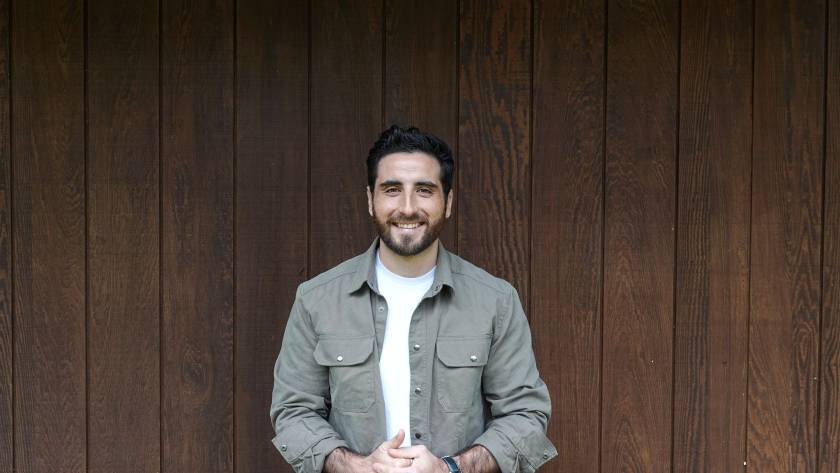
Investors will be watching this cohort closely. With the inclusion of aerospace, cybersecurity, and advanced enterprise automation, the diversity of the group suggests that the local ecosystem is maturing in its ability to support high-technical-risk ventures. If the success of recent alumni like Superstat is any indicator, the next three months could see several of these companies emerge as the next tier of regional tech leaders.
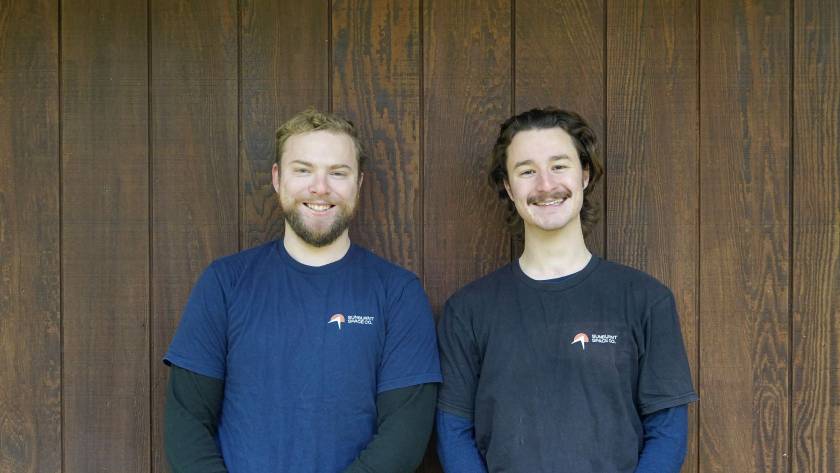
As the 17 founders move from the remote mountains of the border region to the high-stakes environment of the accelerator, the question remains: which of these ideas will scale to become the next essential piece of global infrastructure? The answer will begin to take shape on the Demo Day stage later this year.