
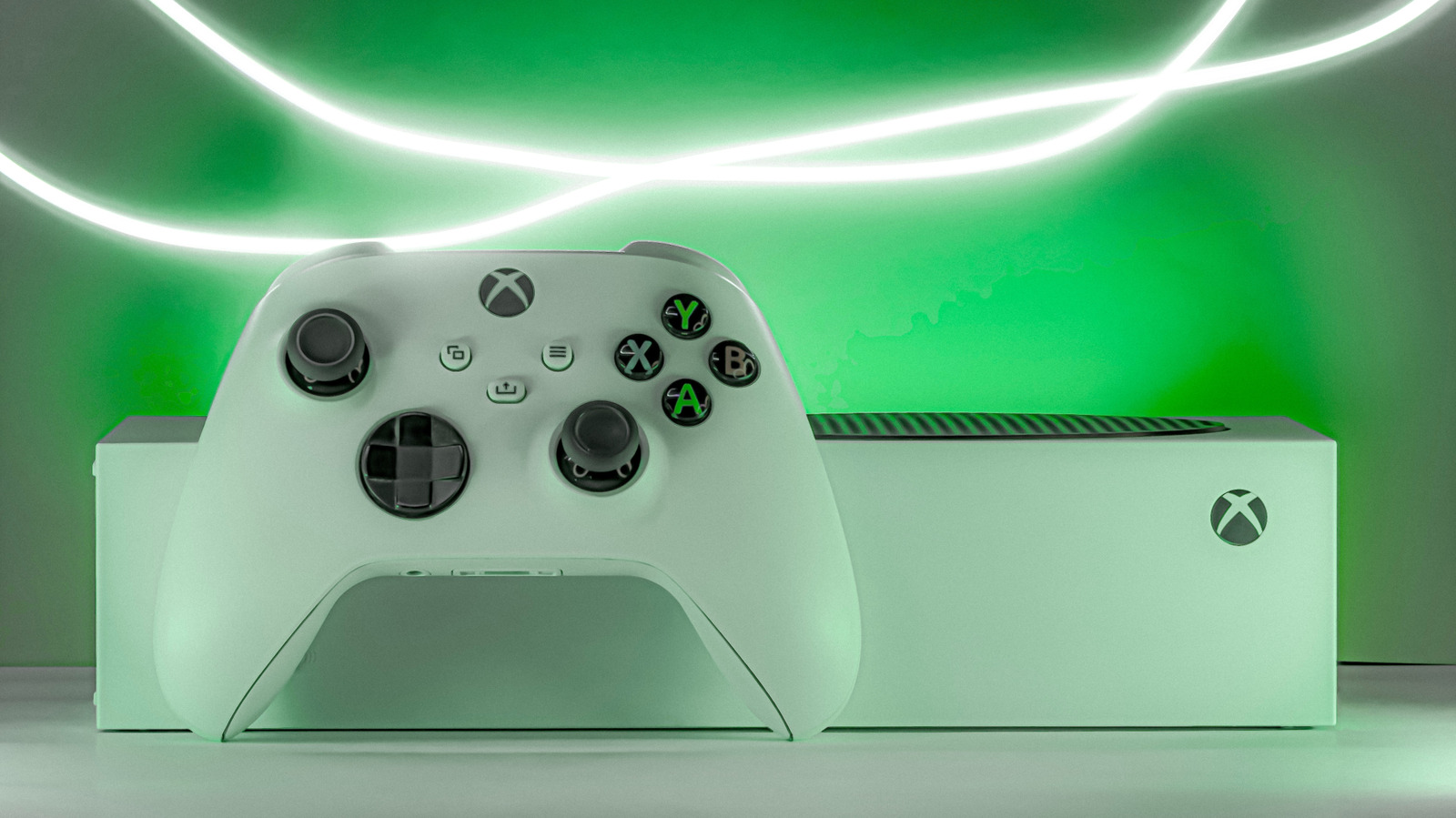
In an era where digital ecosystems increasingly dominate the gaming landscape, the recent Xbox outage has served as a jarring reminder of the fragility inherent in modern console architecture. For nearly an entire day this week, Xbox users across the globe found themselves locked out of their gaming libraries. While service interruptions for online multiplayer are a known, albeit frustrating, reality of the modern era, the disruption went a step further: it rendered physical game discs unplayable for a significant portion of the user base.
The incident has ignited a firestorm of debate regarding the nature of "ownership" in the digital age, forcing Microsoft’s gaming division to confront a technical failure that contradicts their own design philosophy. As Xbox’s leadership scrambles to address the fallout, the incident highlights a growing disconnect between the promise of physical media and the reality of an "always-online" authentication infrastructure.
The Anatomy of the Outage: A Chronology of Failure
The outage began earlier this week, manifesting initially as a standard service disruption. Users attempting to access the Xbox network found themselves greeted by error codes, preventing them from accessing digital storefronts, social features, and multiplayer servers. However, as the hours ticked by, the scale of the failure became apparent.
The Timeline of Disruption
- Initial Detection: Reports began flooding social media platforms and support forums as players across multiple time zones reported total account authentication failures.
- The Escalation: As users attempted to circumvent the digital wall by pivoting to physical media, they encountered unexpected "Entitlement Check" failures. The console, unable to reach the external servers, failed to verify that the disc inserted into the drive was authorized to run.
- The Peak: For nearly 24 hours, the Xbox ecosystem remained largely crippled. The inability to launch single-player titles—even those residing entirely on a physical disc—sparked widespread outrage among the gaming community, who viewed the incident as a breach of the fundamental contract between hardware manufacturer and consumer.
- Restoration: By the following day, services began to stabilize, but the damage to consumer confidence had already been solidified.
Technical Misalignment: The "Entitlement" Problem
At the heart of the controversy lies the "disc-based entitlement check." Under normal operating conditions, a physical game disc serves as both the software repository and the proof of purchase. In theory, once the game is installed, the console should be able to verify the disc’s presence locally, allowing the player to engage with the title regardless of the status of Microsoft’s servers.
However, the recent outage proved that the Xbox architecture is not as "offline-friendly" as previously marketed. Scott Van Vliet, the technology chief at Xbox, provided a candid assessment of why this occurred. According to Van Vliet, the failure was rooted in an external licensing service that acted as a bottleneck for the entire authentication pipeline.
"We’re looking into reports that some players were unable to access games using discs as expected during the service interruption," Van Vliet noted in an interview with The Verge. "Disc-based entitlement checks should not prevent players from accessing their games, and this is by design."
This statement is pivotal. By confirming that the system should have functioned offline, Van Vliet admitted that the current implementation is fundamentally broken. The intended design—where entitlement tokens are cached or saved locally—failed to execute when the central authentication handshake was severed by the external service provider. Consequently, the console defaulted to a "fail-closed" state, effectively bricking the user’s physical library until the connection to the mothership could be re-established.
The Broader Context: A Turbulent Chapter for Xbox
This technical failure arrives at a particularly precarious time for Microsoft’s gaming division. The brand has been navigating a period of unprecedented volatility, characterized by leadership shifts, fiscal restructuring, and mounting public relations challenges.
A Year of Upheaval
The incident follows a tumultuous 2025, a year that many industry analysts have characterized as one of the most difficult in the platform’s history. The company has faced a barrage of negative headlines, including:
- Leadership Transitions: The departure of long-time Xbox head Phil Spencer, a figure who served as the public face and architect of the Xbox brand for over a decade, has left a vacuum in vision and strategy.
- Economic Headwinds: Recent price hikes on hardware and subscription services have alienated a segment of the core fanbase, with many questioning the value proposition of the Xbox ecosystem compared to its competitors.
- The Workforce Crisis: Perhaps most significantly, the company recently confirmed plans to lay off approximately 3,200 employees over the coming year. This massive reduction in staff, occurring alongside the technical failures of this week, has led to internal and external concerns regarding the company’s ability to maintain its massive infrastructure.
These events are not isolated; they paint a picture of a company struggling to balance its legacy as a hardware giant with its shift toward a cloud-first, service-oriented business model. When these systemic pressures collide with a major technical outage, the result is a loss of trust that is difficult to regain.
Implications for the Future of Physical Media
The events of this week have forced a re-evaluation of the role of physical discs in the modern console lifecycle. For decades, the primary appeal of physical media was the guarantee of permanence—the idea that even if a company shuttered its servers, a player could still slot a disc into their machine and play.
The Erosion of "Ownership"
The current Xbox architecture challenges this notion. If a physical disc is contingent upon an online entitlement check, it is essentially a high-capacity "key" for a digital license rather than the game itself. When that license verification process fails, the disc becomes a plastic coaster.
Industry analysts are already warning that this incident will accelerate the push toward a "digital-only" future, but perhaps not in the way Microsoft intended. If physical media is susceptible to the same outages as digital downloads, the convenience of the latter may eventually outweigh the perceived benefits of the former, leading to the slow death of the physical game market.
Regulatory and Consumer Protection Concerns
Furthermore, the outage raises potential regulatory questions. In several jurisdictions, consumer protection laws are beginning to evolve to address the "licensing vs. ownership" debate. If a manufacturer promotes a product as a physical good but maintains the right to disable it via server-side interruptions, does this constitute a "hidden" dependency that should be disclosed at the point of sale?
Path to Resolution: The Impending Update
Despite the frustration, Xbox has committed to a technical solution. Scott Van Vliet confirmed that a fix is currently in development and will be deployed in an upcoming system update. The goal of this patch is to decouple the disc-check process from the external licensing service, ensuring that local authentication remains the primary priority during network outages.
For the millions of Xbox users, this update cannot come soon enough. It represents more than just a software patch; it is an attempt to restore the "offline" promise of physical gaming. However, for a brand currently struggling with the perception of instability, the technical fix is only half the battle. To win back its audience, Xbox will need to demonstrate that it can maintain its infrastructure with a level of reliability that matches the expectations of its loyal user base.
As the industry moves forward, this week’s outage will likely be cited as a case study in the dangers of over-reliance on centralized cloud services. Whether Microsoft can pivot and reclaim its reputation as a player-first organization remains to be seen, but one thing is clear: the modern console is no longer just a machine—it is a node in a vast, interconnected network, and when that network stumbles, the player pays the price.