
In the landscape of modern e-commerce, the relationship between a merchant and their chosen platform is often defined by a delicate balance of convenience and control. However, on June 1, that balance shifted significantly for thousands of BigCommerce users. With a series of sweeping updates to its pricing architecture, plan thresholds, and transaction fee policies, BigCommerce has signaled a fundamental change in how it monetizes its user base—effectively taxing the success of the very businesses that rely on its infrastructure.
For many merchants, these changes were not merely administrative updates; they represented a significant increase in operational costs and a tightening of the proverbial "walled garden." This article explores the implications of these changes, examines the economic trade-offs, and provides a framework for merchants evaluating whether it is time to migrate to a more flexible, open-source environment like WooCommerce.
The Chronology of Change: What Happened on June 1?
The catalyst for the current industry discourse began with a series of aggressive updates announced by BigCommerce. With a 60-day notice period, the platform implemented three primary modifications that have sent ripples through the e-commerce community:
- Renaming and Restructuring Plans: BigCommerce rebranded its tier structure, notably changing the entry-level "Standard" plan to "Core." More importantly, it lowered the Gross Merchandise Value (GMV) thresholds for these plans.
- Lowered GMV Thresholds: The TTM (Trailing Twelve-Month) GMV threshold for the entry-level tier was slashed from $50,000 to $30,000. This shift forces smaller, growing businesses into higher-priced tiers much faster than previously anticipated.
- Introduction of Transaction Fees: Perhaps the most controversial move was the introduction of a penalty—up to 2%—for orders processed outside of the company’s "approved" payment list. This effectively ended the platform’s long-standing marketing claim of "zero transaction fees," which had previously served as a primary differentiator against competitors like Shopify.
Supporting Data: The Economic Impact on Merchants
To understand the weight of these changes, one must look at the math. BigCommerce’s current model is built on the premise that as a merchant grows, so too does their financial obligation to the platform. By lowering thresholds, BigCommerce is effectively accelerating the timeline on which a merchant becomes a "premium" revenue source for the host.

The "Success Tax" Model
The logic applied to larger stores is equally stringent. Once a merchant crosses the $100,000 GMV mark, they are moved to the "Growth" plan, which utilizes an overage model. The "Scale" plan, which replaces the previous "Pro" plan, imposes a continuous 0.9% rate on GMV above $33,333 per month. For businesses operating on thin margins, this represents a significant, unpredictable overhead that fluctuates based on sales performance rather than actual platform usage or resource consumption.
The Hidden Cost of "Non-Preferred" Gateways
The new 2% transaction fee for non-embedded payment providers hits specific market segments hardest. Specialty retailers, B2B wholesalers, and regional businesses that rely on unique, industry-specific payment gateways are now facing a difficult choice: absorb the 2% fee, which can often exceed the cost of the subscription plan itself, or migrate to a more restrictive payment ecosystem.
The Feature Gap: Diminishing Returns
Pricing is only one side of the coin. The restructuring also limited access to essential features. For example, on the new "Core" plan, merchants no longer have access to stored payment methods, and advanced product filtering—a standard requirement for any e-commerce site with a moderate catalog—is now gated behind the more expensive Scale/Pro tiers.
This creates a "feature squeeze." Merchants are not just paying more for the same service; they are paying more for less, effectively forcing them to upgrade to higher tiers not because they need the advanced enterprise tools, but simply to regain the functionality they previously enjoyed at a lower price point.

The Case for Open-Source Sovereignty: Why WooCommerce Differs
As the dust settles from these changes, many merchants are reconsidering the value of a SaaS-only model. WooCommerce, by contrast, operates on a fundamentally different philosophy: there are no revenue thresholds, no arbitrary "success taxes," and no mandates on which payment providers you must use.
Eliminating Revenue-Based Penalties
Because WooCommerce is free and open-source software, there is no corporate entity waiting to move you into a higher-priced tier as your sales increase. While running a successful store will always involve costs—hosting, premium extensions, payment processing, and development—these costs are directly linked to the choices the business owner makes. If you scale your business, your costs increase because you are upgrading your hosting capacity or adding functionality, not because a third-party vendor has decided to claim a percentage of your growth.
Control Over the Infrastructure
One of the most profound differences lies in the control of the technical stack. In a SaaS environment like BigCommerce, performance bottlenecks are often beyond the merchant’s control. During high-traffic events like Black Friday, if the platform’s infrastructure struggles, the merchant is essentially a passenger on a ship they cannot steer.
With WooCommerce, you own the environment. You choose your hosting provider, meaning you can scale your server resources, optimize your database, and implement custom caching strategies tailored specifically to your site’s traffic patterns. When performance is the priority, the ability to control the foundation is an invaluable asset.
Integration Flexibility
BigCommerce’s ecosystem, while robust, is inherently restrictive. If a required integration is missing, or if an existing workflow doesn’t suit your unique business requirements, you are often at the mercy of the platform’s development roadmap.
Conversely, the WordPress ecosystem is built for extensibility. Whether it is a custom B2B inventory management system, a niche subscription billing model, or a proprietary fulfillment tool, WooCommerce allows for direct connections. You aren’t forced to use "middleware" if you have the resources to build a direct API connection. Furthermore, because you own the environment, you own the data. Your customer records, order history, and product data remain within your control, portable and accessible at all times.
Migration: The Strategic Decision
Deciding to migrate from a hosted SaaS platform to an open-source solution is a significant business decision. It is not one to be made impulsively. However, for many merchants, the recent policy changes by BigCommerce have served as a wake-up call regarding the risks of vendor lock-in.
The Migration Roadmap
Migrating is more than just a data transfer; it is an opportunity to re-evaluate your digital strategy.

- Data Audit: Before moving, categorize what needs to transfer. Use tools like the BigCommerce API or dedicated migration services like Cart2Cart to export product, customer, and order data.
- The Rebuild: Acknowledge that a direct design clone is rarely the best path. Use the migration as an opportunity to implement a modern WordPress theme and select WooCommerce extensions that better serve your current business goals.
- SEO Preservation: The most critical technical step is preserving your search engine rankings. Ensure that all existing URLs are mapped correctly. Use 301 redirects for any URL structures that must change to ensure that you do not lose the organic traffic you have spent years building.
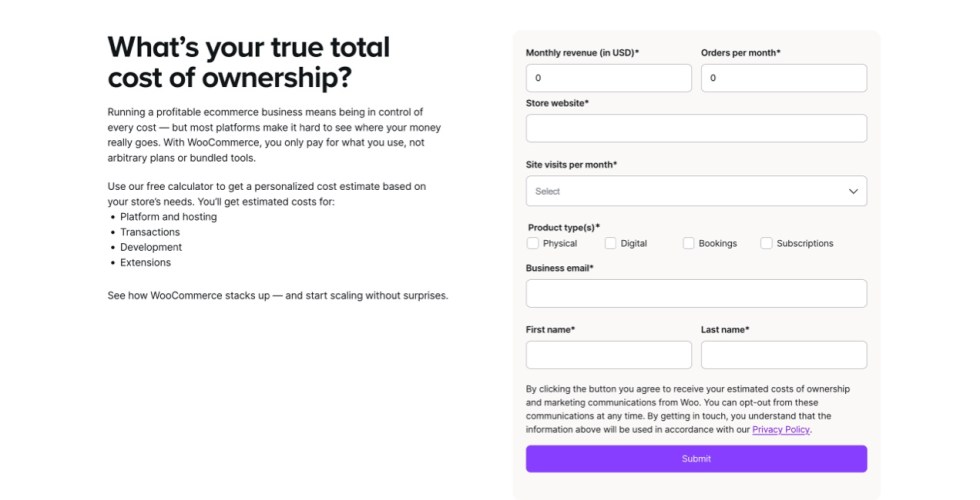
- TCO Calculation: Use tools like the WooCommerce TCO (Total Cost of Ownership) Calculator to perform an honest comparison. Factor in not just the monthly plan fee, but the transaction fees, the cost of extensions, and the potential for long-term scalability.
Conclusion: Defining Your Business Future
The shift in BigCommerce’s pricing structure is a reminder that in the e-commerce world, you are either a customer or a product. When a platform changes its rules to "tax your success," it is essentially asserting ownership over your growth.
For the small-to-medium business owner, the appeal of a "turnkey" solution is undeniable. But when the cost of that convenience includes the loss of control over your payments, your features, and your revenue, the price may be too high. By building on an open-source foundation, you reclaim your autonomy. You decide which tools are necessary, you choose your partners, and you ensure that your costs are aligned with your business needs—not the arbitrary mandates of a platform provider.
If your business has outgrown the restrictions of a walled garden, the path to WooCommerce is open. It is a path toward greater technical control, lower long-term costs, and a future where your growth belongs entirely to you. Whether you are currently facing the sting of the new BigCommerce fee structure or simply planning for a more scalable future, the move to an open ecosystem is more than a technical upgrade—it is a strategic investment in the longevity and sovereignty of your brand.