The geopolitical landscape underwent a seismic shift this week as the ongoing conflict between the United States and Iran entered a volatile new phase. As the Strait of Hormuz remains effectively shuttered—sending global crude oil prices surging—the theater of war has expanded from naval skirmishes to the systematic targeting of vital civilian infrastructure. Simultaneously, major political transitions in the United Kingdom and heated rhetoric regarding electoral integrity in Washington have added layers of complexity to an already turbulent global order.
I. Escalating Hostilities: The Shift to Infrastructure Warfare
The conflict between the United States and Iran has breached a dangerous threshold. On Friday, Iranian officials leveled severe accusations against U.S. forces, claiming that recent military salvos have deliberately targeted civilian infrastructure. This shift marks a drastic departure from previous engagement parameters and has drawn sharp warnings from international legal experts regarding the potential for war crimes.
The Human and Economic Toll
According to reports from Iranian state media, U.S. strikes on Friday resulted in the destruction of at least five critical highway and railway bridges. The human cost is mounting; at least eight individuals were killed, with roughly 20 others suffering injuries. These casualties contribute to a grim total since the conflict reignited last week: approximately 38 deaths and over 400 injuries.
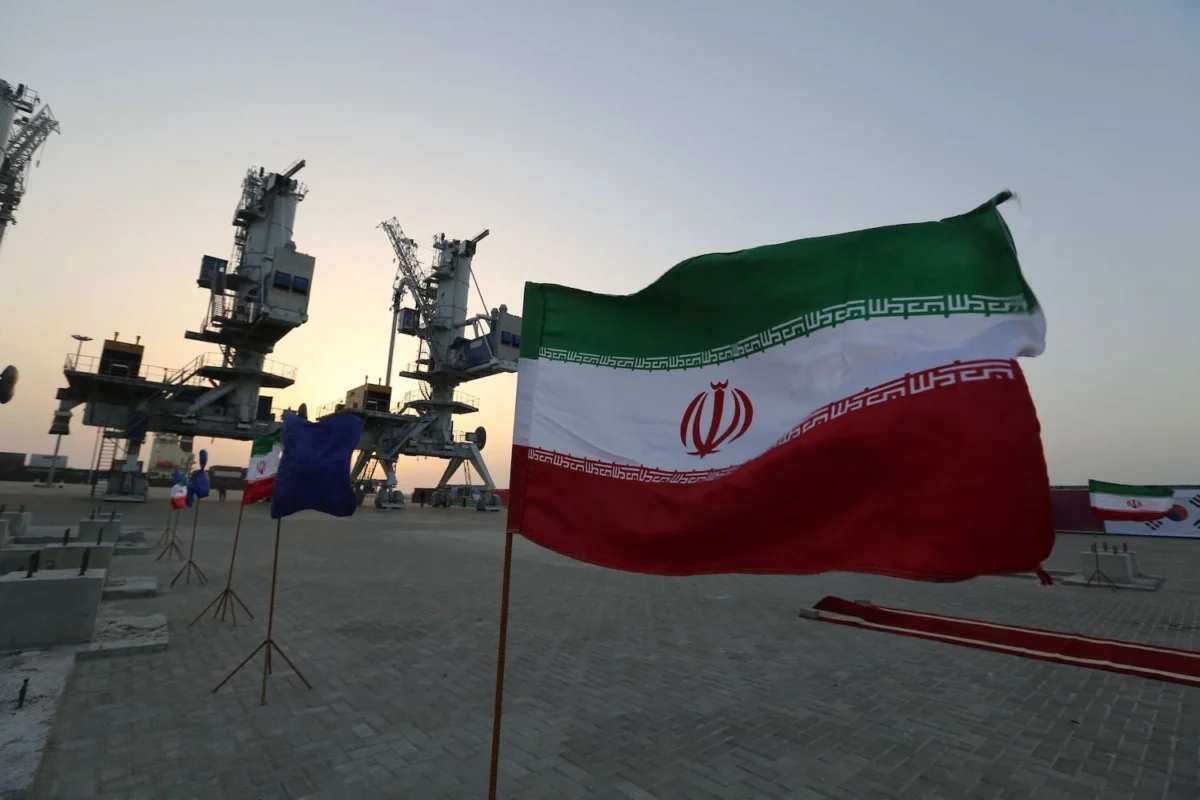
The strategic intent behind these strikes appears to be the isolation of the major port of Bandar Khamir, effectively severing its connection to inland supply routes leading toward Tehran. Furthermore, the U.S. military confirmed the destruction of a train station in Bandar Khamir, an airport in Iranshahr, and a surveillance tower at the Chabahar port. U.S. Central Command justified the latter, stating on X that the tower’s destruction “directly degrades the IRGC’s ability to coordinate attacks on innocent civilian crew members.”
The Widening Scope of Iranian Retaliation
Tehran’s response was swift and geographically broad. In a significant escalation, Iran launched a series of attacks against U.S. interests across the Persian Gulf. Tehran claims to have struck U.S. bases in Bahrain, Kuwait, and Qatar, alongside a radar installation in Oman. Perhaps most notably, Iran fired upon a U.S. special forces base in al-Tanf, Syria—the first such strike in this theater. While no casualties were reported, the move signals that Iran is willing to challenge U.S. presence far beyond the immediate Persian Gulf.
The most concerning development, however, was the damage inflicted on a Kuwaiti power generation and water desalination plant. The strike caused a massive fire, disrupting power units and threatening the water supply of a nation that relies on desalination for 90 percent of its drinking water. The Kuwaiti Foreign Ministry labeled the act "heinous Iranian aggression" and a "grave breach of international law."
II. Chronology of a Crisis: The Path to the Current Impasse
The current escalation did not occur in a vacuum. To understand the volatility of the present, one must look at the rapid-fire events of the last several days:
- Last Week: Hostilities between U.S. and Iranian forces reignited, leading to a steady climb in casualty figures.
- Thursday: U.S. President Donald Trump, in a defiant public address, stated that the U.S. is "winning big in Iran" and promised that the results of the campaign would be visible shortly.
- Friday Morning: U.S. forces expanded their campaign, hitting bridge and rail infrastructure.
- Friday Afternoon: The Iranian Energy Ministry acknowledged for the first time that U.S. strikes were impacting power infrastructure, urging civilians in southern provinces—currently suffering under extreme heat—to conserve energy.
- Friday Evening: Iran launched retaliatory strikes on infrastructure in neighboring Kuwait, significantly raising the stakes for potential U.S. intervention or a return to ceasefire negotiations.
III. Supporting Data and Market Reactions
The economic ramifications of the conflict are becoming impossible to ignore. Global markets reacted sharply to the news of the damaged desalination plant and the continued closure of the Strait of Hormuz. Brent crude prices surged above $86 a barrel on Friday. This upward pressure on oil prices threatens to exacerbate inflationary trends, creating a secondary economic crisis for nations already struggling with the supply chain disruptions caused by the war.
The logistical impact is equally severe. With major ports like Bandar Khamir isolated and critical transport bridges in ruins, the domestic movement of goods within Iran is grinding to a halt. The Iranian government’s admission that its power grid is failing under the strain of U.S. strikes provides a rare glimpse into the internal pressure Tehran is facing, though the government remains defiant in its public messaging.
IV. Official Responses and Legal Scrutiny
The rhetoric from the White House remains steadfast. President Trump’s administration frames the current destruction as a necessary component of a broader, successful strategy. However, the decision to strike dual-use infrastructure—such as power plants and bridges—has triggered intense debate among international legal scholars. Under the Geneva Conventions, the targeting of civilian infrastructure that is not providing a direct military advantage is strictly prohibited.
In contrast, the international community, led by the condemnation from Kuwait, is beginning to signal its alarm. The "grave breach" mentioned by Kuwaiti officials echoes the growing sentiment that the conflict is spiraling toward a humanitarian disaster that could necessitate the intervention of international peacekeeping or mediating bodies.
V. Implications: A Shifting Political Landscape
The crisis in the Gulf is occurring against the backdrop of significant domestic political shifts that could alter the trajectory of global diplomacy.
The United Kingdom’s New Direction
In Britain, the Labour Party has voted to appoint Andy Burnham, the former mayor of Greater Manchester, as its new leader. This transition follows the departure of Prime Minister Keir Starmer and marks a period of deep introspection for the party. Burnham is expected to be invited by King Charles III to form a government on Monday, making him the seventh premier since 2016.
Burnham enters a Downing Street plagued by the shadow of the Peter Mandelson scandal and the rising popularity of the far-right Reform UK party. With polling showing both Labour and Conservatives trailing Reform UK by five points, Burnham’s agenda is ambitious. He has promised to lead "the most significant change moment in our politics for 40 years," focusing on reindustrialization, the deprivatization of utilities, and a massive housing construction initiative.
The U.S.-China Election Integrity Dispute
Meanwhile, in Washington, the Trump administration’s focus has been diverted toward allegations of foreign interference. On Friday, China issued a stern denial of interfering in the 2020 U.S. presidential election, dismissing the White House’s claims as "entirely fabricated."
While President Trump continues to push the narrative of electoral meddling, intelligence assessments from his own administration—conducted under current CIA Director John Ratcliffe—previously concluded that while China gathered voter data, there was no evidence of any foreign actor altering the technical aspects of the vote. Political analysts suggest the President’s focus on this issue is a strategic maneuver to inject doubt into the upcoming midterm elections, as his administration faces record-low approval ratings and a public increasingly weary of the escalating war with Iran.
The Future of the Japanese Monarchy
In the Far East, the Japanese parliament has passed controversial legislation regarding the imperial succession. The new law solidifies the paternal-lineage requirement for the throne, effectively barring women from becoming empress. While proponents like Prime Minister Sanae Takaichi argue this is essential for maintaining the "legitimacy" of the monarchy, critics and scholars like Chizuko Ueno argue the policy is archaic. By mandating the adoption of distant male relatives to ensure the bloodline continues, the law has sparked a national conversation about the role of women and the modernization of Japan’s oldest institution.
VI. Conclusion: A World in Flux
As we look toward the coming weeks, the confluence of the U.S.-Iran conflict, the transition of power in London, and the debates surrounding electoral and monarchical legitimacy paint a picture of a world in a state of high tension. The "stalled" nature of the Strait of Hormuz is not merely a military issue; it is a signal that the global status quo is undergoing a painful, potentially dangerous recalibration. Whether through diplomatic intervention or further escalation, the events of this week have ensured that the path forward remains anything but certain.