
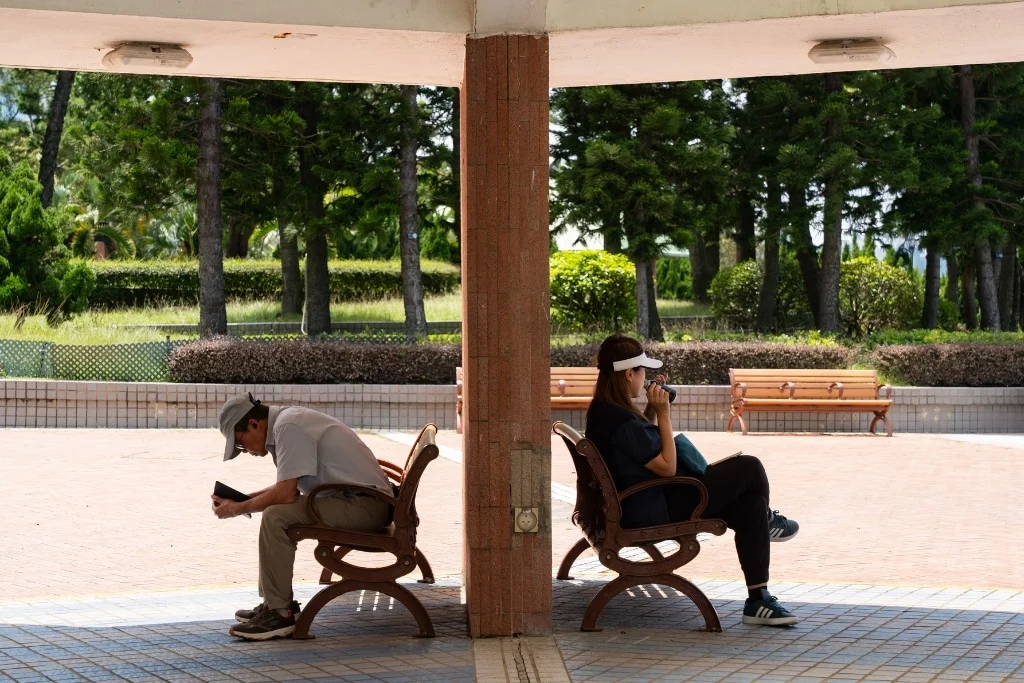
As climate change accelerates, Hong Kong is transforming into a pressure cooker. While the city’s skyline is defined by glass and steel, its summer months are increasingly defined by record-breaking temperatures and humidity levels that trap heat within the urban canopy. Yet, as the mercury climbs, a critical demographic is being left in the dark: pregnant women. Despite robust clinical evidence linking ambient heat to severe reproductive health complications, the medical system in Hong Kong remains largely silent on the issue, leaving expectant mothers to navigate an invisible, life-altering threat without warning or support.
The Invisible Threat: A Clinical Reality
For the average expectant mother in Hong Kong, the primary prenatal concerns discussed in clinics are nutrition, exercise, and standard health screenings. However, the rapidly changing climate is adding a new, lethal variable to the equation. Medical research has established a clear, alarming correlation between high temperatures and adverse pregnancy outcomes.
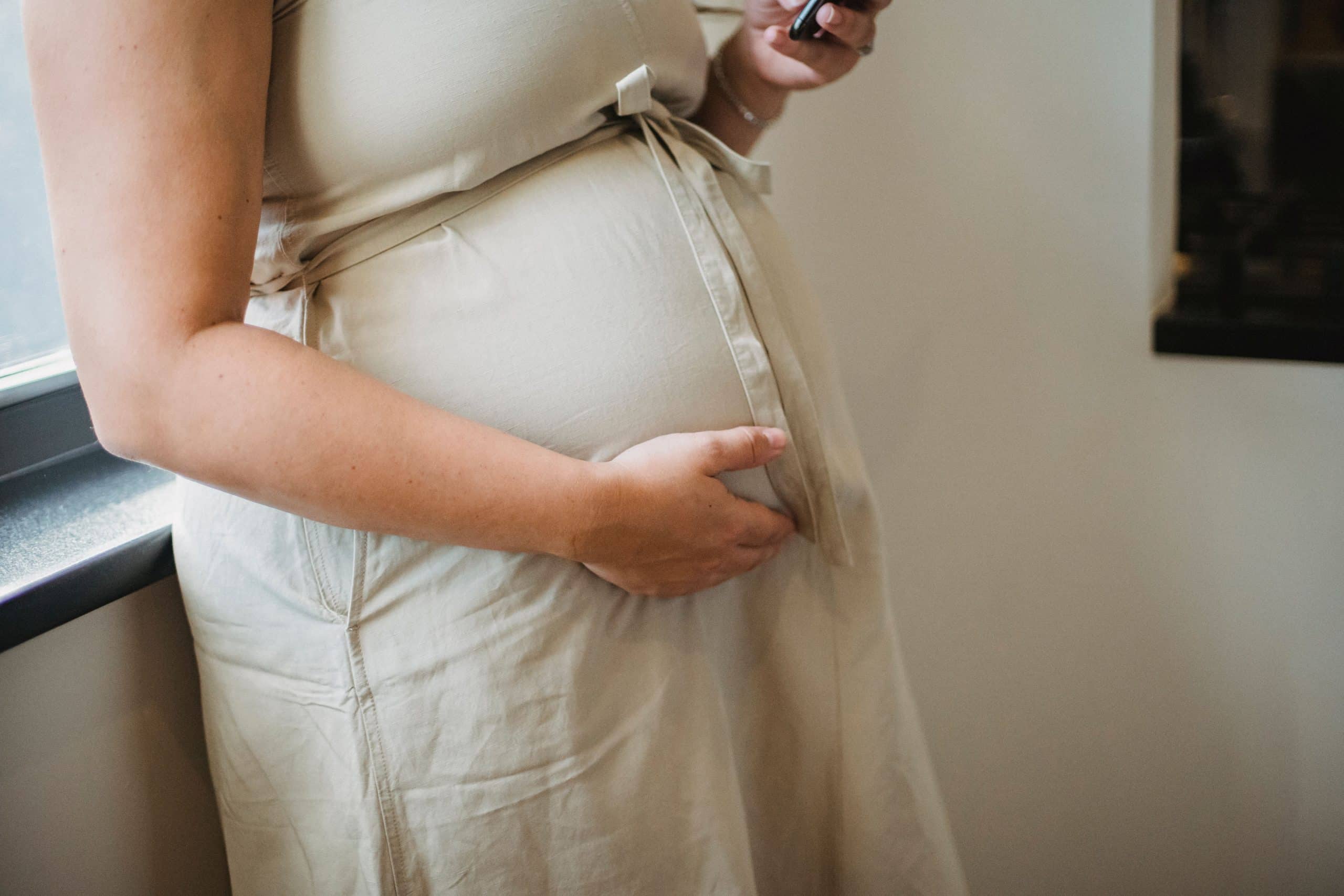
A landmark 2020 meta-analysis, which reviewed 70 individual studies, found that the odds of preterm birth increase by as much as 16% during sustained heatwaves. The physiological burden of heat stress on a pregnant body is immense. As the body struggles to regulate its core temperature, blood flow is diverted toward the skin to facilitate cooling, potentially depriving the placenta of the oxygen and nutrients necessary for fetal development.
The consequences of this physiological strain are not limited to premature delivery. Peer-reviewed literature increasingly links prenatal heat exposure to a spectrum of complications, including miscarriage, low birth weight, birth defects, stillbirth, pre-eclampsia, and gestational hypertension. Despite these findings, the message is failing to reach the bedside. In a survey of 29 pregnant and recently pregnant women in Hong Kong, only three reported receiving any warning from their healthcare providers about the risks of heat—and even then, the advice was confined to basic suggestions like “drink more water.”
The Experience of Vulnerability
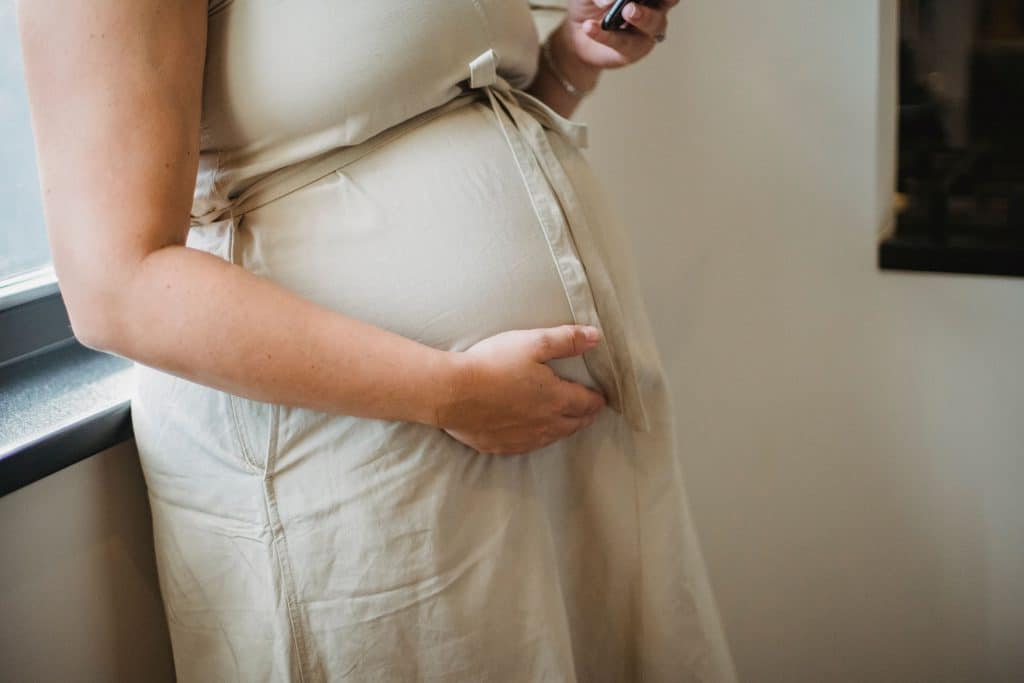
The story of Siti, a 37-year-old former domestic worker currently navigating her pregnancy in a sixth-floor walk-up apartment in the densely populated district of Sham Shui Po, serves as a poignant case study. For Siti, the summer is a constant battle for survival. With no air conditioning in her small, rented room and the physical challenge of navigating stairs in the sweltering heat, she relies on multiple cold showers a day to keep her body temperature down.
Siti’s experience is far from unique. Nearly half of the women surveyed were unaware that environmental heat posed a specific, elevated risk to their pregnancy. Among the respondents, 26 reported that the summer heat had significantly impacted their physical wellbeing, with symptoms ranging from hyperventilation and extreme fatigue to repeated fainting spells and swollen limbs. For these women, the lack of institutional guidance is not merely an oversight; it is a failure of care that compounds the existing stresses of pregnancy.
A Chronology of Neglect
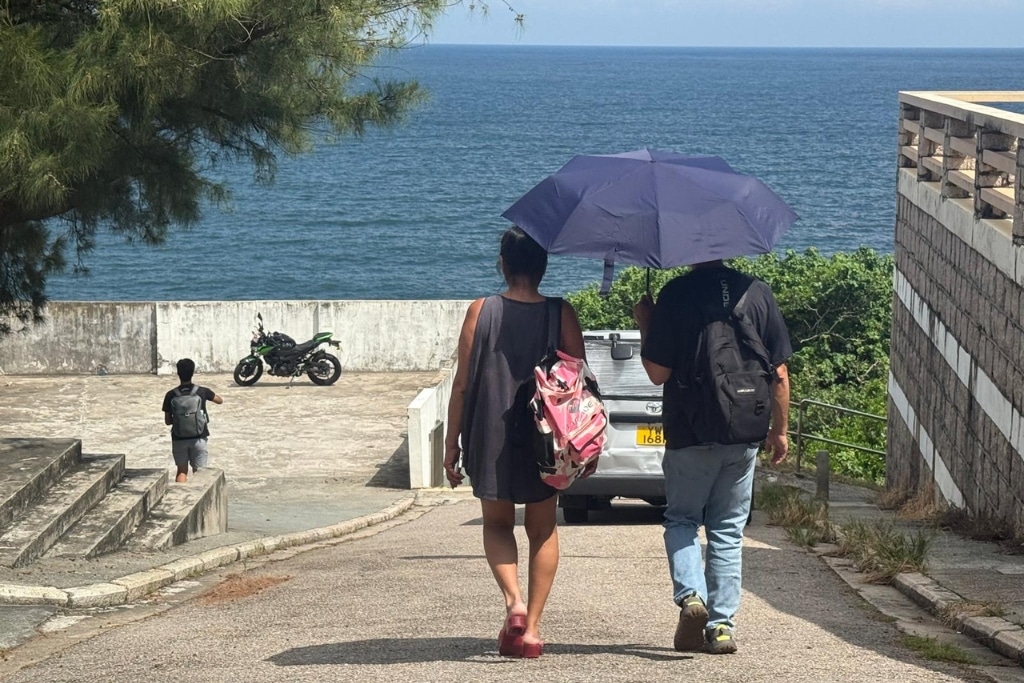
The disconnect between climate science and public health policy in Hong Kong has become increasingly pronounced over the last decade.
- 100 Years of Warming: Over the past century, the number of “very hot days” in Hong Kong has increased sixfold, while hot nights have jumped 35-fold.
- 2020-2023: As global temperatures hit record highs, international medical bodies began identifying heat as a specific risk factor for maternal health. During this period, however, Hong Kong’s prenatal guidelines remained largely static, focusing on traditional health metrics.
- 2025: With approximately 31,000 births recorded, the city faced one of its most oppressive summers. Still, prenatal materials provided by the government remained silent on heat-related risks.
- 2026: Public health experts and NGOs began raising the alarm, noting that while the government acknowledges “vulnerable groups” in broad heat alerts, there is no targeted intervention for those carrying children.
Supporting Data and the "Missing Population"
Professor David Bishai of the University of Hong Kong’s School of Public Health describes pregnant women as a “missing population” in the city’s climate adaptation strategy. In a humid, subtropical climate like Hong Kong’s, the threshold for danger is relatively low. Research indicates that the risk of preterm birth begins to climb once ambient temperatures exceed 25°C, with the danger escalating rapidly during periods of extreme heat.
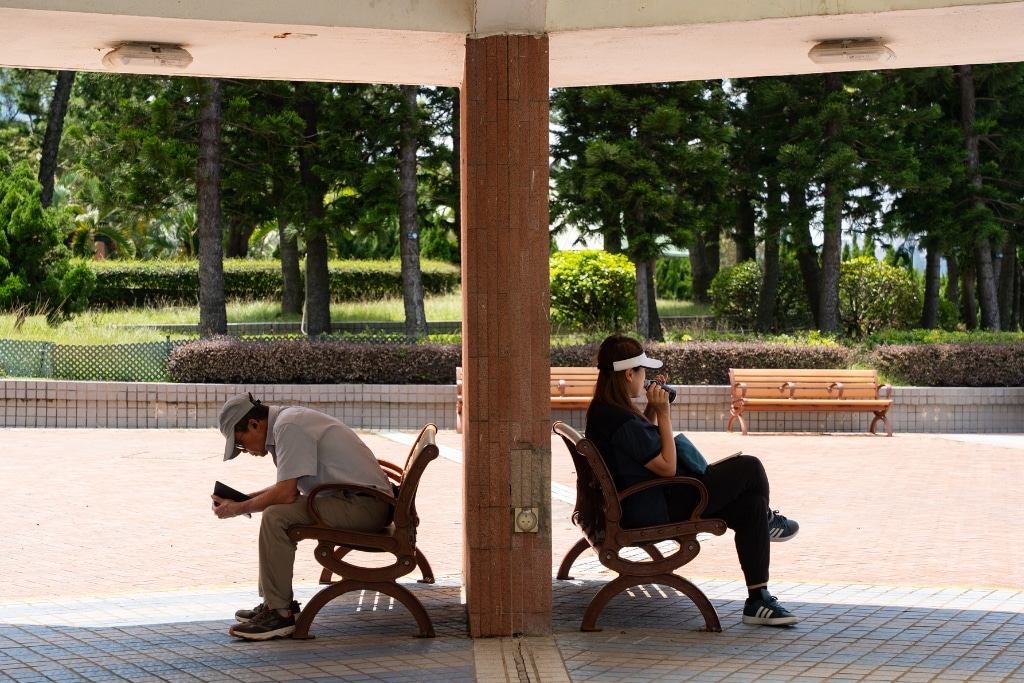
The economic and social dimensions of this issue are equally stark. Those with the least agency—migrant domestic workers, asylum seekers, and low-income families—are the most exposed. For migrant domestic workers, the situation is legally complex. The Labour Department has confirmed that these workers do not fall under the city’s occupational safety and health ordinance, meaning they have no formal protections against working in extreme heat. Many are required to live in their employers’ homes, where access to air conditioning is often restricted, leaving them with no sanctuary from the heat.
Official Responses: A Fragmented System
When questioned about the lack of specific heat-related prenatal guidance, the Hong Kong Department of Health stated that it issues general alerts to vulnerable groups via media and social channels. However, the department did not provide a comment on whether it plans to integrate the specific clinical evidence linking heat to preterm birth and stillbirth into its official prenatal protocols.
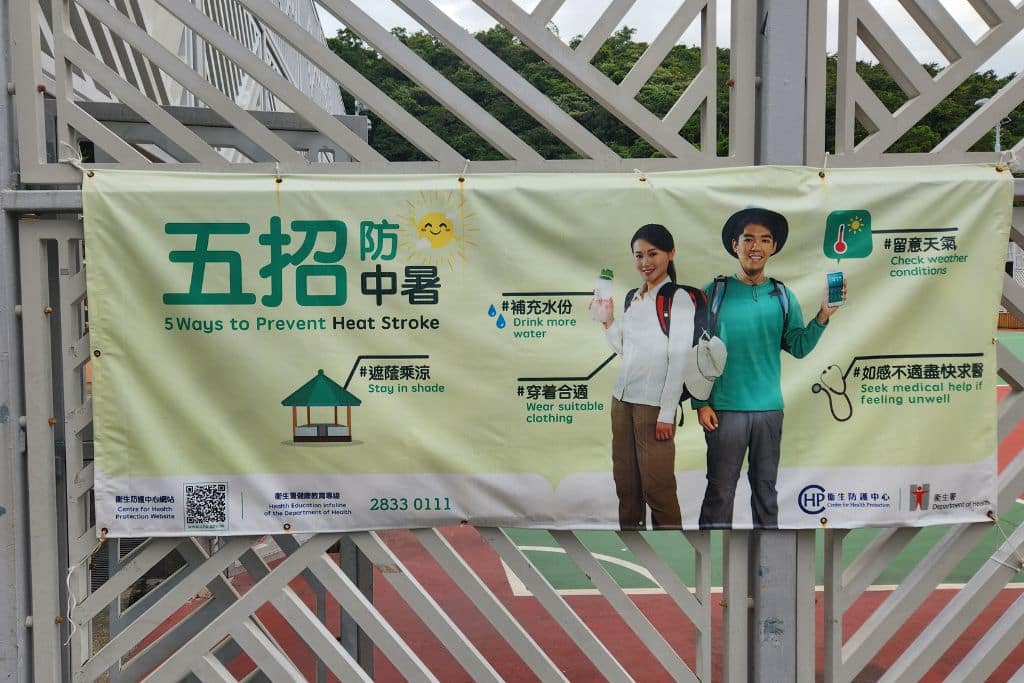
The Hospital Authority, which manages the majority of births in the city, offered no local data on the matter and failed to address whether it is currently tracking pregnancy complications specifically linked to heatwave warnings. Similarly, other key bodies, including the Centre for Health Protection and the Hong Kong College of Family Physicians, have remained largely silent on the request for targeted, heat-specific prenatal care guidelines.
The Path Forward: What Needs to Change?
The international community is beginning to treat maternal heat risk as a public health emergency. In the United States, the American College of Obstetricians and Gynecologists recently released a landmark statement mandating that obstetricians identify environmental risks during pre-pregnancy counseling. Meanwhile, countries like India have launched targeted campaigns, and researchers in nations ranging from Sweden to South Africa are developing "MotherHeat" alert apps.
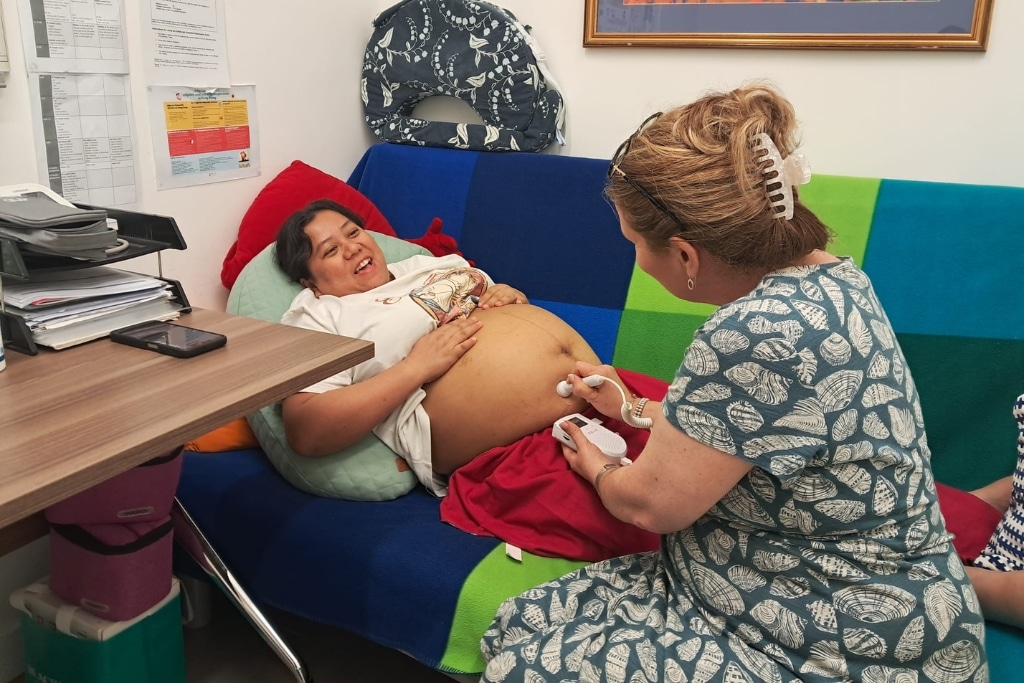
Experts argue that Hong Kong’s response must move beyond generic brochures and into systemic policy changes:
- Clinical Integration: Heat-risk assessments must become a standard part of every antenatal check-up. Doctors should actively discuss cooling strategies, the dangers of temperature fluctuations, and early warning signs of heat stress.
- Legislative Protection: As suggested by Professor Wing-Hung Tam, voluntary guidelines are insufficient. There is a pressing need for legal protections that allow pregnant workers—particularly those in construction or domestic service—the right to refuse heat-exposed duties without fear of termination.
- Community-Level Education: The message must permeate beyond the clinic. Parenting websites, social media influencers, and community centers should be utilized to spread awareness about the risks of heat to both the mother and the fetus.
- Targeted Infrastructure: Providing "cooling subsidies" or access to public cooling centers for low-income pregnant women could bridge the gap for those who cannot afford to run air conditioning.
Implications for the Future
The climate crisis is not a distant, abstract threat; it is a lived reality that is fundamentally altering the conditions of human reproduction. If Hong Kong continues to treat heat as a general discomfort rather than a specific medical risk for the pregnant population, it risks a silent increase in preventable complications.
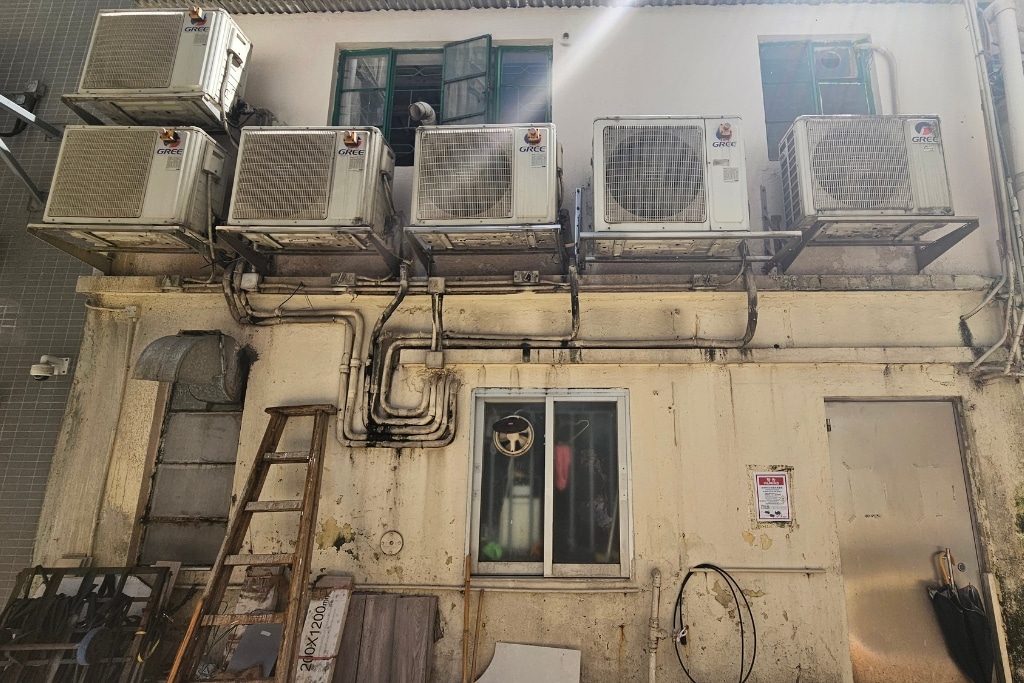
As Siti rests a hand on her belly, her plea is simple: she wants the medical professionals she trusts to provide her with the information necessary to protect her child. "The mother must be strong," she says. But in a warming world, strength alone is not enough. Without institutional support, clear policy, and the integration of climate science into prenatal care, the most vulnerable mothers in Hong Kong will continue to bear the heaviest burden of the city’s rising temperatures. The time for silence has passed; the time for systemic, evidence-based protection has arrived.