The digital landscape is defined by constant flux, and few entities exemplify this pace better than Meta. Over the past three years, the parent company of Facebook and Instagram has systematically overhauled its advertising infrastructure, introduced new monetization tools for creators, and grappled with the complexities of user privacy and data security.
For marketers, business owners, and digital strategists, keeping pace with these changes is not merely an exercise in curiosity—it is a business imperative. From the seismic shifts brought on by Apple’s iOS 14 privacy updates to the strategic pivot toward short-form video via Reels, this report chronicles the key updates that have shaped the Meta ecosystem from 2020 through early 2023.
The Strategic Shift: Core Pillars of Meta’s Recent Development
Meta’s development trajectory over the last three years can be distilled into four primary strategic pillars:
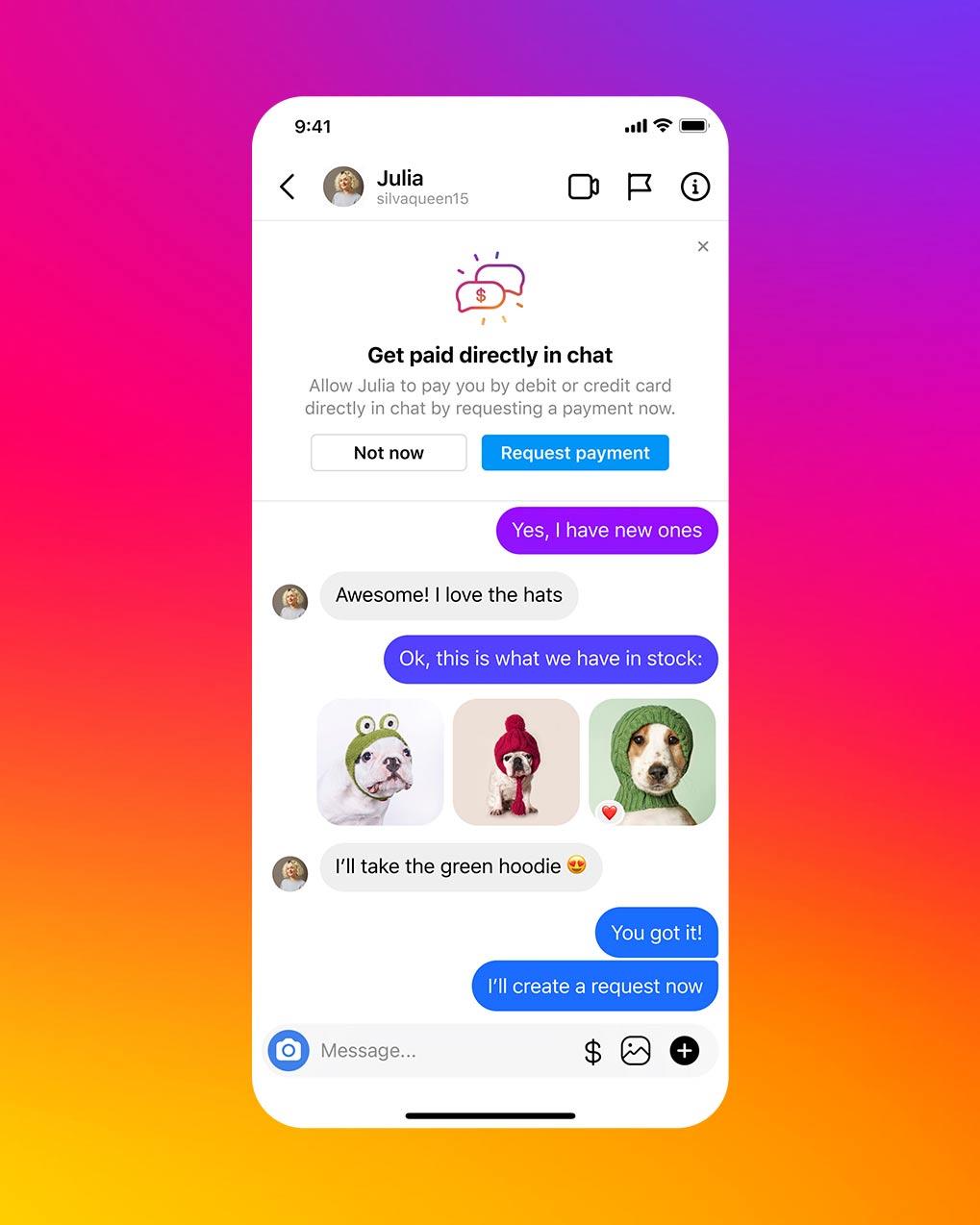
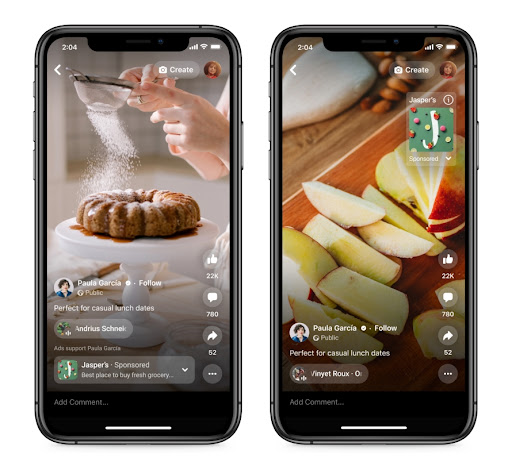
- The "Reels" Pivot: A direct response to the rise of TikTok, prioritizing short-form, algorithmic video content to capture younger demographics.
- Automation and AI: The transition from manual, interest-based targeting to machine-learning-led solutions, most notably the "Advantage+" suite.
- Privacy-First Advertising: Adapting to external pressures, such as Apple’s AppTracking Transparency (ATT), by moving toward modeled data and first-party relationships.
- Monetization & Community: Providing creators with robust tools—like Subscriptions and Badges—to ensure the platform remains a viable career path for content producers.
A Chronology of Key Platform Updates
2020: The Foundation of Change
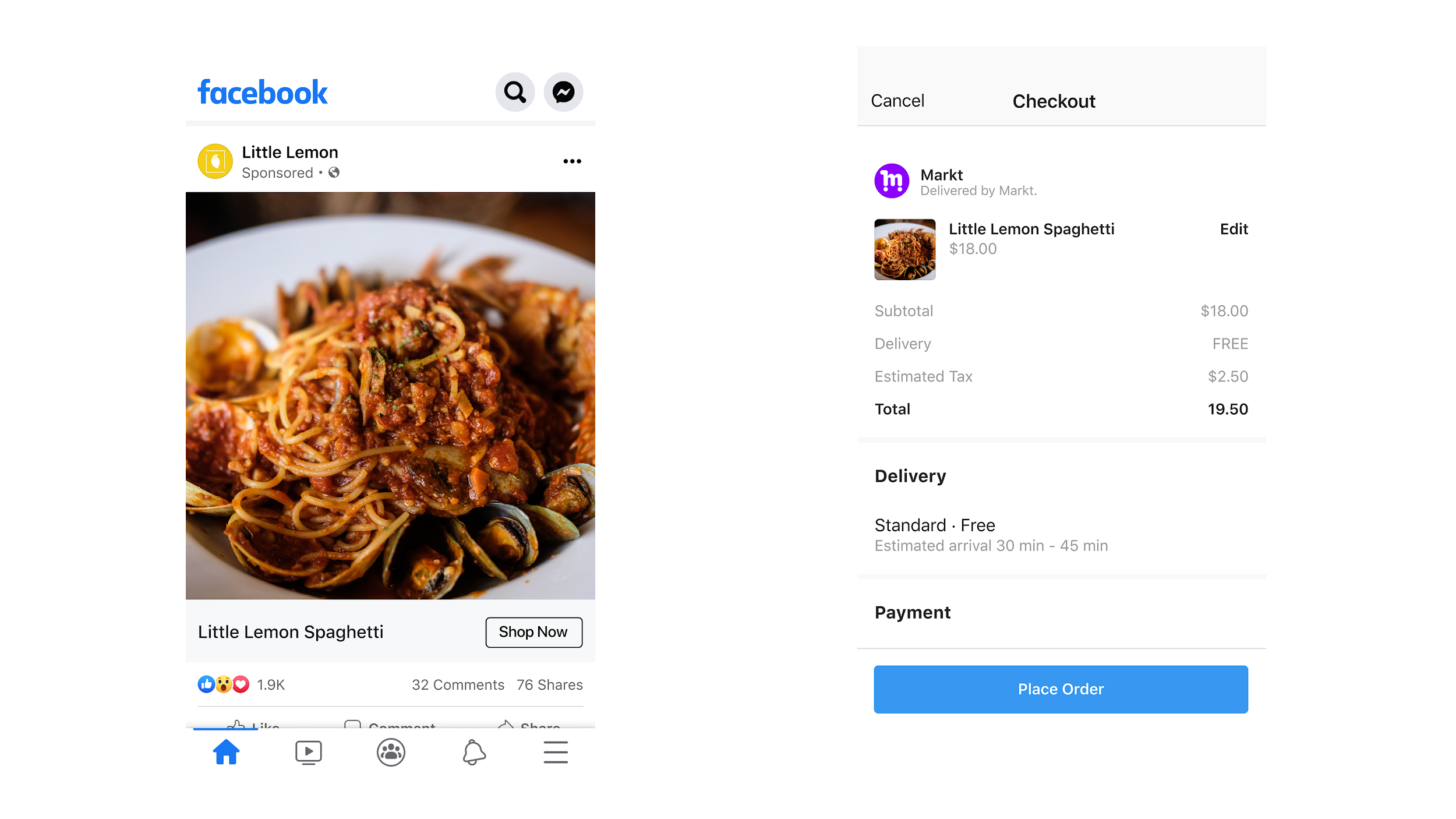
The year 2020 was characterized by rapid adjustments to the global crisis. Meta focused on supporting small businesses through the "Support Small Business" initiative and the launch of Facebook Shops, a critical move to keep commerce on-platform. The introduction of "Paid Online Events" provided a vital lifeline for creators during lockdown, while the release of the "Business Suite" unified the management of Facebook and Instagram for the first time.
2021: The Privacy Reckoning
The year 2021 was dominated by the rollout of Apple’s iOS 14.5 update. This was arguably the most disruptive event in the history of Facebook advertising. Advertisers saw their ability to track user behavior across apps and websites significantly curtailed. In response, Meta introduced the "Limited Data Use" feature for CCPA compliance and began aggressive testing of new, privacy-safe API integrations to maintain ad efficacy.
2022: The "Advantage+" Era
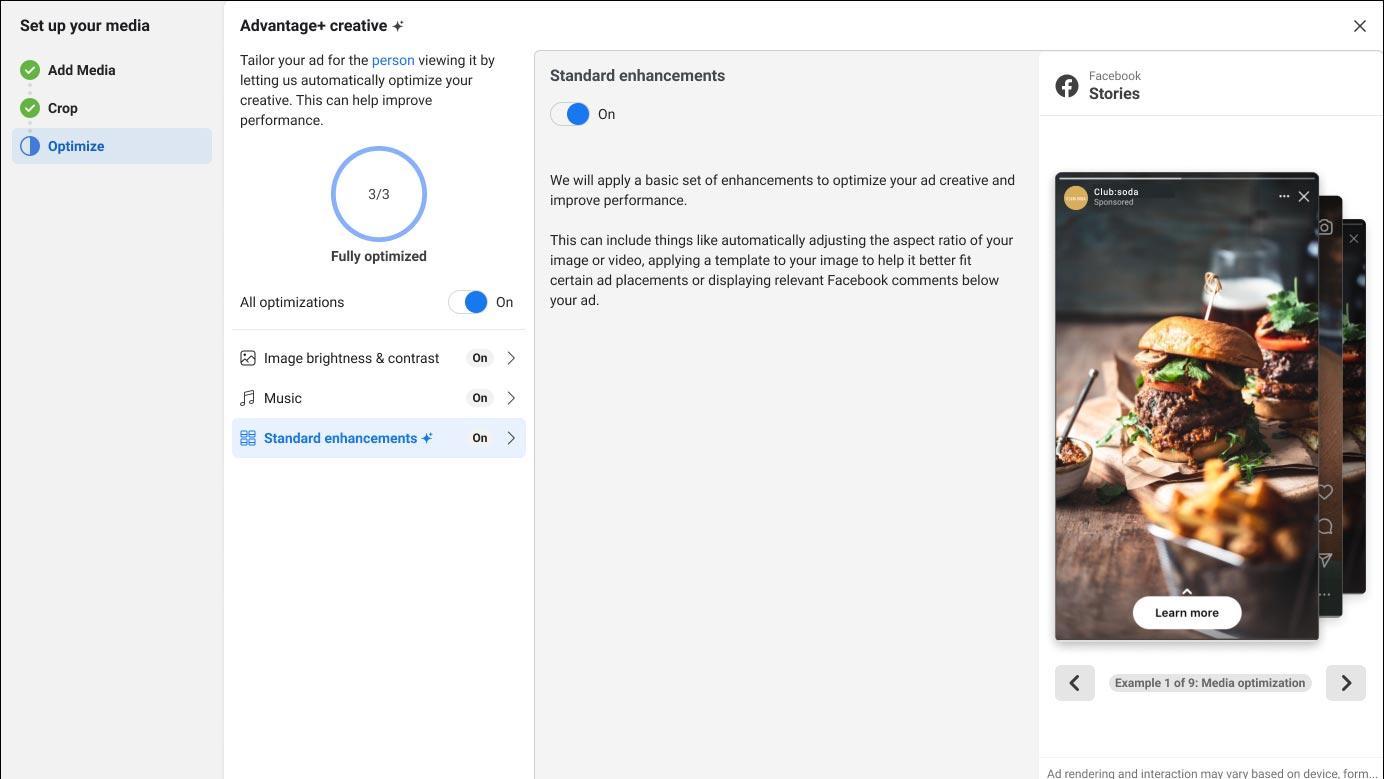
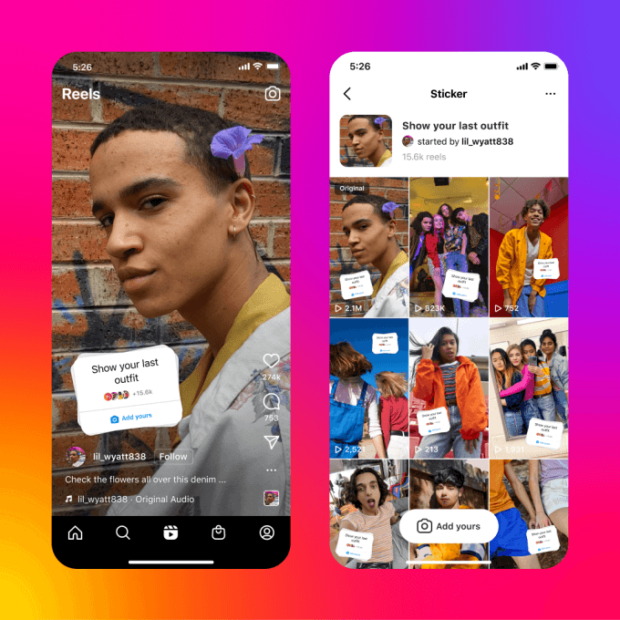
By 2022, Meta had fully committed to the power of Artificial Intelligence. The "Advantage+" ad suite replaced many legacy manual targeting options, leaning into machine learning to find audiences. Simultaneously, Meta aggressively expanded Reels, mandating that all video posts under 15 minutes be shared as Reels, fundamentally changing the platform’s content discovery mechanism.
2023: The New Normal
Heading into 2023, Meta’s focus shifted toward efficiency and streamlining the advertiser experience. With the accreditation of their brand safety controls by the Media Rating Council (MRC) and a continued, multi-billion dollar investment into the Metaverse, the company sought to stabilize its advertising product while betting on a long-term future in virtual and augmented reality.

Data-Driven Performance: The Impact of Automation
The shift to automated ad products has been both a blessing and a burden. Data from Meta’s internal testing of Advantage+ Shopping campaigns has shown significant promise. In a series of A/B tests conducted in late 2022, Meta reported that these automation-heavy campaigns achieved a 12% lower cost-per-purchase conversion compared to standard, manually-optimized ads.

This move toward "black-box" optimization suggests that the platform’s algorithm now understands user intent better than human manual targeting. However, this shift has also reduced the granular control advertisers previously enjoyed, forcing a reliance on the platform’s own reporting metrics rather than third-party tracking.
Official Responses and Policy Shifts
Meta has consistently positioned its updates as a balance between user privacy and business efficacy. In official blog posts and announcements, leadership—including Mark Zuckerberg—has emphasized that while privacy changes like those from Apple have hit small business revenue, the long-term solution is to build "privacy-enhancing technologies."

Regarding political and social issue advertising, Meta has spent the last three years tightening its verification processes. By requiring a "Paid for by" disclaimer and limiting targeting for social issues, Meta has attempted to mitigate its role in spreading misinformation, particularly surrounding elections and public health. Their partnership with Reuters for fact-checking and the removal of "coordinated inauthentic behavior" networks are indicative of a company attempting to scrub its reputation while maintaining its status as the world’s town square.
Implications for the Modern Advertiser
1. The Death of Manual Targeting
If there is one overarching implication, it is that manual interest-based targeting is declining in effectiveness. The algorithms now thrive on broad audiences, allowing the machine to identify the most relevant users. Advertisers who cling to hyper-segmented audience sets are increasingly finding themselves at a disadvantage.
2. The Rise of "Creative as Targeting"
Because targeting has become broader, the creative itself has become the primary filter for audiences. If your ad speaks to a specific pain point, the algorithm will find the people who resonate with that content. As Meta’s internal data shows, the platform now optimizes for the creative that is most likely to drive a conversion, rather than just the demographic it is shown to.
3. Community is the New Retention
With the massive push for Facebook Groups and "Community Manager" certifications, it is clear that Meta wants businesses to build tribes, not just followers. Groups offer a space for high-intent, high-engagement interactions that aren’t subject to the same newsfeed volatility as public Page posts. Investing in a community is now a hedge against the unpredictability of the main newsfeed algorithm.
4. Direct-to-Chat Commerce
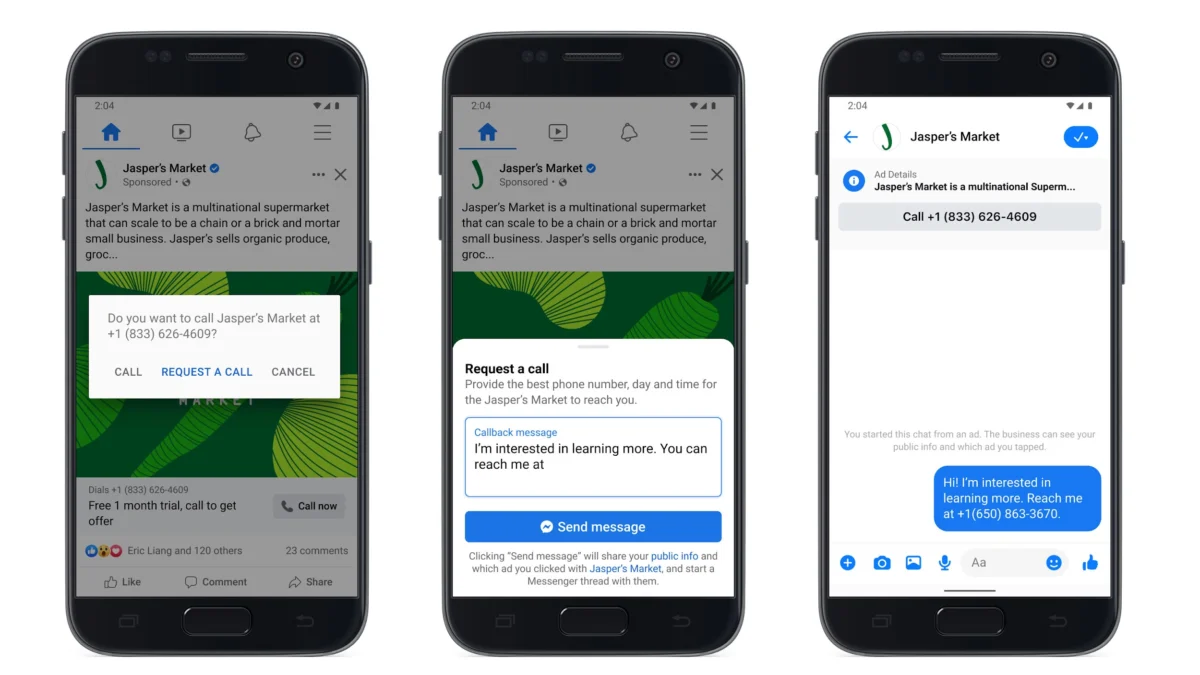
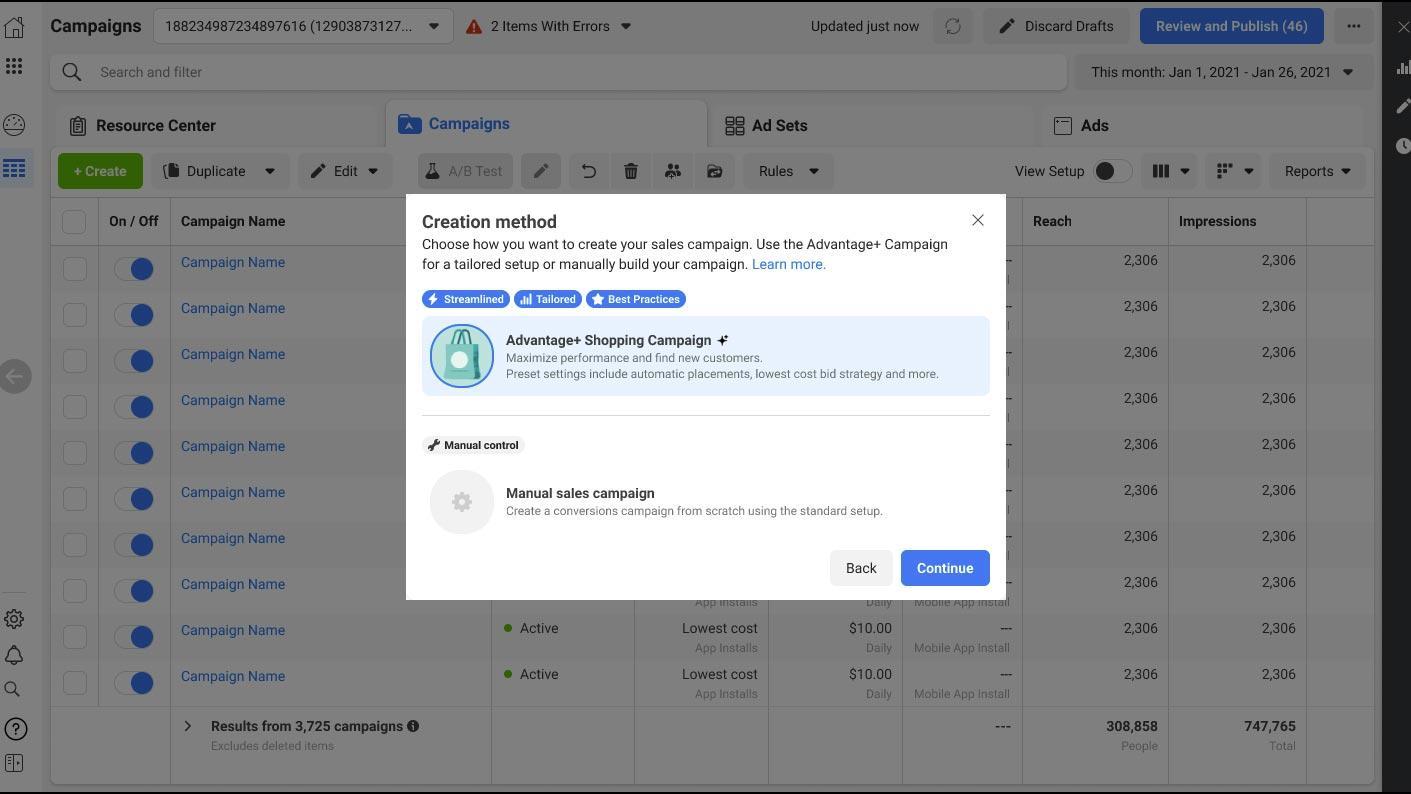
The integration of Messenger, Instagram Direct, and WhatsApp APIs is a game-changer. The future of Meta commerce is conversational. With the ability to process payments directly in chat, the customer journey has been shortened from a multi-click web process to an immediate, in-app transaction. Businesses that ignore the "Get Paid in Chat" features are missing out on the highest-converting traffic available today.
Looking Ahead: The Future of the Meta Ecosystem
As we look beyond the 2022/2023 cycle, the focus is clearly on three fronts:
- AI-Powered Content Creation: With the rise of generative AI, expect Meta to release tools that allow advertisers to generate variations of ad copy and visual assets natively within Ads Manager.
- The Metaverse Integration: While virtual and augmented reality (AR) have yet to reach mass commercial viability, Meta’s continued R&D spending suggests that the "Try-On" features currently limited to beauty brands will eventually become standard for furniture, home decor, and fashion retailers.
- Cross-Platform Messaging: The ultimate goal of a unified inbox—where a single CRM can manage interactions across Facebook, Instagram, and WhatsApp—is nearly complete. This will allow for a truly omni-channel customer support and sales experience.
In conclusion, while the updates of the past three years have forced significant operational changes for businesses, they have also provided a more robust, if automated, set of tools for growth. The advertisers who succeed in the coming years will be those who embrace the algorithmic nature of the platform, prioritize first-party data collection, and foster genuine communities within the Meta ecosystem.