The landscape of global technology is shifting beneath our feet. As we move through the middle of 2026, the velocity of innovation in artificial intelligence is no longer just a trend; it is the fundamental driver of corporate strategy, venture capital allocation, and human capital movement. This week, we analyze three pivotal developments that illustrate the maturation of the AI ecosystem: the relentless pace of funding for AI 100 leaders, the evolution of financial infrastructure into the "agentic" era, and the high-stakes poaching of elite research talent in the lead-up to historic public offerings.
1. The Capital Velocity: Assessing the AI 100 Momentum
The venture capital market, often characterized by cycles of feast and famine, is currently experiencing a robust "AI spring." According to the latest data, Assort Health—a healthcare voice AI platform—has secured a significant $120 million Series C funding round. This deal is not an isolated incident; rather, it is a bellwether for a broader trend.
Chronology of the Raise
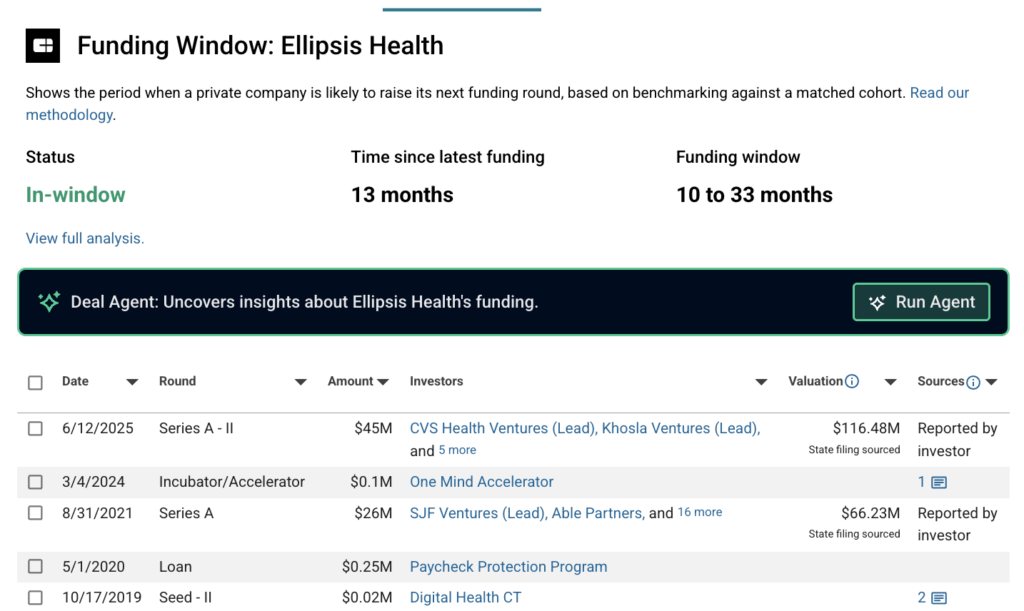
Since the publication of the prestigious AI 100 2026 list just two months ago, eight companies featured on the index have successfully closed new funding rounds. This represents a rapid conversion of market recognition into liquid capital. The data, derived from the CB Insights Funding Window, suggests that the momentum is far from peaking. Currently, 27 additional AI 100 winners are actively navigating their funding windows, signaling that we should expect a steady cadence of "mega-rounds" throughout the remainder of the year.
Supporting Data and Implications
The concentration of this capital in healthcare-adjacent AI—such as the upcoming anticipated raise from care management agent developer Ellipsis Health—highlights a critical sector shift. Investors are moving beyond "general purpose" LLMs and are increasingly pouring capital into "verticalized" AI. These are tools designed to solve specific, high-friction problems in heavily regulated environments like healthcare. The implication is clear: the market is rewarding companies that can demonstrate tangible clinical and operational ROI, moving away from the speculative hype that defined 2023 and 2024.
2. The Rise of Agentic Commerce: Airwallex and the Future of Finance
If the first phase of fintech was about digitization, the current phase is defined by "autonomy." Airwallex, a leader in the global payment space, recently announced a $320 million Series H funding round, accompanied by a strategic pivot that effectively redefines its mission.
The Shift to Autonomous Infrastructure
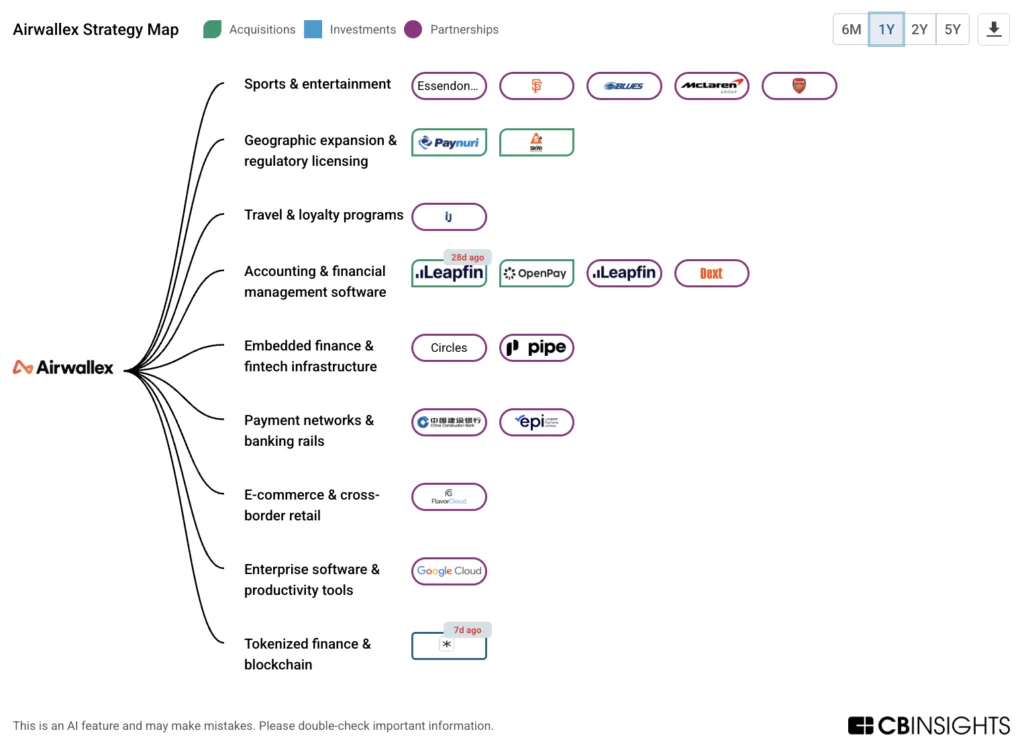
Airwallex is no longer merely a cross-border payments processor. With the launch of Airi, a consumer wallet for agentic commerce, and T:0, an AI-powered financial stack for businesses, the company is positioning itself as the operating system for the machine-to-machine economy.
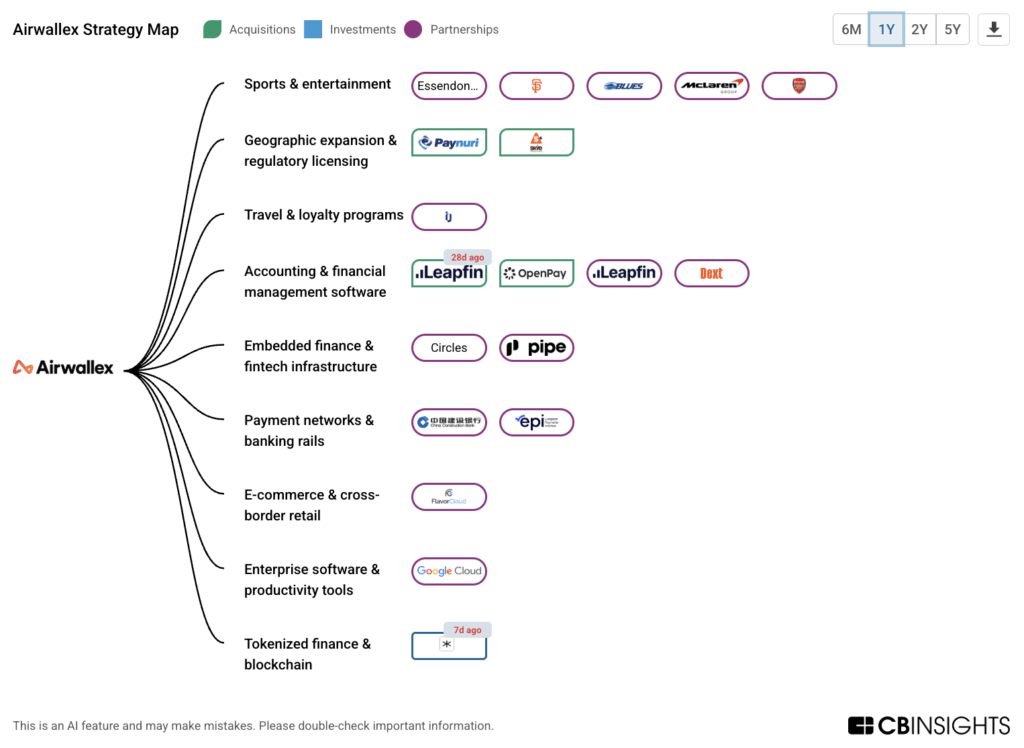
"Agentic commerce" refers to a paradigm where AI agents, rather than human users, perform complex financial tasks—negotiating prices, executing payments, and managing treasury functions—independently. Airwallex’s new strategy suggests a desire to own the entire "agentic stack," spanning:
- Identity and Authentication: Ensuring that AI agents have the cryptographic credentials to authorize transactions.
- Stablecoin Rails: Providing the low-latency, cross-border settlement infrastructure that AI agents require.
- Programmable Vaults: Creating secure, automated environments for corporate spending management.
Strategic Landscape
Airwallex is not alone in this ambition. Smaller, more specialized players such as Catena Labs, Skyfire, and Basis Theory are currently building the plumbing of this ecosystem. However, Airwallex’s aggressive expansion into institutional-grade stablecoin assets—evidenced by their investment in Metal—signals that they are preparing for a future where traditional fiat and tokenized assets coexist in a single, automated ledger.
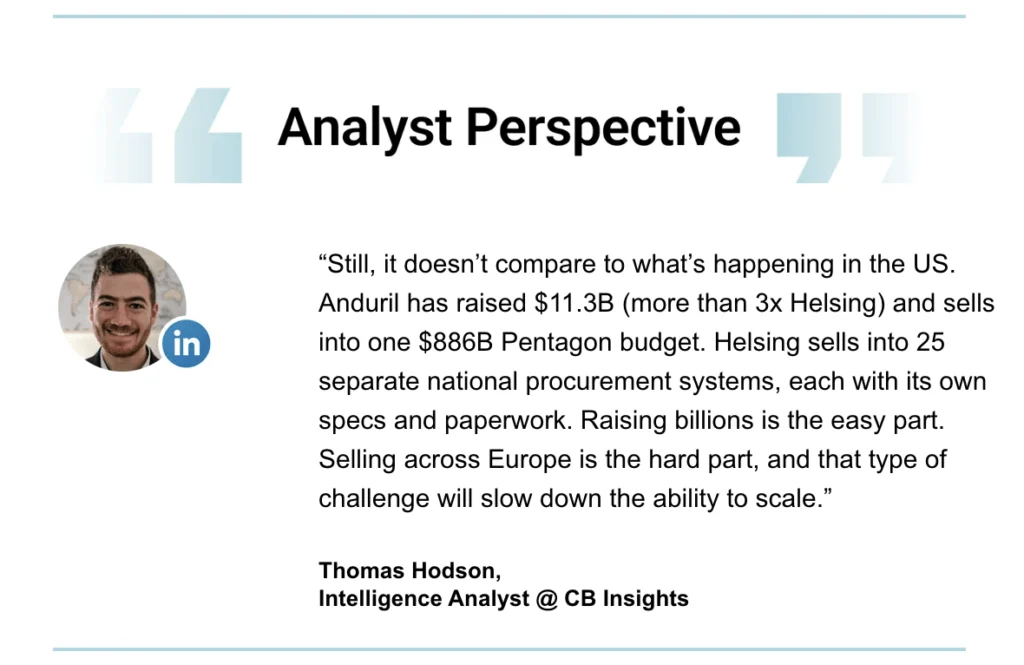
The central question remains: Will Airwallex successfully internalize these functions, or will the "agentic stack" become a modular ecosystem where the company serves as the primary integrator? As fintech analyst Aisha Chandraker notes, the market is currently witnessing a race to see which firm can provide the most seamless "finance-as-code" environment for the next generation of autonomous business entities.
3. The Talent War: Anthropic’s Aggressive IPO Prep
In the high-stakes world of foundation models, the most valuable asset is not compute, but talent. As Anthropic moves toward a highly anticipated IPO, the company has begun a concerted effort to attract the best minds in the industry, specifically targeting researchers from Google DeepMind.
The Poaching Pattern
CB Insights’ internal human capital tracking reveals a striking trend: in the last month alone, three senior researchers from Google DeepMind have defected to Anthropic. When viewing the data over a longer duration, the discrepancy becomes even more pronounced. Anthropic has successfully recruited five high-level DeepMind researchers, compared to just three by OpenAI—with OpenAI having only secured a single hire from that cohort in the past year.
Headcount and Organizational Growth
This recruitment surge is part of a larger organizational strategy. Anthropic’s total headcount has expanded by 183% over the past 12 months. Perhaps most significantly, technical roles now account for over one-third of their 5,000-person workforce. This is a deliberate "technical-first" scaling strategy, designed to ensure that the company’s R&D capabilities keep pace with the massive scaling laws required to compete with Google, Microsoft, and OpenAI.
Official Perspectives and Implications
The aggressive recruitment strategy sends a clear signal to the market: Anthropic is not content with being a niche safety-focused player. By bolstering its technical bench with DeepMind veterans, the company is attempting to achieve two objectives simultaneously:
- Model Parity: Ensuring their next-generation models have the architectural sophistication to outperform competitors in reasoning and multi-modal tasks.
- IPO Signaling: Demonstrating to public market investors that they possess the depth of talent necessary to sustain long-term innovation, not just a "one-hit-wonder" model.
The "brain drain" from Google to Anthropic suggests that the traditional tech giants are struggling to retain their top-tier research talent. This phenomenon is often attributed to the "agility gap"—the ability for a smaller, focused company to deploy research into production without the bureaucratic overhead that inherently exists within a multi-hundred-billion-dollar corporation like Google.
Synthesis: What This Means for the Next 12 Months
The convergence of these three narratives—sustained venture funding, the birth of autonomous financial infrastructure, and the consolidation of research talent—points to a "Year of Execution" for the AI industry.
The Maturation of the Ecosystem
We are exiting the era of "AI experimentation." The $120 million raised by Assort Health shows that the market has identified viable, revenue-generating use cases for AI. The pivot of firms like Airwallex toward agentic commerce indicates that we are beginning to treat AI as a financial actor, not just a content generator. Finally, the intense competition for talent at firms like Anthropic confirms that the barrier to entry for the next generation of LLMs remains prohibitively high, favoring firms that can combine massive capital with a concentration of elite human capital.
The Outlook
For investors and corporate strategists, the takeaway is clear:
- Follow the Infrastructure: The value is shifting from the LLM layer to the "agentic layer." Companies that provide the rails for autonomous agents to interact with the real-world economy (finance, logistics, identity) will likely see the highest long-term valuations.
- Talent Density is the New Moat: In an era where open-source models are narrowing the capabilities gap, the primary differentiator for companies like Anthropic will be the specific research intuition of their staff.
- The IPO Window: As companies like Anthropic signal their public market intent, the broader market will be watching the "AI 100" closely. If these companies continue to raise at current valuations, it will provide the necessary proof-of-concept for a new wave of public offerings in the tech sector, potentially reinvigorating the IPO market that has been largely dormant for much of the last two years.
The tech industry is no longer just building tools; it is building a new form of digital society. Whether it is a voice agent managing a patient’s health, a software stack managing a corporation’s treasury, or a research team defining the frontier of intelligence, the common thread is the move toward a fully automated, agent-driven economy. We are, quite simply, witnessing the infrastructure of the future being laid in real-time.